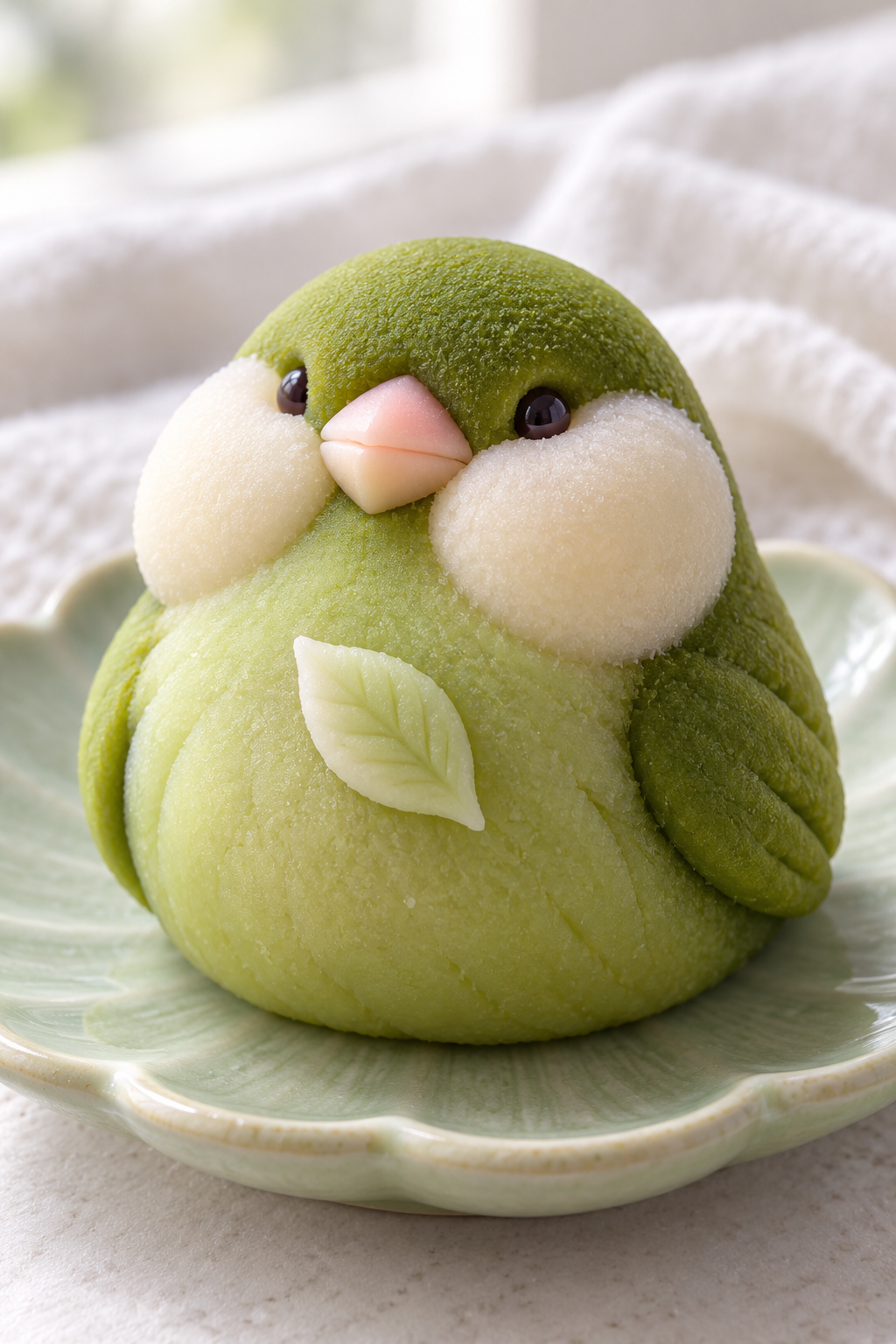
Song of the Matcha Blossom
Critique
1. Introduction This digital artwork portrays an exquisite confectionery still life depicting a plump Japanese white-eye bird sculpted from traditional nerikiri wagashi. The composition blends the seasonal sensitivity of Japanese tea ceremony aesthetics with delicate wildlife modeling, producing a serene and poetic tribute to early spring. 2. Description On a celadon green petal dish, the diminutive bird is formed from sweetened bean paste with a gradient of mossy matcha and soft pistachio. Puffed white cheeks frame a delicate pink beak and dark eyes. A single sculpted white leaf with carved veins adorns its chest, set against soft linen and window daylight. 3. Analysis The visual structure relies on a smooth, compact teardrop silhouette that conveys both gentleness and formal balance. Soft daylight entering from the upper left illuminates the pliable, powdery texture of the sweetened dough, highlighting subtle carved feathers along the flanks. The harmonious palette of fresh spring greens, alabaster whites, and soft celadon ceramics creates chromatic restraint, drawing immediate attention to the pale leaf motif and the bird’s tender facial expression. 4. Interpretation and Evaluation The work explores themes of spring renewal, natural elegance, and meditative stillness. Embodying the beloved harbinger of spring through refined tea confectionery evokes deep cultural nostalgia for blooming plum and cherry seasons. The rendering exhibits supreme technical finesse in capturing the soft, matte texture of freshly sculpted bean paste, achieving a timeless balance between craft and poetic expression. 5. Conclusion In conclusion, this illustration demonstrates a refined synthesis of wagashi artistry and natural beauty. Through disciplined lighting and subtle textural nuance, the piece offers a quietly captivating meditation on the gentle arrival of spring.
Same Subcategory
 Flight of the Apricot Glider
 Gentle Wave of Citrus Cream
Similar Artworks
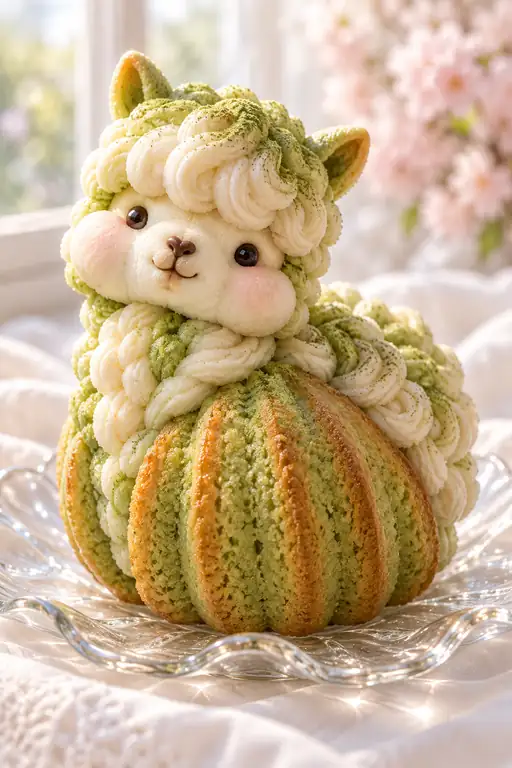 Spring Alpaca of Matcha Breeze
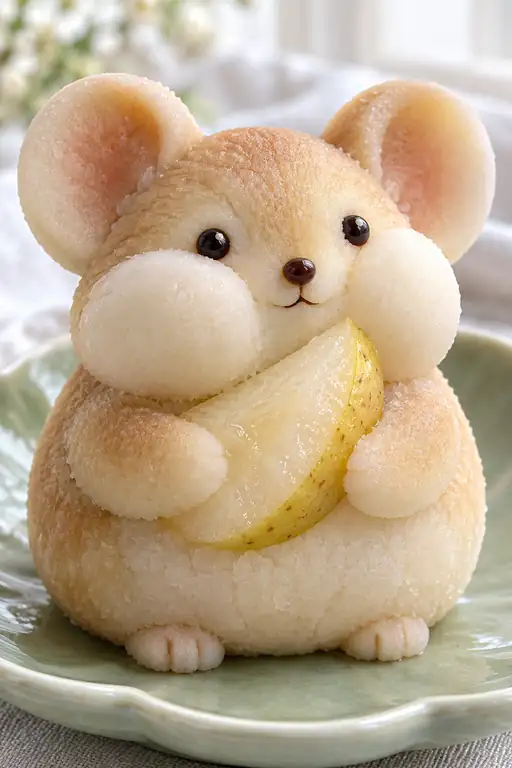 Cradling a Crescent Moon of Autumn Dew
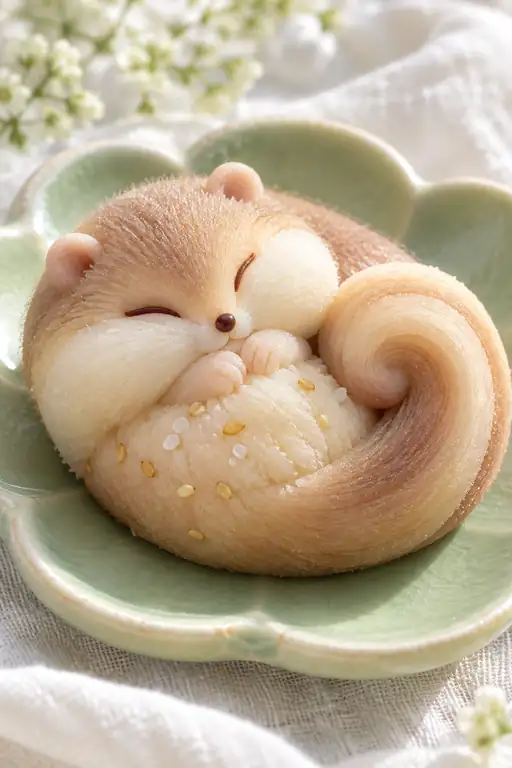 Curled in Slumber, a Springtime Nap
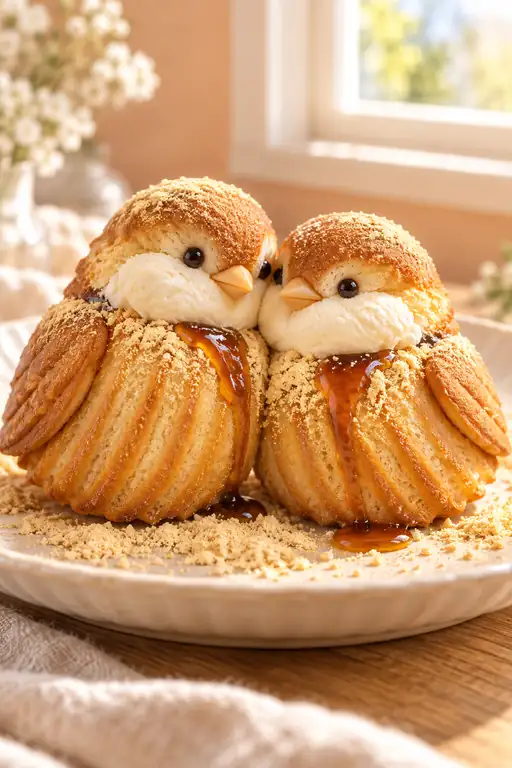 Sweet Kinako Companions
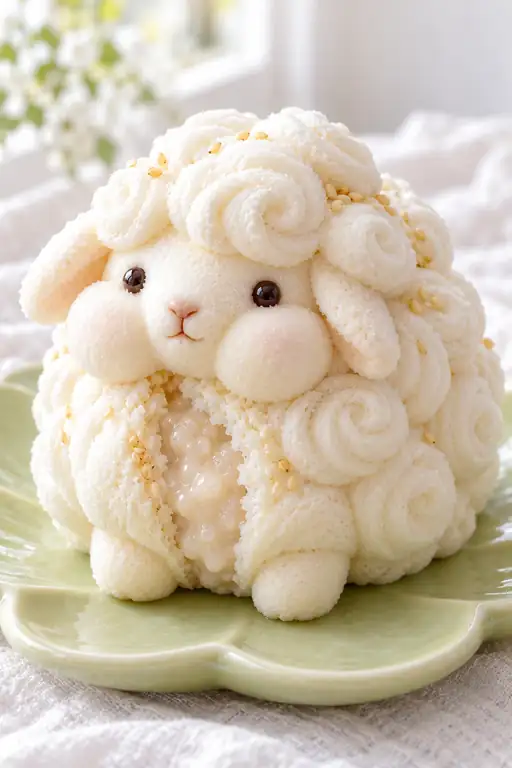 Fluffy Sweet Wool
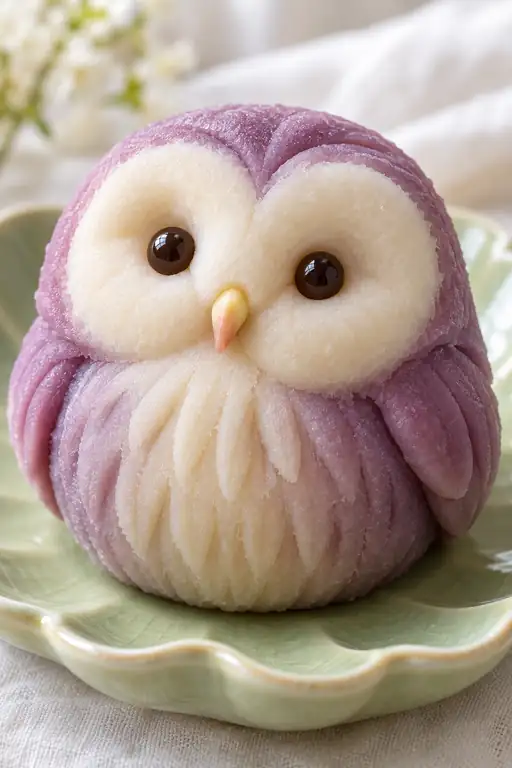 Violet Wings of the Silent Woods
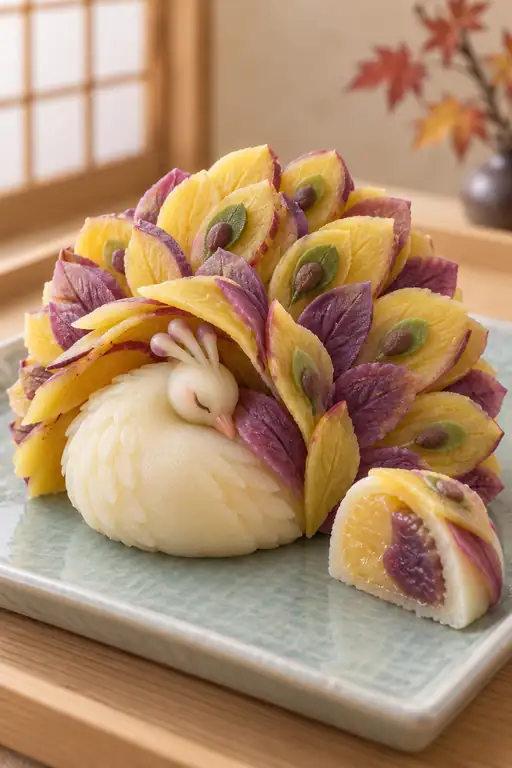 Slumber of the Amethyst Peacock
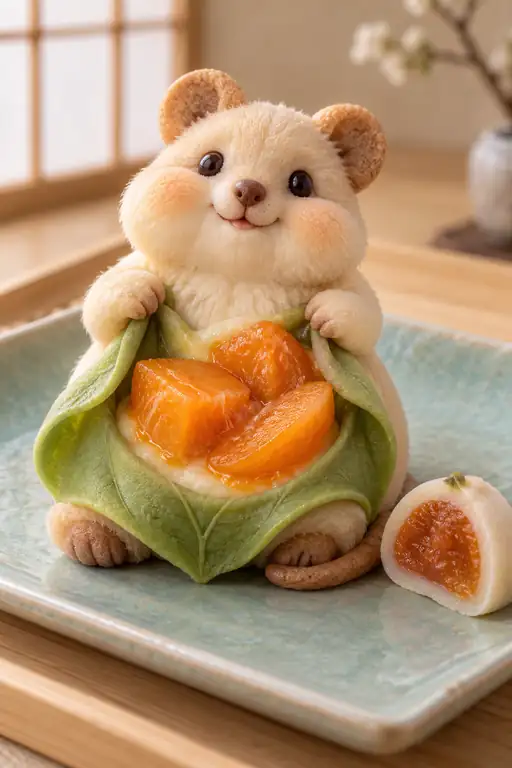 A Tender Gift of Sun-Ripened Gold
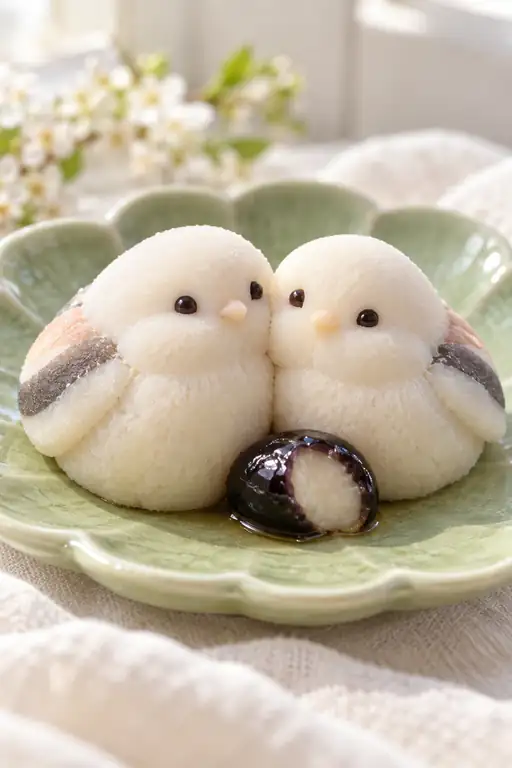 Sweet Whispers in the Spring Light
 Sweet Voyage of the Cookie Penguin