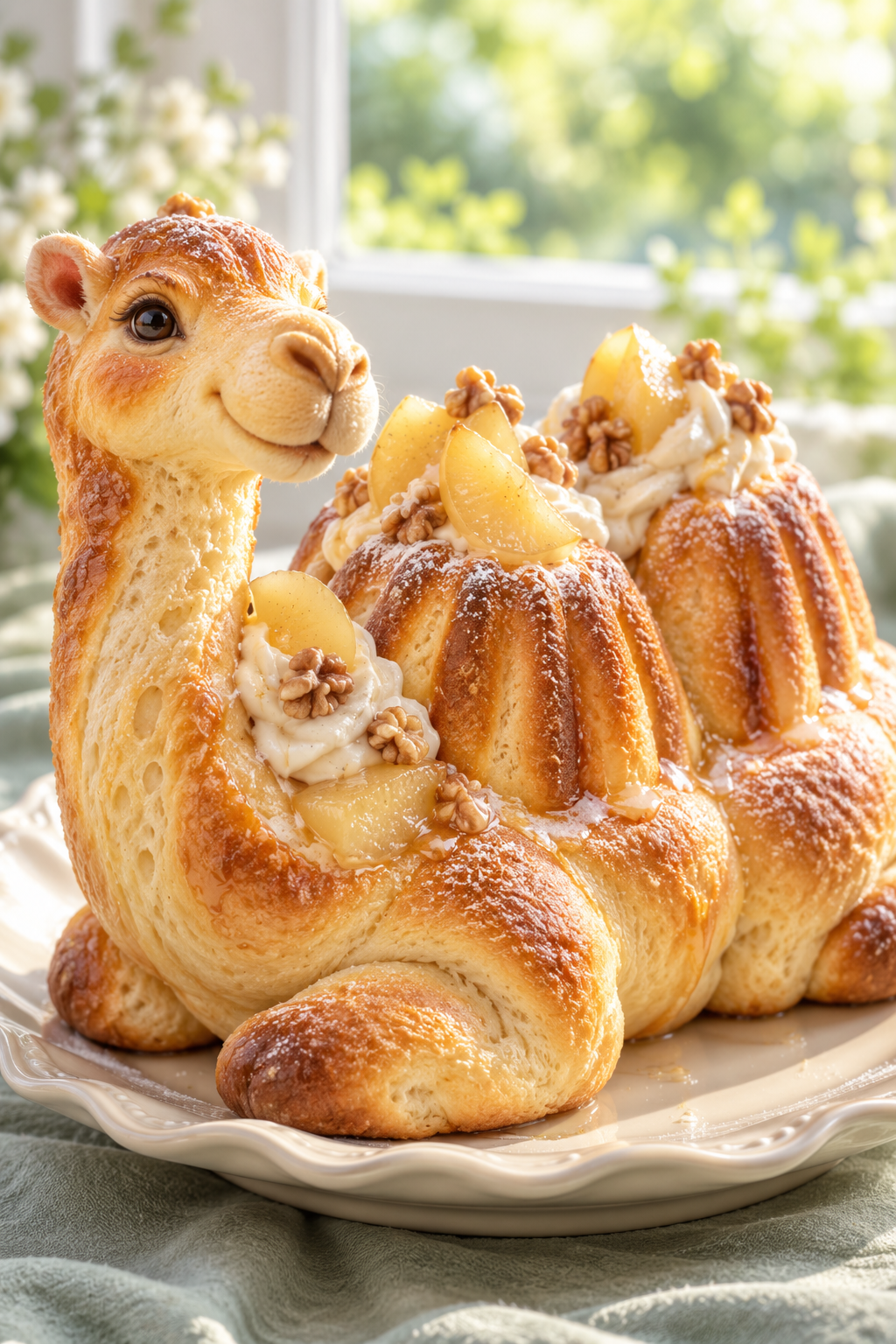
Carrying an Orchard Home
Critique
Introduction A camel-shaped pastry carries small fruit-topped mounds across its back. The image presents the animal's distinctive profile through a combination of firm baked curves and softer, glossy filling. Description The camel faces left with a long upright neck, rounded muzzle, dark eye, small ears, and a smiling mouth. Its golden crust shows tiny pores and deeper brown edges. Two prominent humps rise behind the neck, each crowned with pale cream, translucent yellow fruit wedges, and walnut-like pieces. More cream and fruit sit where neck meets body. A broad front leg extends toward the viewer, while other feet steady the figure on a white scalloped plate. Sunlit greenery and blossoms blur beyond it. Analysis The upright neck begins a flowing line that descends into the two humps and forward leg. Repeated vertical ridges on the humps give rhythm to the rounded mass. Glossy fruit catches stronger highlights than the matte, porous crust; the cream bridges these surfaces with a softer texture. Yellow fruit remains close in hue to the pastry, whereas the small nuts supply darker points of contrast. Interpretation and Evaluation The humps are both anatomical features and places to display the filling. This dual use is more inventive than placing fruit beside the animal. The face's quiet expression balances the abundance on its back, so the cake remains a portrait as well as an arrangement of ingredients. The long neck, two mounds, and broad feet keep the silhouette stable despite the busy toppings. Surface detail is strongest where the baked ridges meet cream and fruit. Conclusion The first glance recognizes a camel; closer looking reveals how the humps organize the dessert. The animal's shape serves its edible presentation.
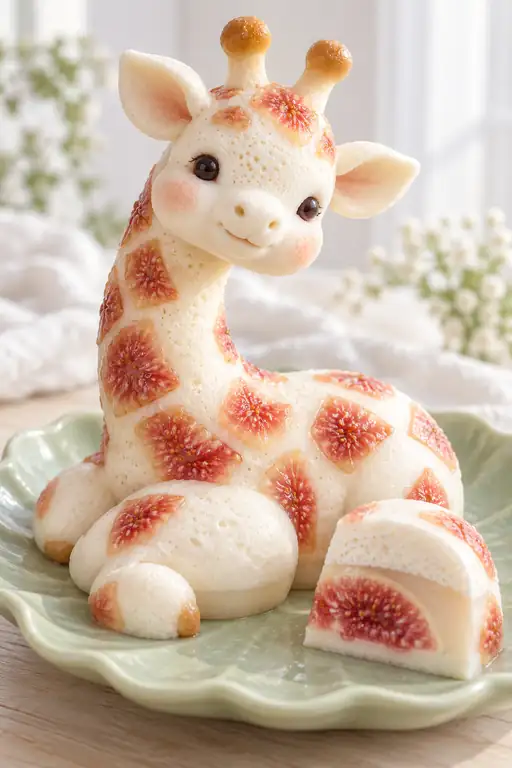 Little Constellations of Fig
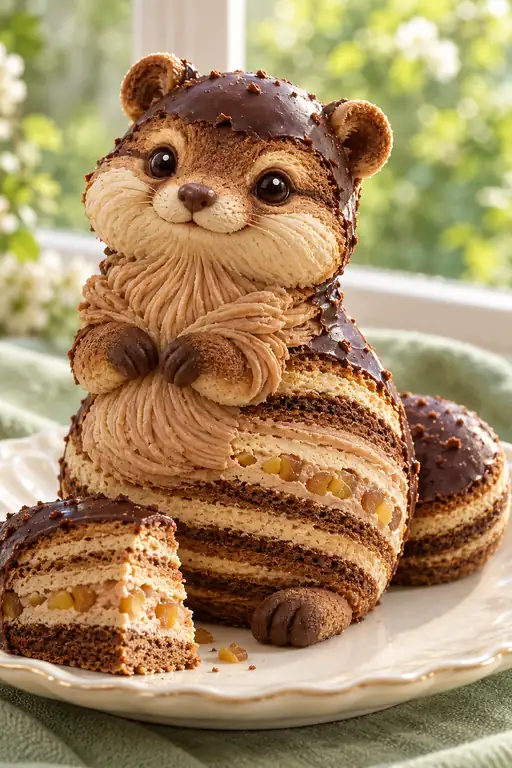 A Small Heart in Many Layers
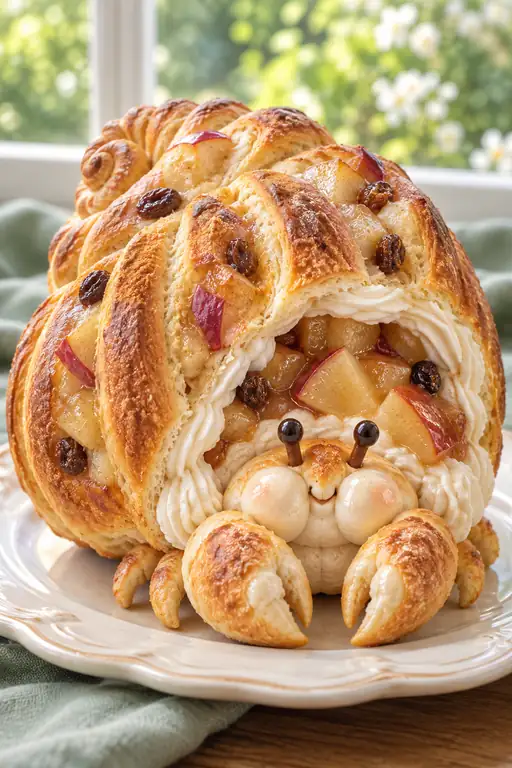 An Orchard Beneath My Shell
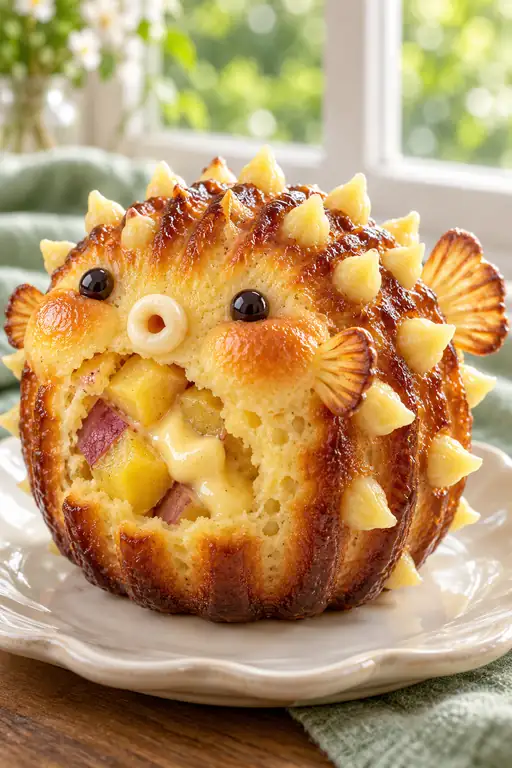 Spines of Sunshine, Heart of Gold
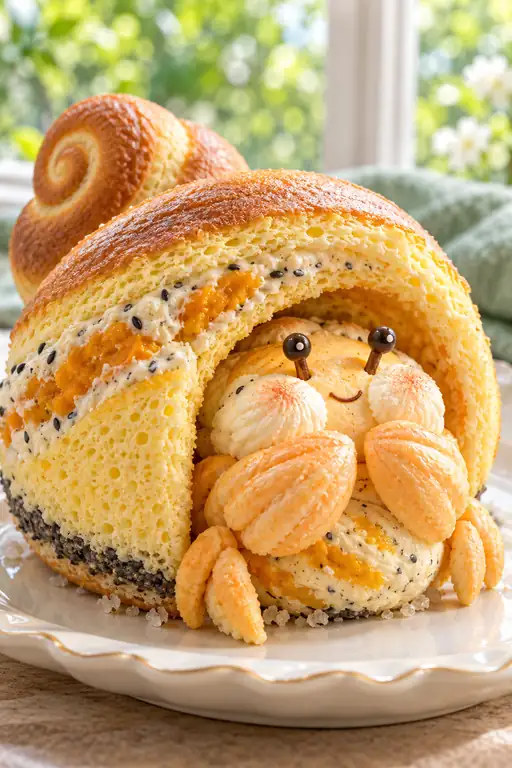 The Little House I Carry
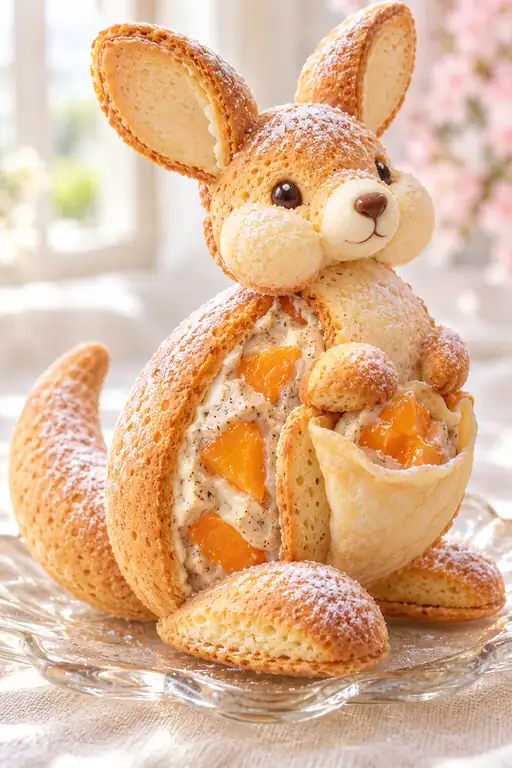 Autumn Tucked in My Pocket
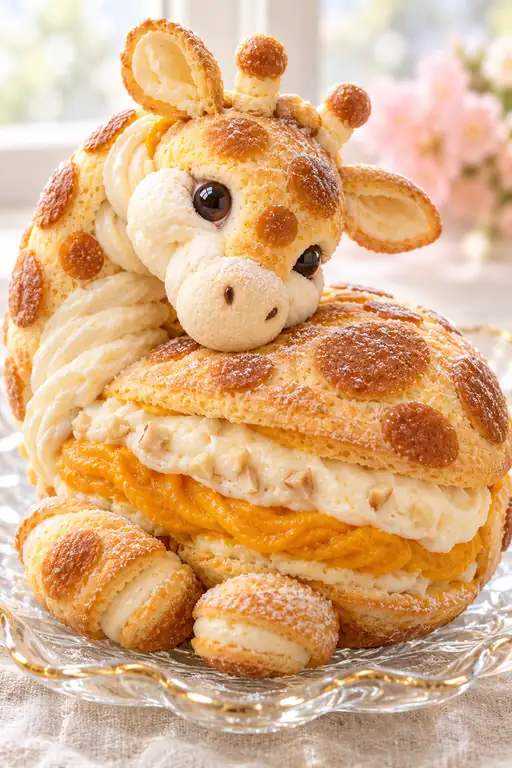 A Gentle Lean Toward Autumn
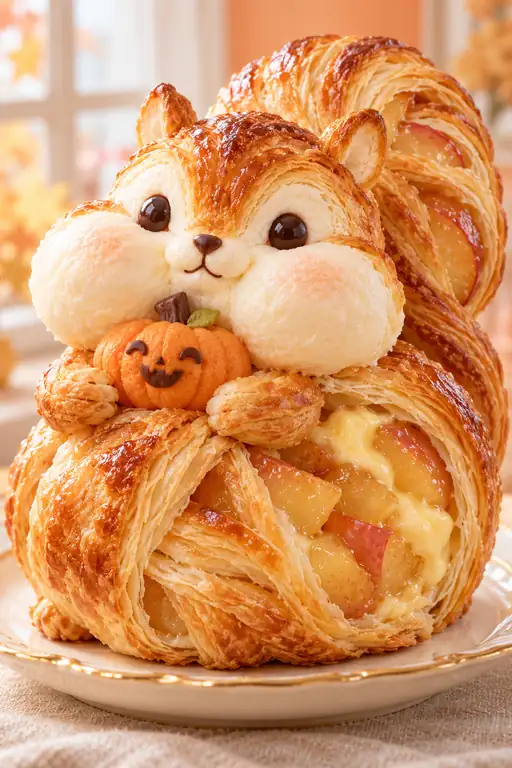 The Brightest Gift of Fall
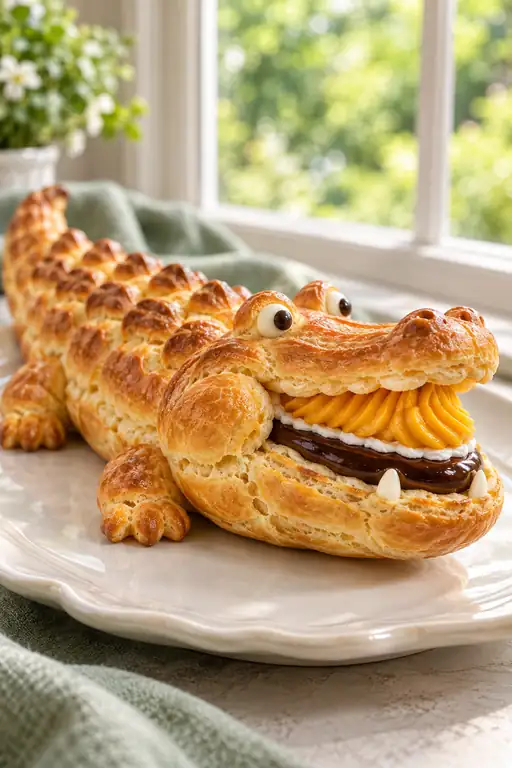 The Sweetest Roar
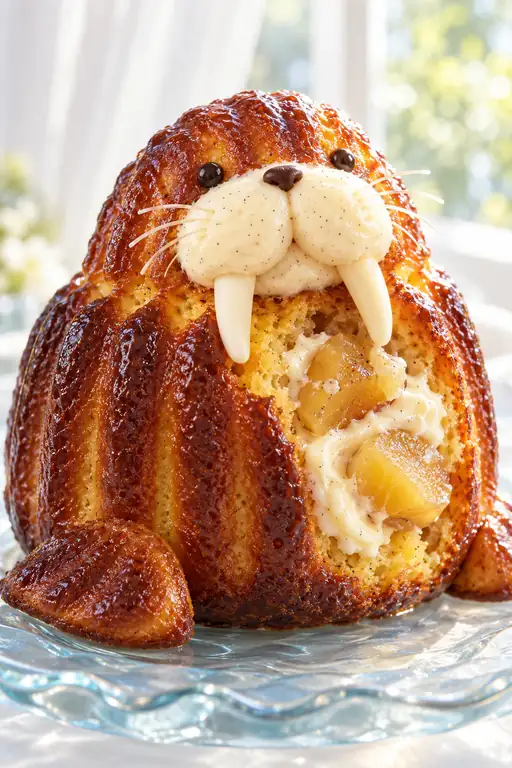 Gold Beneath the Amber Coat
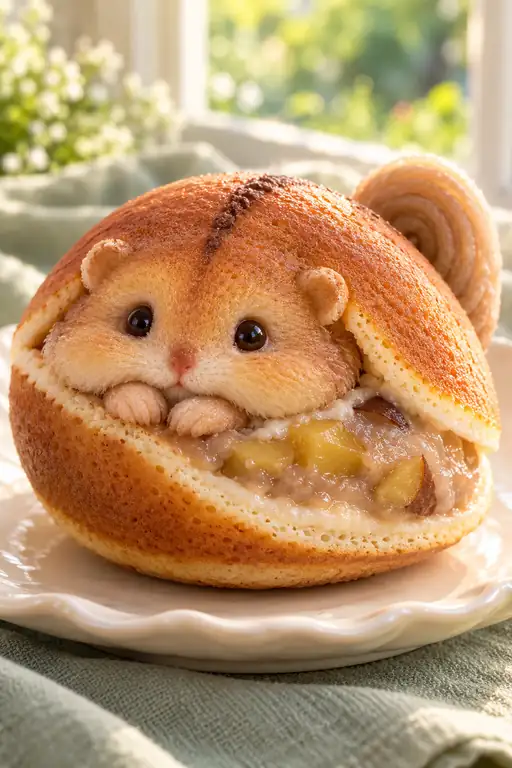 Home Is Where the Sweetness Hides
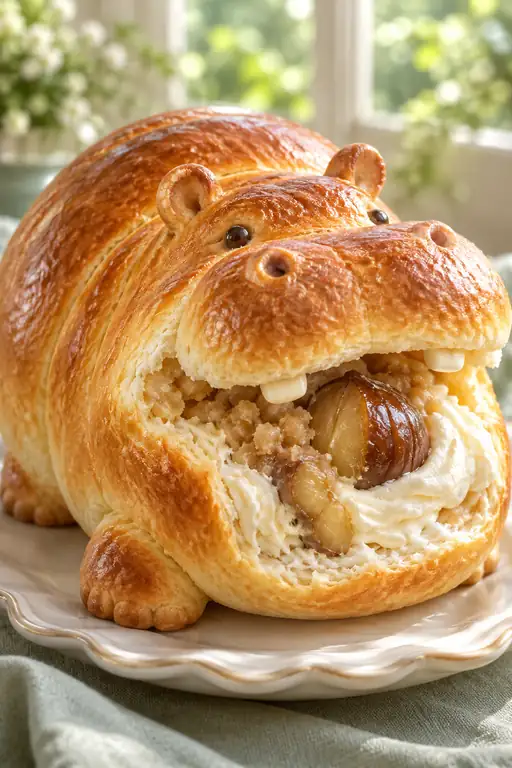 Bite of the Chestnut Riverbank