The Wonder Inside the Familiar
Critique
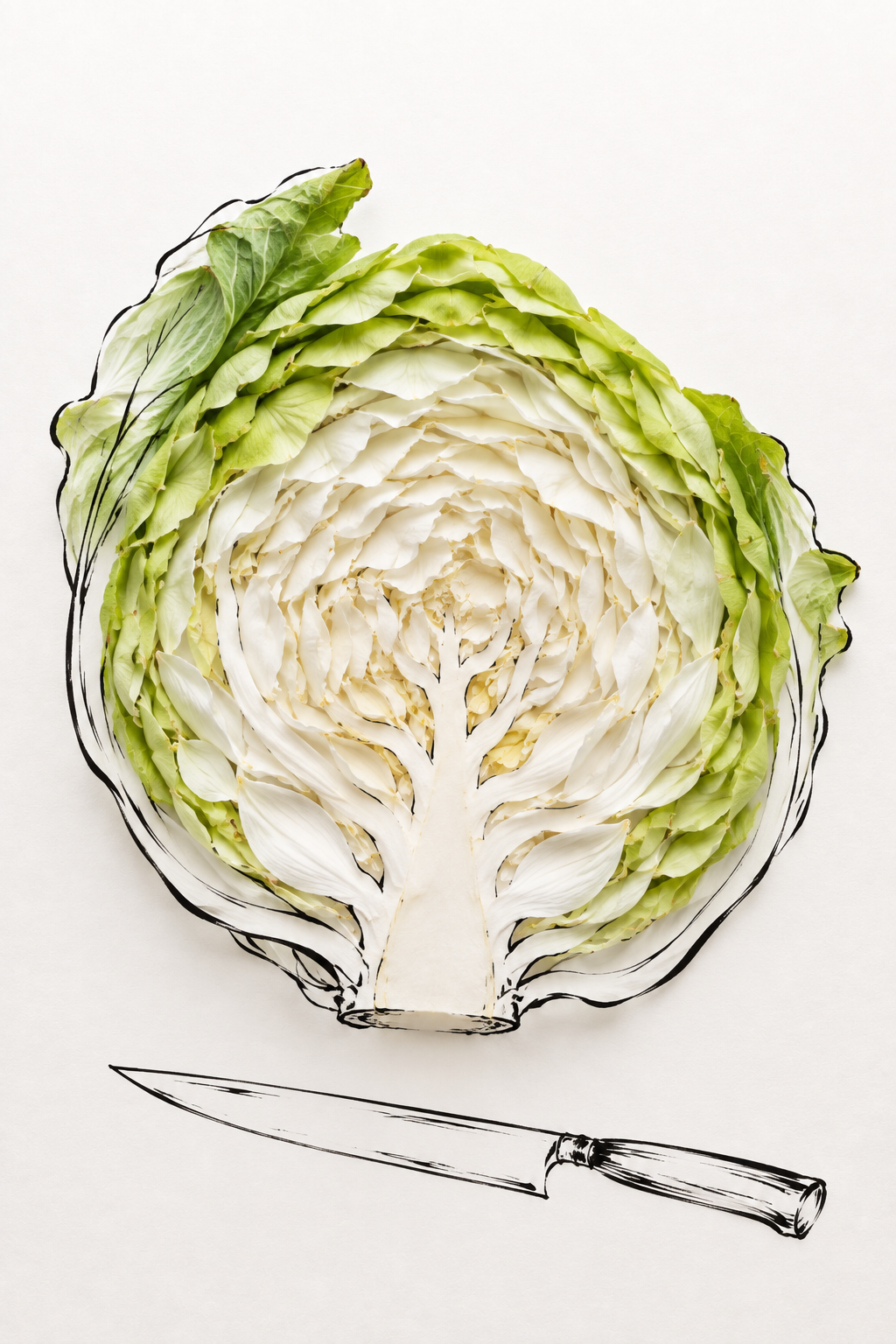
Introduction A cut cabbage fills the upper part of the image, with a long kitchen knife lying below it. Pale inner leaves form tight concentric layers, surrounded by a ring of fresh green. Description The cabbage is shown as a broad circular cross section with a short base at the bottom. White leaves fold inward toward a densely packed center, while green outer leaves wrap around the edge. Fine black lines mark the cut stem and trace parts of the irregular rim. The knife stretches diagonally across the lower area, its point to the left and handle to the right. Analysis The cabbage's layered rings pull attention inward, but the central branching stem sends it outward again. Varying shades of green separate outer leaves from the creamy cut interior. Individual edges cast shallow shadows, making the layers feel thick and tactile. The knife's thin, straight blade counters the cabbage's rounded, soft mass. Its diagonal placement also prevents the composition from becoming static. Interpretation and Evaluation The nearby knife suggests a moment of preparation, although no hand or cutting board is shown. This restraint directs attention to the cabbage's unexpectedly intricate interior. The composition is effective because the tool remains subordinate to the larger organic form while establishing context. Soft greens and whites allow fine leaf folds to carry the visual interest. Conclusion At first the cabbage reads as a familiar ingredient; closer looking reveals a complex pattern of nested leaves and branching veins. The work uses limited color, clean spacing, and a single practical object to make that structure newly visible.
 Praise of the Gilded Harvest
 Two Ways to Rest in Light
 Contentment in Two Voices
 A Quiet Plenty
 An Afternoon Too Sweet to Hurry
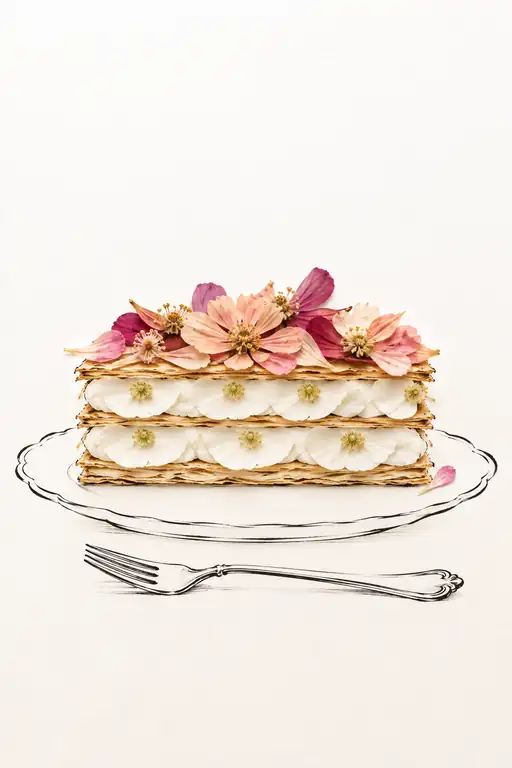 Let the Sweet Moment Linger
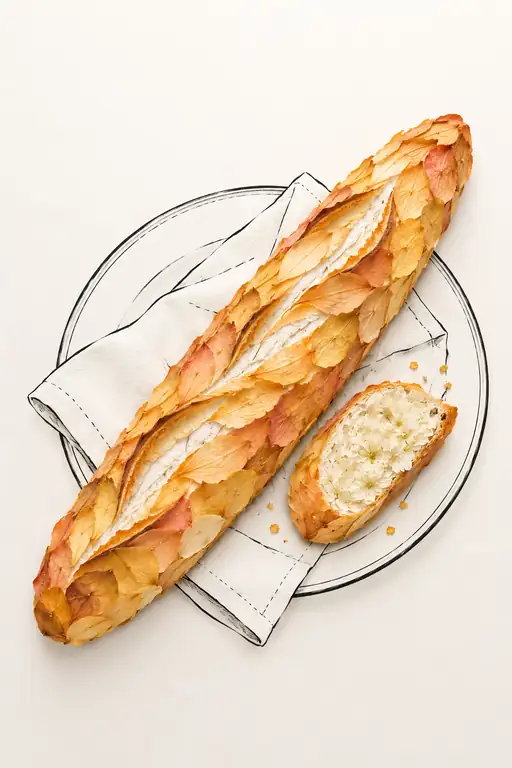 The Warmth We Share
 Let Warmth Fill the Pause
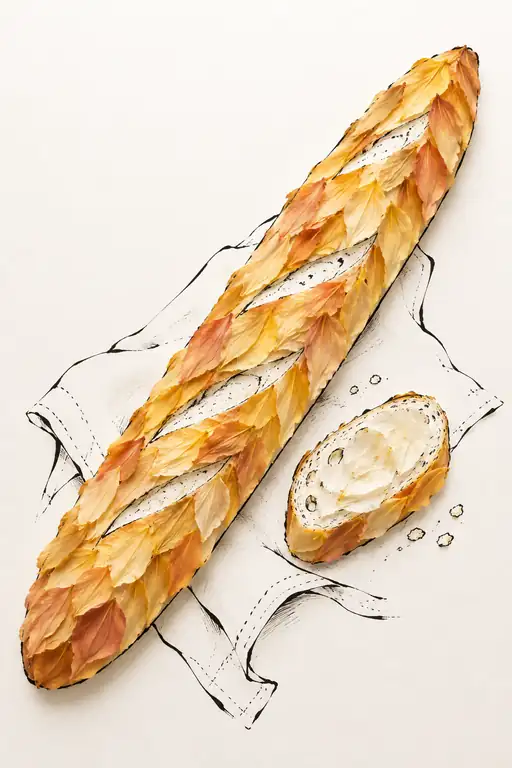 The Gold of Ordinary Days
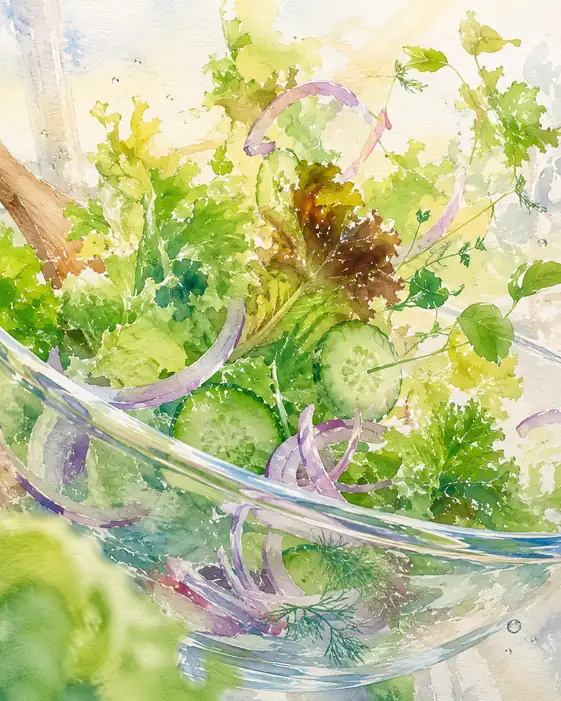 A Symphony of Morning Light
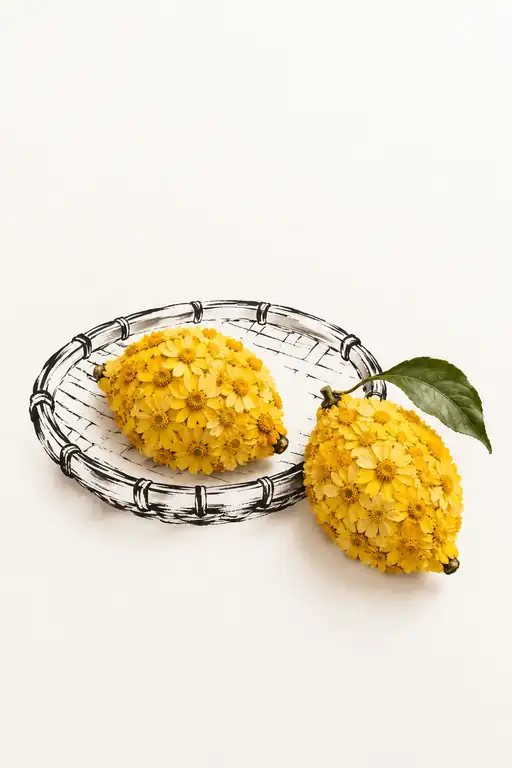 Two Pieces of Sunshine