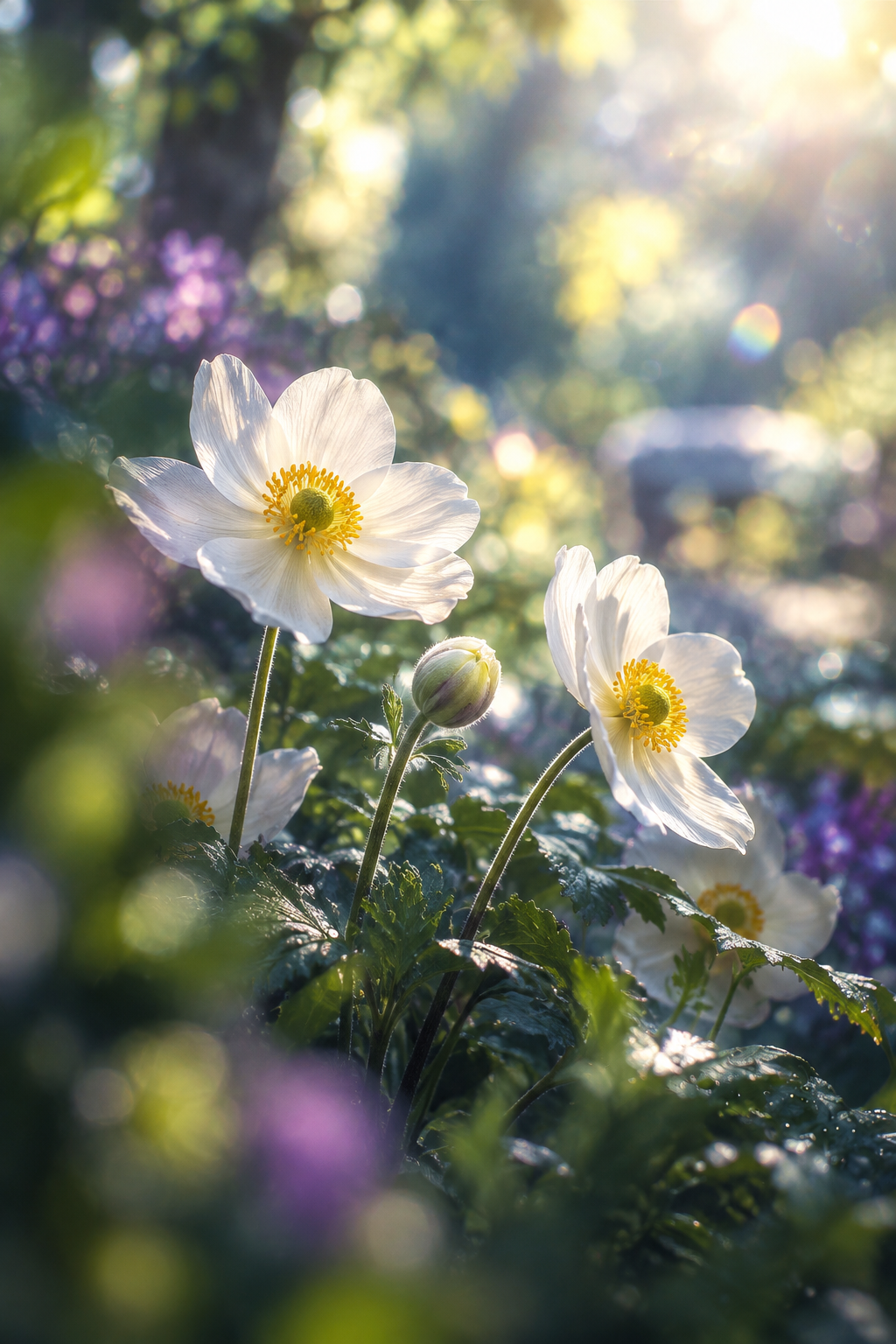
The Light We Grew Into
Critique
1. Introduction This radiant botanical painting portrays two white Japanese anemones and an emergent bud illuminated by sunbeams and iridescent lens flares within a lush autumn garden. The interplay between translucent white petals, golden stamens, and shimmering optical rings crafts a celestial vision of purity and grace. 2. Description Positioned prominently in the foreground, two pristine white blossoms turn toward ambient light, flanking a central unopened bud. Sunlight filtering through the petals reveals delicate cellular translucency, illuminating bright green central carpels ringed by golden stamens. Dew-drenched leaves carpet the lower register, while the background dissolves into soft purple wildflowers, emerald foliage, and radiant circular bokeh. 3. Analysis The tripartite arrangement of two blossoms and a central bud forms a balanced pyramidal structure that anchors the composition. The color palette pairs luminous chalk whites and sunny yellows against cool violet shadows and verdant foliage. A sweeping prismatic rainbow flare introduces circular geometry across the upper quadrant, amplifying the illusion of direct solar encounter and atmospheric clarity. 4. Interpretation and Evaluation White anemones traditionally represent sincerity, spiritual purity, and peaceful contemplation amid seasonal transition. The presence of the emergent bud alongside fully opened blooms offers a gentle metaphor for generational continuity and unfolding potential. By marrying optical realism with poetic reverence, the painting transforms a secluded garden clearing into an enchanting sanctuary of divine light. 5. Conclusion This painting is an extraordinary celebration of floral translucency and solar radiance. Through masterly handling of transmitted light, delicate anatomical draftsmanship, and enchanting optical flares, it elevates a humble autumn perennial into an unforgettable monument of natural serenity and quiet joy.
Same Subcategory
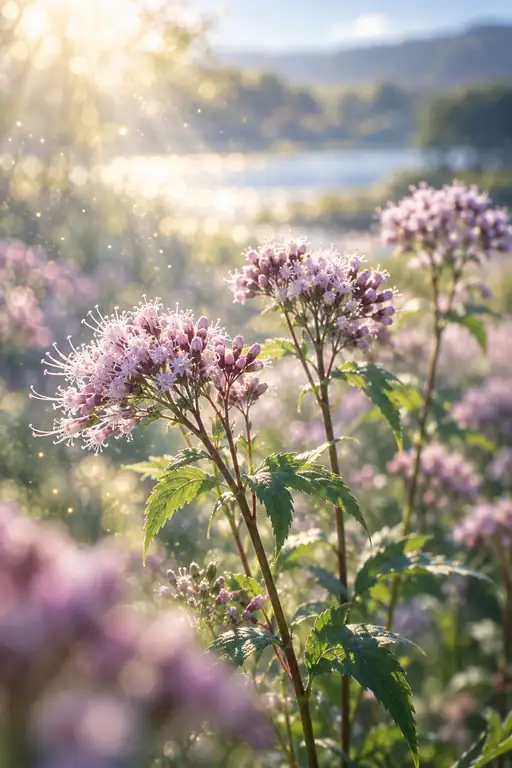 Autumn Speaks in a Whisper
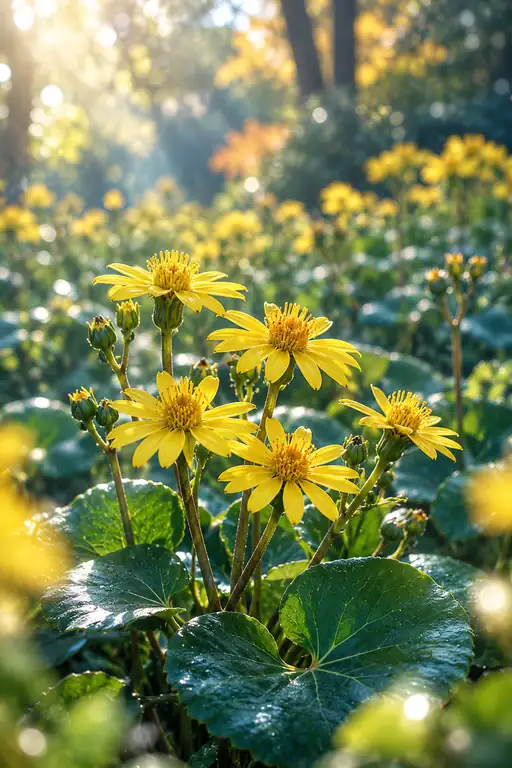 Gold in the Quiet Season
Similar Artworks
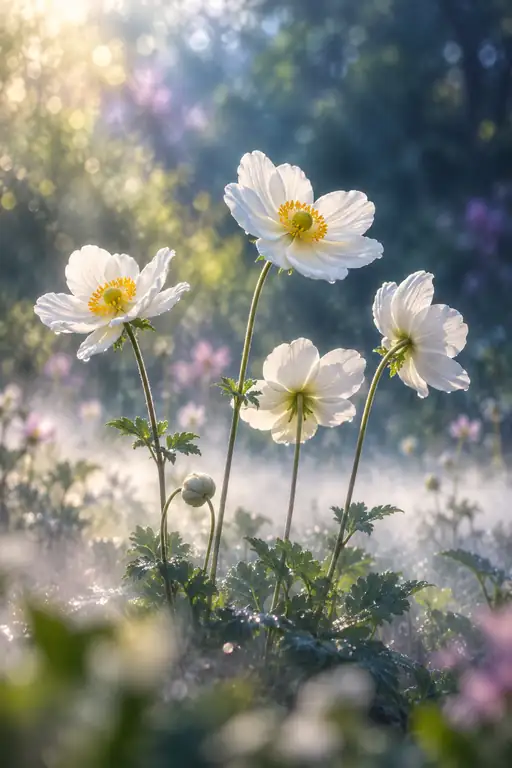 The Mist Lets Us Through
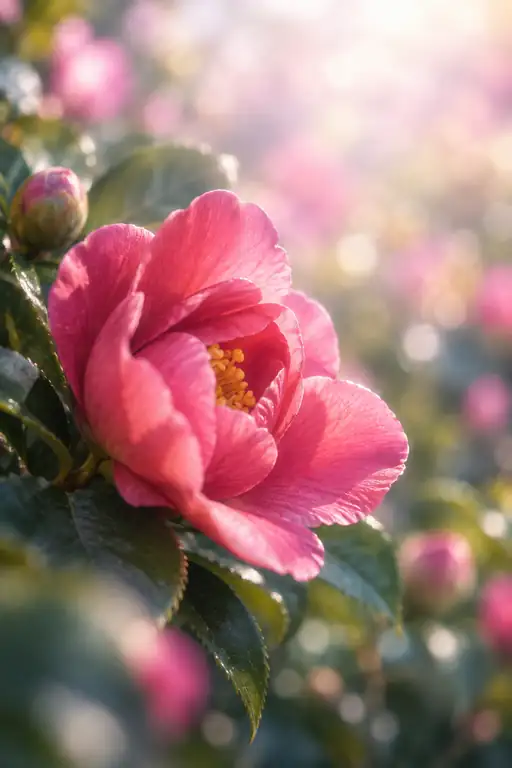 Winter Softens at My Edges
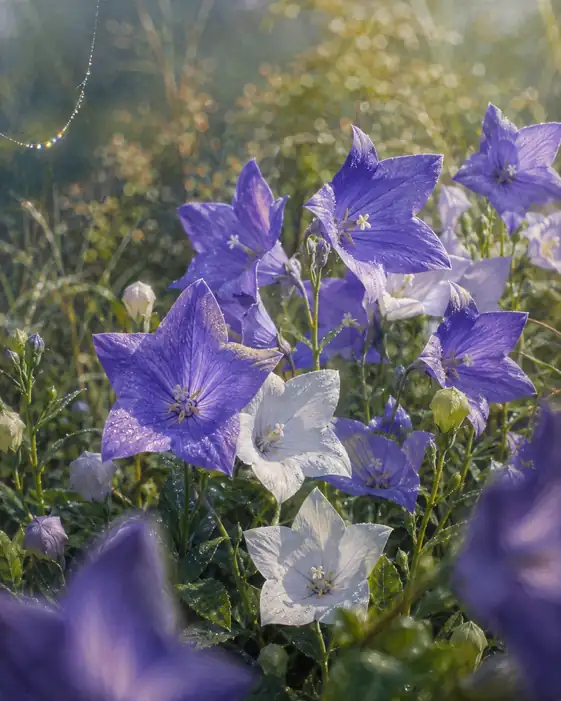 Dew-Laden Web and Purple-White Bellflowers in Morning Light
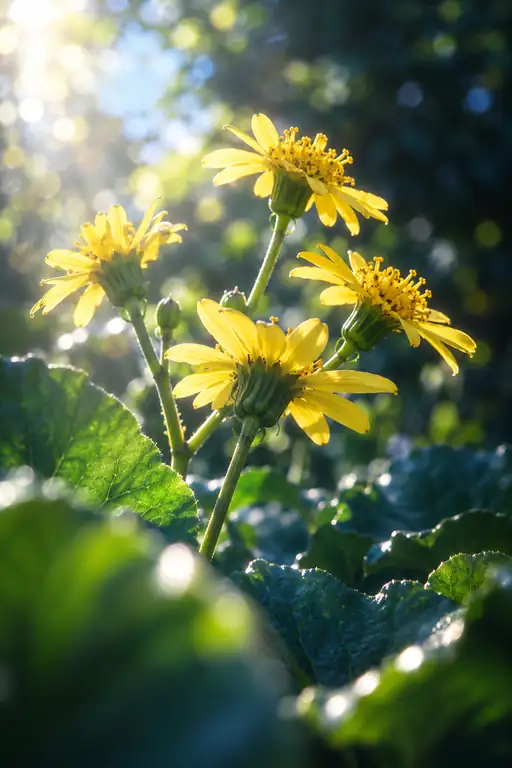 Together Toward the Open Light
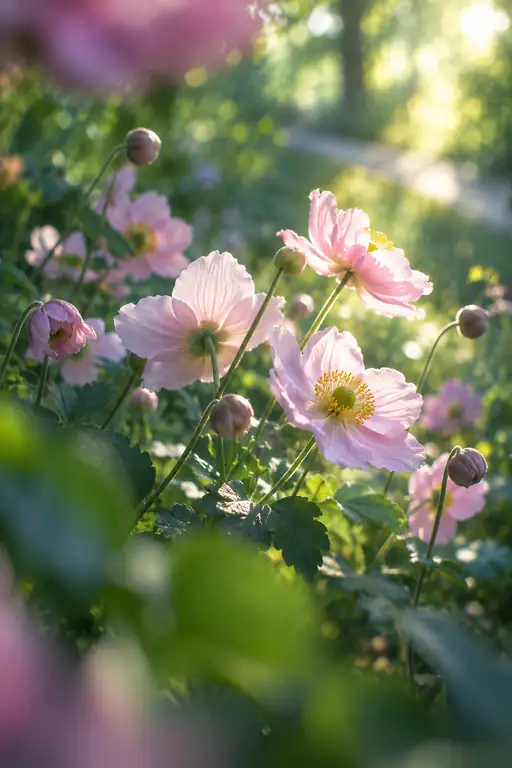 Evening Glow upon Anemone
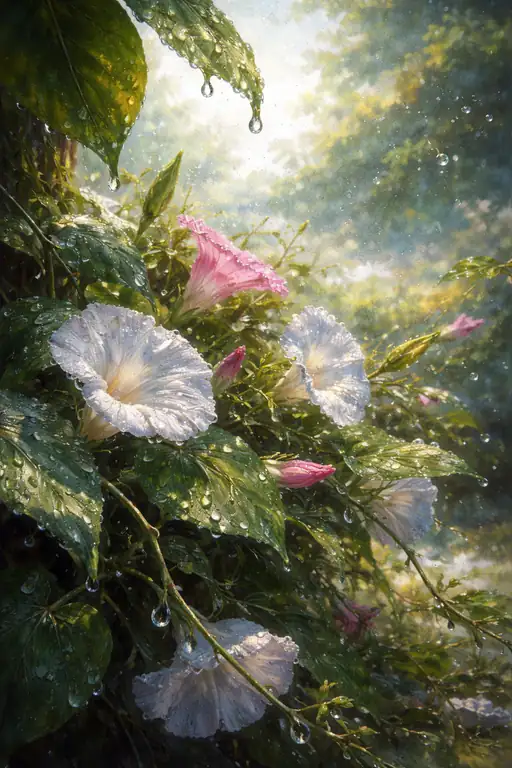 Morning Glory Glistening with Rain
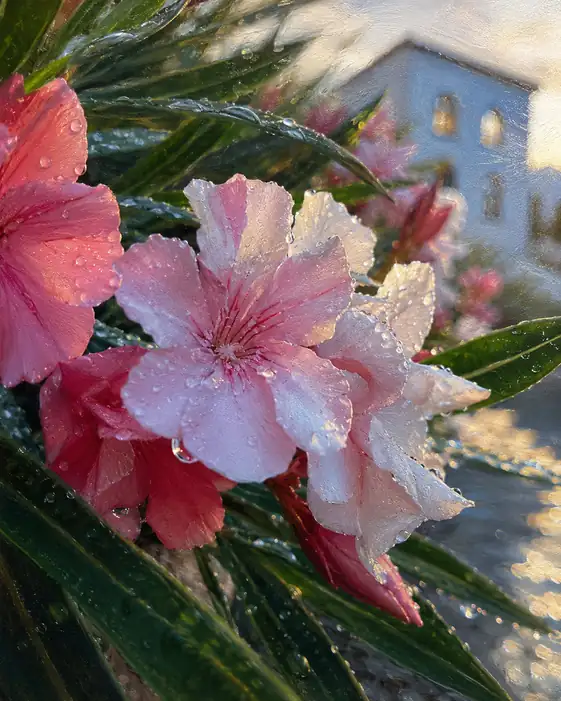 Morning Dew upon the Oleander
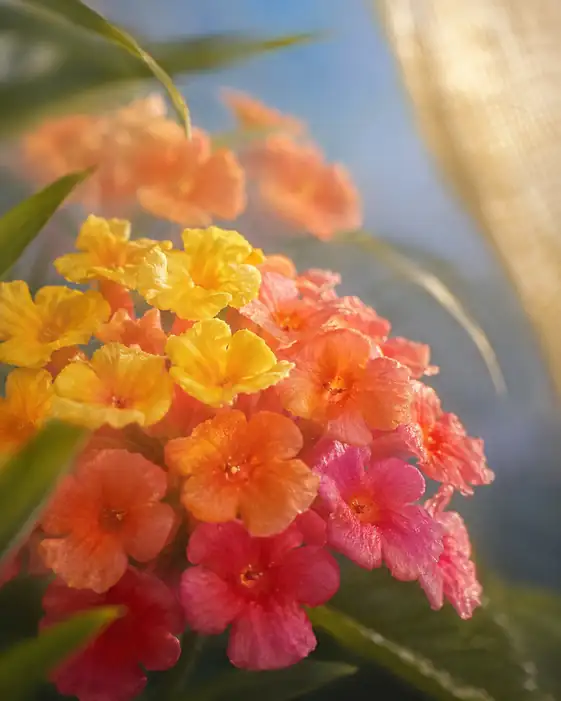 Morning Melody of Changing Hues
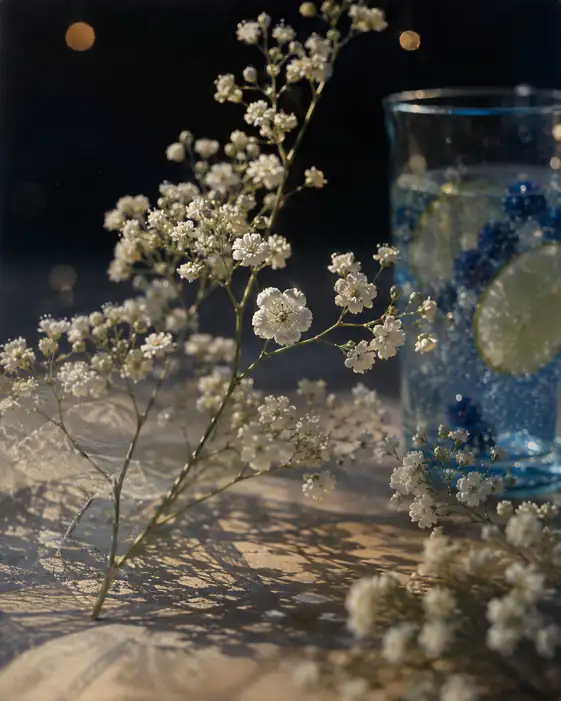 Baby's Breath and Iced Citrus Soda
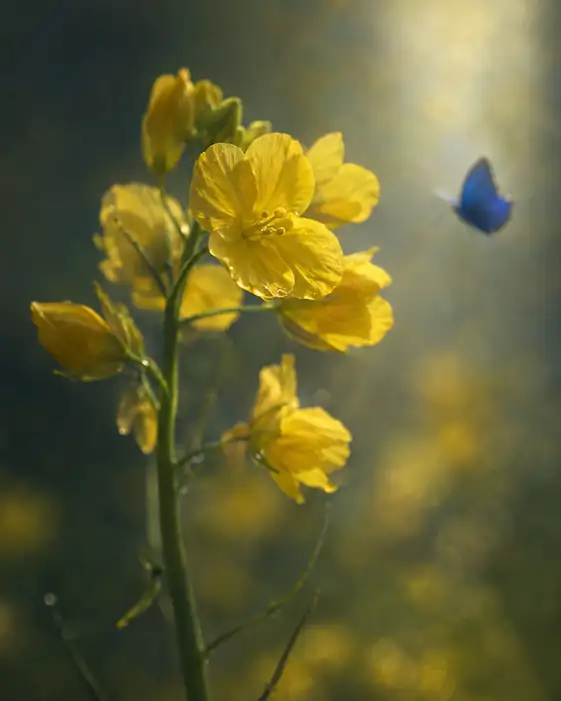 Blue Butterfly and Sunlit Canola Flower