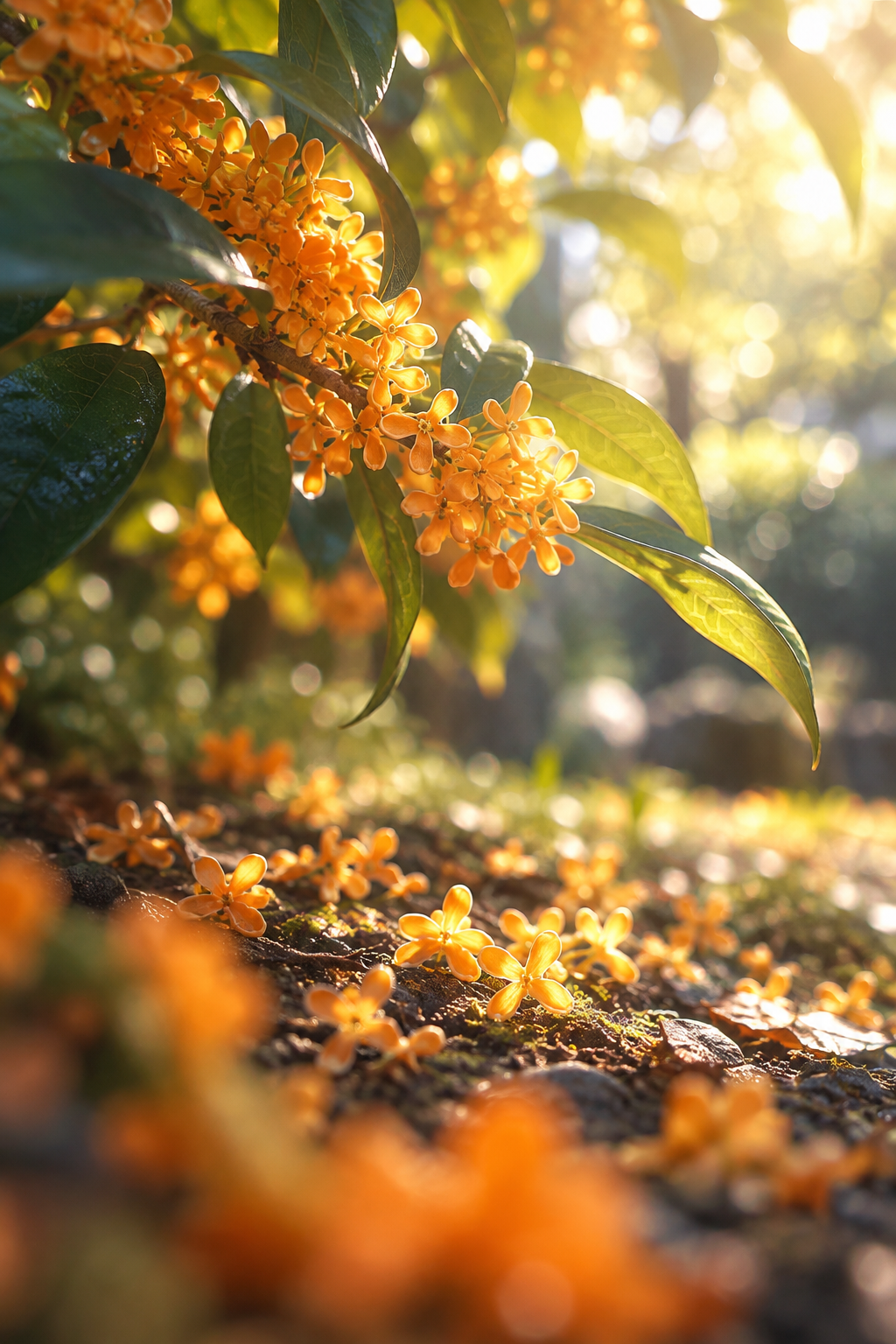
The Fragrance That Fell to Earth
Critique
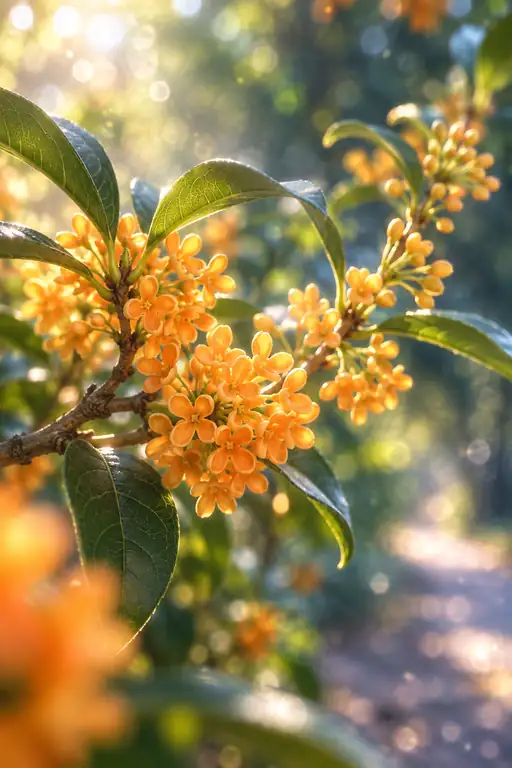
1. Introduction This deeply poetic landscape painting captures flowering boughs of sweet osmanthus raining tiny golden blossoms upon a mossy forest floor in an autumn garden. Celebrating both the fragrant climax of full bloom and the tender elegance of fallen petals, the composition presents an evocative meditation on natural cycles, fragrance, and seasonal transience. 2. Description The upper composition is draped in dense clusters of star-shaped four-petaled orange florets nestled among glossy evergreen leaves. Below, innumerable fallen blossoms scatter like miniature stars across damp earth and velvet moss, catching radiant autumn sunbeams. Soft orange foreground bokeh hovers near the lower edge, while warm light rays pierce through the canopy in luminous atmospheric shafts. 3. Analysis The visual architecture pairs the vibrant vegetative canopy above with the textured carpet of fallen flowers below, linked by the dynamic diagonal trajectory of descending light. An assertive chromatic balance contrasts rich tangerine hues against earthy woodland mosses and deep umbers. The transition from soft foreground blur to sharp ground details establishes remarkable spatial intimacy and tactile depth. 4. Interpretation and Evaluation The painting honors the traditional Japanese sensibility that cherishes the scattered aftermath of flowering just as deeply as its initial peak. By showing the ground transformed into a glowing tapestry of fallen gold, the artist frames departure not as decay, but as a generous, beautiful transformation. The work visualizes the intoxicating seasonal perfume, offering the spectator a peaceful journey through autumn woods. 5. Conclusion Executed with radiant illumination, textural precision, and lyrical depth, this artwork represents a triumph of observational realism. It leaves the viewer thoroughly refreshed, enveloped in a lasting aura of seasonal warmth, serene acceptance, and sweet natural wonder.
Same Subcategory
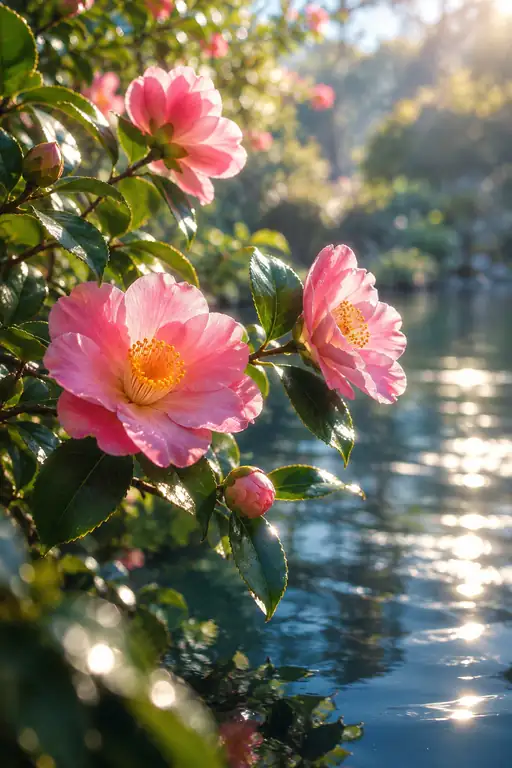 The Pond Keeps Their Pink
Similar Artworks
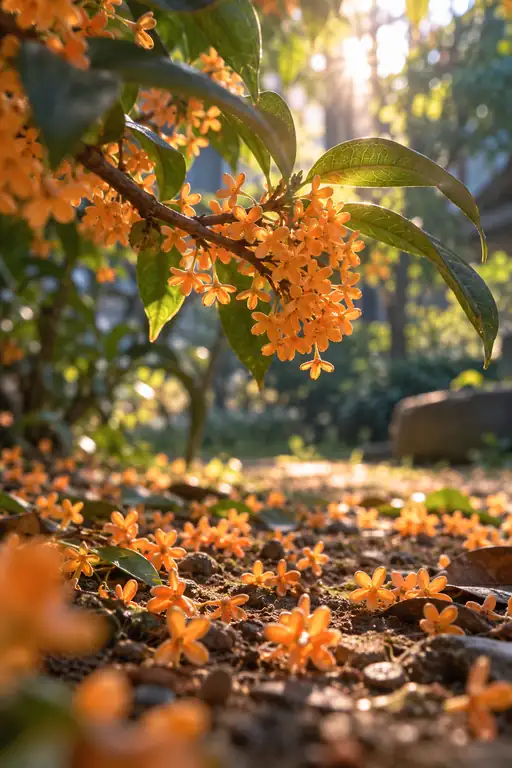 The Fragrance Between Branch and Earth
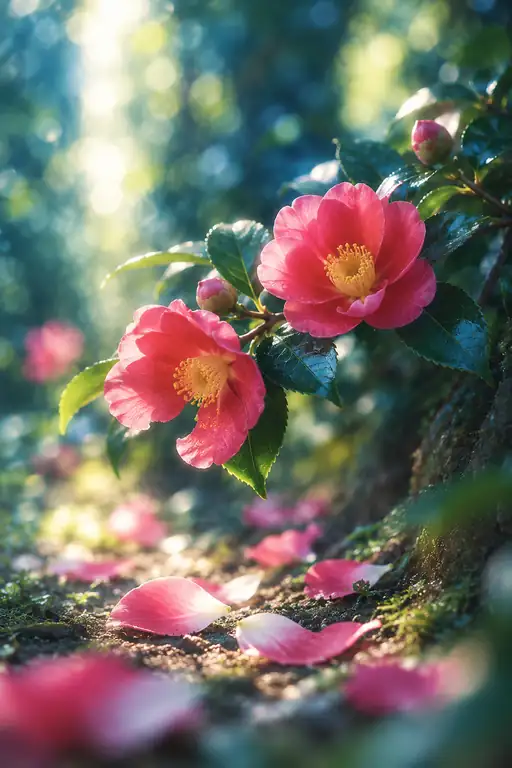 Petals Returning to Moss
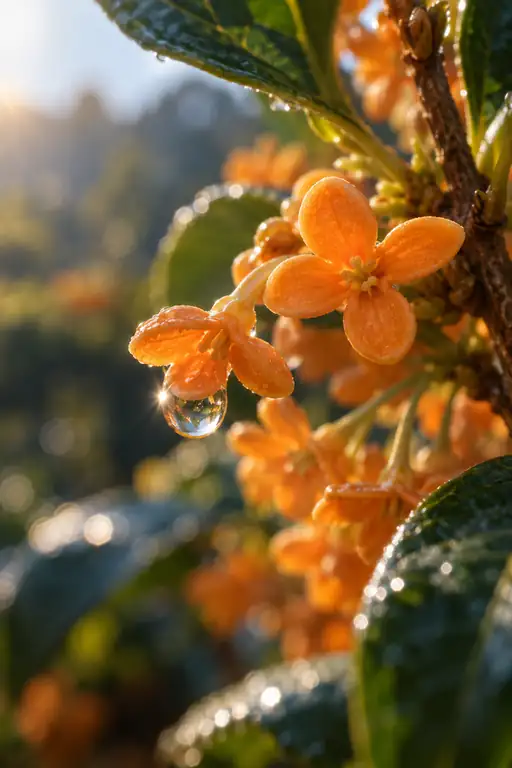 A Drop Holds the Autumn Sun
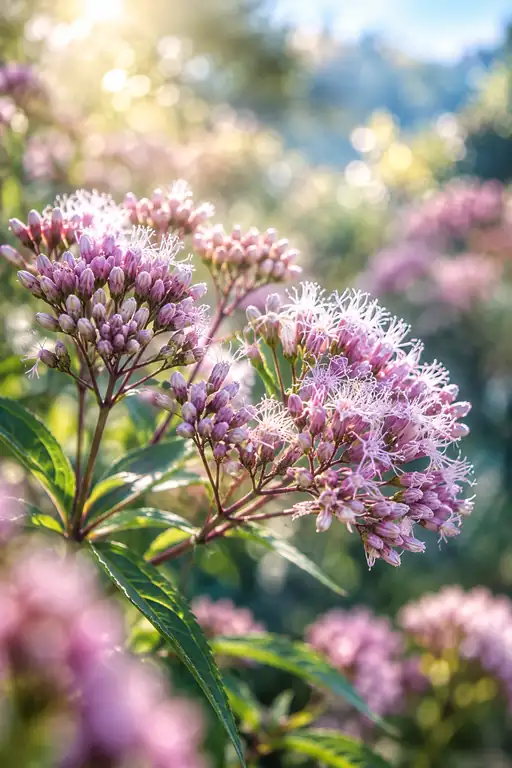 Morning Unravels in Lavender
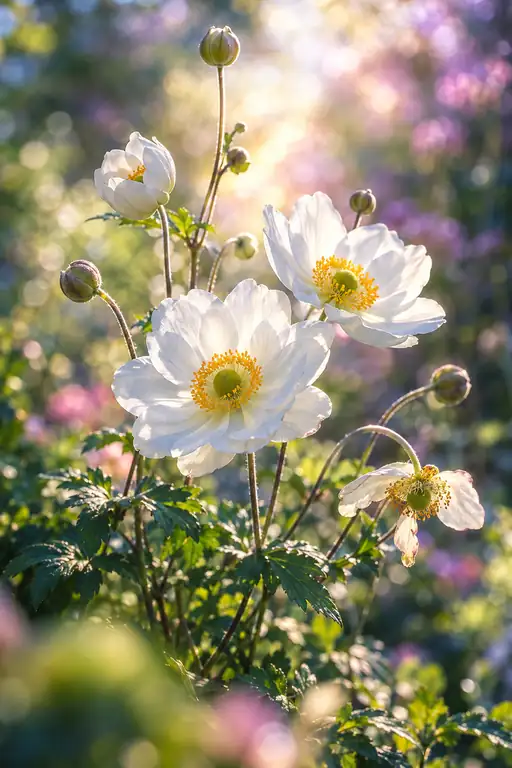 Every Morning Has Another Bloom
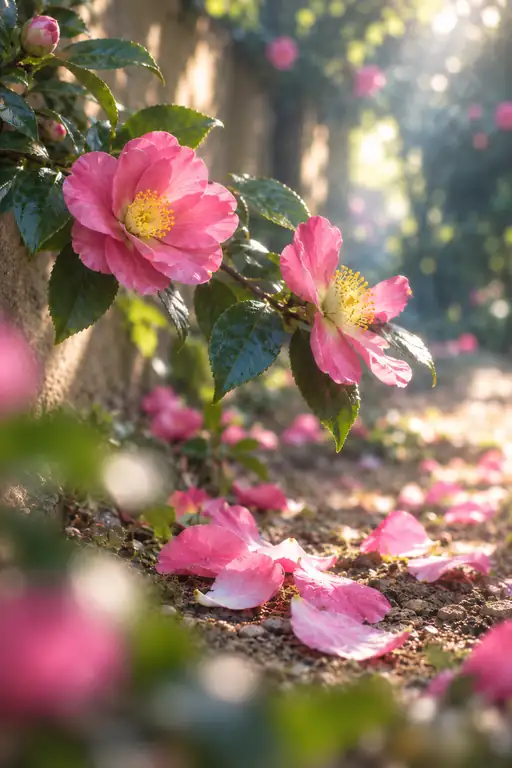 Still Blooming, Already Remembered
 Fragrant Clusters Along the Promenade
 Fragrant Gold Beside the Shimmering Pond
 White Holds the Passing Light
 The Scent That Finds Me Again