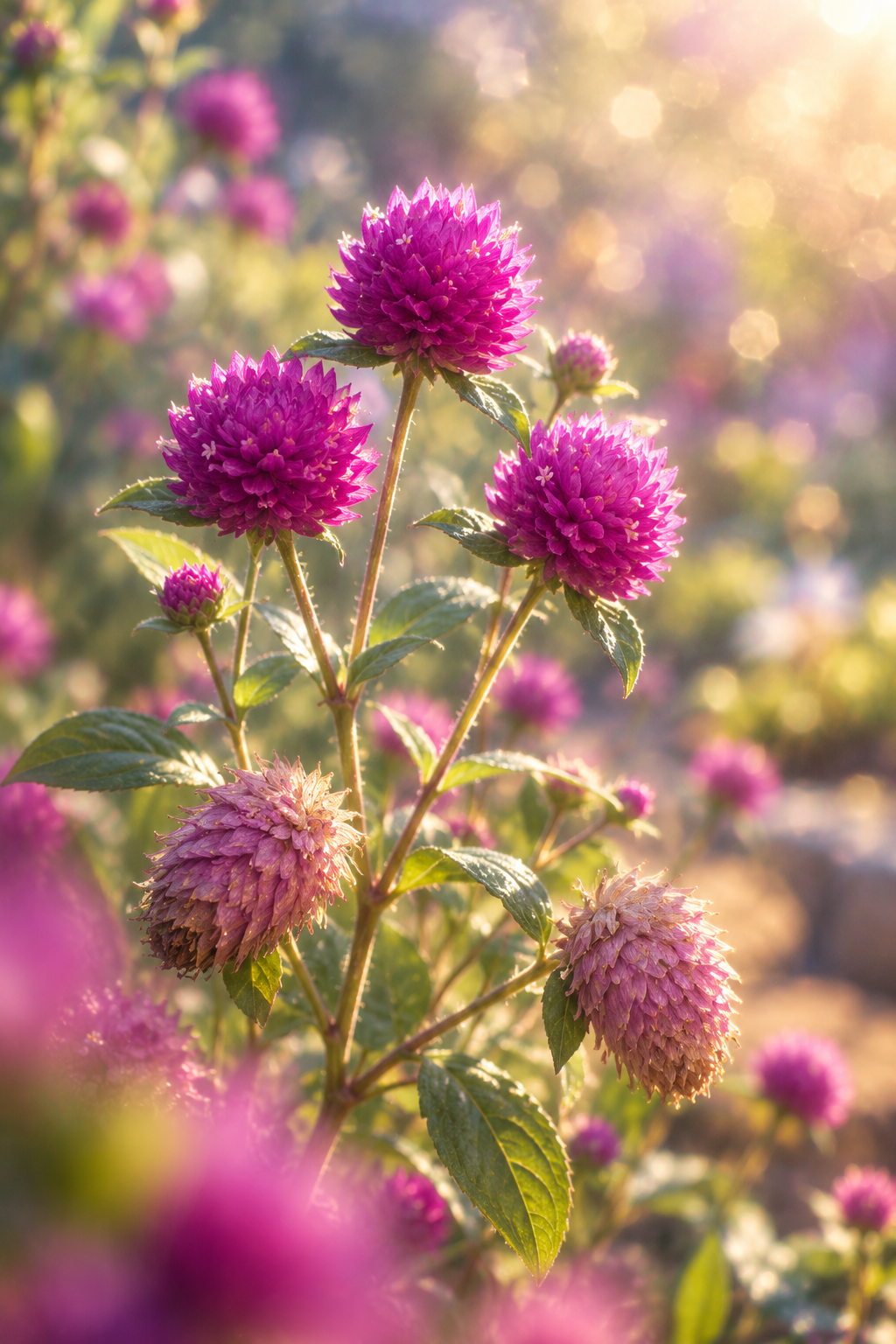
The Color Time Cannot Take
Critique
1. Introduction This thoughtful botanical painting portrays a single globe amaranth plant bearing both fully blossomed magenta flowers and mature, desiccated seed heads along its lower stem. Exploring the coexistence of vibrant peak and quiet senescence within a single living organism, the composition presents a dignified meditation on temporal progression and organic fulfillment. 2. Description The upper tier of the plant flourishes with three spherical flower heads in rich fuchsia, their papery bracts gleaming with morning vitality. Directly below, two older blossoms have elongated and faded into rustic straw-gold and dusty rose, gently drooping as their seeds mature. Pubescent stems and lanceolate leaves catch warm backlighting beneath a glowing background of soft hexagonal bokeh discs. 3. Analysis The visual architecture relies on an insightful vertical stratification, placing buoyant youth above weathered maturity. The striking color contrast between saturated magenta and muted earth tones maps the passage of time across the physical anatomy of the plant. Meticulous textural rendering captures the downy pubescence of the stems alongside papery aged bracts, unified by golden ambient illumination. 4. Interpretation and Evaluation The painting expands upon the symbolic reputation of the globe amaranth by embracing its natural dried state as an equally worthy aesthetic phenomenon. Rather than editing out aging elements, the artist celebrates the completeness of natural cycles, framing senescence as fulfillment. This reverent observational approach transforms a garden perennial into a profound emblem of endurance and grace. 5. Conclusion With its botanical draftsmanship, nuanced handling of natural light, and philosophical depth, this painting stands as a distinguished work of observational realism. It leaves the viewer with a profound appreciation for life's unfolding journey, offering a timeless sense of peace and natural truth.
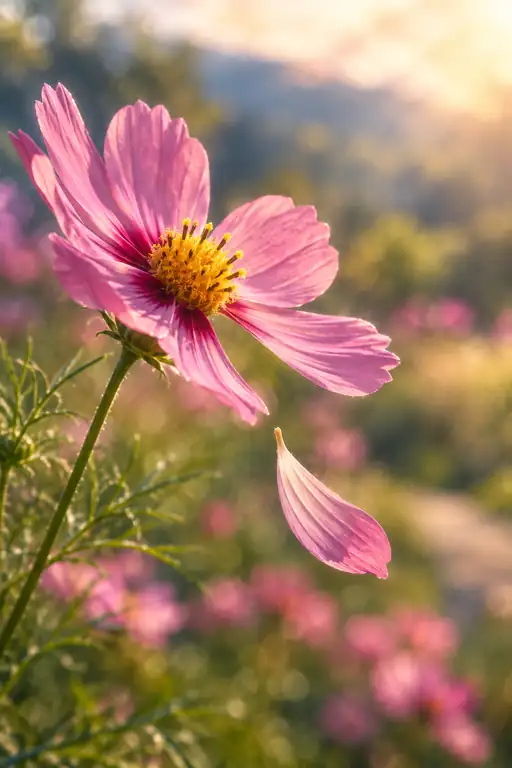 One Petal Takes Its Leave
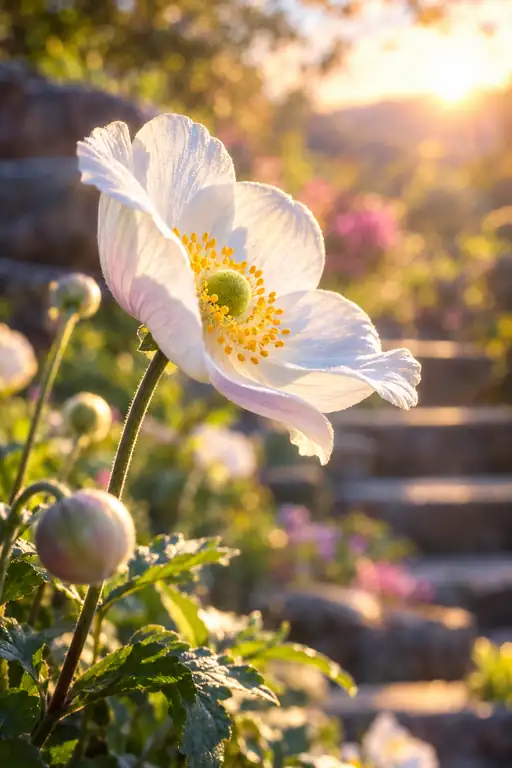 A White Flower Along the Old Steps
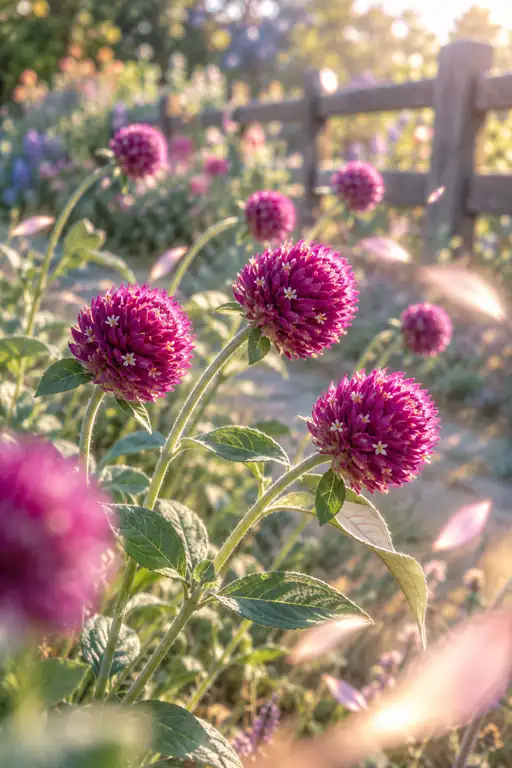 Three Small Cheers by the Fence
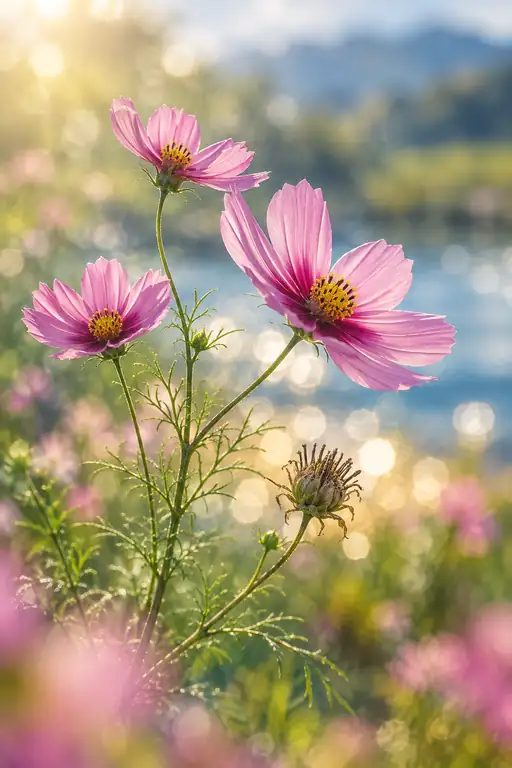 The Bloom and What Comes After
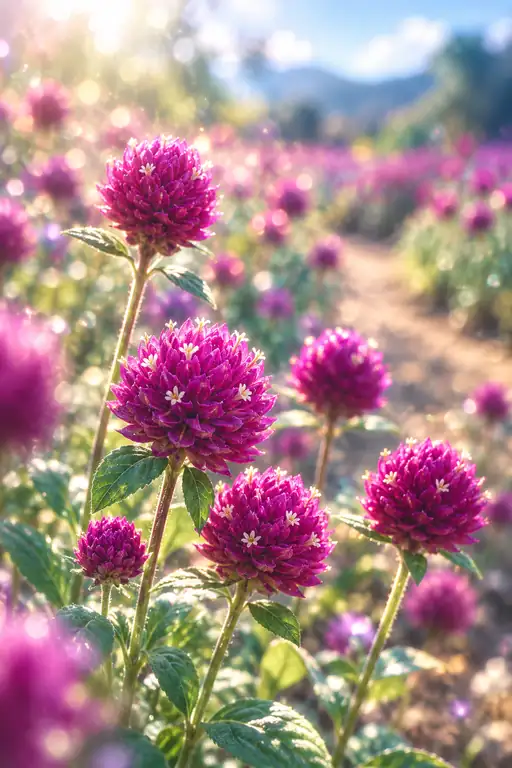 The Path Through Pink Light
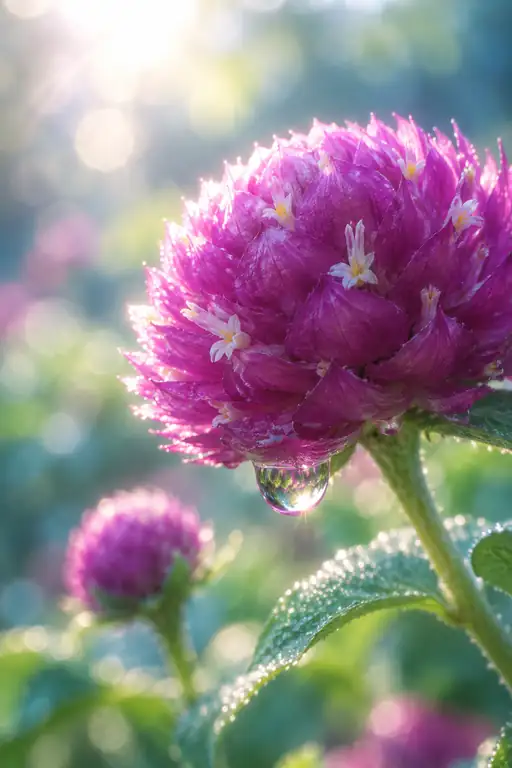 A Whole Sun in One Drop
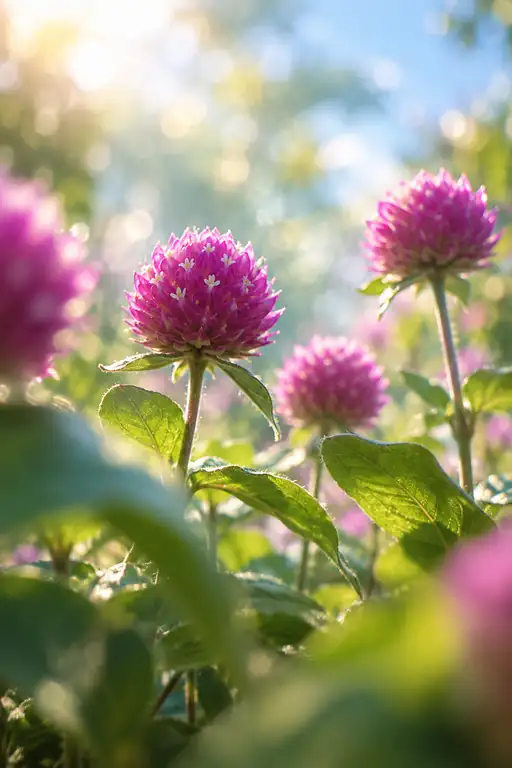 Little Stars in a Purple Sun
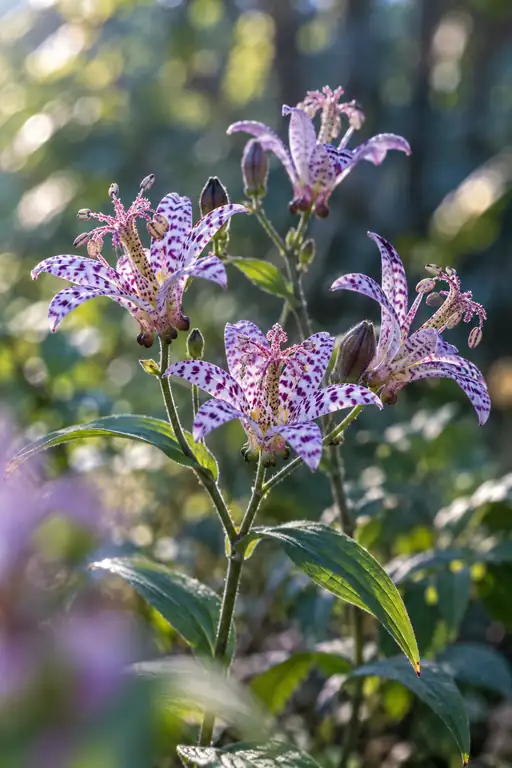 My Quiet Resolve to Bloom
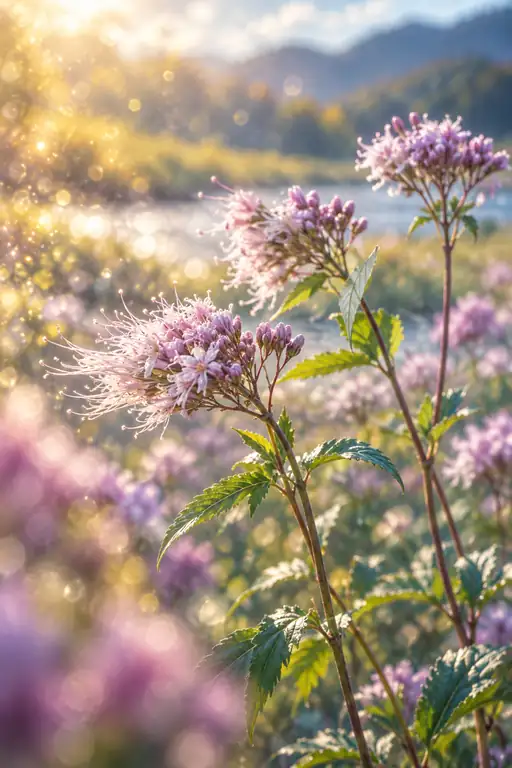 When the Meadow Caught Fire with Light
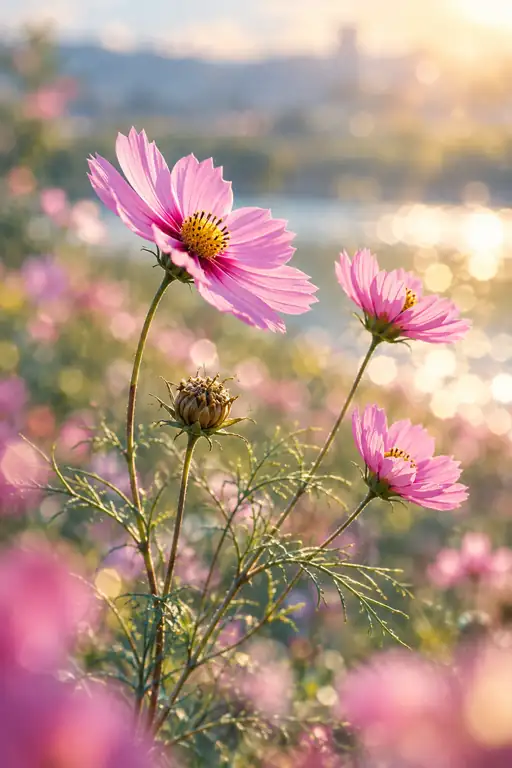 The Light We Leave to Tomorrow
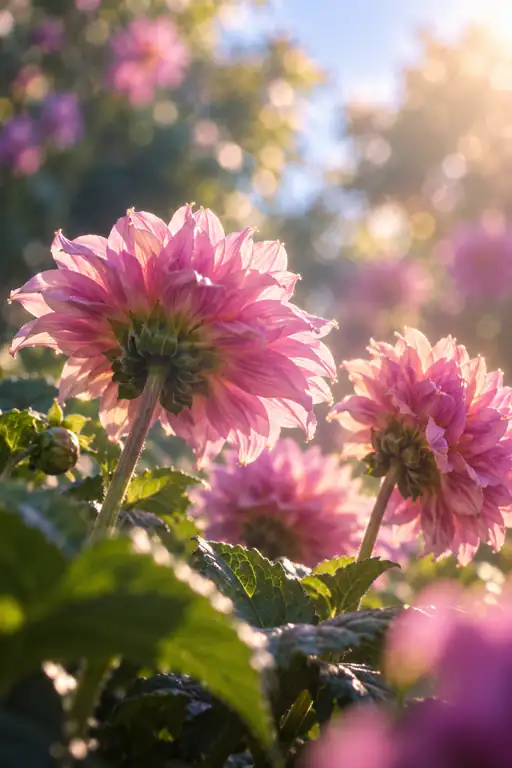 I Bloom Toward the Light