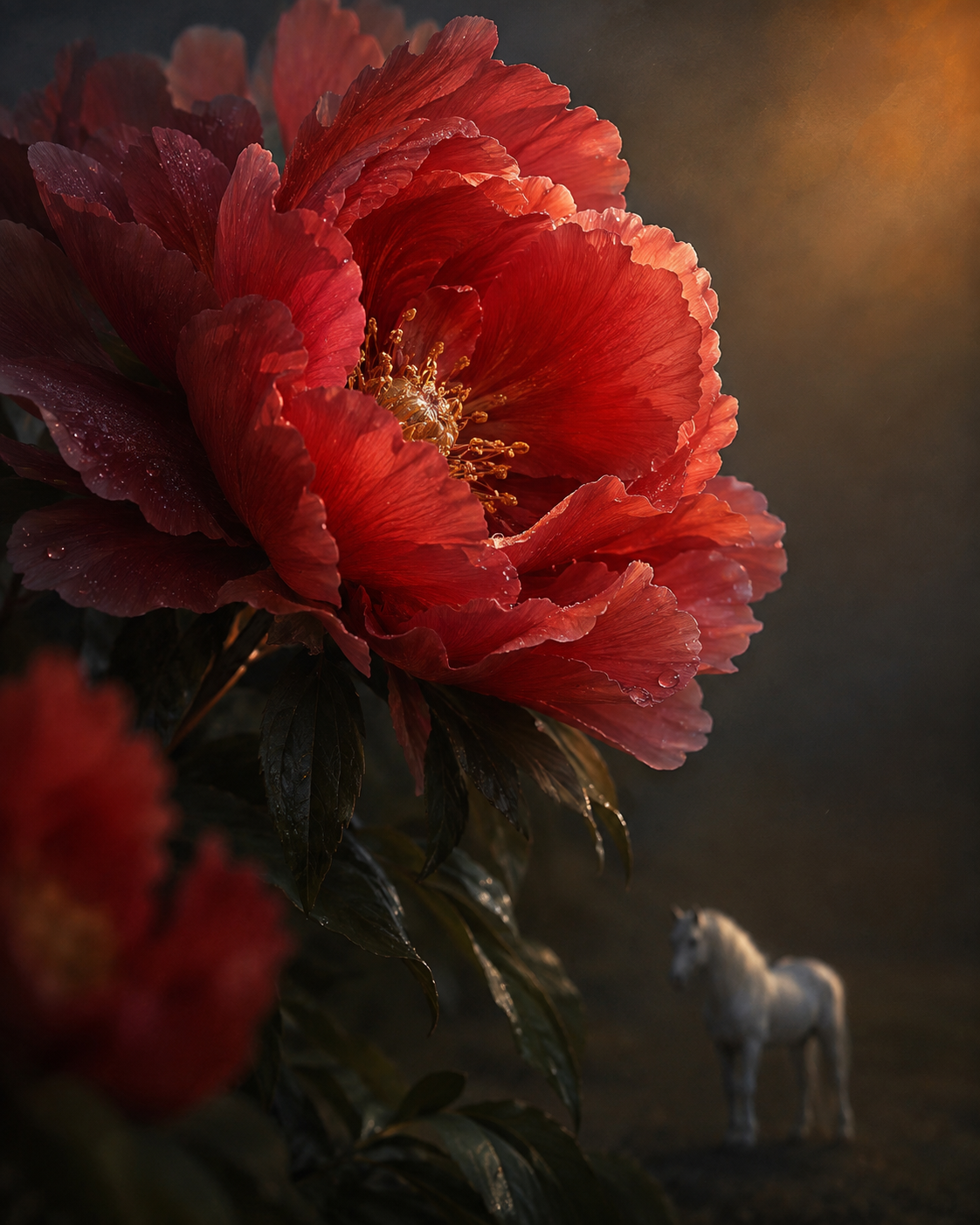
Crimson Reverie and the White Steed
Critique
Introduction This painting turns a flower study into an uncanny encounter. A monumental red peony occupies most of the field, while a small white horse appears in the distant lower right. Their imbalance of scale combines intimate observation with dreamlike breadth. Description Layered coral and crimson petals spread from upper left toward center, marked by wet ridges and droplets. Golden stamens glow within the dense bloom. Dark leaves and brown-green haze surround it, with another red flower dissolving lower left. Opposite, the pale horse stands beneath an amber opening. Analysis The composition depends on a diagonal exchange between flower and animal. Saturated reds and highlights pull the peony forward, while soft focus and small scale push the horse back. Warm illumination unifies petals, mist, and ground. Repeated petal curves produce an outward rhythm, interrupted by the horse’s horizontal silhouette. Interpretation and Evaluation The peony may suggest abundance or heightened perception; the solitary horse introduces freedom and vulnerability. Their separation remains uncertain: the animal could approach shelter or wander through memory. Restraint in the indistinct secondary figure keeps anecdote from overwhelming atmosphere. Conclusion By joining botanical detail to an improbable pastoral distance, the work makes scale a deeply emotional visual device. Its red radiance feels protective and overwhelming in equal measure, leaving the small horse—and the viewer—inside a warm, mysterious silence.
Same Subcategory
Similar Artworks
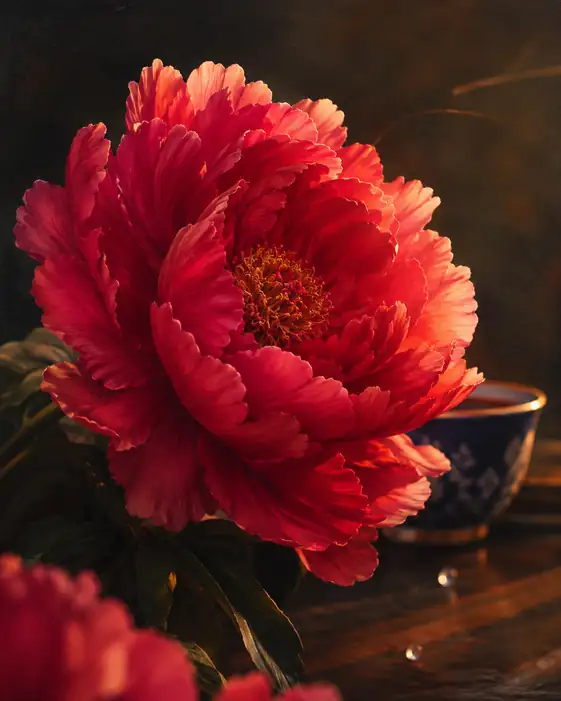 Crimson Banquet in the Evening Glow
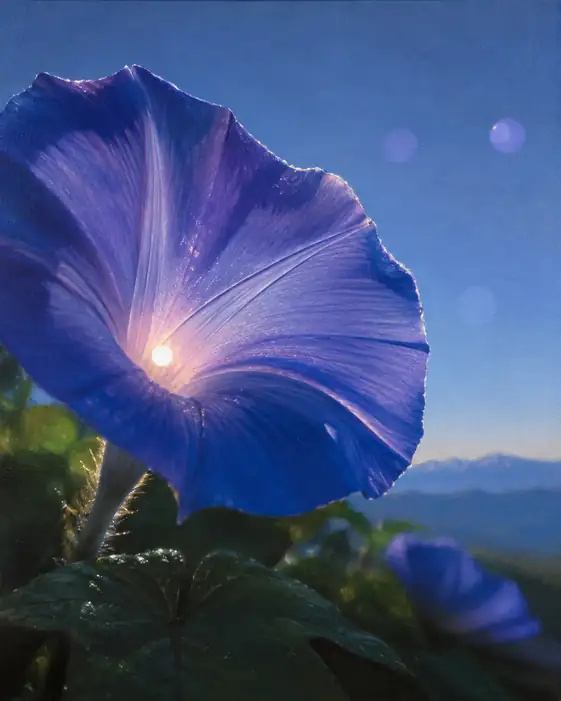 Azure Bloom Cradling the Morning Light
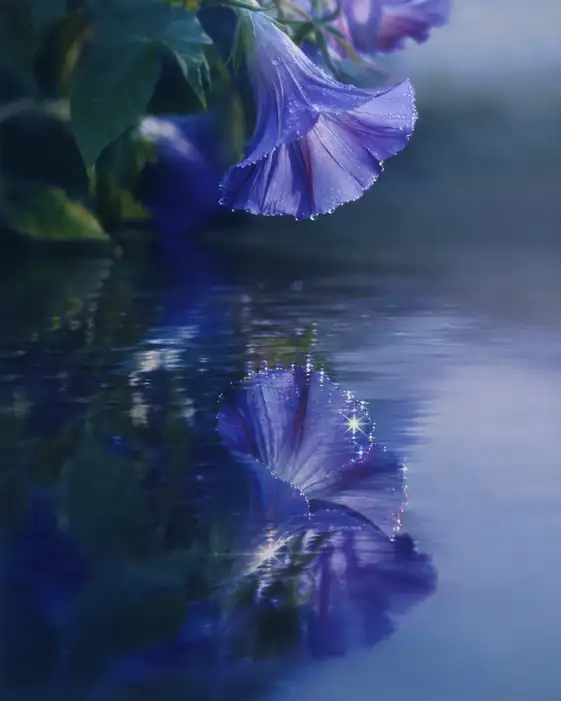 Mirage on the Still Water
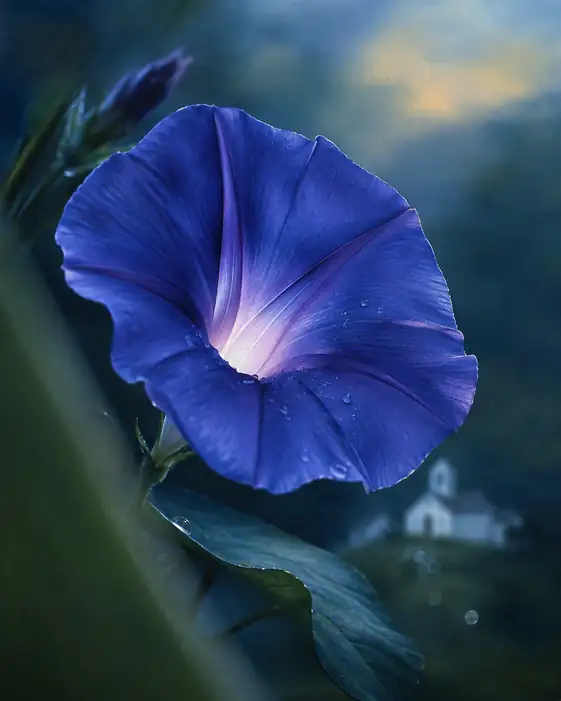 Dawn Prayer and the Azure Corona
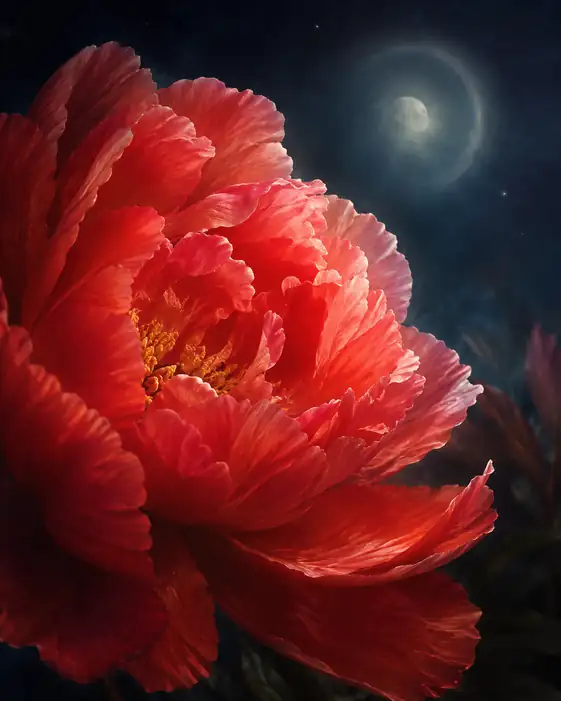 Crimson Bloom Beneath the Haloed Moon
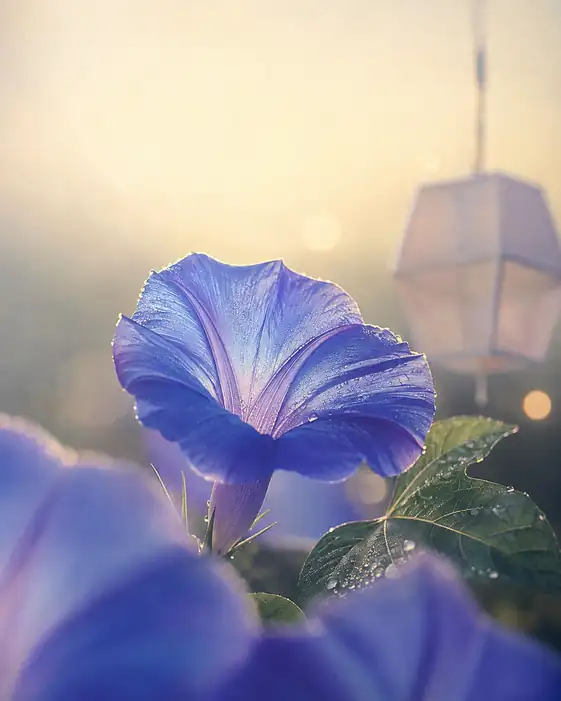 Lantern's Glow over Morning Dew
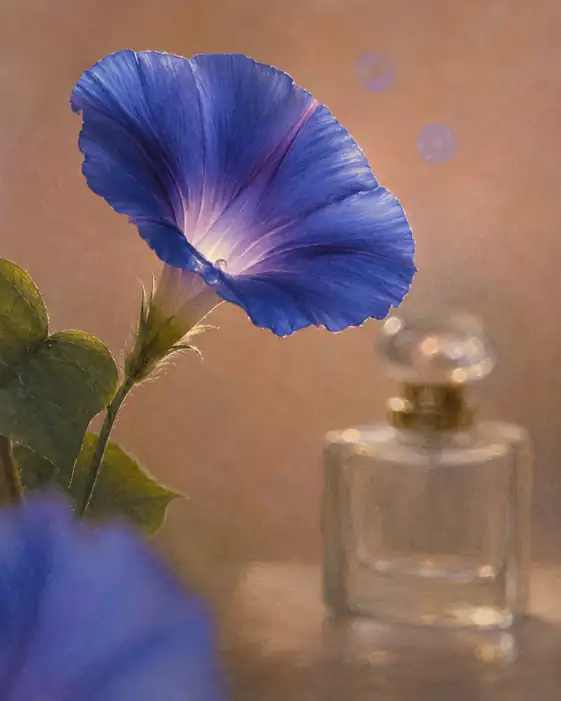 Azure Morning and Scent of Dawn
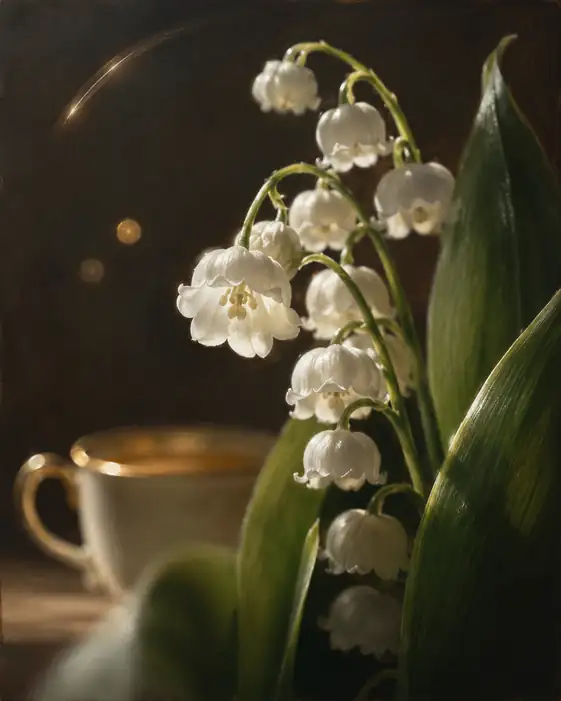 Midnight Tea and Starlit Bells
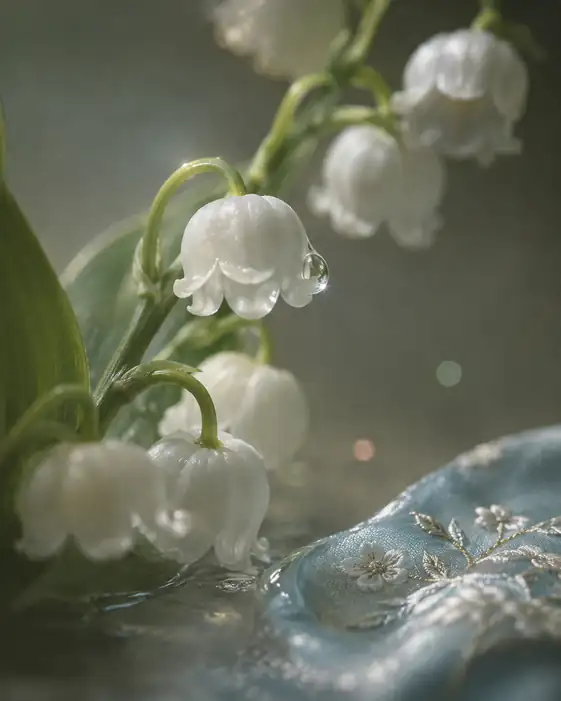 Whispering Dewdrop on Silk and Petals
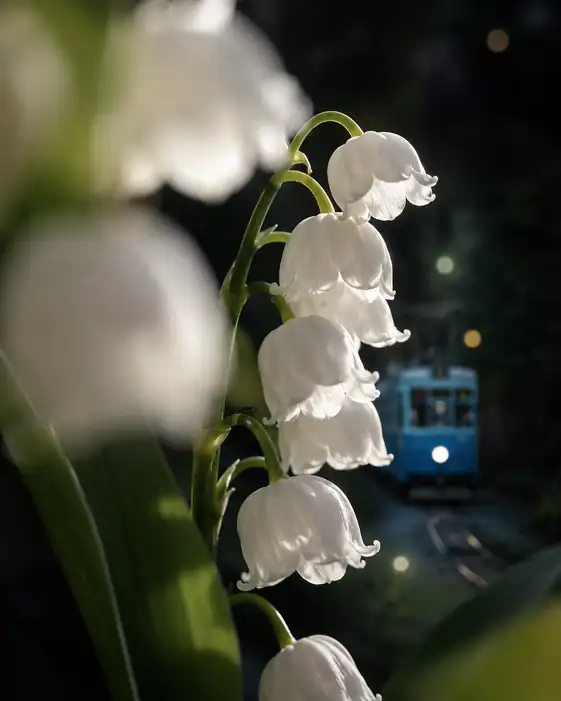 White Bells Along the Night Rails