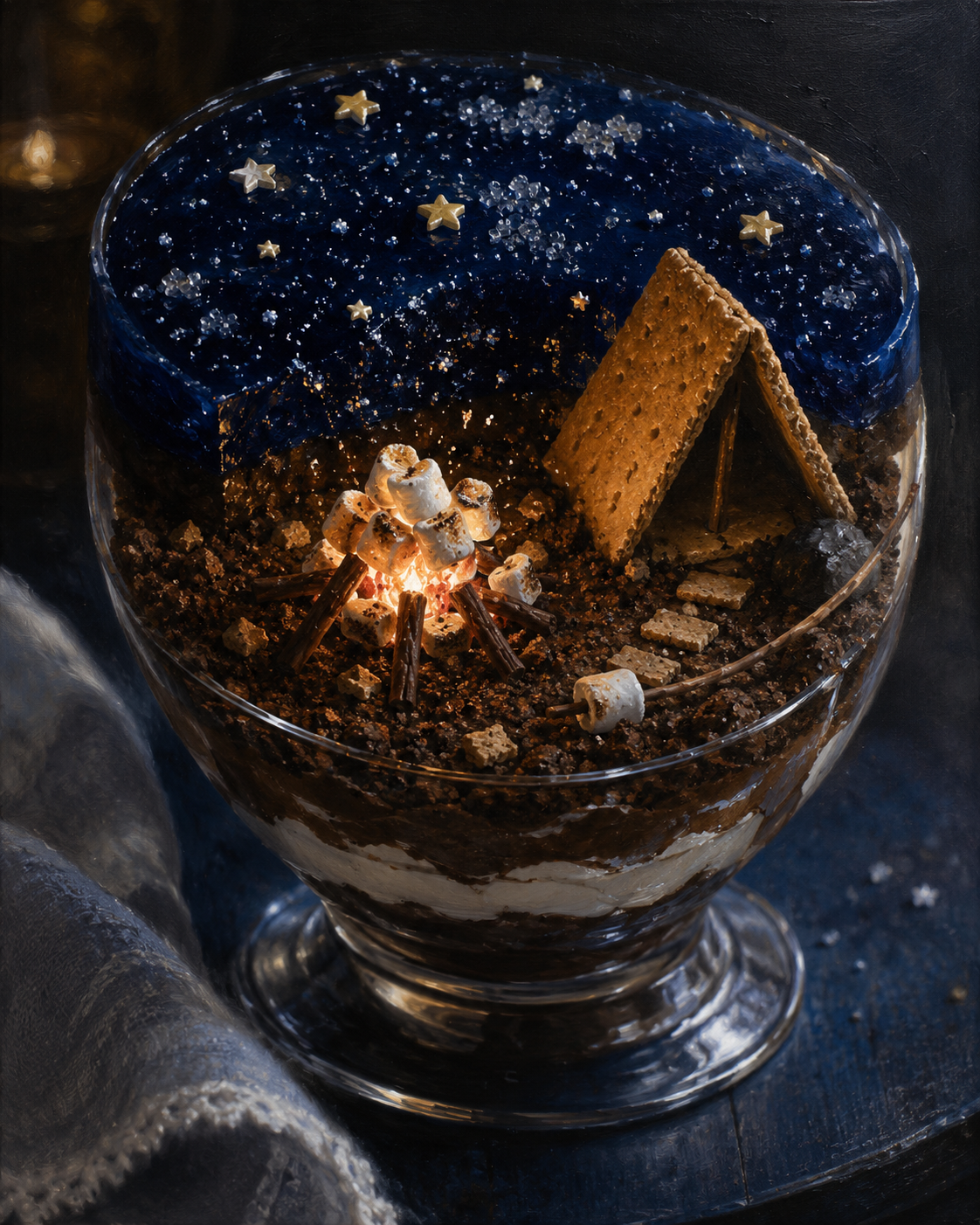
Under a Sky Small Enough to Taste
Critique
Introduction The work transforms a layered dessert in a glass bowl into a nocturnal campsite. Centered and viewed slightly from above, the vessel contains both an intimate glowing scene and a broad dark-blue “sky,” allowing domestic scale and imagined landscape to coexist. Description Chocolate crumbs form uneven ground around a small fire built from dark sticks and toasted marshmallows. A tent made from rectangular biscuits rises on the right, with broken pieces forming a path. Above, glossy navy jelly carries gold stars, crystalline clusters, and scattered points of light; cream and chocolate layers remain visible below. Analysis The bowl’s circular rim encloses the miniature world and concentrates attention on the orange fire. Warm illumination spreads across nearby crumbs and marshmallows, while the tent interior stays nearly black. This local glow opposes the cool, reflective blue dome. Granular soil, porous biscuits, soft cream, faceted sugar, and smooth glass provide an unusually rich sequence of textures. Interpretation and Evaluation Scale is the work’s central invention: familiar ingredients become earth, shelter, flame, and cosmos without losing their edible identity. The diagonal between fire and tent creates narrative tension, while the arcing rim and star field unify the scene. Careful lighting and convincing surface description make the playful illusion persuasive rather than merely decorative. Conclusion An initial impression of novelty gives way to recognition of a disciplined spatial construction. Through restrained warm-cool contrast, precise focal hierarchy, and imaginative material substitutions, the image evokes the comfort of camping while retaining the polished appeal of a composed dessert.
Same Subcategory
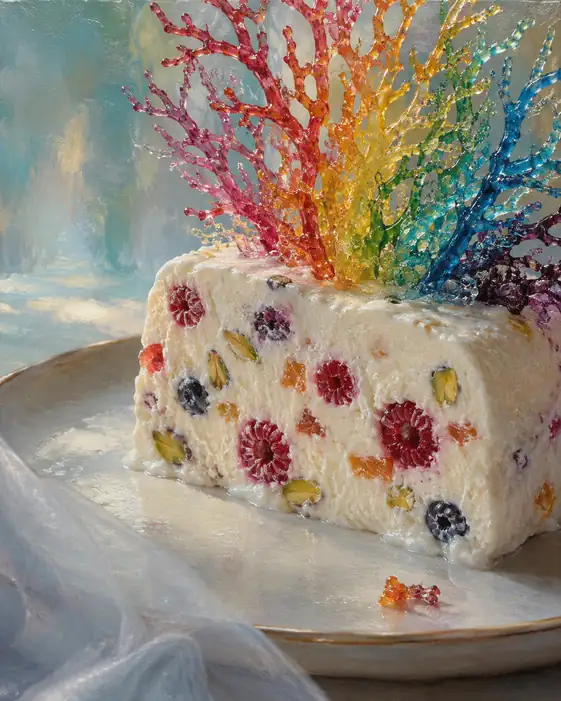 Where a Rainbow Grows from Sweet Winter
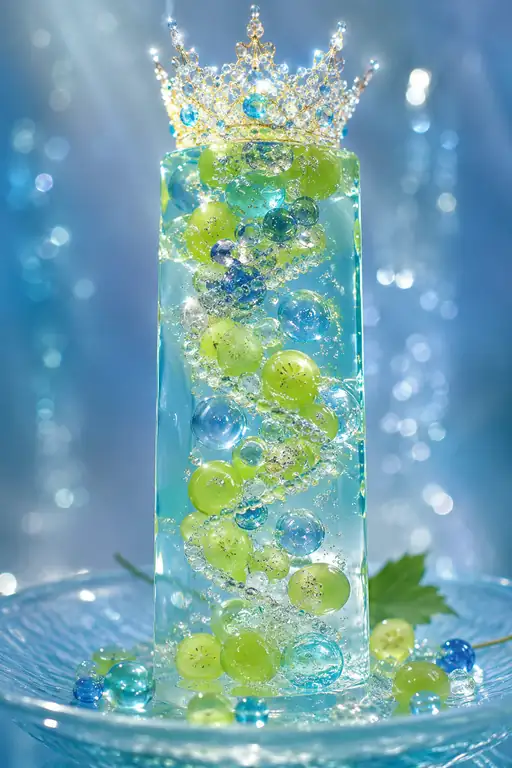 Crowned by the First Drop of Summer
Similar Artworks
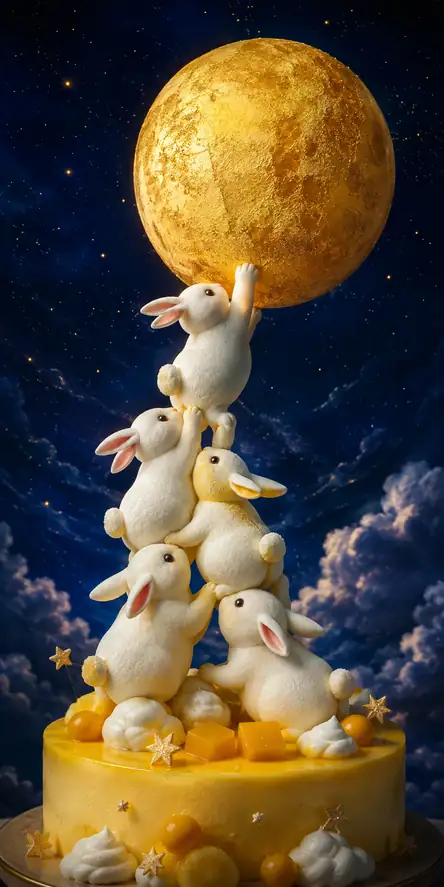 White Rabbits Build a Ladder to the Moon
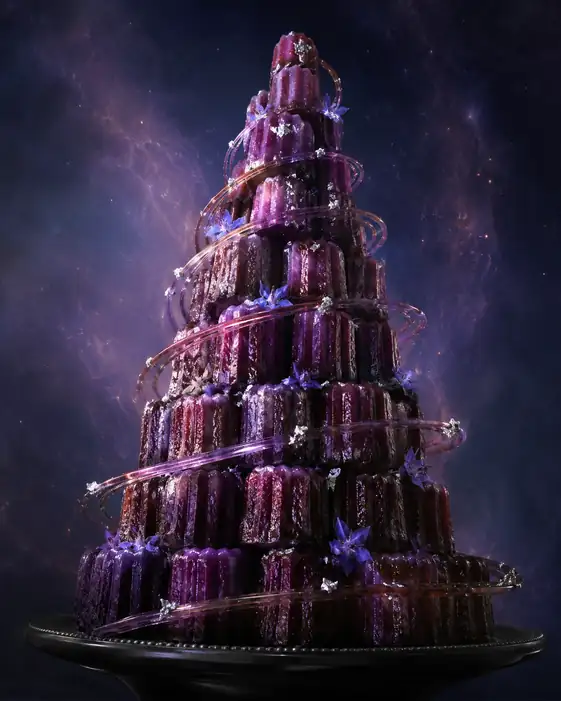 The Canele Tower Summons the Night
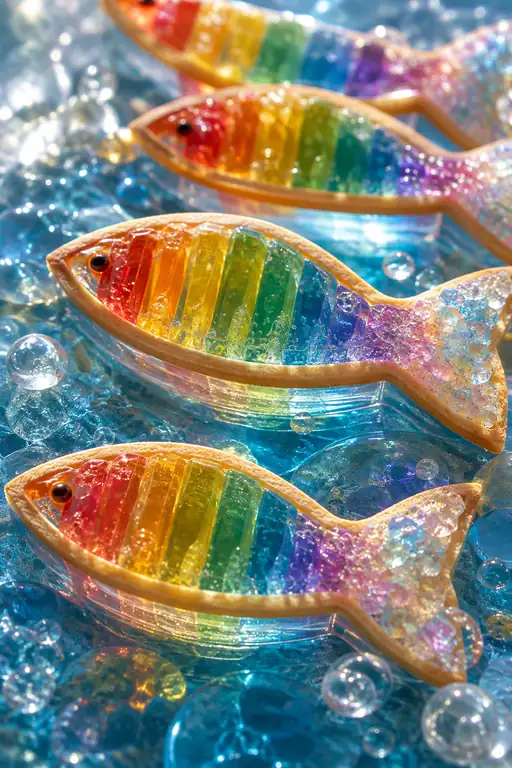 Together Through the River of Colors
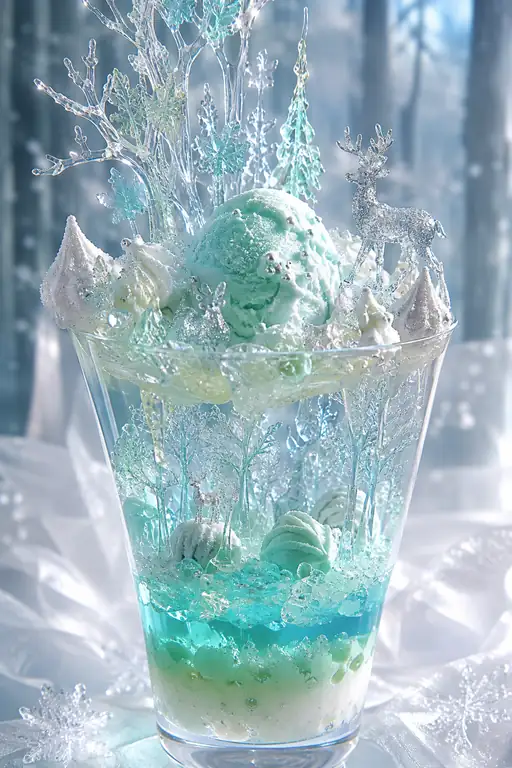 Winter Grows Beyond the Glass
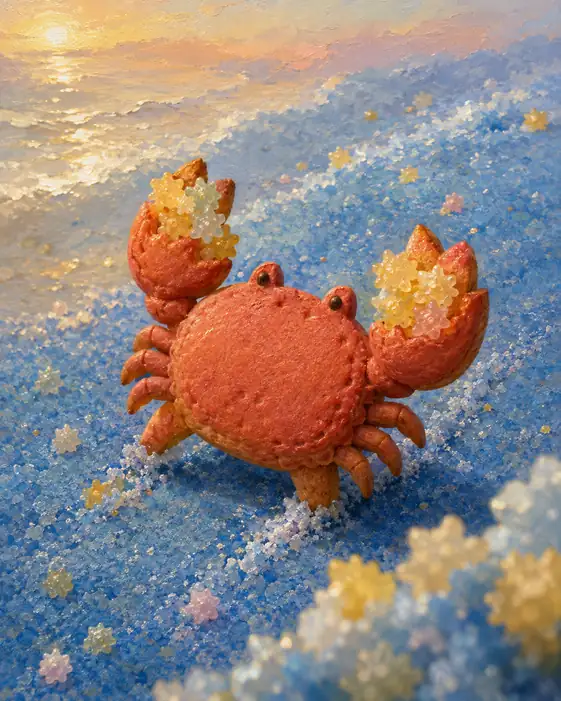 I Brought You Stars from the Shore
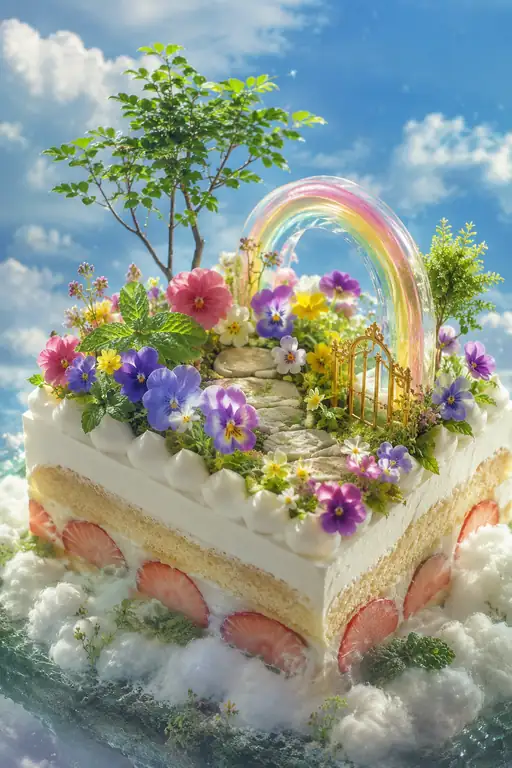 A Rainbow Garden Rises from the Cake
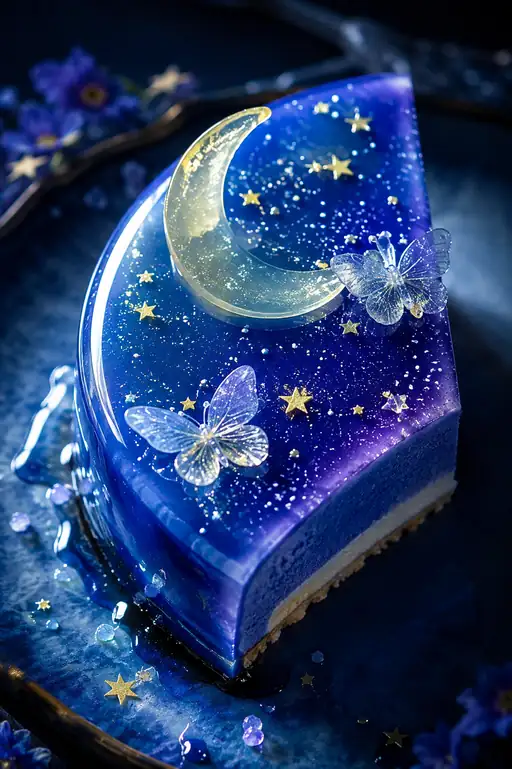 The Moon Sleeps inside a Blue Slice
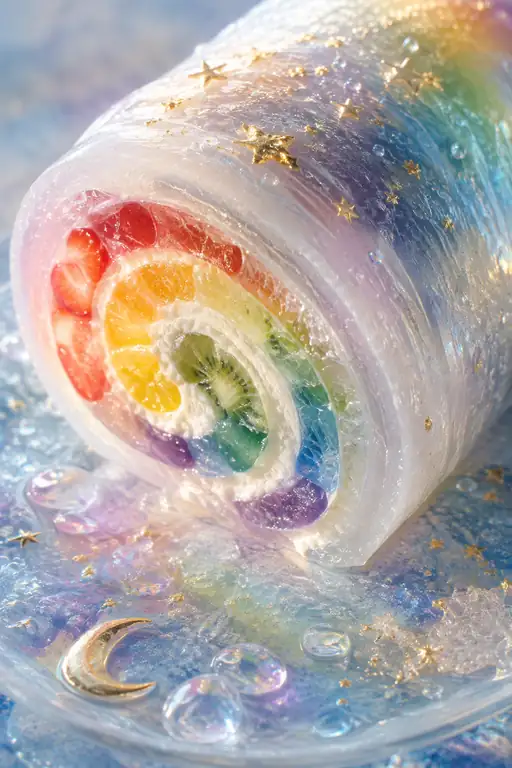 The Sky Rolled Itself Into Sweetness
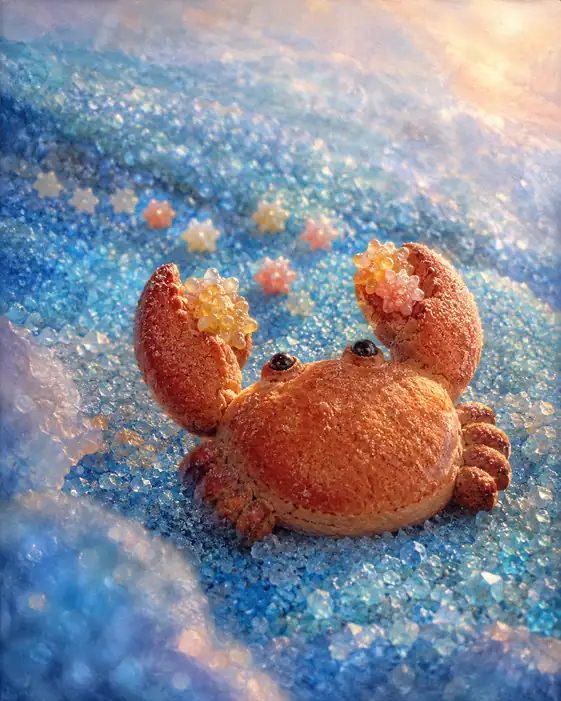 Gifts Gathered from the Morning Tide
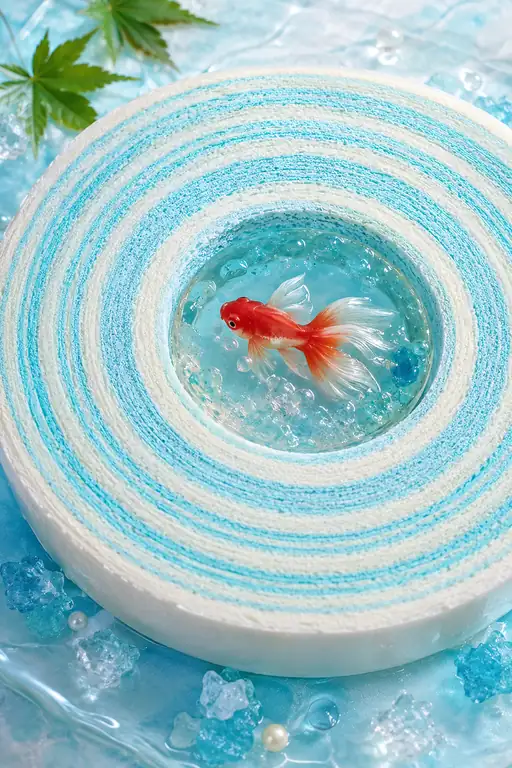 One Red Heart Inside the Ripples