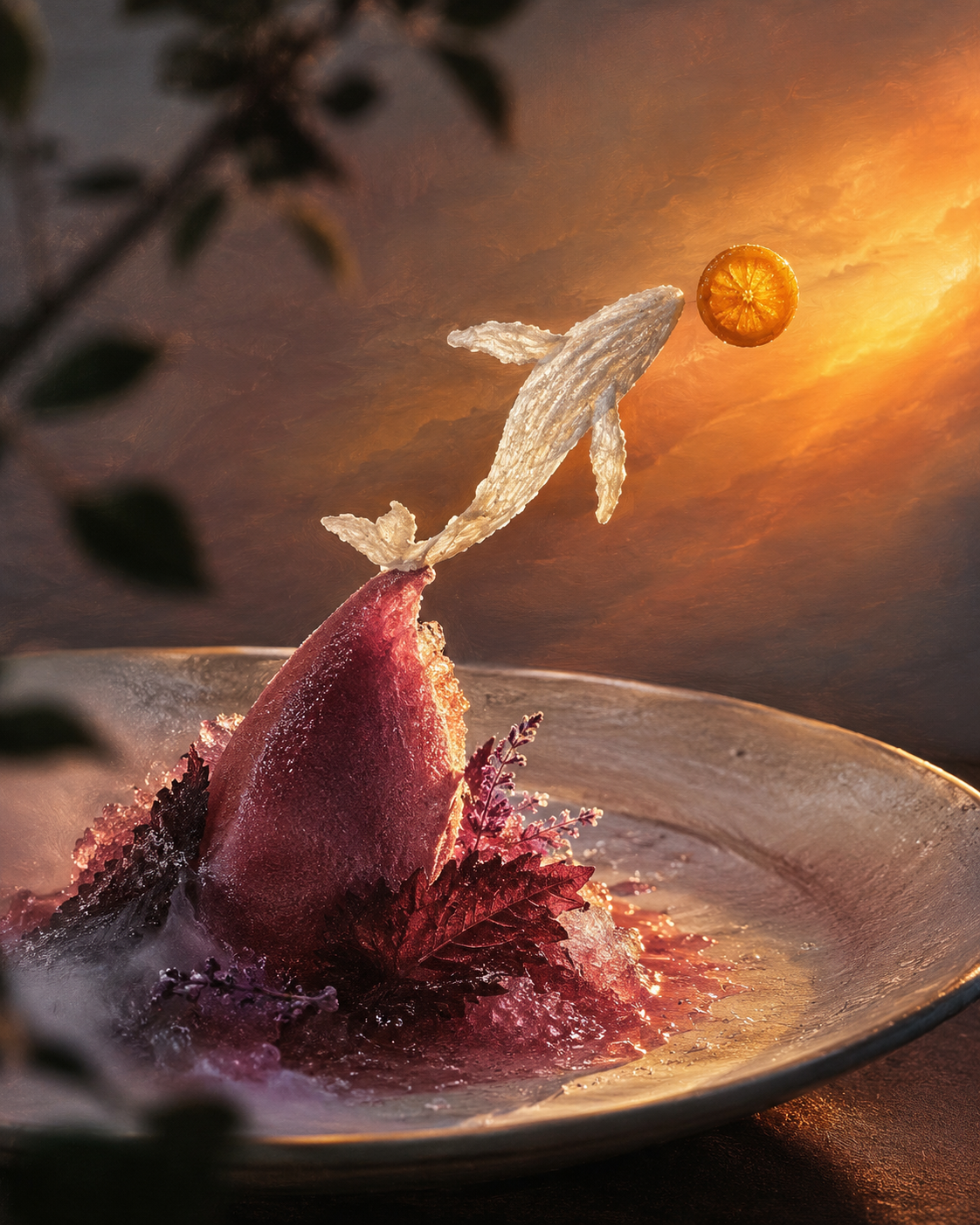
The Whale Who Chased the Last Light
Critique
Introduction A translucent whale rises from a purple-red dessert peak toward an orange sun. Against evening sky, the confection expands into a myth of ascent. Description On a plate stands a burgundy mound with a frosted surface. Red leaves, violet sprigs, pink crystals, and mist cluster around its base. From the summit, a ridged transparent whale curves upward, flippers spread and tail near the peak. An orange slice floats before its snout like a sun. Leaves blur at left. Analysis The mountain, whale, and orange form a rising diagonal from lower center to upper right. Their decreasing scale accelerates the ascent and opens space ahead of the animal. Burgundy anchors the plate, while translucent white and orange catch sunset light. Smooth sorbet, sharp leaves, granular crystals, and ribbed sugar produce tactile contrast. The whale’s curve opposes the mound’s static triangle. Backlight fuses the real sky with the edible objects. Interpretation and Evaluation The whale leaves its native water to pursue a sun made from fruit, turning appetite into migration and impossible hope. The mound may suggest ocean depth crystallized into land. Its red foliage adds autumnal mortality, while the airborne body implies release. The floating orange is literal but effective because its recognizable flavor prevents symbolism from becoming abstract. Structural plausibility is slight, yet the tail’s contact supplies a clear visual launch point. Conclusion At first the impossible leap provides surprise. Longer viewing follows the warm diagonal and recognizes transformation across materials: dark mass becomes clear body, then concentrated light. The piece succeeds by giving aspiration a flavor and destination, while preserving the risk that makes ascent emotionally convincing.
Same Subcategory
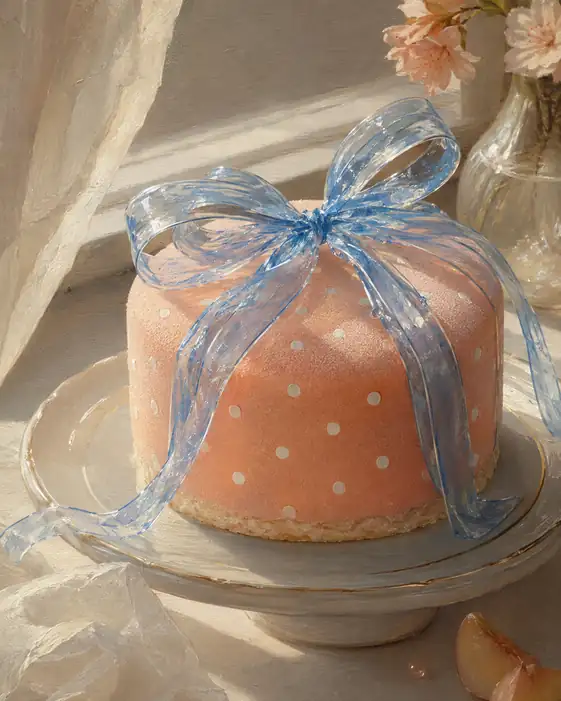 For the One I Have Yet to Meet
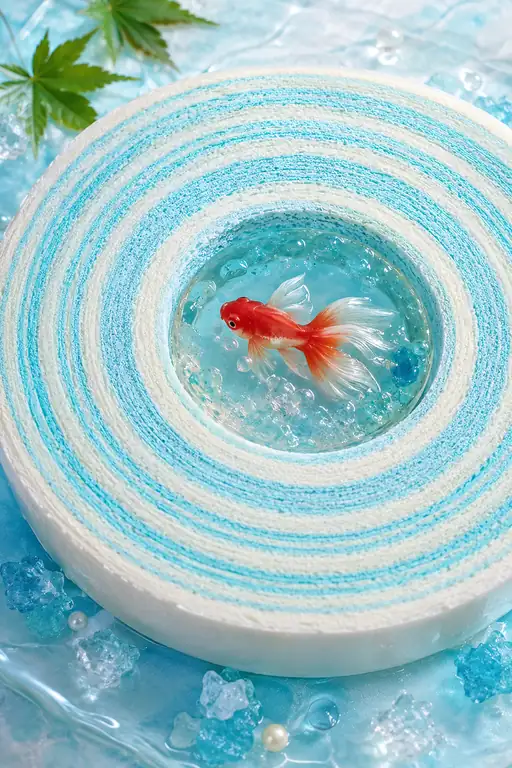 One Red Heart Inside the Ripples
Similar Artworks
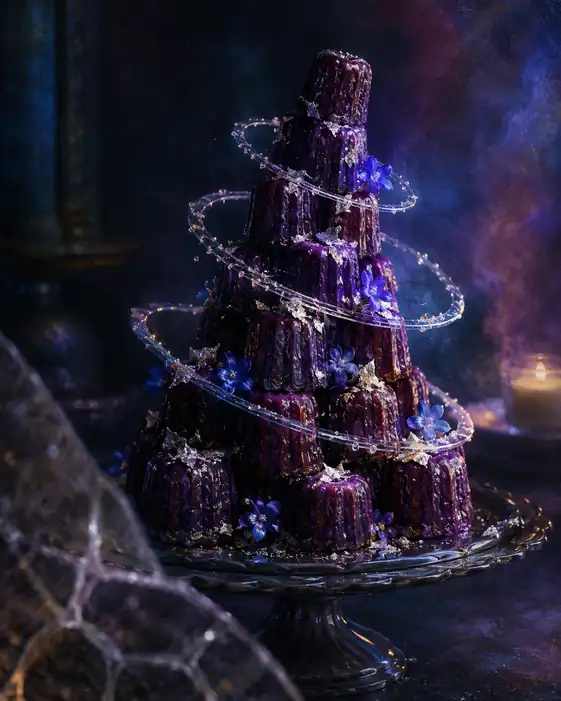 The Night Ascends in Spirals
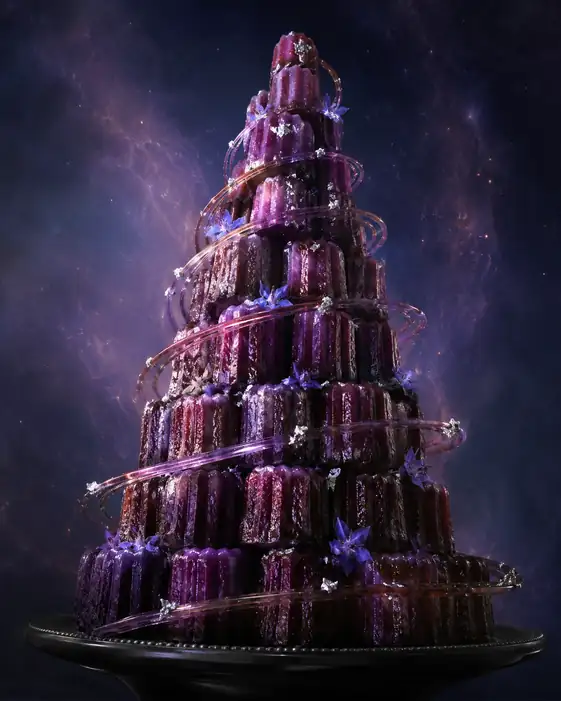 The Canele Tower Summons the Night
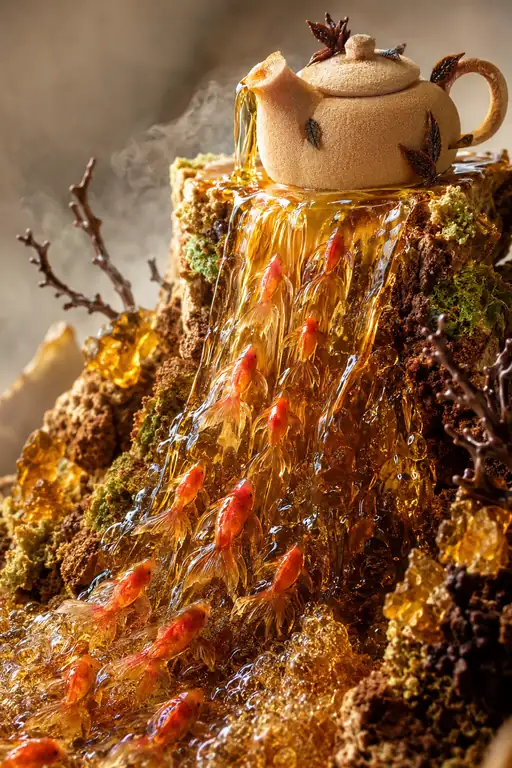 Where the Tea Sets Life Free
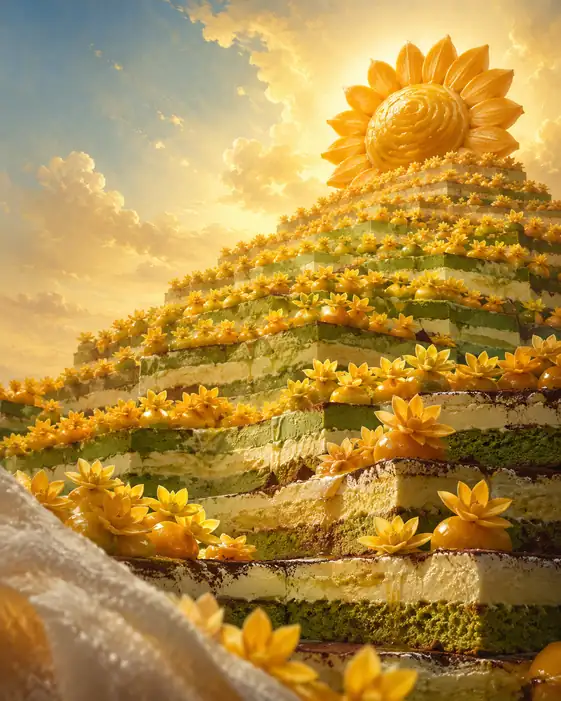 Every Step Already Holds the Sun
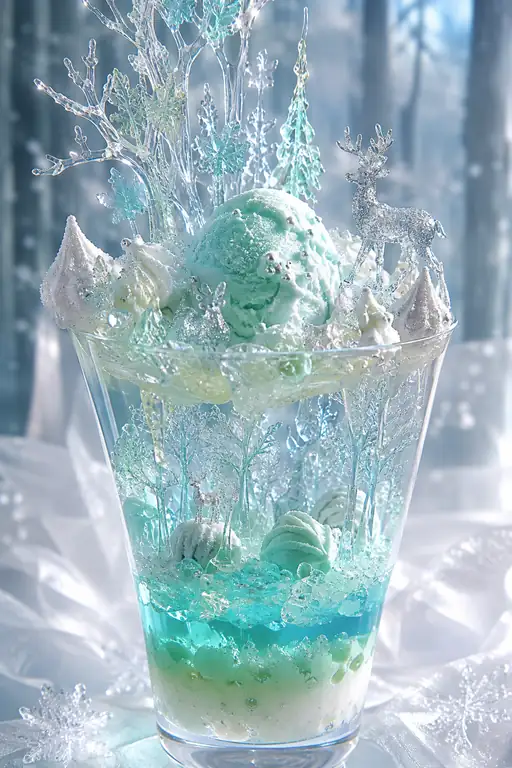 Winter Grows Beyond the Glass
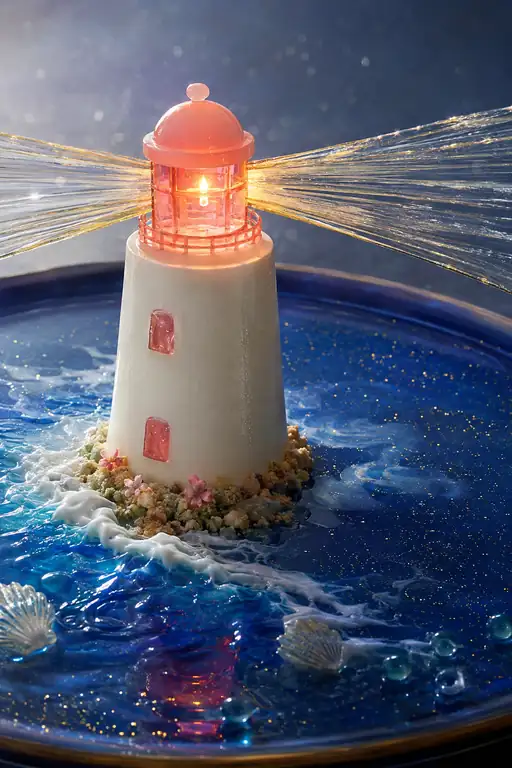 The Lighthouse Sends Sugar Light to Sea
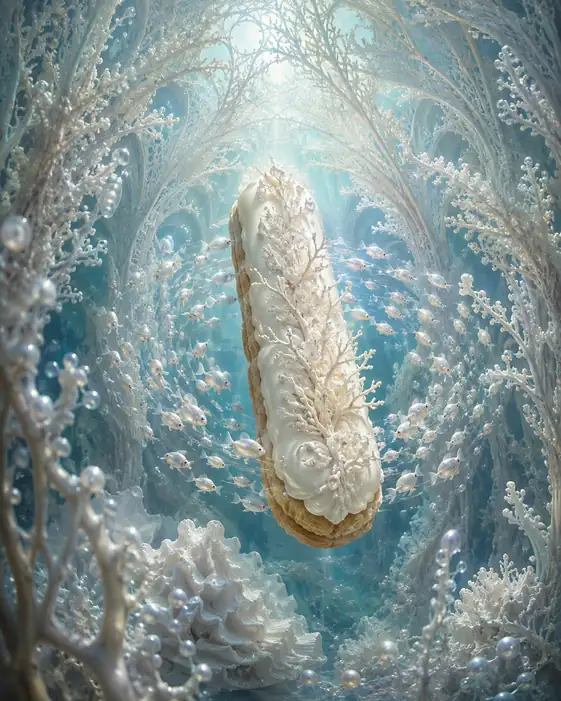 The Stillness All Lives Choose
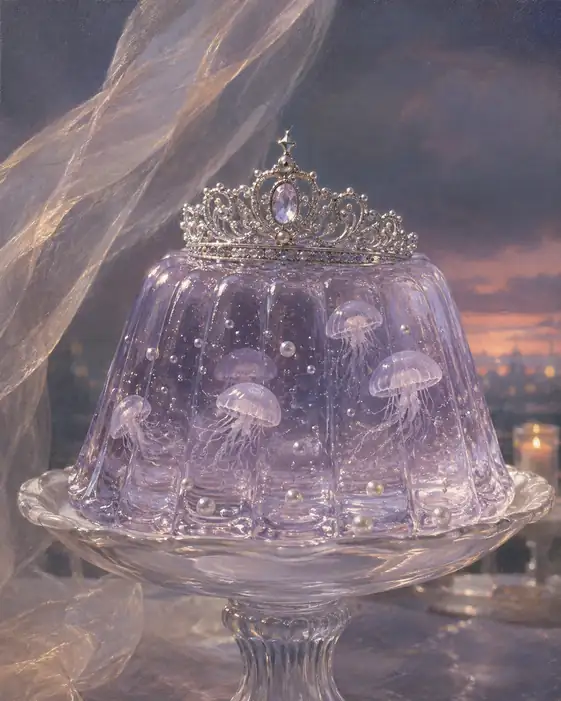 The Crown above the Unruled Sea
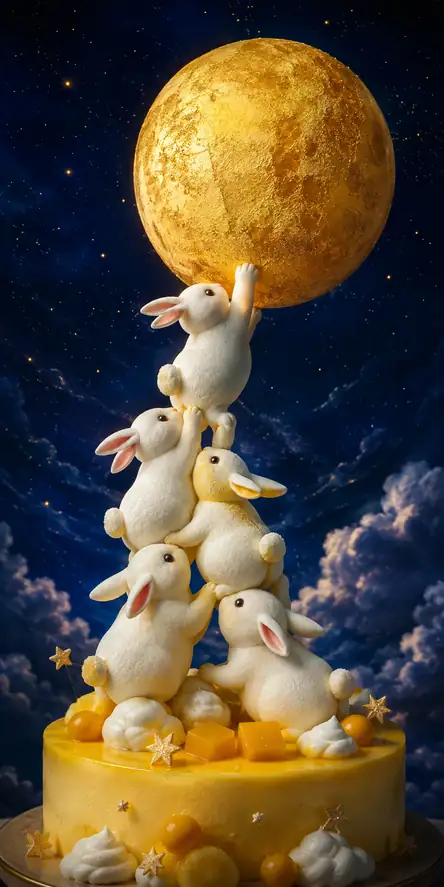 White Rabbits Build a Ladder to the Moon
 Fragile Hands That Hold Tomorrow