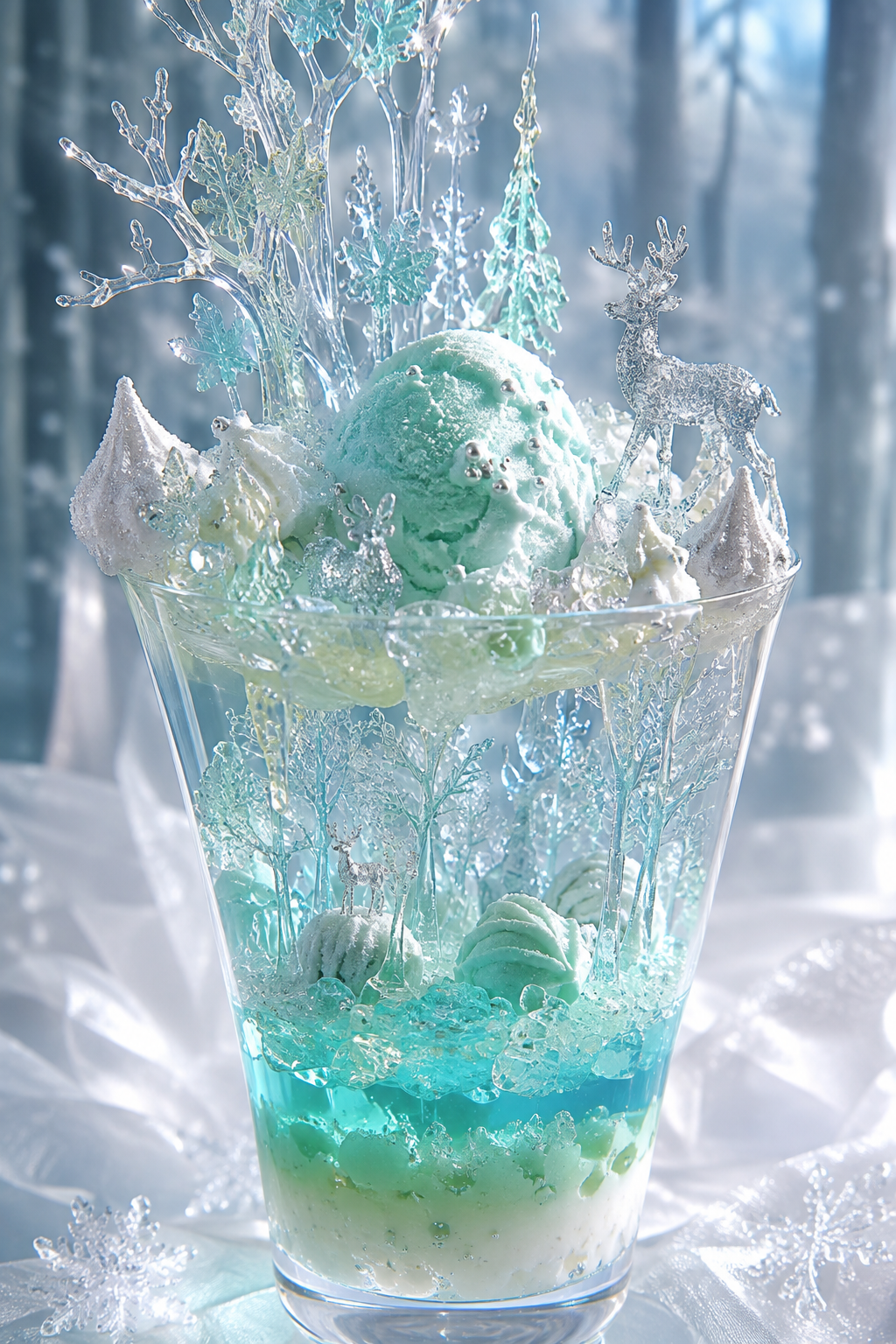
Winter Grows Beyond the Glass
Critique
Introduction This parfait contains a winter forest in turquoise sugar. Ice cream, meringue, crystal trees, and deer occupy two worlds divided by the glass rim. Description The tumbler holds cream, mint layers, blue jelly, and crushed ice. Sugar trunks surround hills and a tiny silver deer. Above the rim, mint ice cream rises among meringues, clear trees, frosted leaves, a rabbit, and a stag. Transparent sugar drapes over the edge like icicles. The background suggests snowy woodland. Analysis The glass organizes depth vertically: dense edible strata below, miniature forest midway, and expansive crown above. Pale blue-green and white unify many materials, while silver animals provide restrained focal points. Transparency allows trunks and reflections to overlap, multiplying space within the narrow vessel. Rough ice cream, crisp meringue, granular crystals, and glassy sugar promise distinct textures. The stag’s upright silhouette balances the higher trees and directs attention toward the crown. Interpretation and Evaluation Winter is presented not as emptiness but as preserved abundance. The animals turn frozen decoration into a habitat, and the visible lower forest suggests roots or a world beneath snow. Extensive transparency risks merging branches into visual noise, yet differences in height and the central scoop preserve hierarchy. The overflow is especially effective: landscape refuses the vessel’s boundary and makes cold appear to grow. Conclusion At first the crystal forest impresses through technical delicacy. Longer viewing discovers two linked habitats above and below the rim. The parfait succeeds because layering is conceptual as well as edible: each spoon descends through snow, ice, and hidden woodland, converting seasonal depth into taste.
Same Subcategory
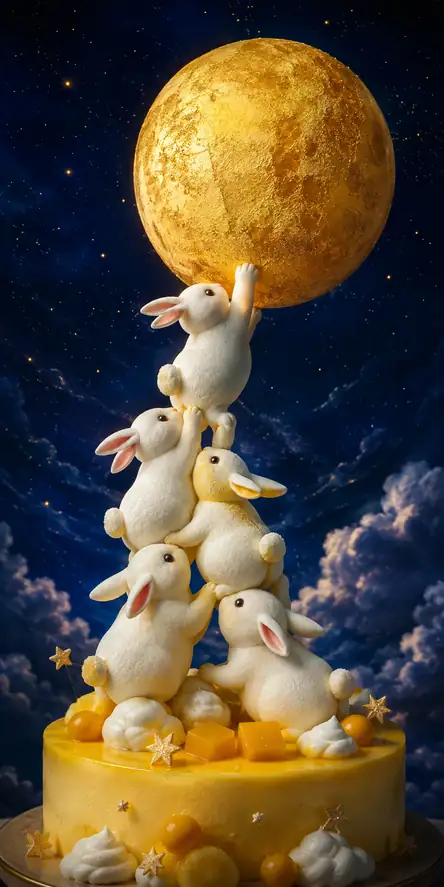 White Rabbits Build a Ladder to the Moon
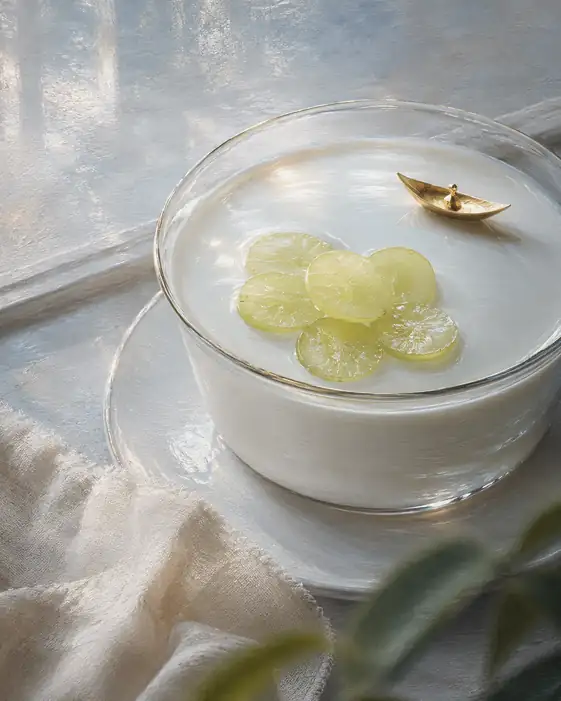 A Small Voyage Across Stillness
Similar Artworks
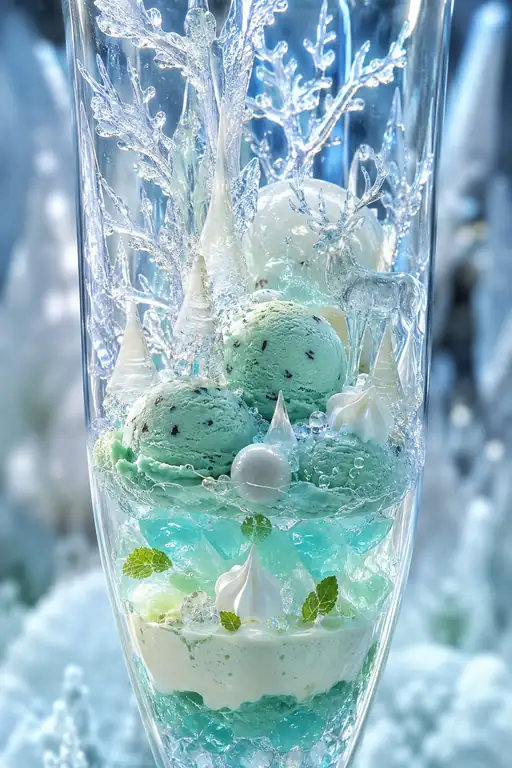 The Forest Sleeping Inside Winter
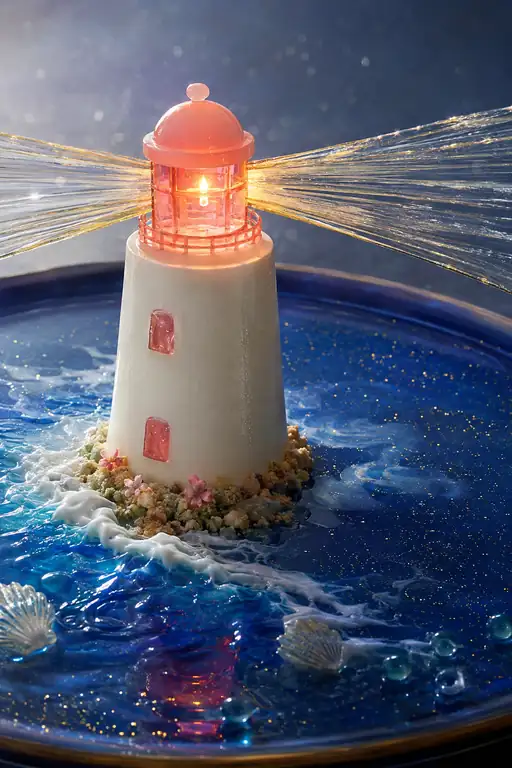 The Lighthouse Sends Sugar Light to Sea
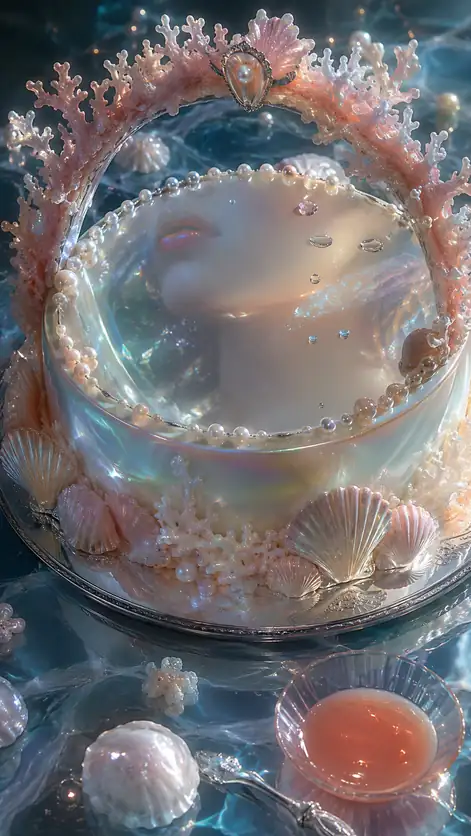 The Sea Remembers My Reflection
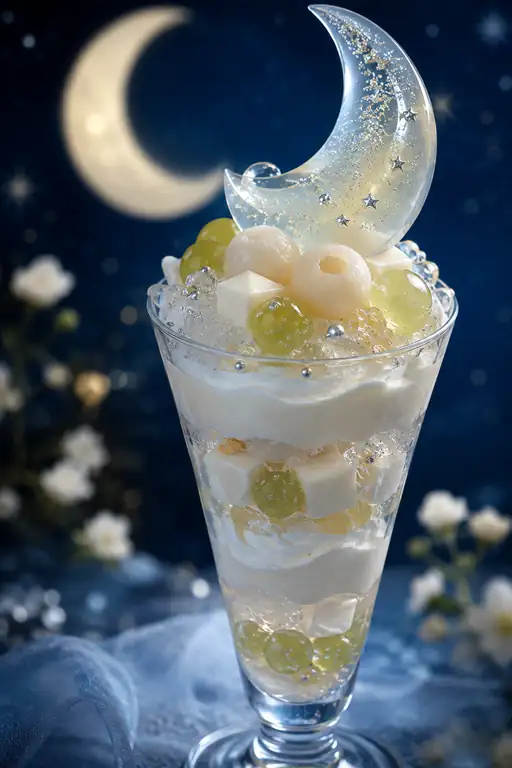 The Crescent Moon Melts into the Parfait
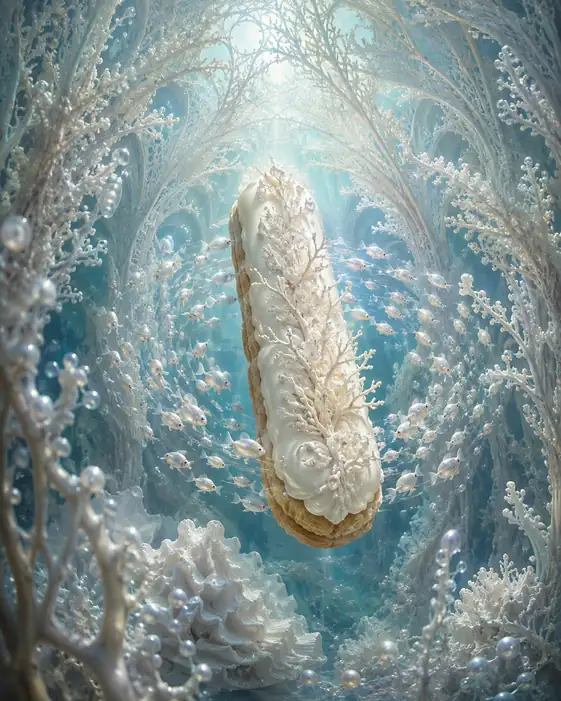 The Stillness All Lives Choose
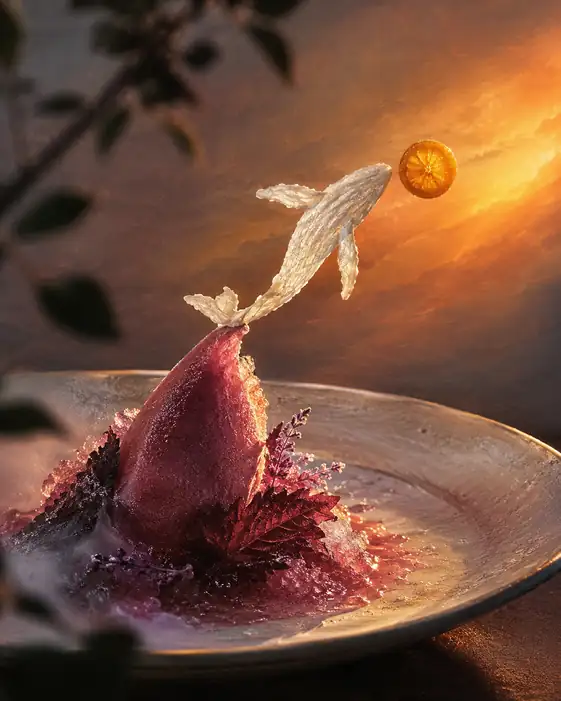 The Whale Who Chased the Last Light
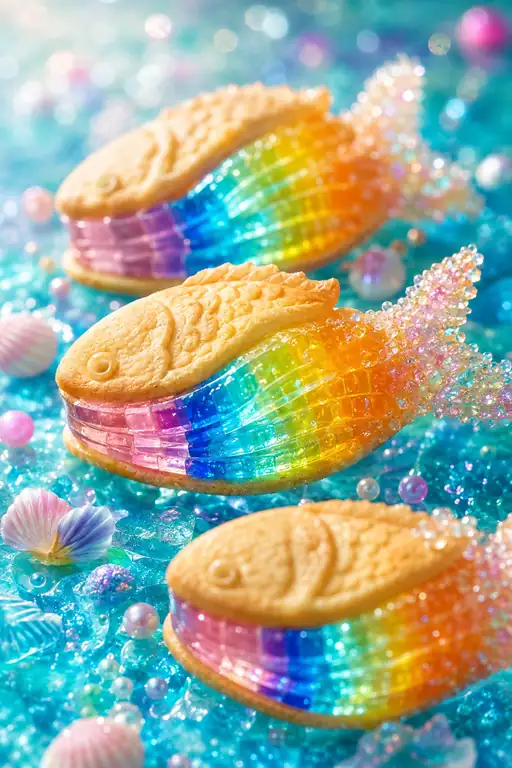 Rainbow Fish Carry the Festival Home
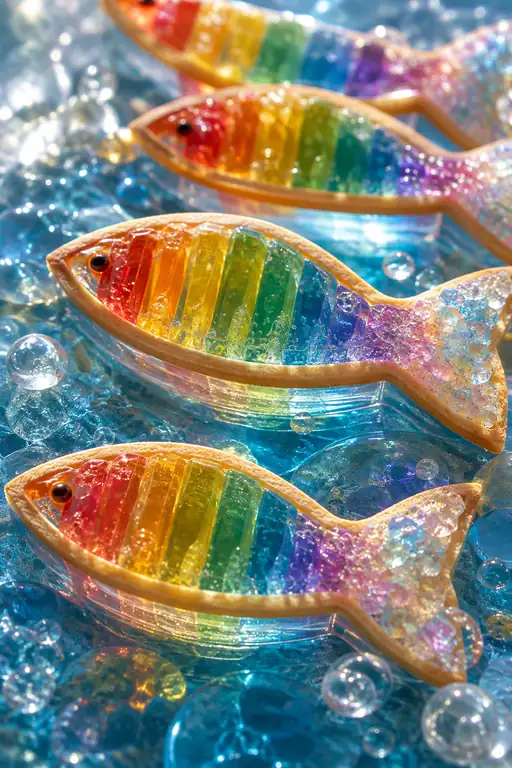 Together Through the River of Colors
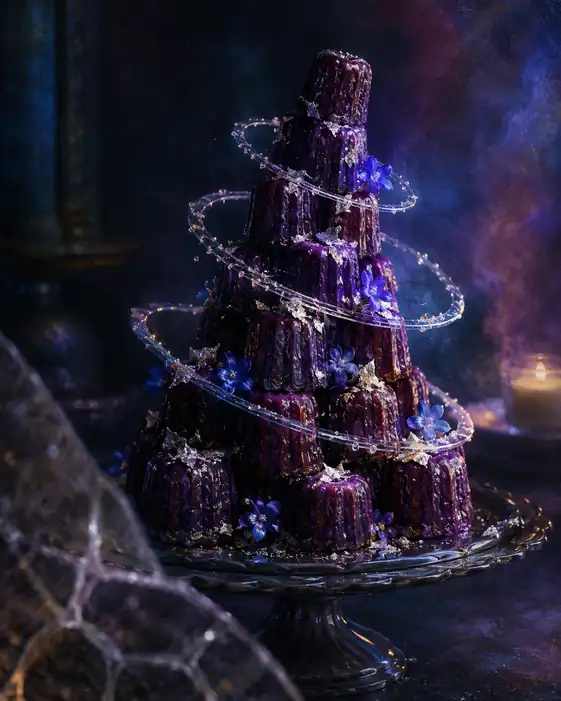 The Night Ascends in Spirals
 The Morning Sun Rises Over a Sea of Milk Clouds