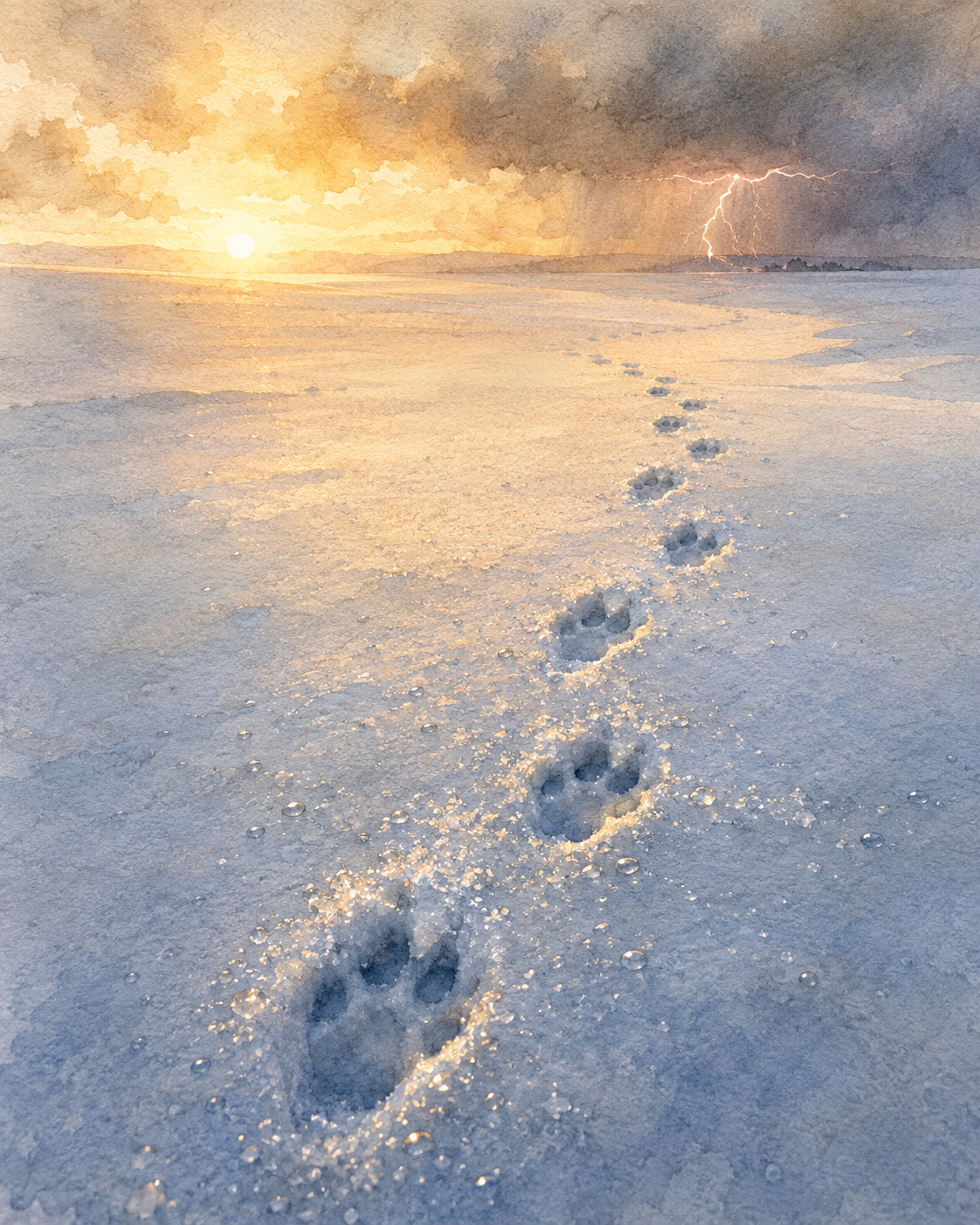
Footsteps toward the Unwritten Horizon
Critique
Introduction This wintry landscape combines animal tracks with sunset and lightning. The sky supplies scale, but the footprints give narrative tension. Their passage evokes a living presence already beyond sight. Description Large paw prints begin near the lower center and diminish toward the distant horizon, bending slightly right. The pale ground is icy and granular, scattered with droplets and warm glints. At left, a low sun touches the horizon beneath golden clouds. A dense gray-blue storm occupies the right, where forked lightning descends near a dark line of land. Analysis The receding tracks create the primary perspective line, joining the viewer’s position to the stormy distance. Their irregular spacing prevents the route from feeling mechanical. Broad horizontal bands of frozen ground and horizon stabilize the diagonal path. Warm illumination spreads from the left, while cool shadow gathers on the right, making weather and direction inseparable. Fine highlights around each depression emphasize displaced snow and contrast with the soft cloud washes. Interpretation and Evaluation Because the animal remains absent, the marks become evidence of action rather than illustration of a creature. They may suggest departure, search, or simple migration, but the painting wisely leaves the destination unresolved. Sun and lightning place the journey between promise and danger. The coincidence is highly theatrical, yet the physical specificity of compressed snow, melting beads, and diminishing impressions gives the scene credibility. Conclusion At first the competing lights in the sky seem to dominate. Gradually, the quieter sequence underfoot becomes more compelling, turning the landscape into a record of unseen movement. The work asks viewers to follow traces rather than possess their source, making absence an active form of presence.
Same Subcategory
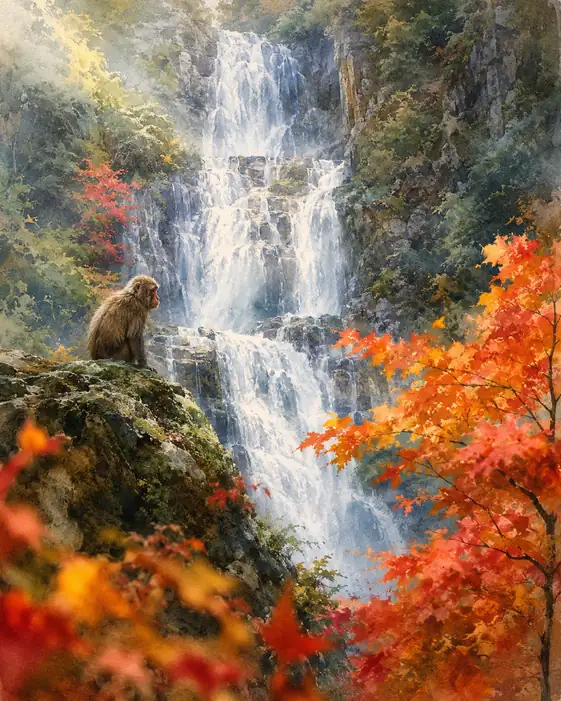 The Old Monkey Watches White Thunder
Similar Artworks
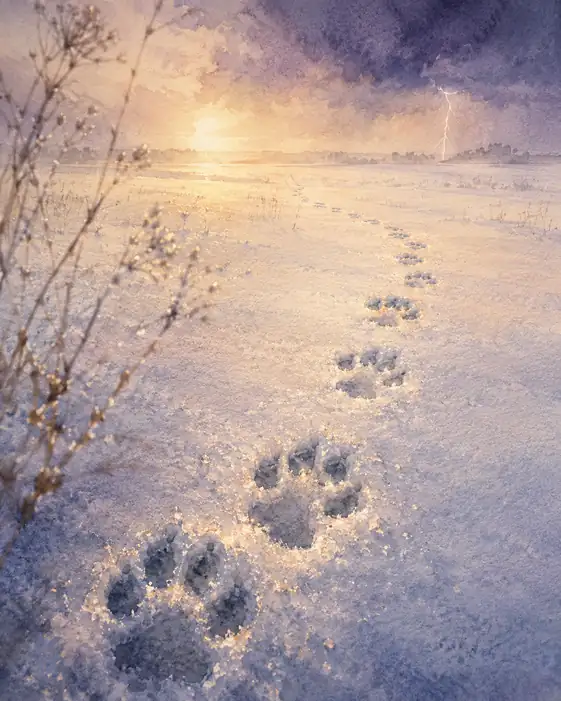 Someone Crossed Before the Storm
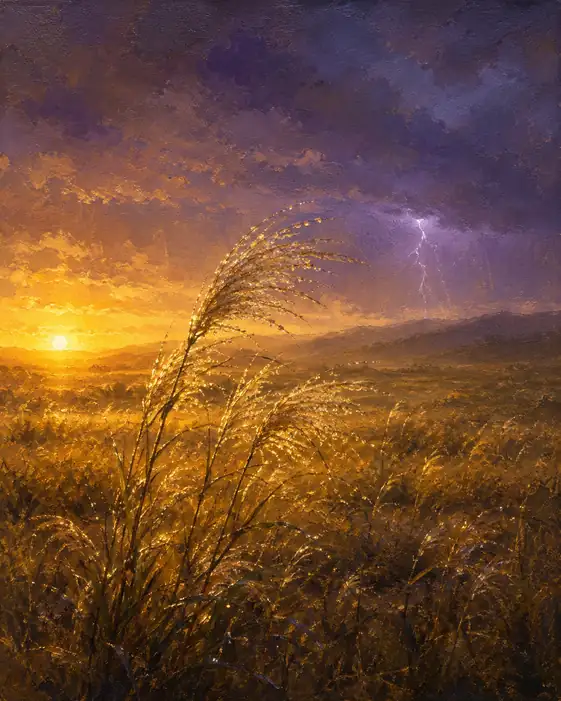 The Last Reed Holds the Sunset
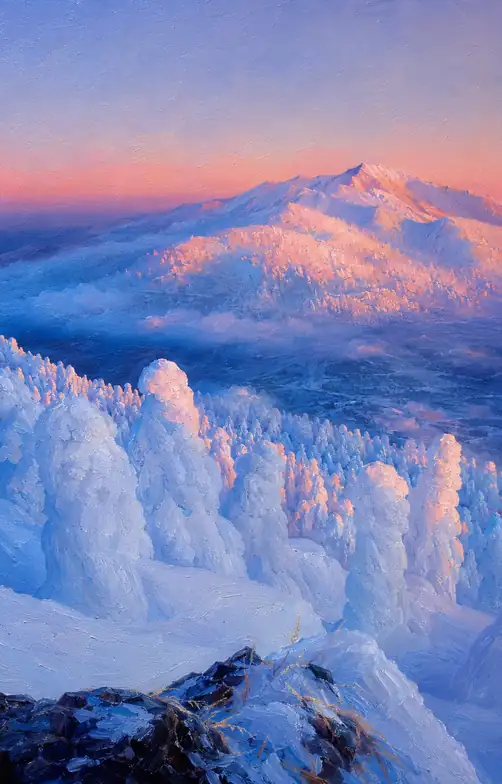 When the Frozen Forest Wears the Dawn
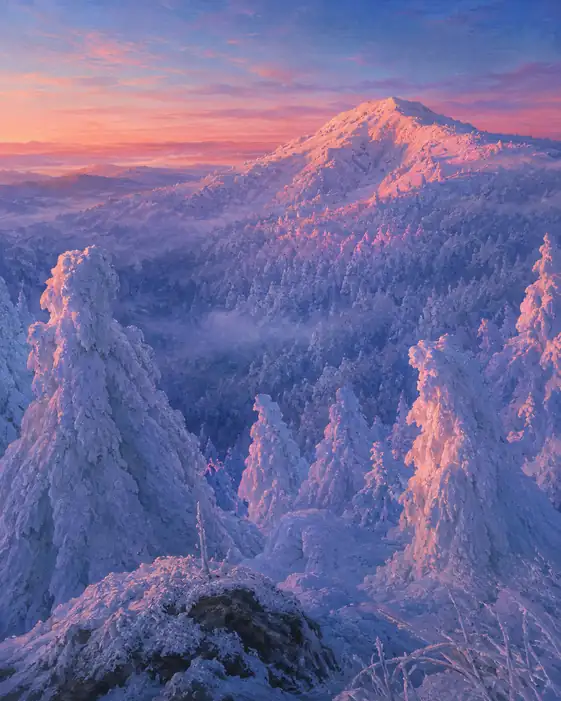 When Winter Blushed
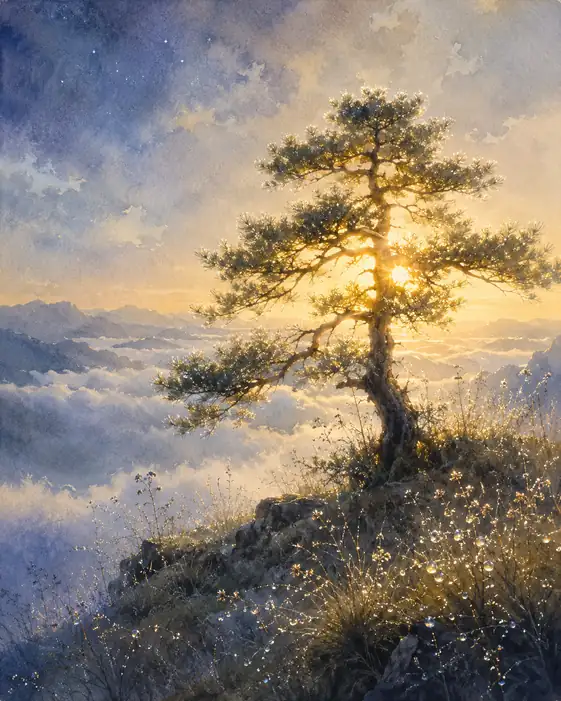 The Pine That Kept the Dawn
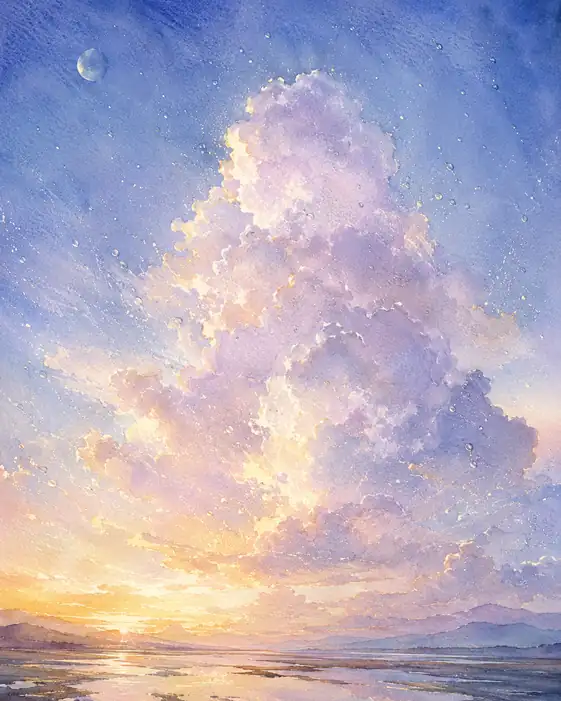 The Cloud Builds a Palace of Light
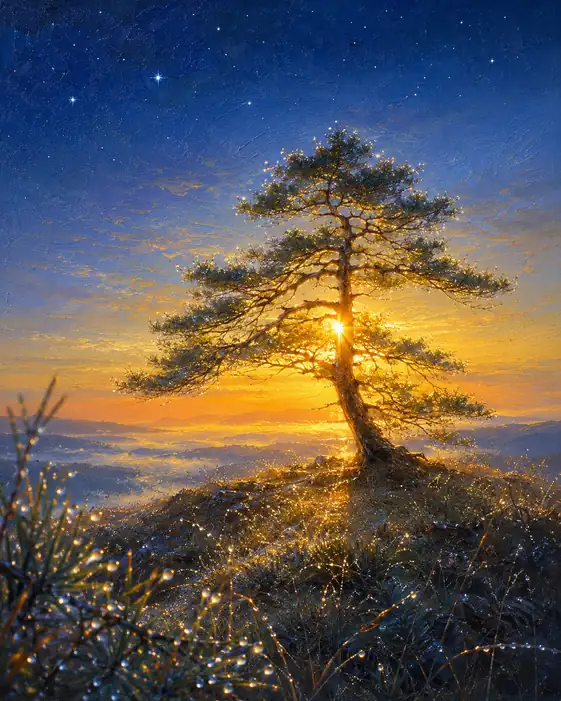 The Lone Pine Carries the Dawn
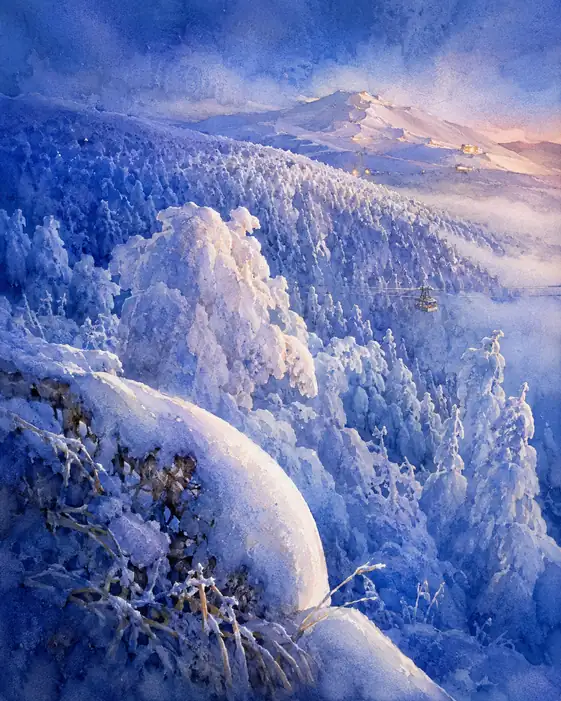 A Lantern Crossing the Frozen Silence
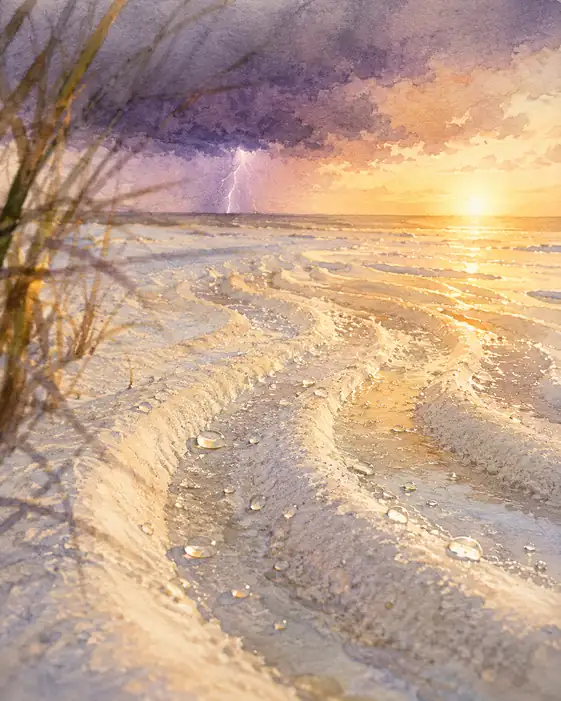 Lightning Flash on the Twilight Strand
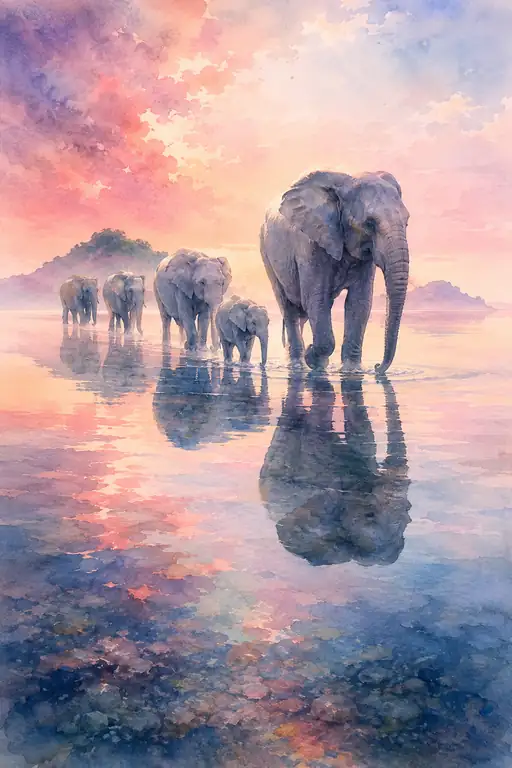 The Long Journey Home