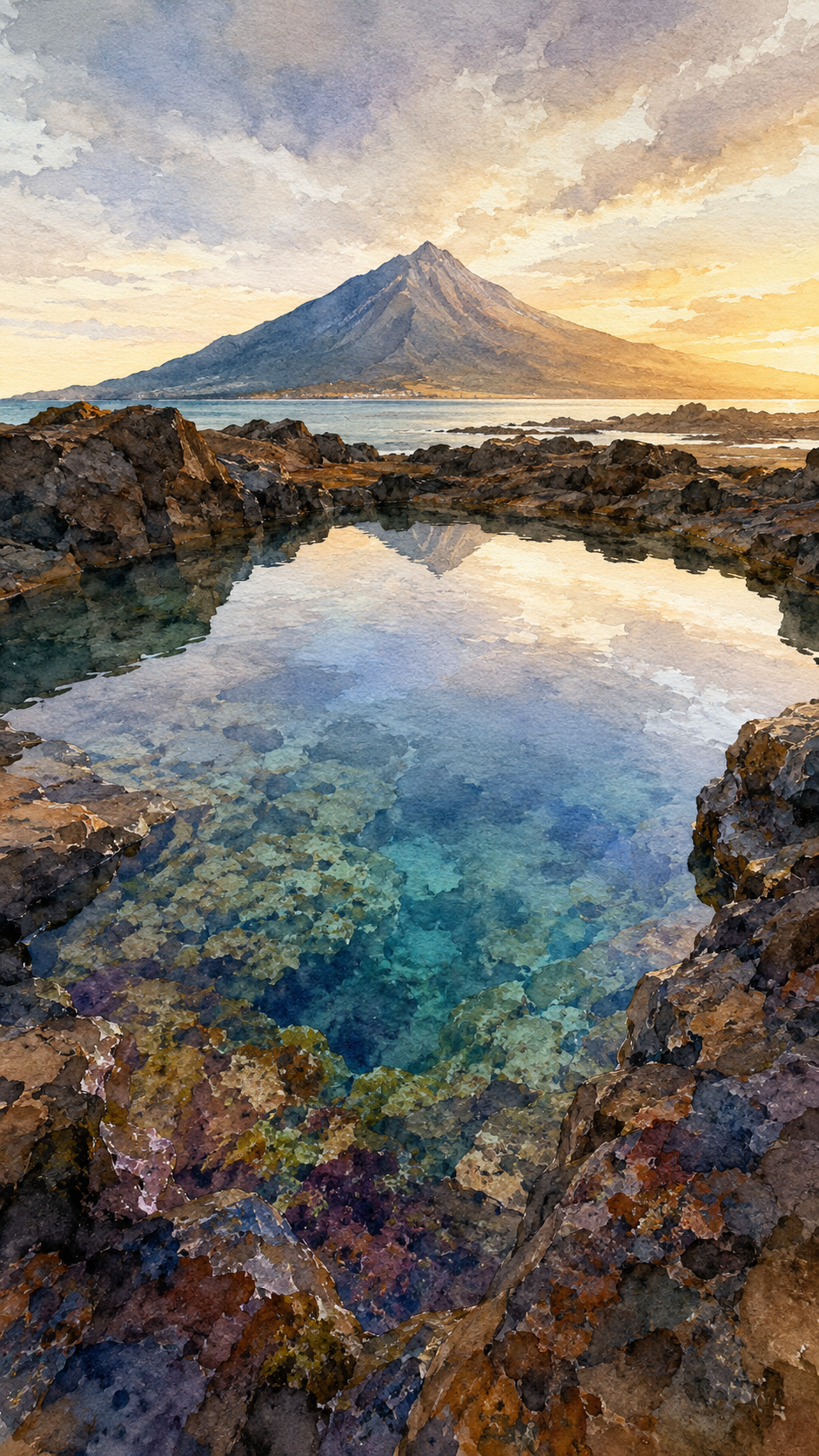
A Mountain Gazes into the Sea
Critique
Introduction This painting presents 火山を望む岩礁の潮だまり as its central subject. The setting is immediately legible, yet carefully organized light and color transform observation into a heightened experience. Recognizable forms remain central while the atmosphere surrounding them receives equal attention. Description The principal feature is clearly placed in the middle distance, and foreground shapes or reflections guide attention toward it. Background contours and contrasts gradually soften, creating a convincing extension of space. Denser marks and deeper colors describe nearby surfaces, while haze, reduced detail, and tonal shifts distinguish the distance. Analysis The composition is structured through repetitions of large and small shapes, together with diagonals, verticals, and horizontal bands suited to the scene. Positioning the focal form slightly away from absolute center introduces movement without sacrificing stability. Warm and cool colors, as well as light and dark passages, clarify the hierarchy. Brushwork remains descriptive without becoming rigid, using layered planes and directional illumination to articulate texture and atmosphere. Interpretation and Evaluation Rather than serving only as a record of a place, the scene reflects on passing time and the meanings people attach to landscape. Descriptive skill appears in the differentiation of surfaces and distances, while the composition guides attention without confusion. Color balances credibility with measured emphasis, and light avoids empty spectacle. The selective viewpoint gives familiar scenery renewed character, demonstrating technical control and thoughtful invention. Conclusion Overall, the painting coordinates shape, color, and illumination with clarity. At first, scenic impact is most prominent; with sustained viewing, repeated details and quieter intervals reveal a slower sense of time. Observed description and restrained staging leave room for reflection.
Same Subcategory
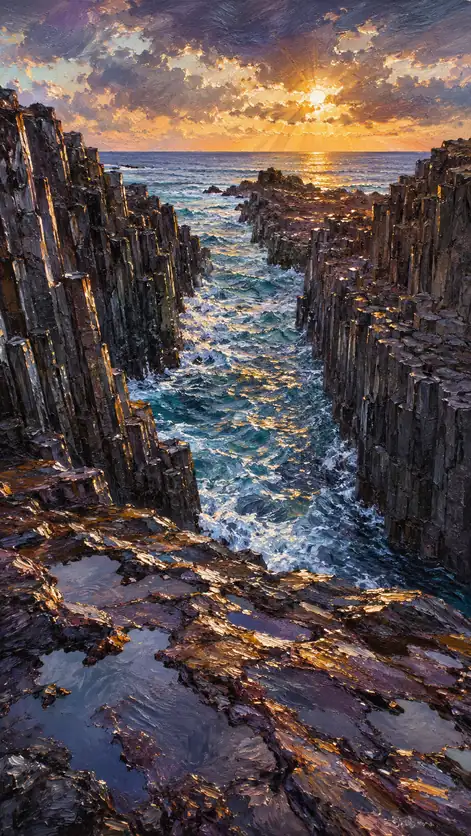 The Sea Between Stone Organ Pipes
Similar Artworks
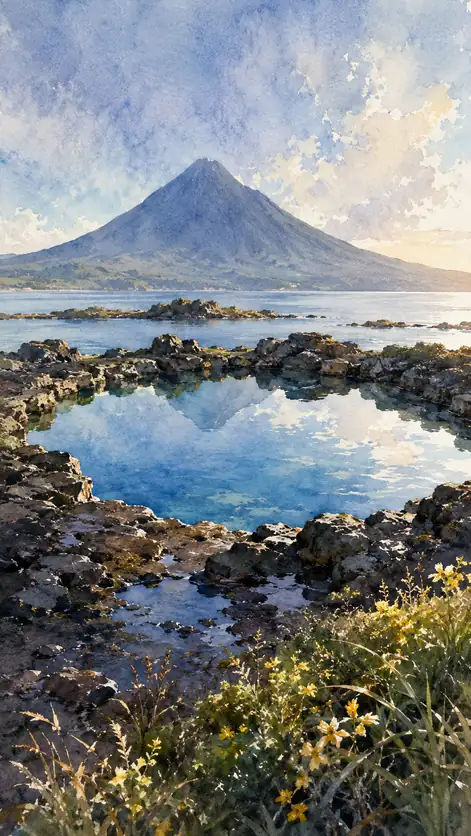 The Volcano Rests in a Bowl of Sky
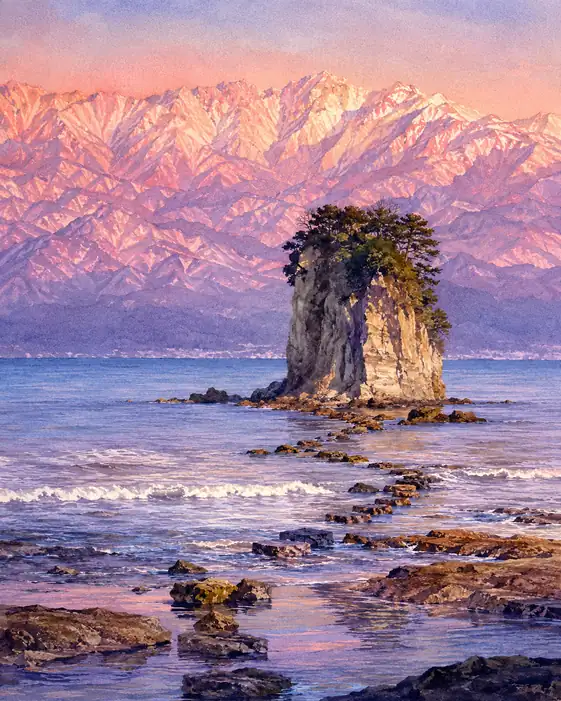 Dawn Bridges the Island and the Alps
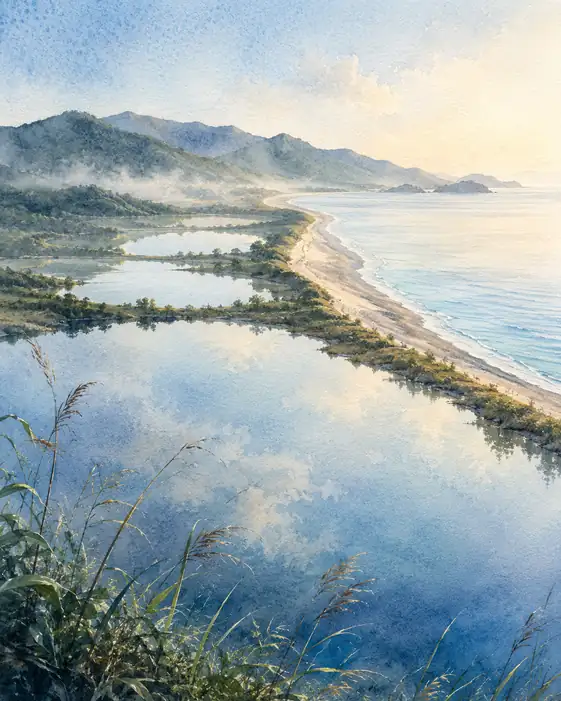 Where Sea and Sky Exchange Silence
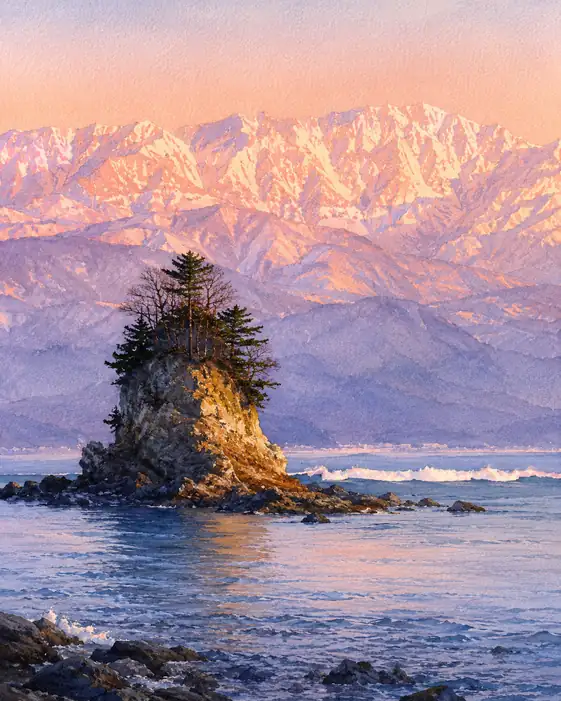 Beyond the Island, Beyond the Sea, Snowy Peaks
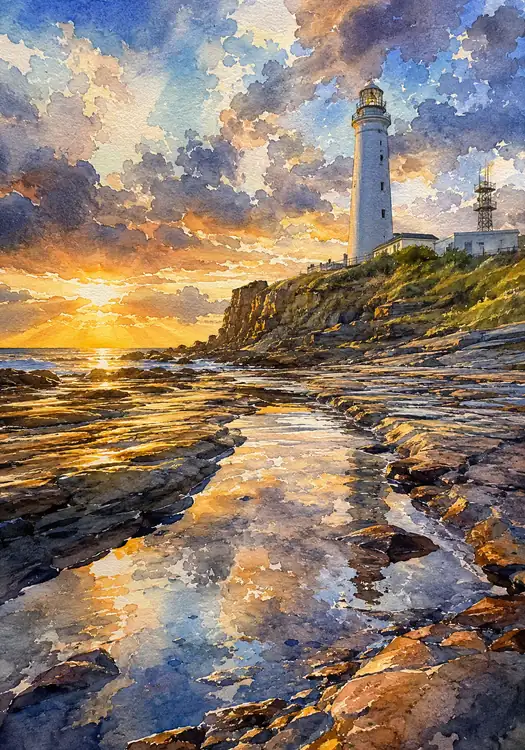 The Tidal Path to the White Tower
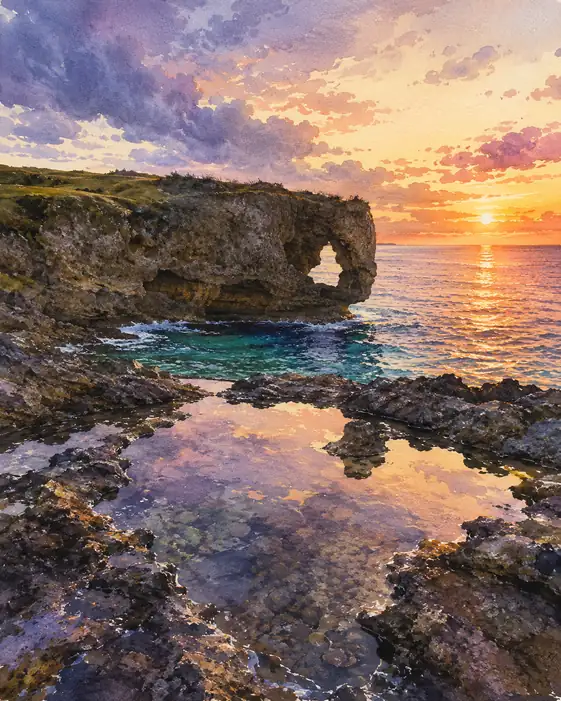 The Sea Keeps a Keyhole for Sunset
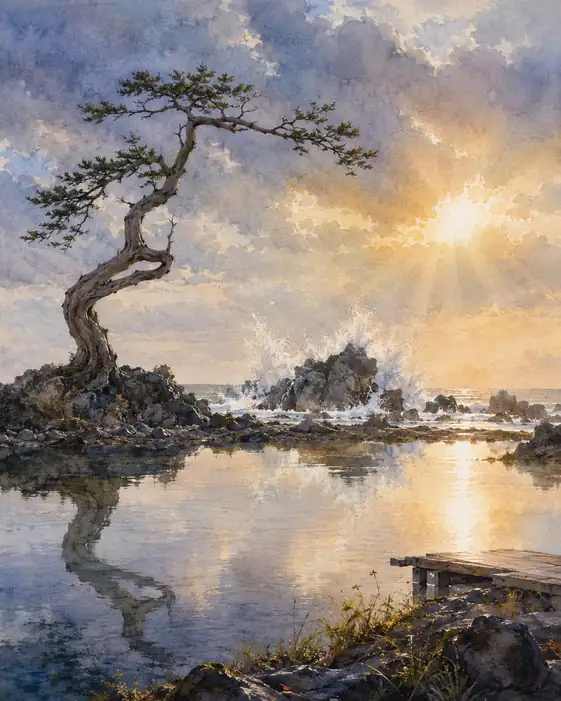 I Remain Where the Sea Changes
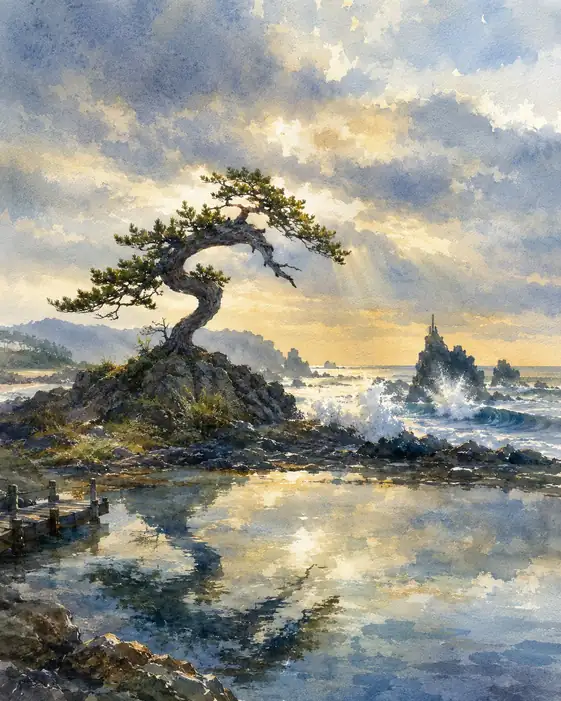 I Learned to Bend from the Sea
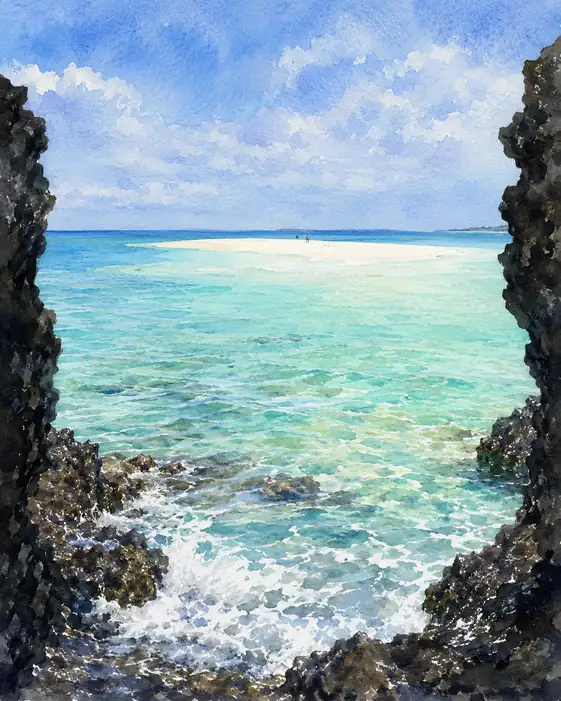 A White Island Between Two Blues
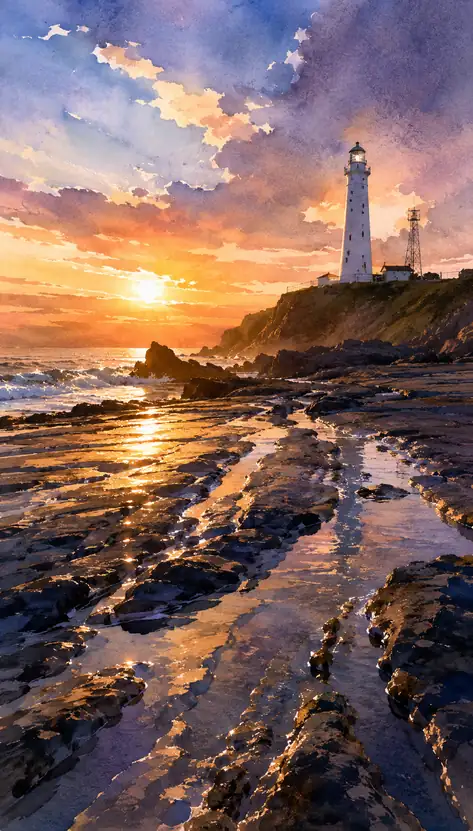 The White Light Watching Over Evening Calm