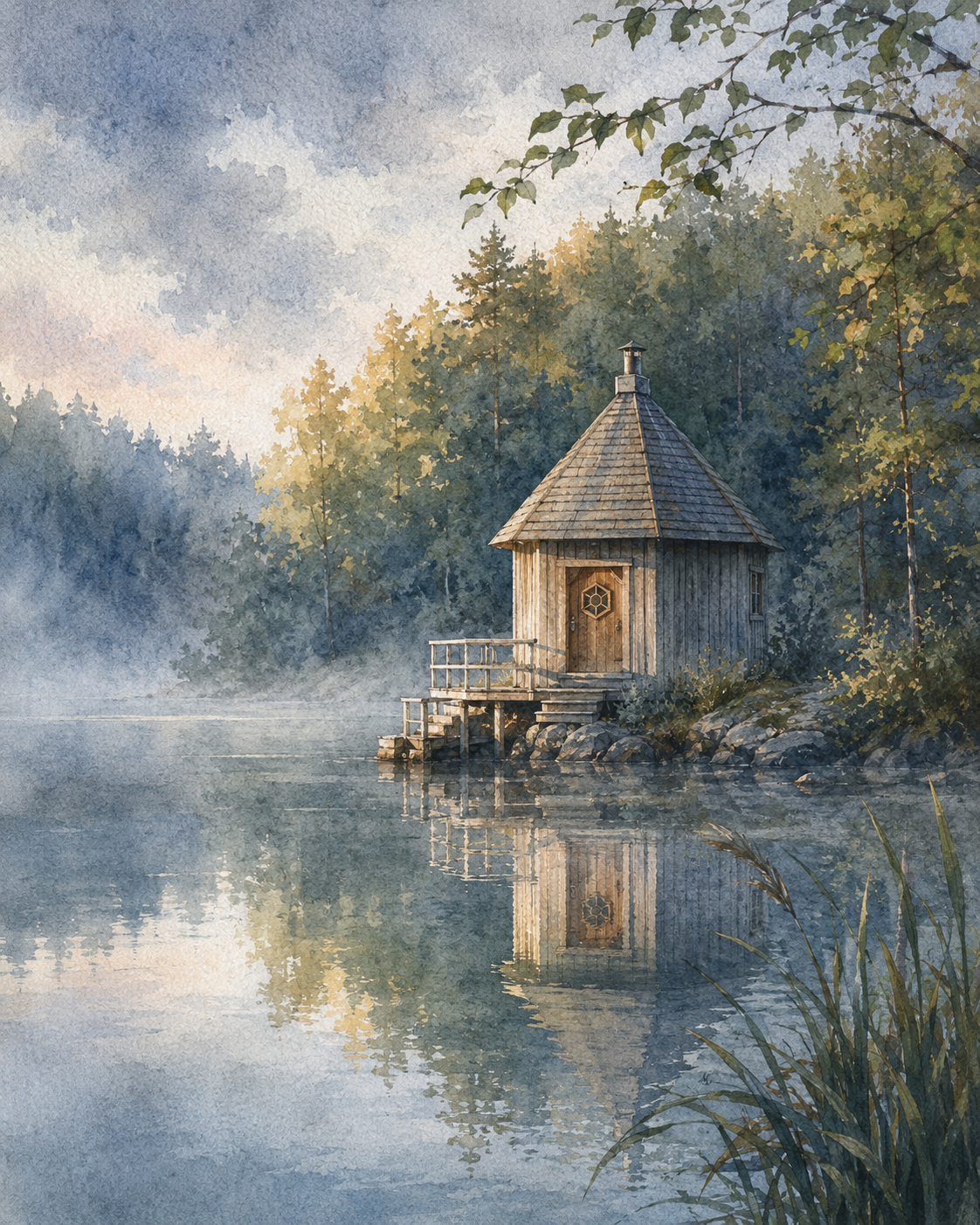
The Locked Door of the Lake
Critique
Introduction This painting depicts a small wooden lakeside hut through mist, still reflection, and angled morning light. A simple building, broad water, and secluded forest suggest both isolation and refuge. Within restrained blue-gray and green-brown color, gold illumination gently identifies a place made by human hands. Description An almost hexagonal hut stands on the right bank beneath a steep shingled roof and tiny chimney. Its door contains a geometric star window. A railed platform and short steps reach the water. Rocks, shrubs, and conifers surround it, while the opposite shore dissolves into white mist. Calm water reflects hut and woods. Reeds below and branches above frame the view. Analysis The hut occupies the right third and balances a large left field of water and fog. Roof triangles and vertical walls oppose broken reflection. Sharp reeds, washed forest, and detailed wood grain distinguish distance and material. Pale light touches one wall and its mirror image, forming a limited focus. Low saturation preserves quiet. Interpretation and Evaluation The building might be shelter, bath, or contemplative room, but the closed door withholds certainty. Attention therefore shifts from interior purpose to its relationship with the lake. Steps offer access to nature while marking departure from stable shore. Reflection doubles a functional building into an image of memory or story. Conclusion The solitary hut attracts attention first, but mist and open water ultimately carry emotion. The star window records human intention within plain walls. Reeds place viewers on the bank, and wavering reflection prevents complete stillness. A small chimney quietly suggests warmth inside. Transparent light and restraint create a convincing sense of refuge.
Same Subcategory
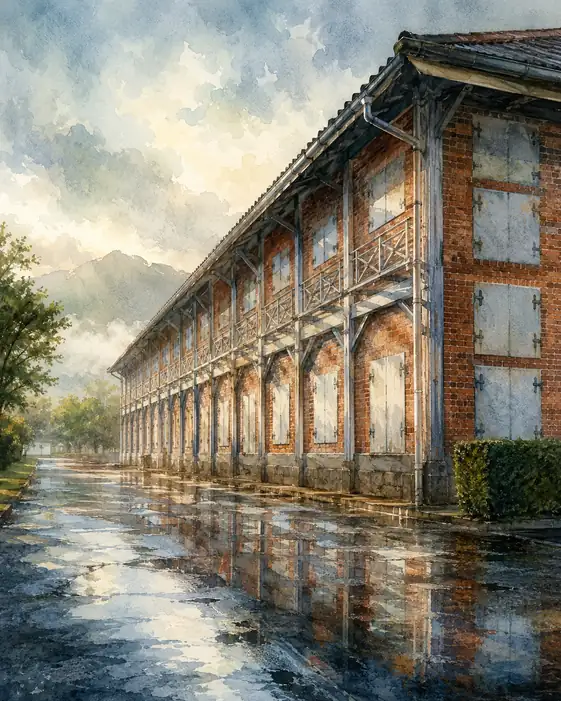 Weaving Time in Light
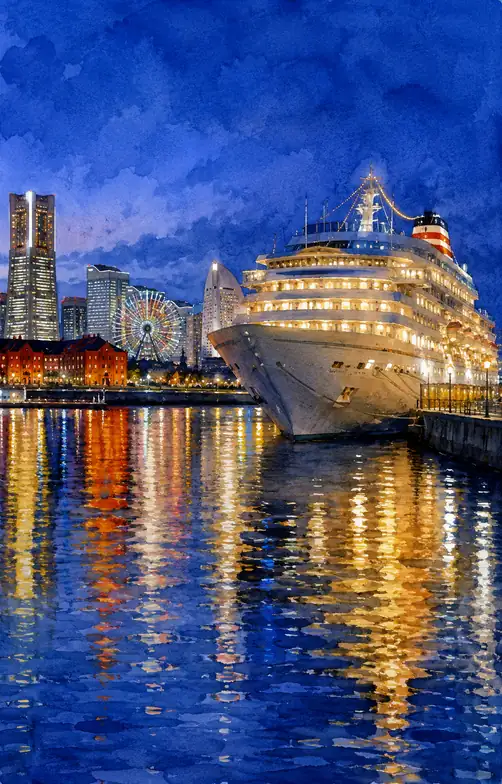 A Ship's Whistle Across a Century of Blue
Similar Artworks
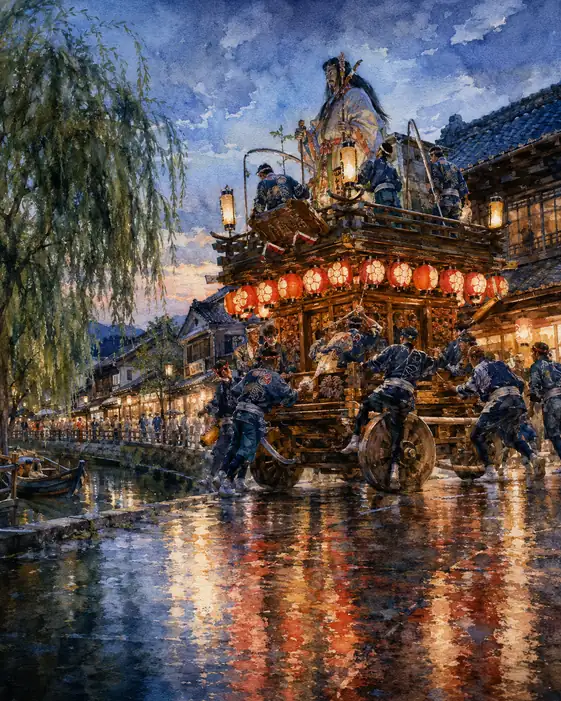 The Float Passes Through Rain
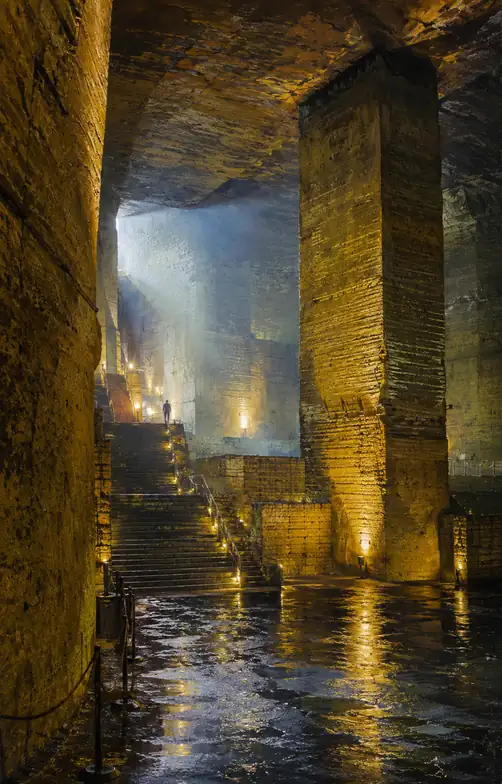 Cathedral of the Quarry
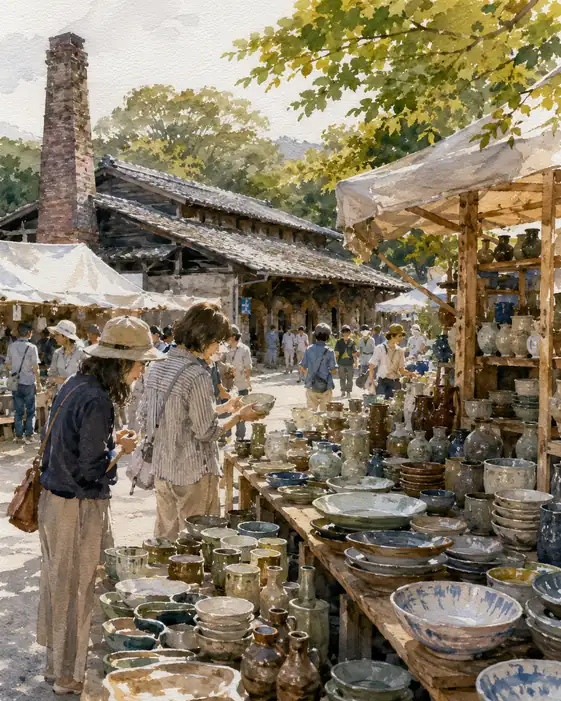 Hands Choosing the Memory of Fire
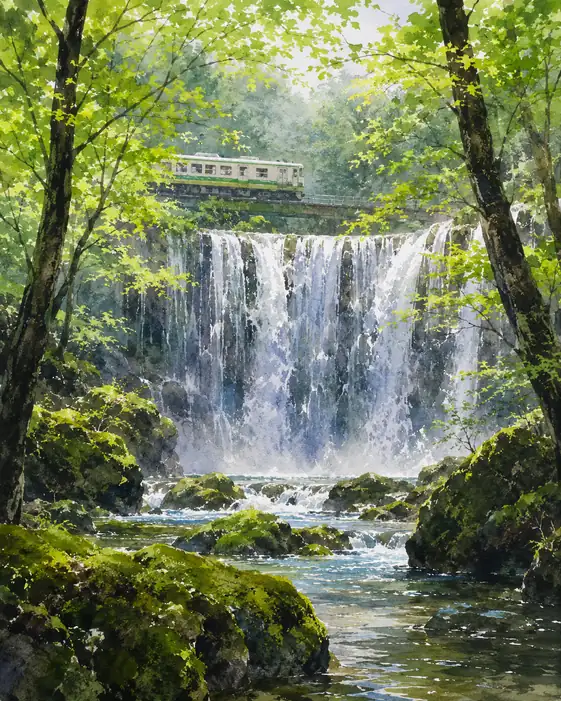 A Wind of Seven Blessings over Ryumon Falls
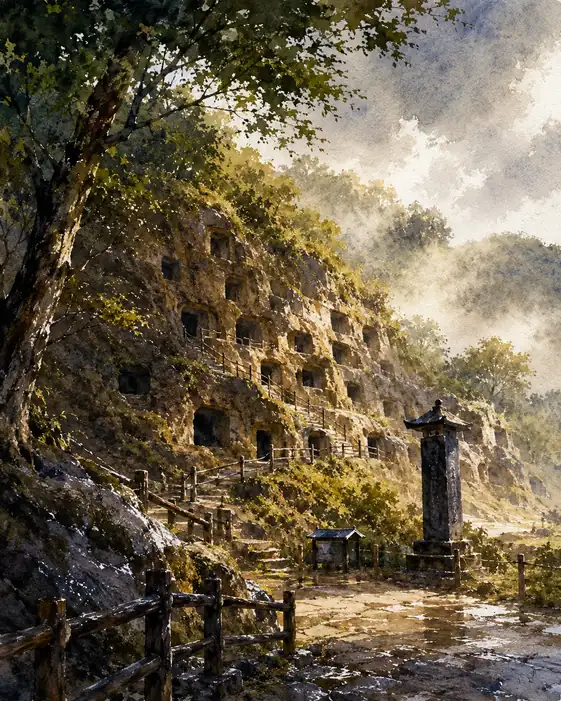 Caverns of Borrowed Light
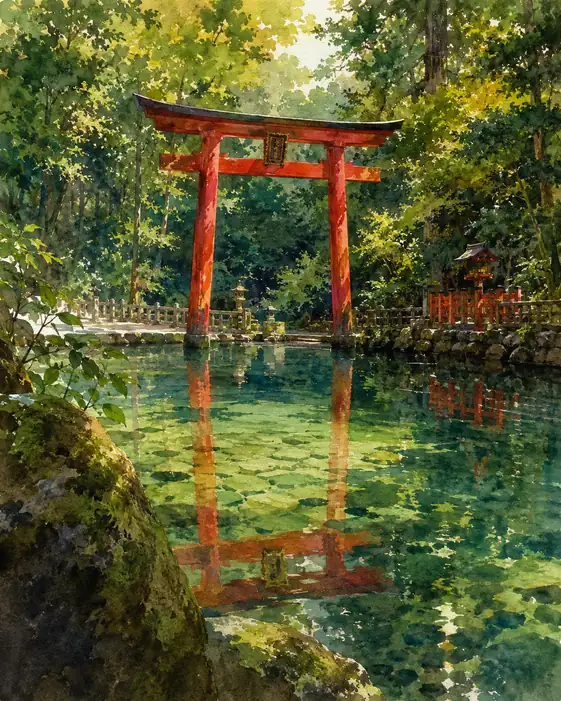 A Gate Reflected Inward
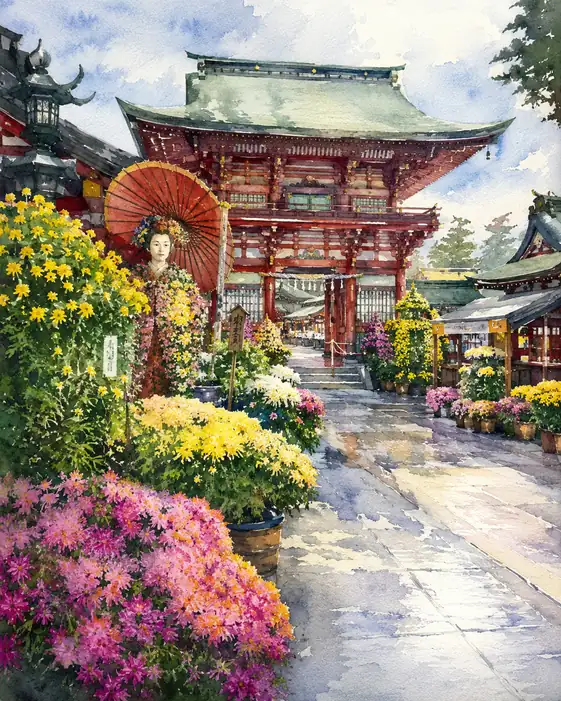 She Waits Where Prayer Blooms
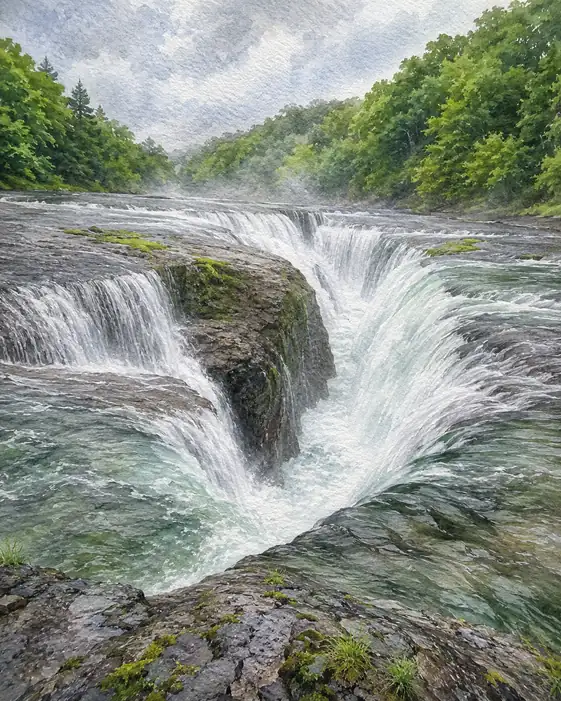 Where Water Carves Its Own Name
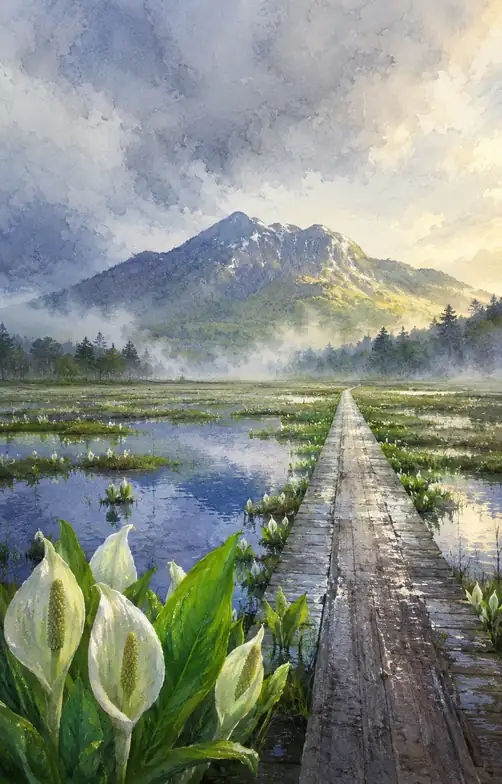 The White Flowers Guide My Steps
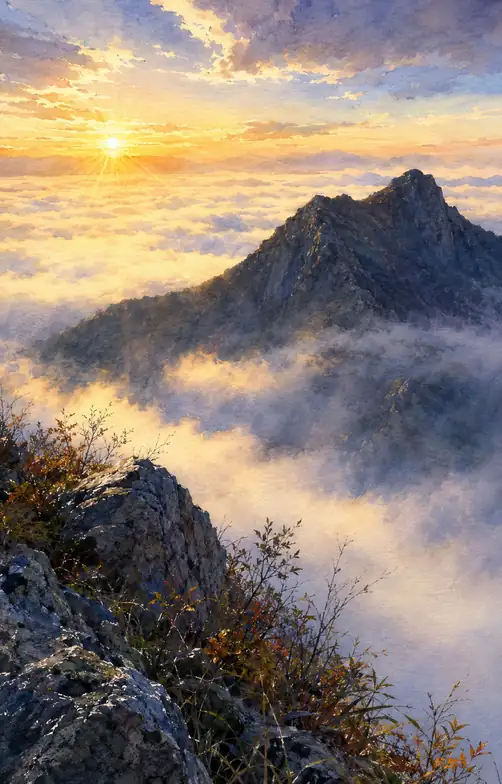 Morning Poured Across the Clouds