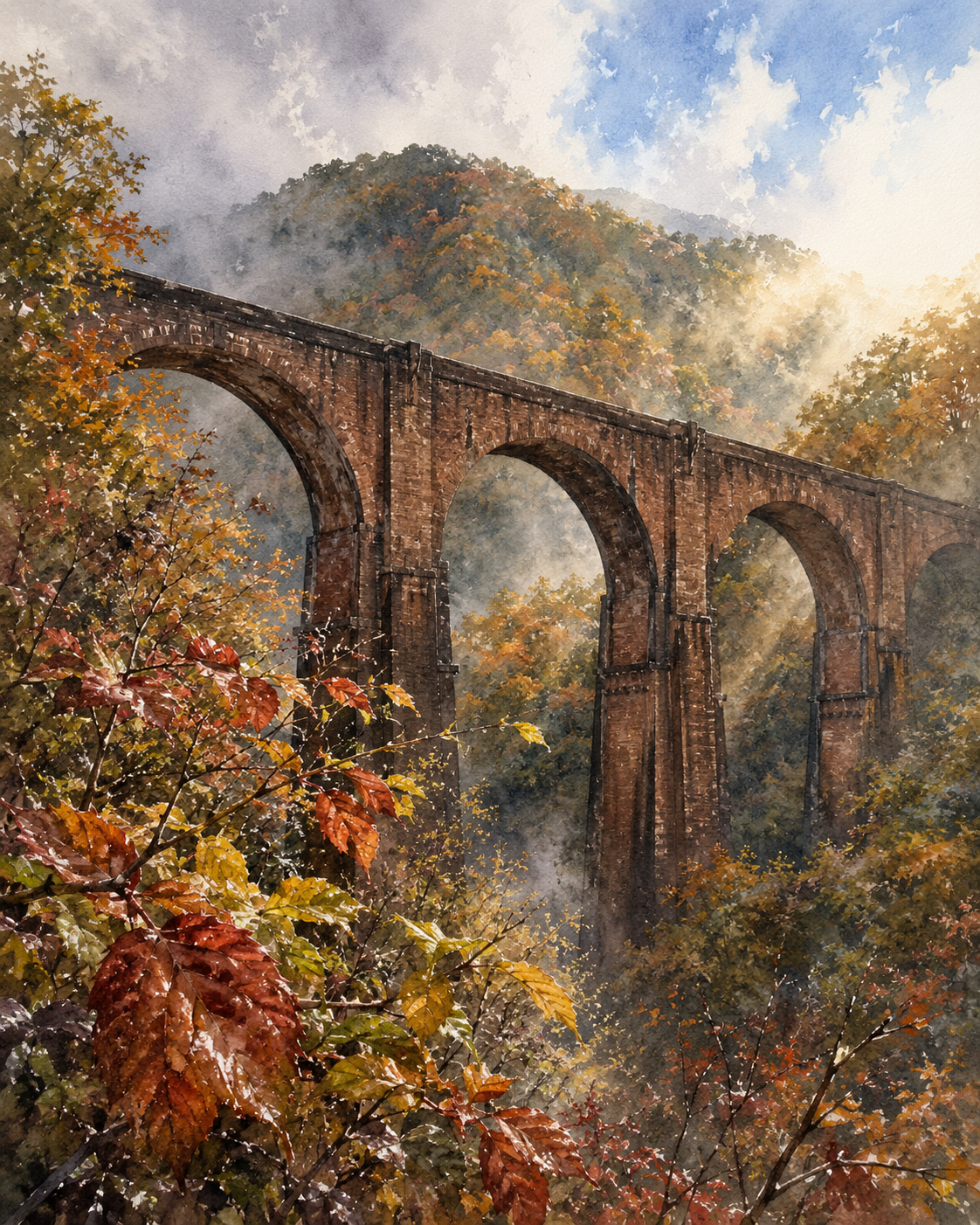
Arches Holding the Mountain's Memory
Critique
Introduction This painting depicts a monumental brick viaduct repeating through an autumn mountain valley after rain. Strong arches, wet foreground leaves, and misted light join modern engineering with seasonal nature. With neither people nor trains, the structure itself becomes the subject, encouraging attention to architectural duration and geographical scale. Description The viaduct extends from upper left toward the distant right. Its largest opening occupies the left middle, followed by progressively smaller arches. Tall piers descend toward the valley and show varied brick and rain stains. Large wet leaves in red, yellow, and green overlap the lower left. Mist and morning light surround the hills beneath an opening of blue sky. Analysis Repeated arches and a gently descending deck create strong perspective. Firm masonry contours oppose transparent mountain washes, clarifying engineered geometry. Enlarged foreground leaves give bodily proximity to the immense bridge. Brown brick, orange foliage, and blue-gray air remain harmoniously restrained, while gold light selectively reveals piers and fog. Interpretation and Evaluation The empty bridge becomes a vessel for traces of travel, inviting thoughts of absent passengers or vehicles. Its arches span nature, yet their openings also frame fragments of the same forest instead of blocking it. Wet leaves and aged brick have endured weather on different timescales. Mist and autumn light integrate a memorial structure without diminishing its power. Conclusion The viaduct's scale dominates initially, but repeating voids and mist ultimately give it breath. Glossy leaves specify recent rain, while distant brightness signals clearing weather. Leaving the deck empty permits concentrated study of form, material, and terrain. Transparent nature and firm architecture place modern remains quietly within the mountain's longer time.
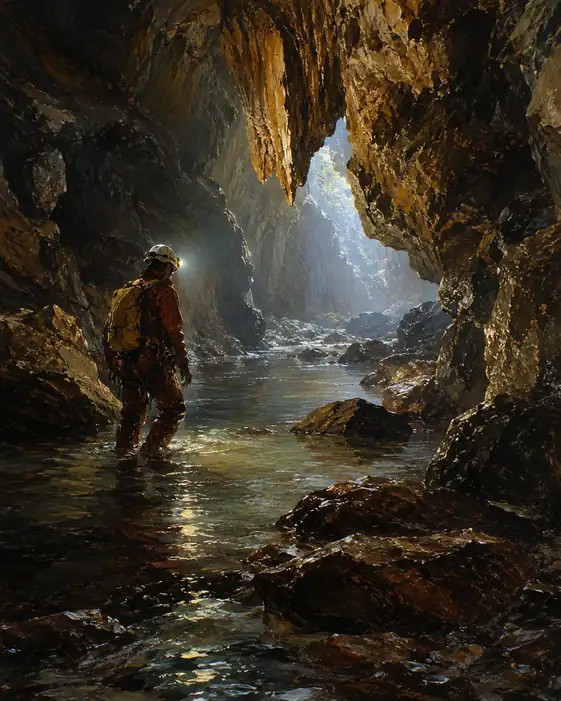 Beyond the Reach of My Small Light
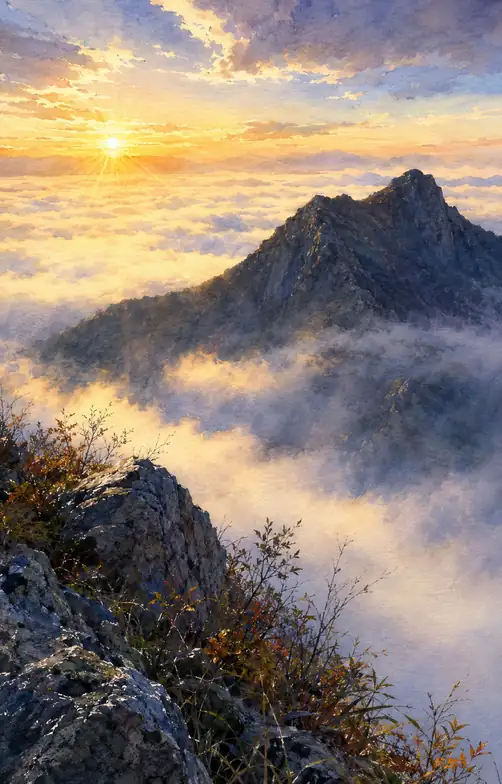 Morning Poured Across the Clouds
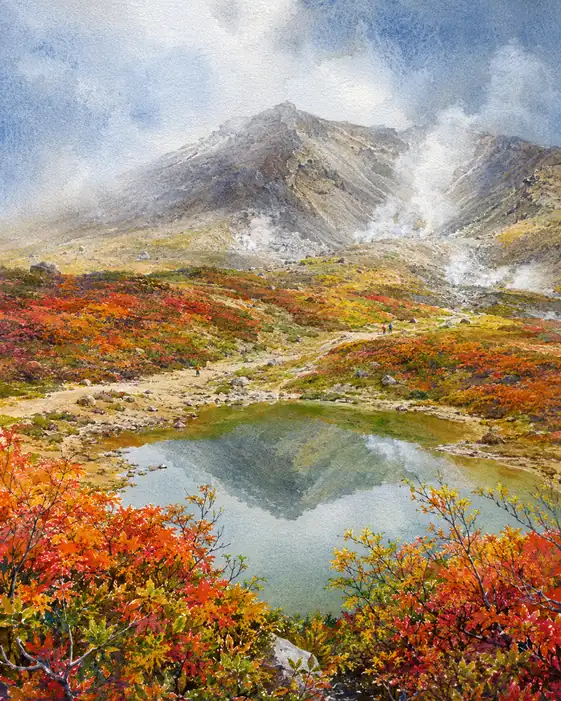 Between Steam and Still Water
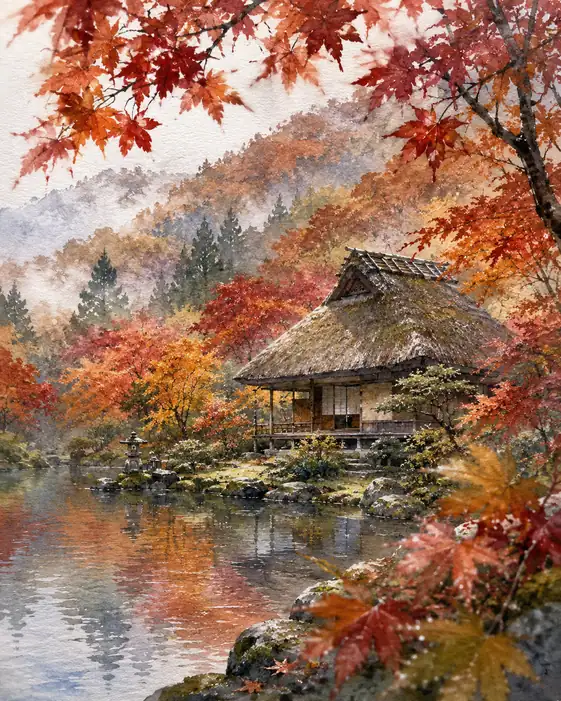 A House Where Autumn Returns
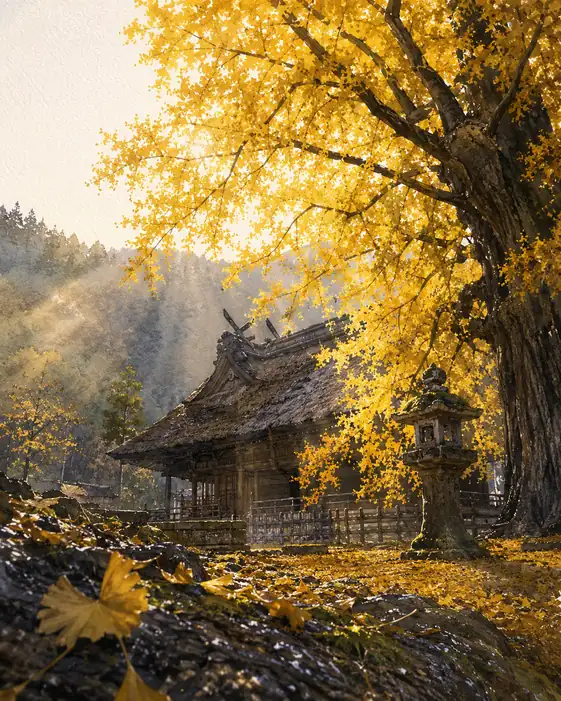 Beneath the Golden Guardian
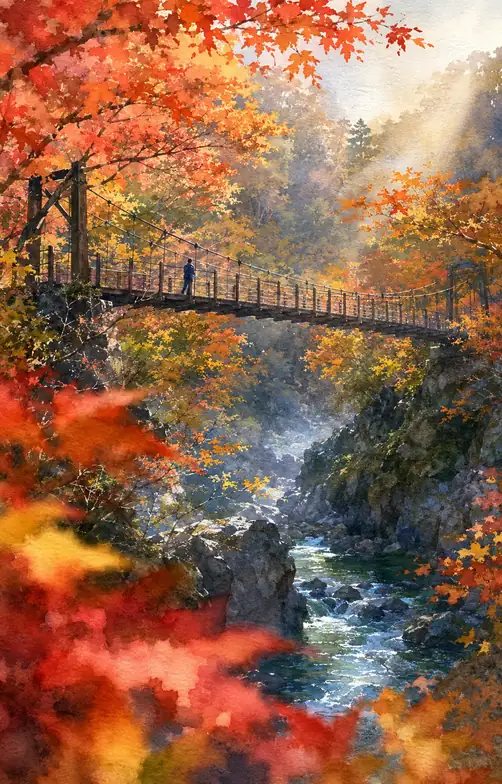 One Pause Above the Burning Valley
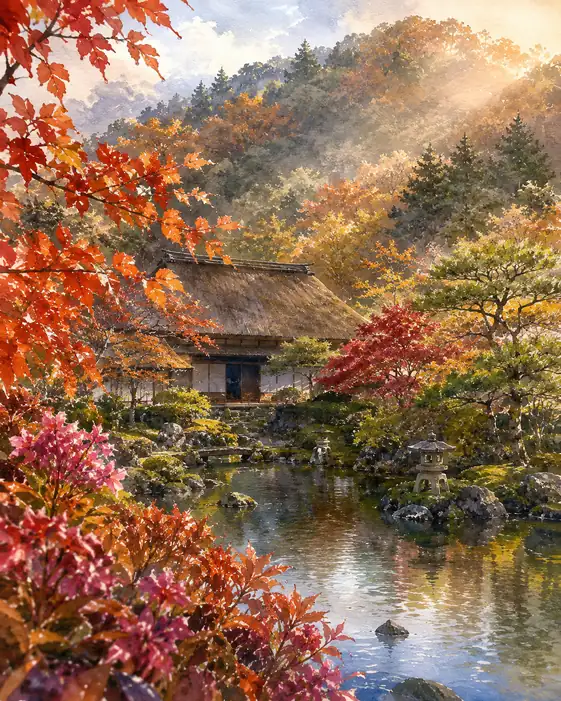 A Thatched House Holds Autumn
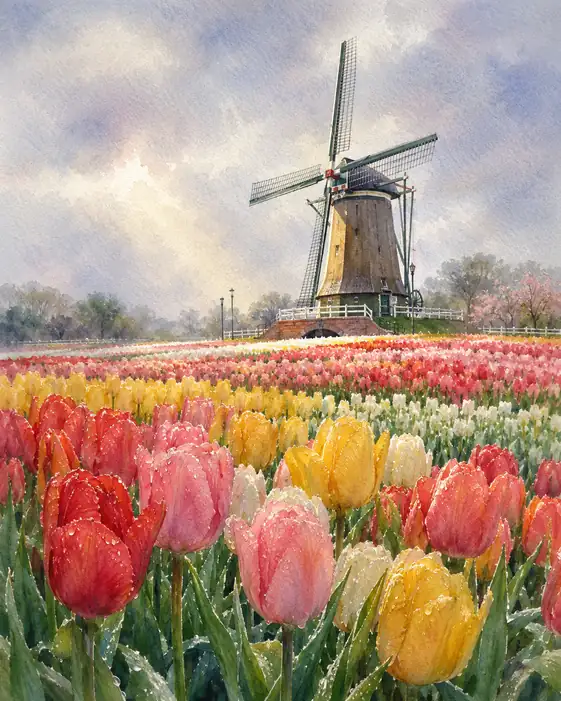 Rain Pearls Beneath Turning Sails
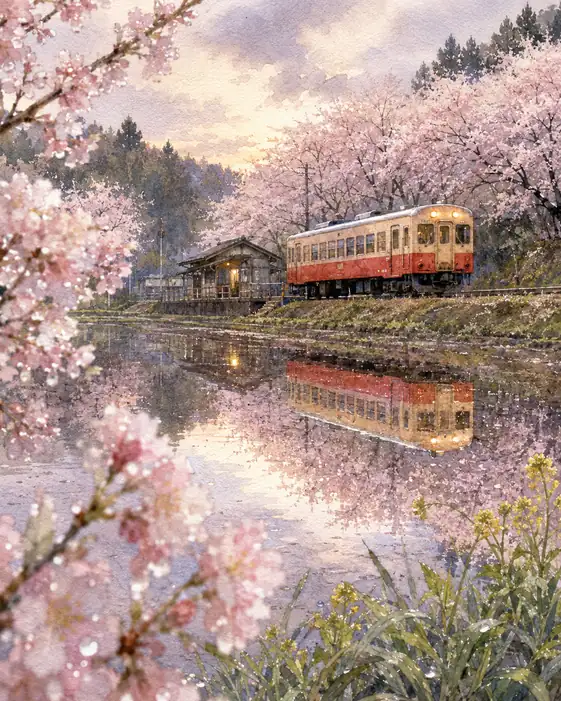 Spring Waits at the Country Platform
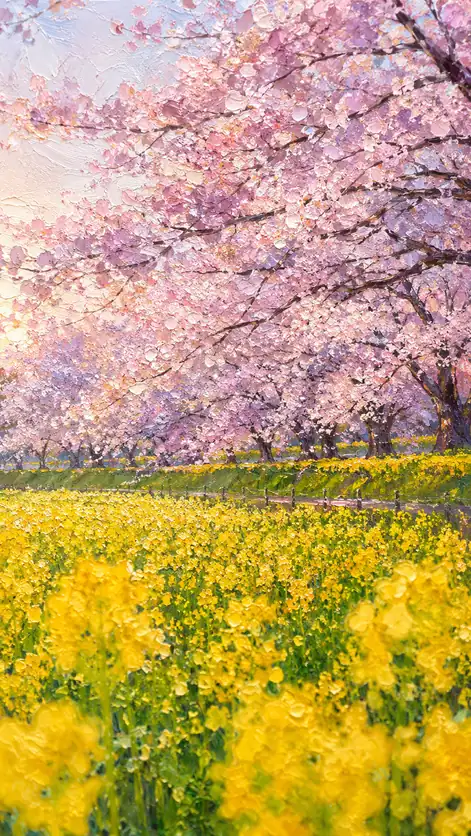 Spring Has Two Voices
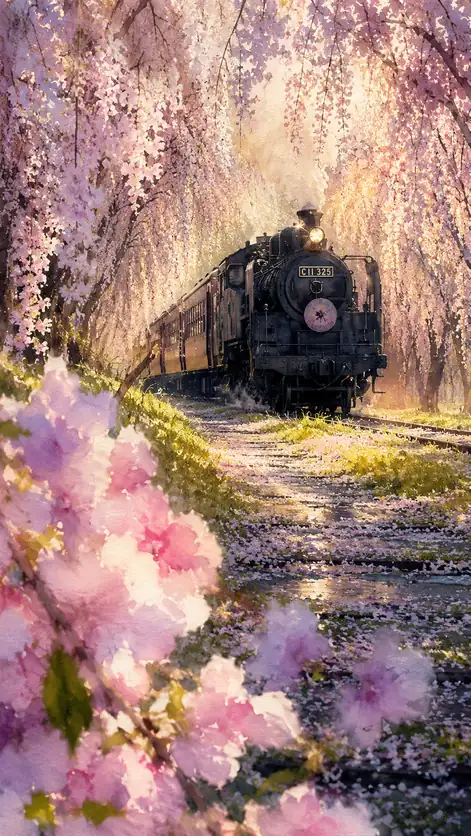 Steam Carries Spring Home
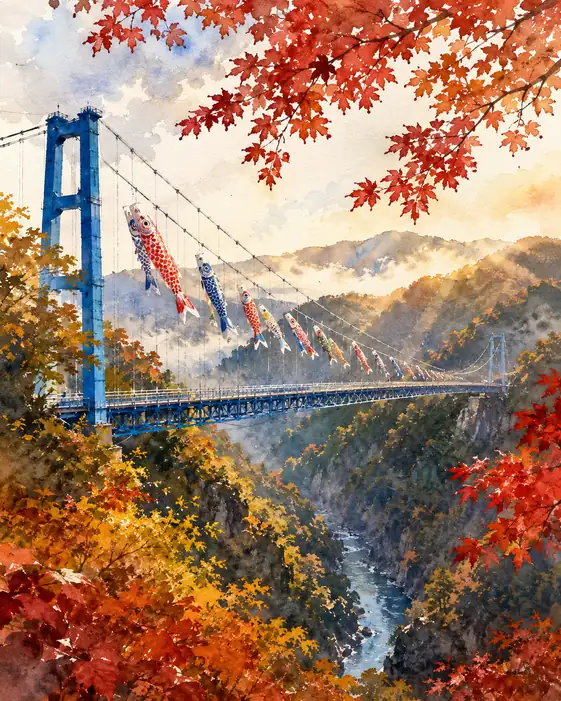 When the Sky Learned to Swim