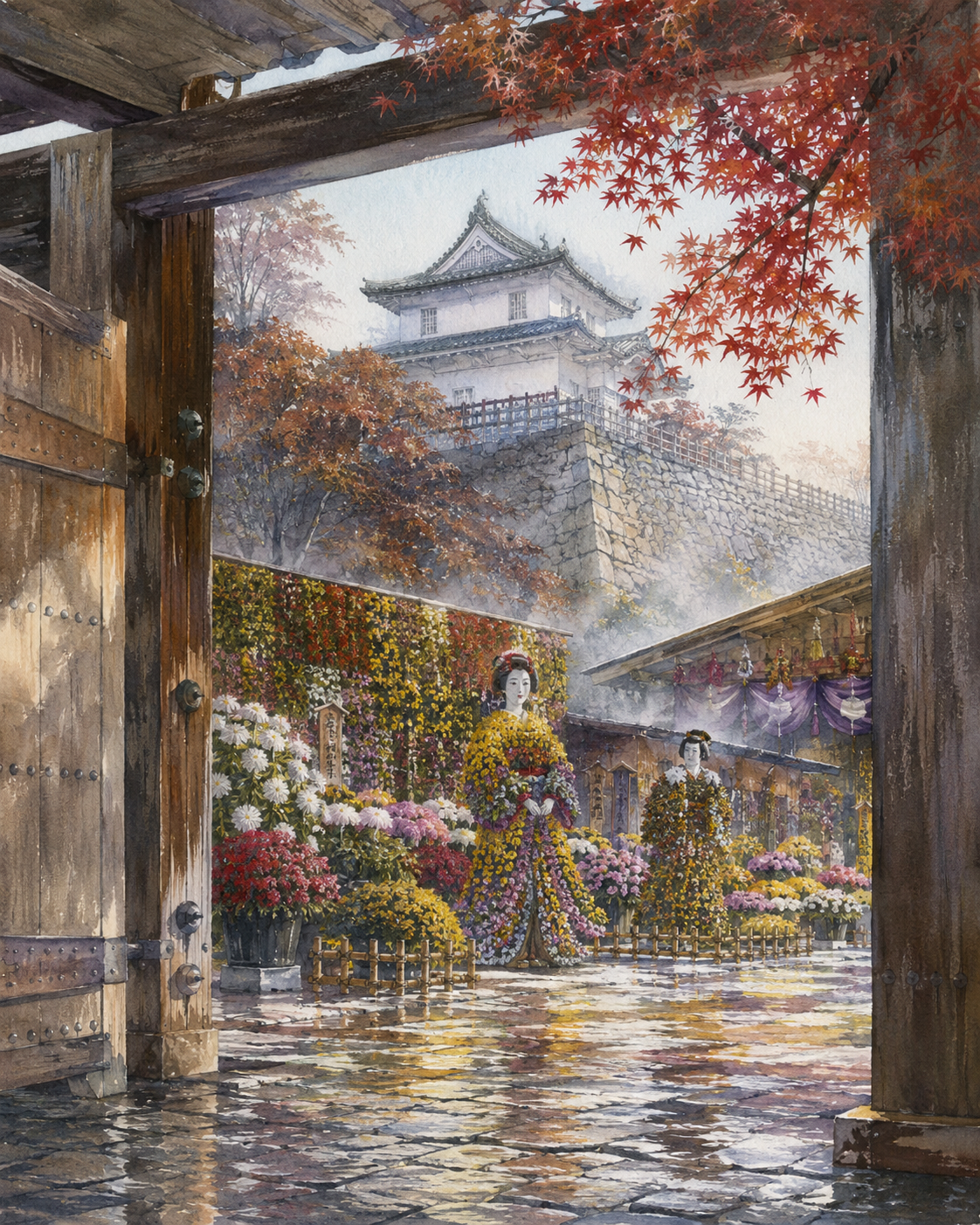
The Flowered Figure at History's Gate
Critique
Introduction This autumn exhibition is viewed through a massive castle gate toward flower-covered figures and a white tower. Heavy wood, vivid blossoms, and elevated architecture create three historical layers, integrating craft, festival, and heritage. Reflections on rain-wet paving add humidity and quiet while suggesting the experience of entering the grounds. Description Thick posts and an open plank door occupy the foreground. A female figure dressed in yellow, purple, red, and white chrysanthemums stands centrally, with another smaller figure behind. Flower pots line bamboo rails beneath purple drapery. Above a high stone wall rises a white castle structure. Red maple branches cross the upper right, and wet stones mirror color. Analysis The dark gate frames the bright exhibition and aligns the main figure vertically with the castle. Door grain, hard masonry, and small floral marks distinguish materials. Value moves from dark foreground brown through saturated flowers to pale distant walls, sustaining depth despite complexity. Maple branches balance the opened door diagonally and prevent attention from escaping the opening. Interpretation and Evaluation The flower figure imitates a living person but is made from short-lived blooms, joining beauty with seasonal impermanence. Castle and stonework signify longer historical duration. Looking through the gate resembles seeing a contemporary celebration from the threshold of the past. Scale, illumination, and framing establish clear hierarchy among numerous cultural elements. Conclusion The floral costume commands attention initially, but gate and castle ultimately give the display historical depth. Wet paving extends blossoms toward the viewer and links outside with inside. With no ordinary figures present, the still effigies and prepared festival space become especially vivid. Delicate watercolor and architectural organization present autumn celebration as layered time.
Same Subcategory
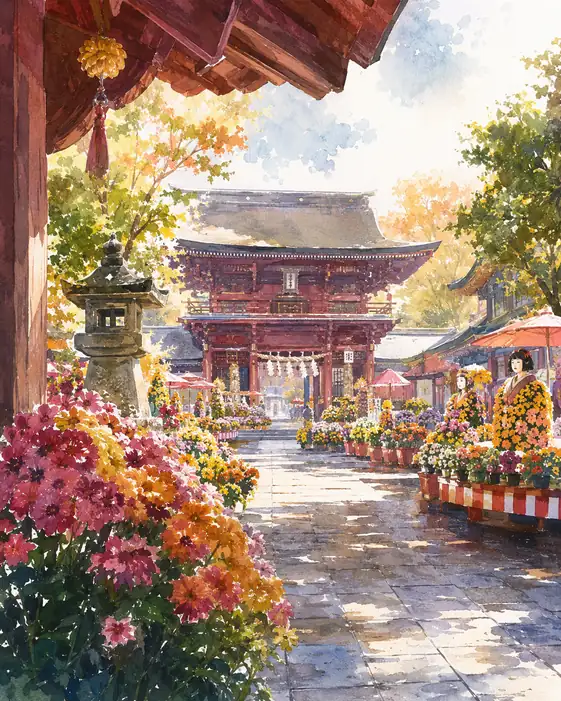 Flowers Await the Sacred Gate
Similar Artworks
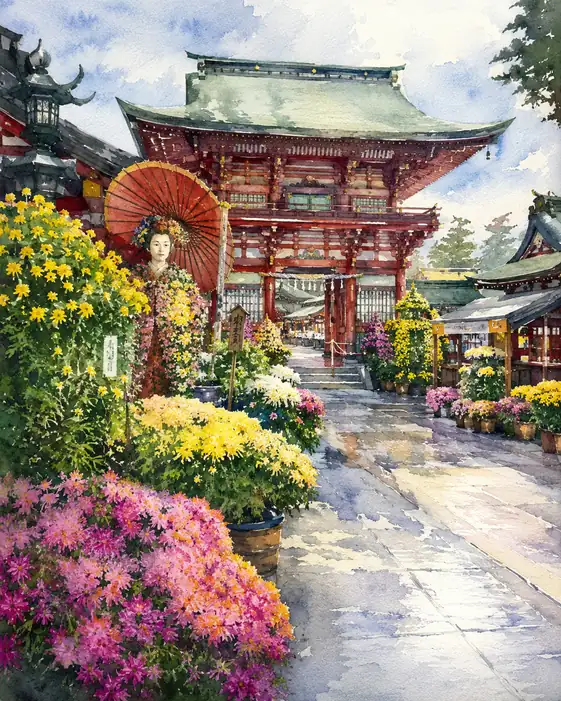 She Waits Where Prayer Blooms
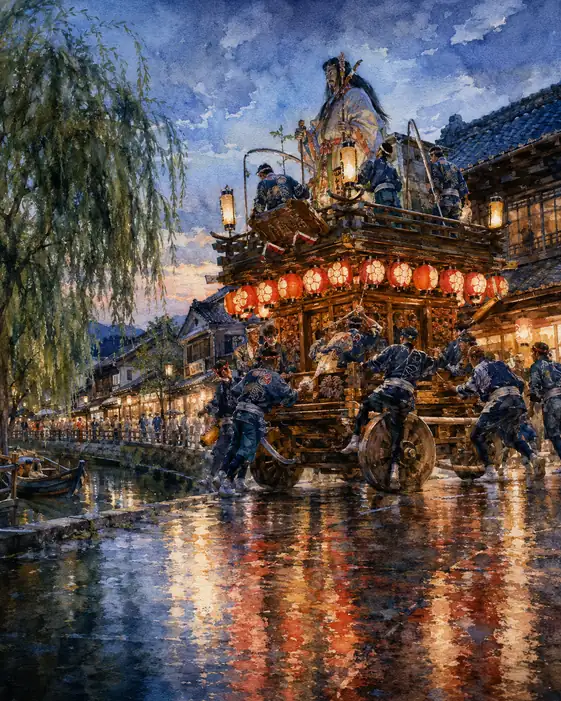 The Float Passes Through Rain
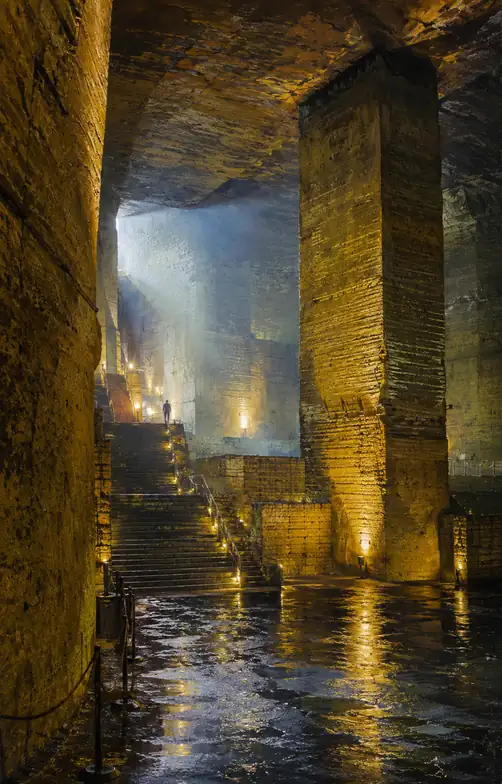 Cathedral of the Quarry
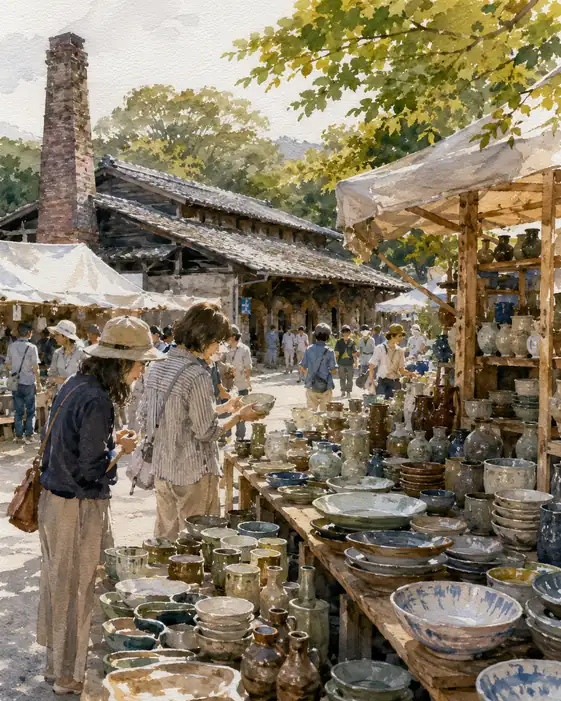 Hands Choosing the Memory of Fire
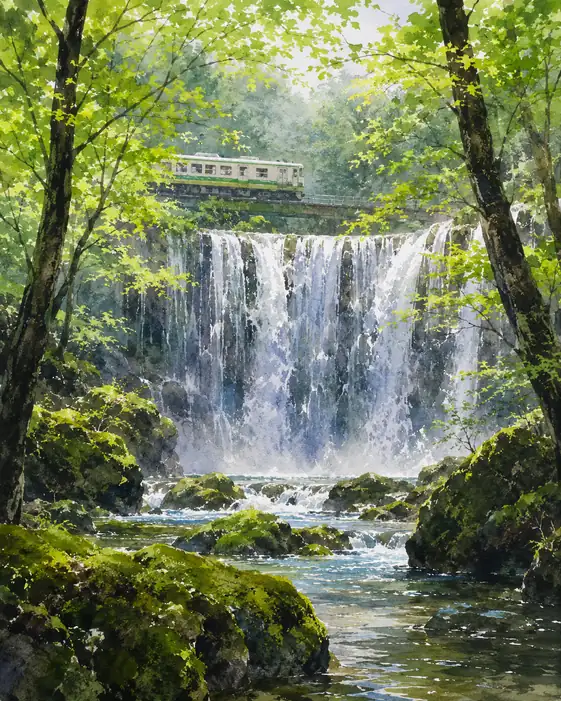 A Wind of Seven Blessings over Ryumon Falls
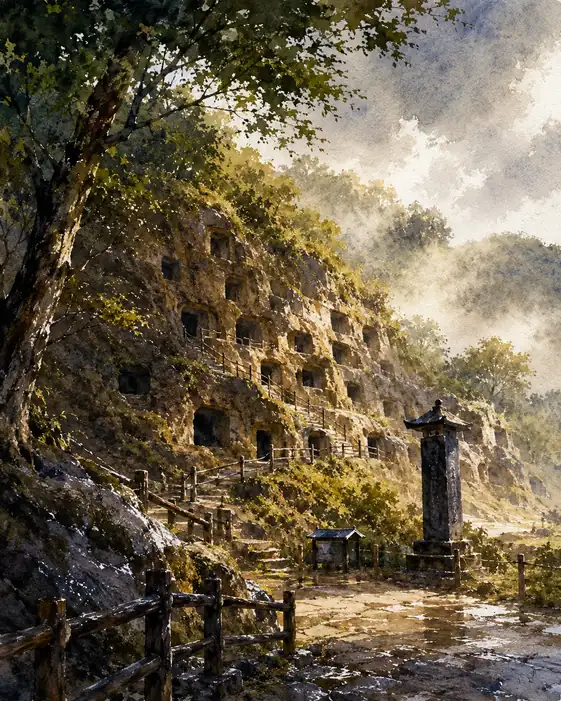 Caverns of Borrowed Light
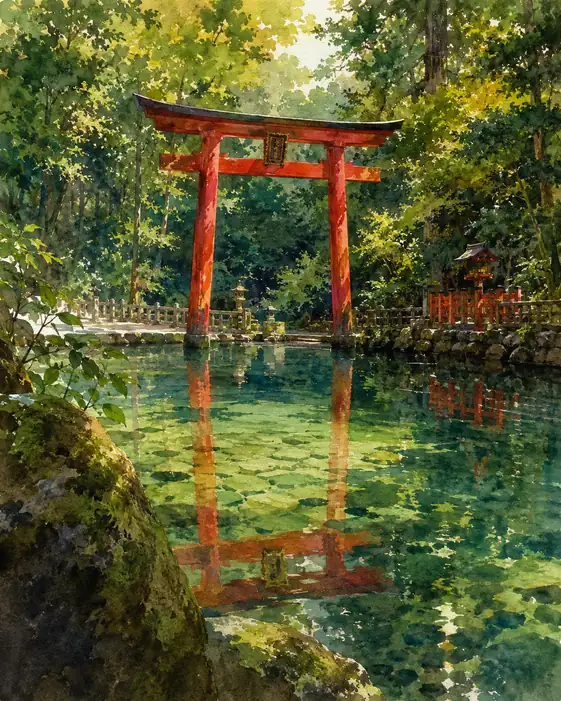 A Gate Reflected Inward
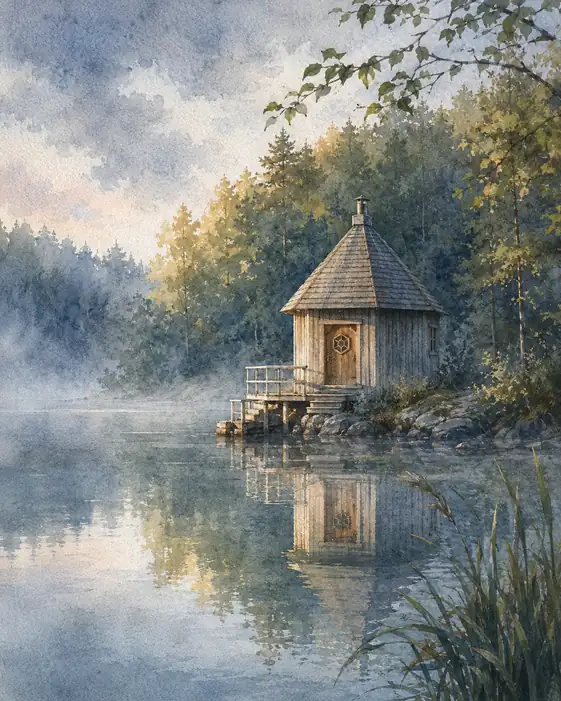 The Locked Door of the Lake
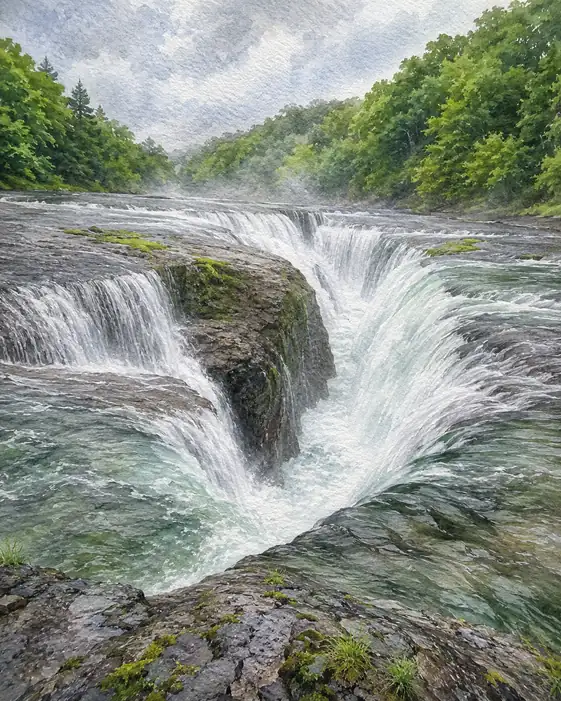 Where Water Carves Its Own Name
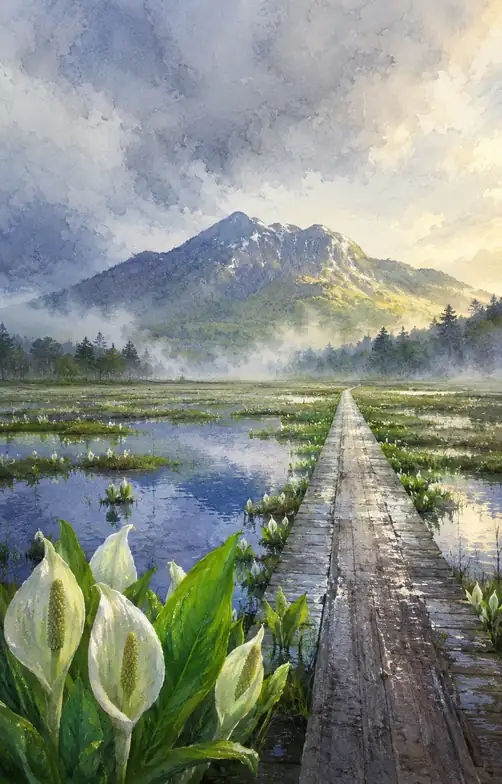 The White Flowers Guide My Steps