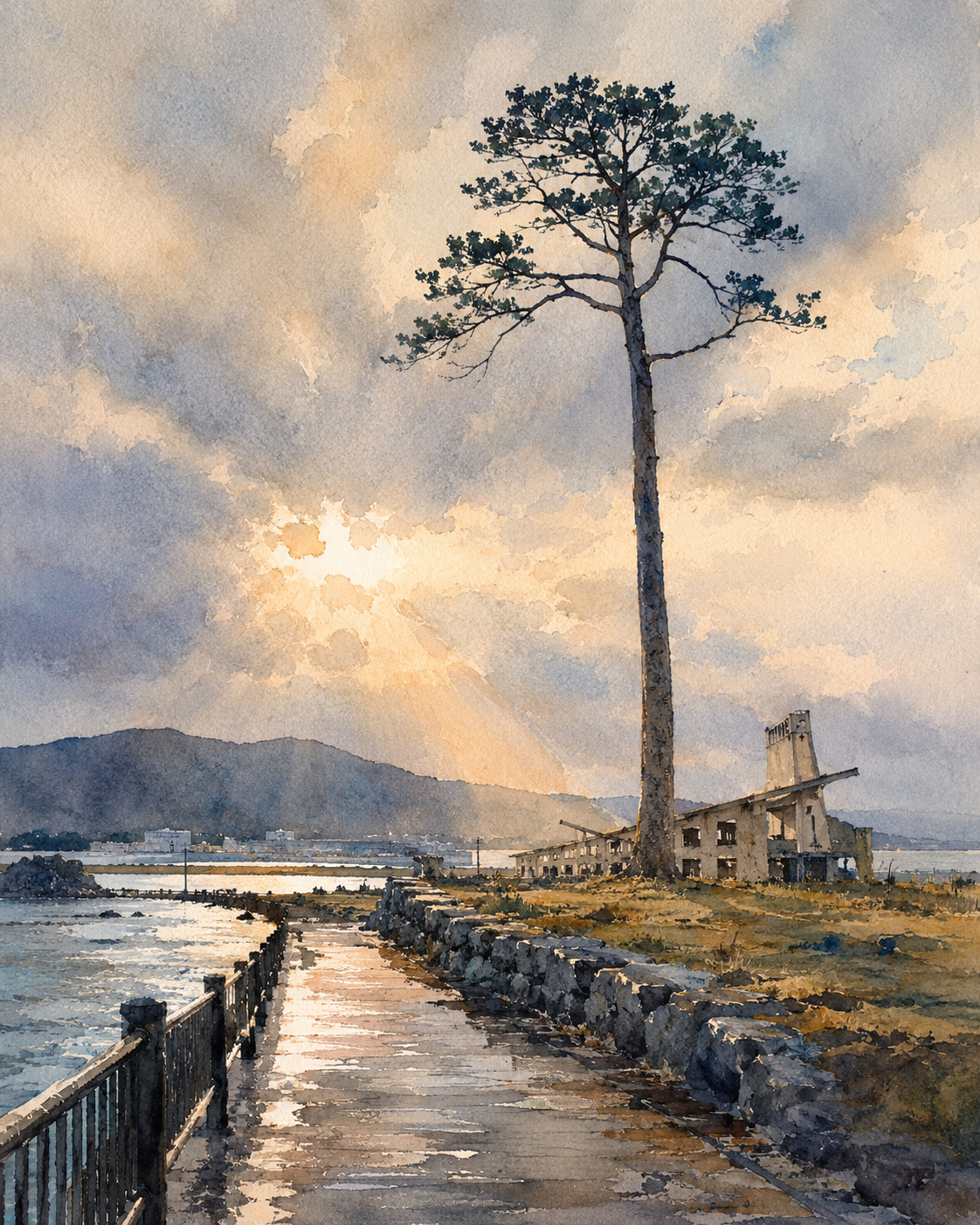
After the Wave, One Tree Remained
Critique
Introduction This vertical landscape painting presents the Miracle Pine standing beside the coast at Rikuzentakata. The solitary pine and ruined building establishes the subject, while shifts of light and distance enlarge the setting. The work treats the view as a study of survival made visible beside material evidence of rupture. Description In the foreground, a wet seawall and path lead inward from the lower left. Across the middle distance, the extremely tall pine rises beside the low remnant of a structure. Farther back, sunbeams break through cloud above distant mountains. The palette moves through gray blue, muted green, concrete brown, and pale gold. Sharp nearby edges and soft distant boundaries clarify the recession. Analysis The composition is organized by one commanding vertical set against a low horizontal coast. Firm drawing gives weight to pine bark, concrete, and wet stone, while broader, more transparent passages soften cloud light, water, and distant haze. Directional marks carry the eye toward the principal motif and keep the vertical format balanced. Interpretation and Evaluation The meeting of natural change and enduring form suggests survival made visible beside material evidence of rupture. Descriptive details remain subordinate to a stable tonal design, so atmosphere never dissolves the structure. Controlled color, assured drawing, and varied surface handling give the scene clarity, while the chosen viewpoint supplies a distinct sense of place. Conclusion The solitary pine and ruined building brings the major planes into a coherent sequence. What first appears to be a stark solitary tree gradually becomes an examination of memory held through the uneasy coexistence of endurance and damage. The measured light and disciplined composition sustain visual richness without losing emotional restraint.
Same Subcategory
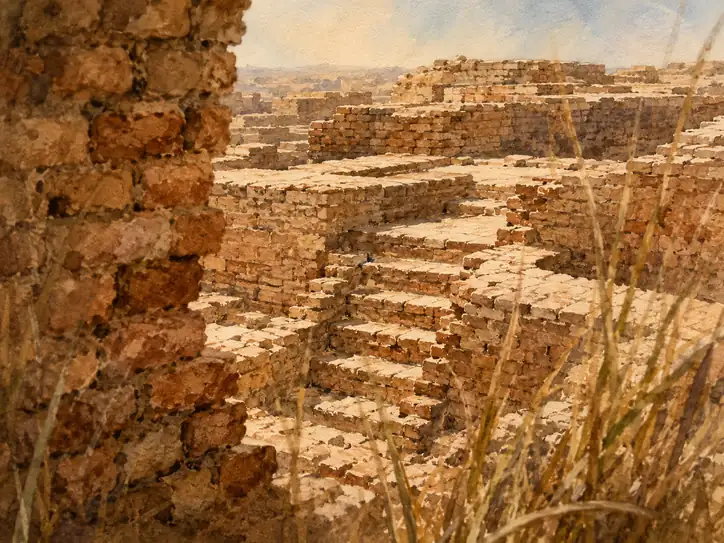 Steps into the Silent Past
Similar Artworks
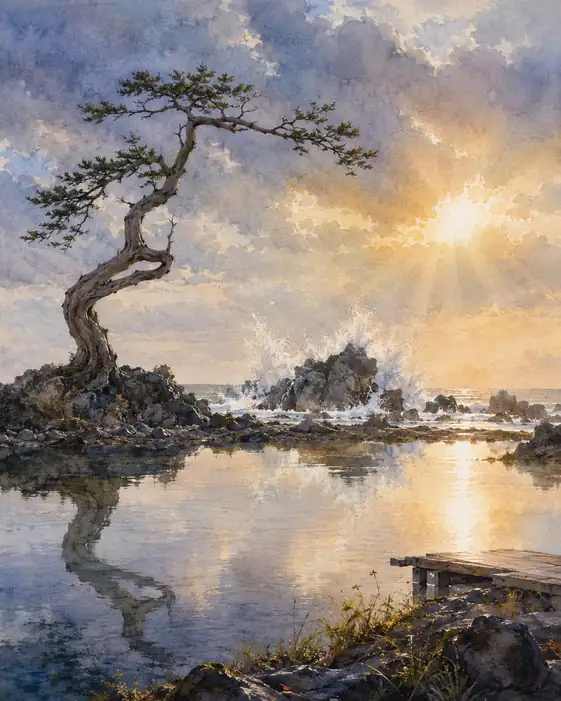 I Remain Where the Sea Changes
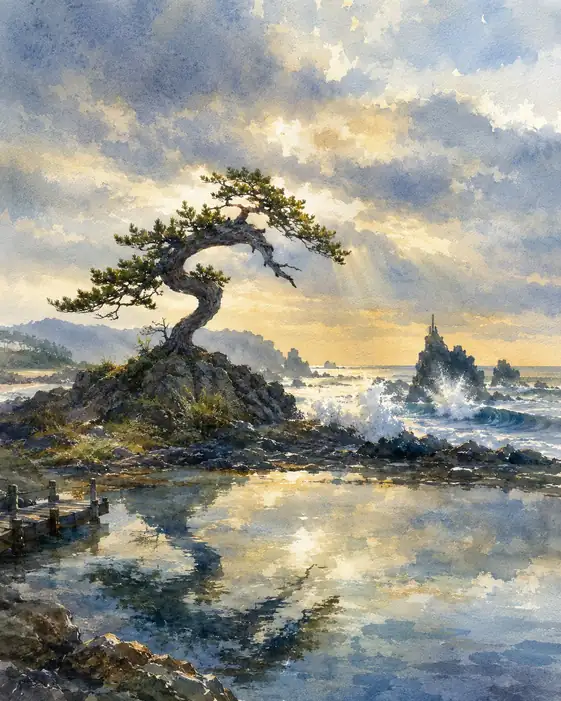 I Learned to Bend from the Sea
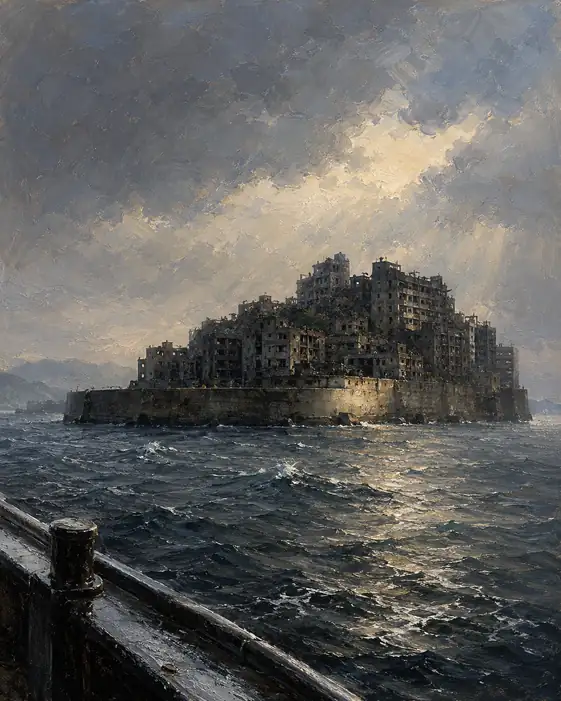 The Island That Outlived Its Voices
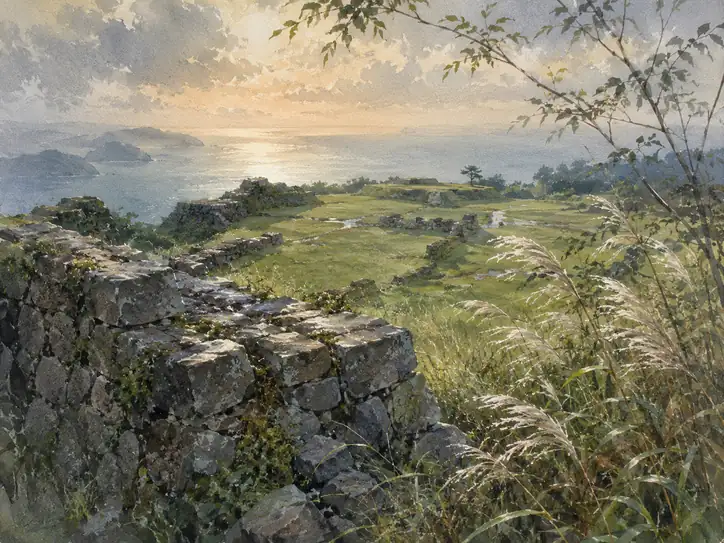 The Shore of Forgotten Dreams
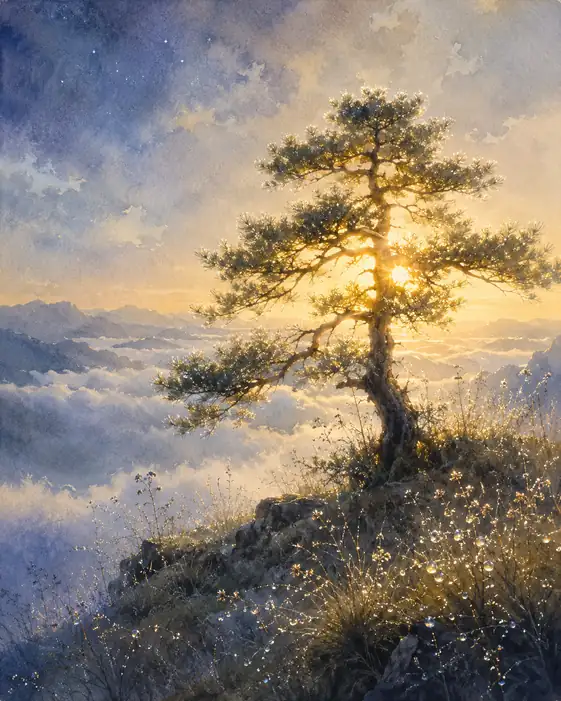 The Pine That Kept the Dawn
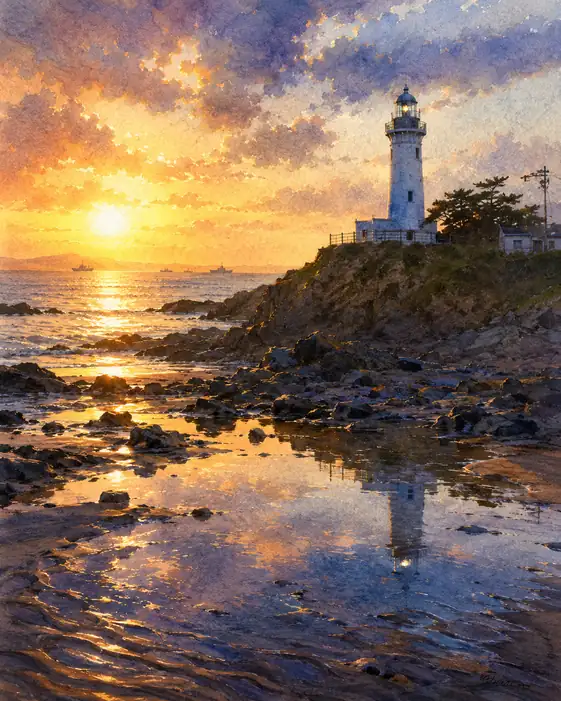 The Lighthouse Drinks the Last Sun
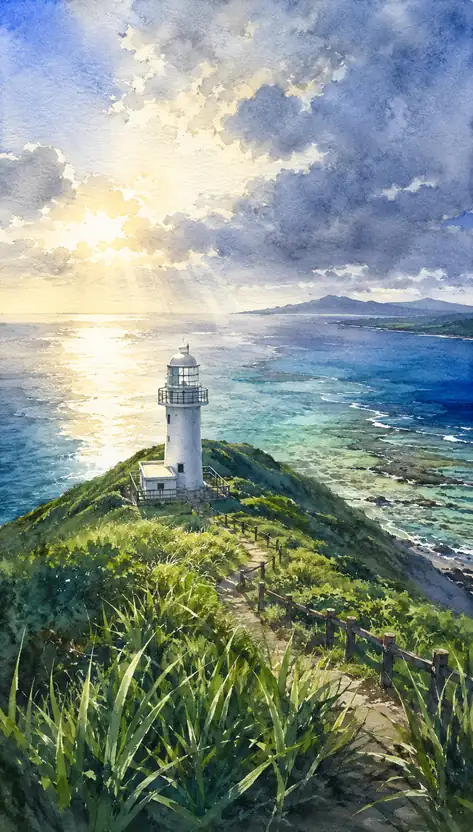 The Lighthouse at the Edge of Radiance
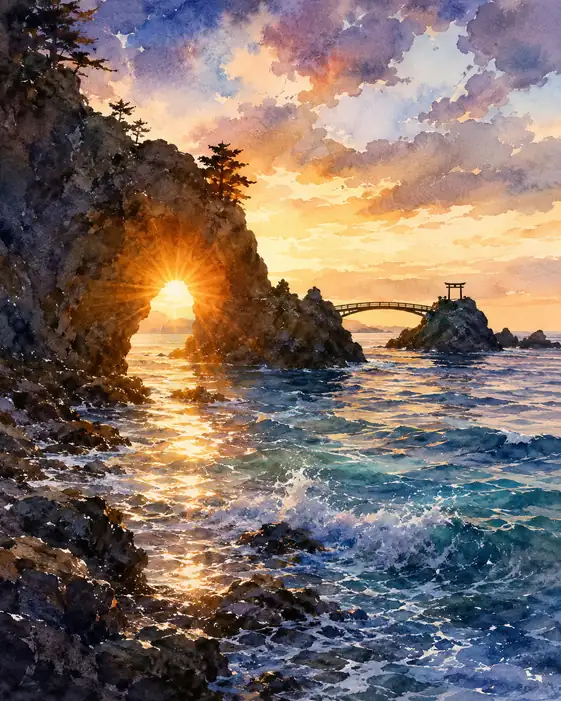 Three Gates for the Setting Sun
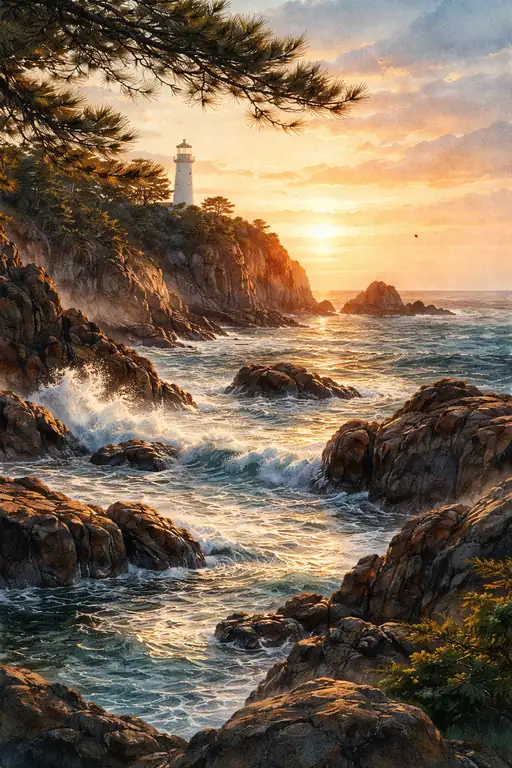 The Guardian's Golden Solitude
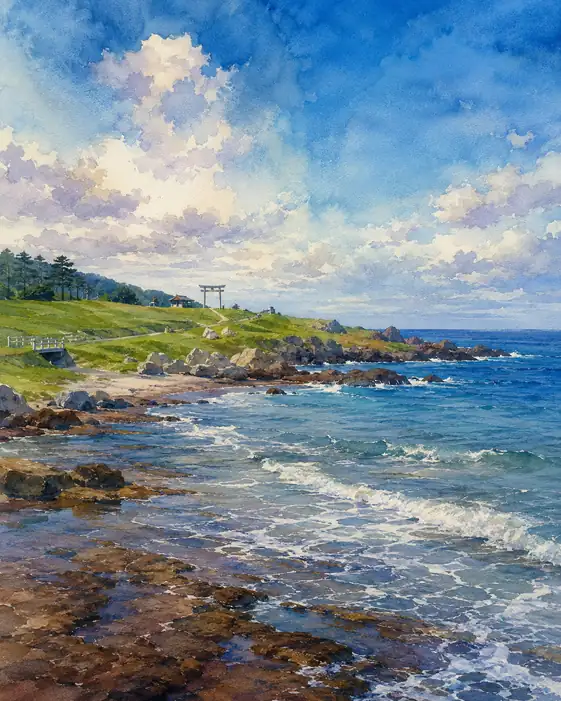 A Small Gate Beneath the Infinite Blue