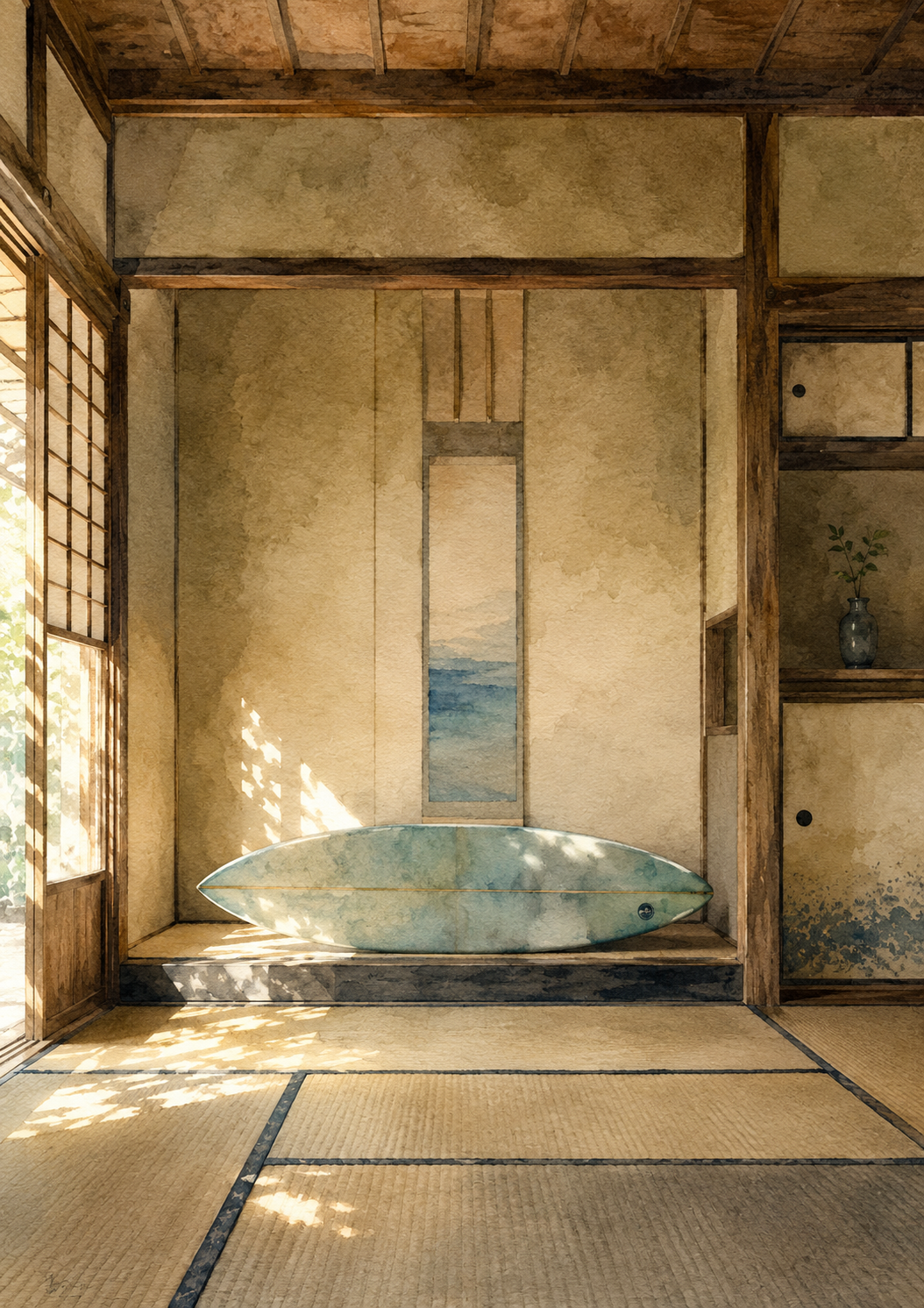
The Ocean Brought Inside
Critique
1. Introduction This watercolor painting portrays a light blue surfboard placed horizontally in the alcove of a traditional Japanese tatami room. The juxtaposition of the quiet, traditional interior and the active, oceanic surfboard creates a unique harmony and a poetic atmosphere. This essay analyzes the representation of light, shadow, and the symbolic quality of this scene. 2. Description In the center alcove, a surfboard rests directly on the floor. Behind the board, a hanging scroll depicting blue mountains and sea waves is displayed. To the right, a shelf with a small flower vase stands, while a shoji screen on the left admits strong sunlight, projecting detailed leaf shadows onto the tatami. 3. Analysis The color palette balances the natural, warm browns of the wooden pillars and tatami with the cool blue of the surfboard and scroll. Transparent watercolor washes effectively capture the texture of the woven straw mats and the light-transmitting quality of the paper screen. The horizontal board and scroll anchor the composition. 4. Interpretation and Evaluation The work symbolizes a longing for the ocean and adventure within a quiet, domestic sanctuary, mirrored by the hanging scroll. The artist's ability to render the complex leaf shadows on the tatami through soft, delicate washes demonstrates high technical control. Combining these contrasting cultural symbols successfully achieves a sophisticated, modern, and aesthetically successful artwork. 5. Conclusion Initially seen as an unusual still life, further observation shifts the viewer's focus to the peaceful passage of time and light. The quiet room acts as a temple harboring a dream of the sea. In conclusion, this painting achieves high artistic quality, demonstrating a masterly balance of watercolor techniques and a thoughtful, serene composition.
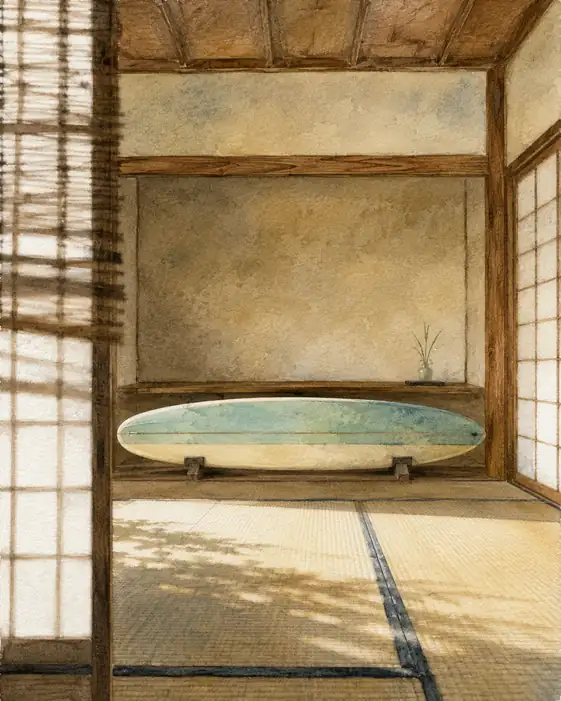 Waiting for the Wave
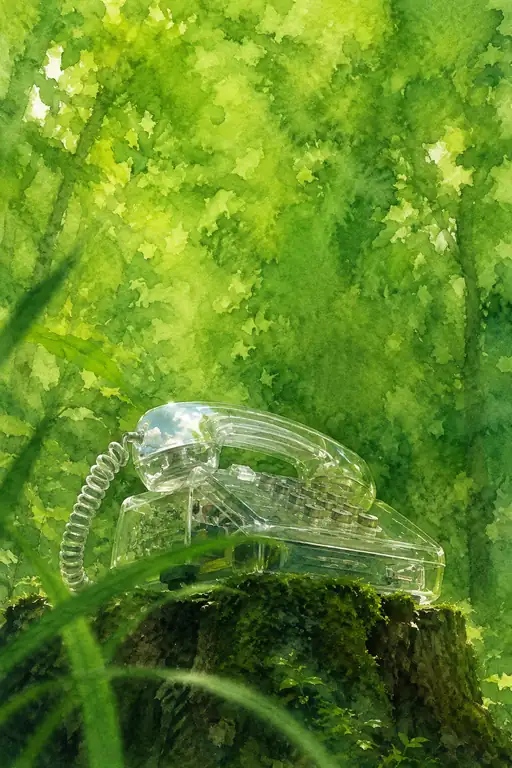 Calling the Silence
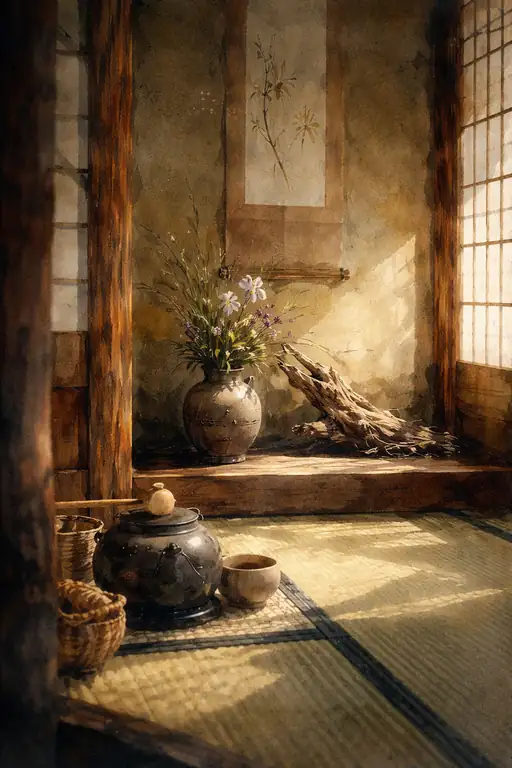 Stillness of the Tea Room
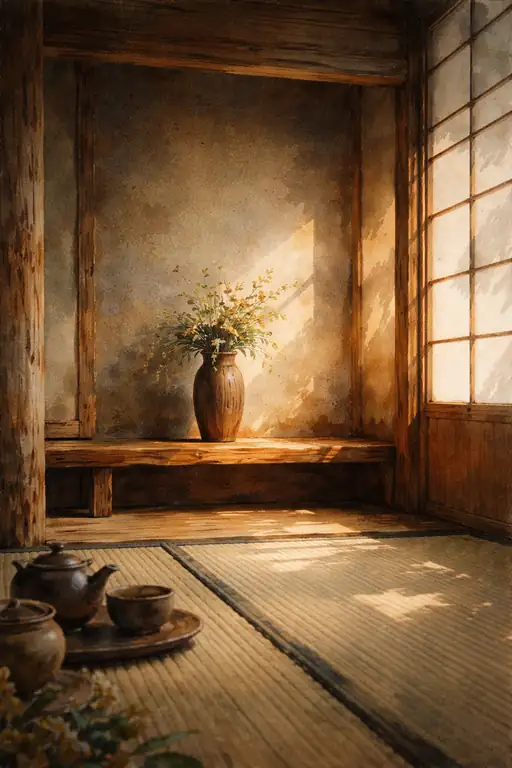 Morning Light Through Shoji
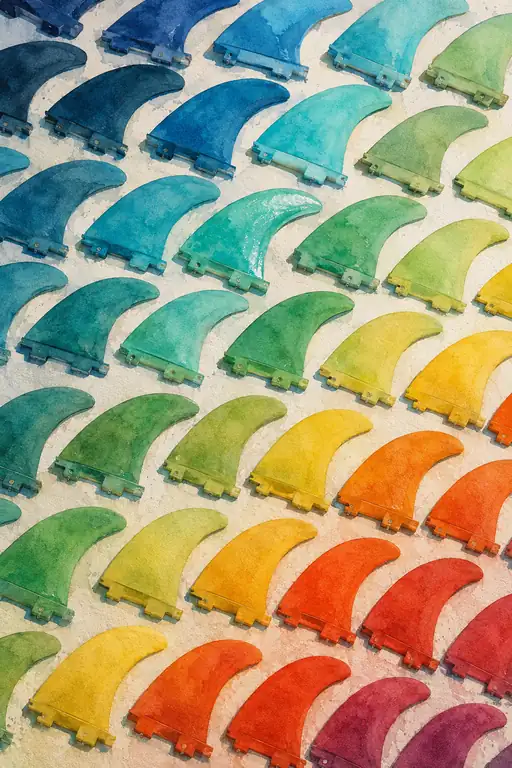 Rainbow Rhythms on the Summer Sand
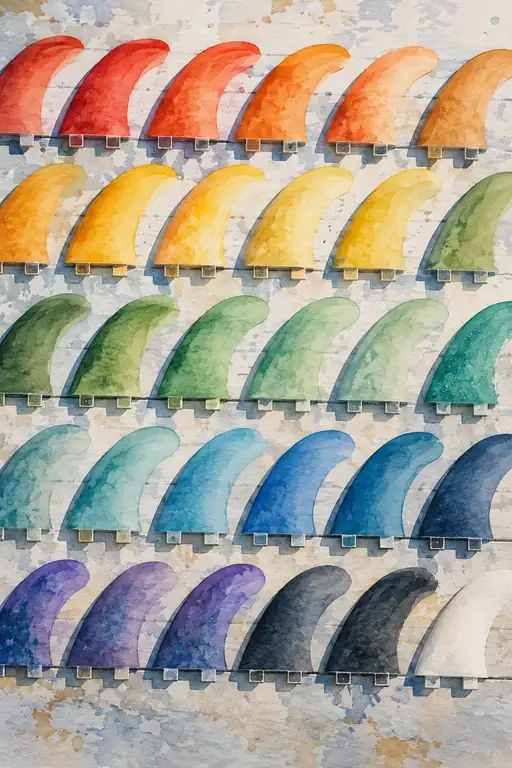 Specimens of the Tide
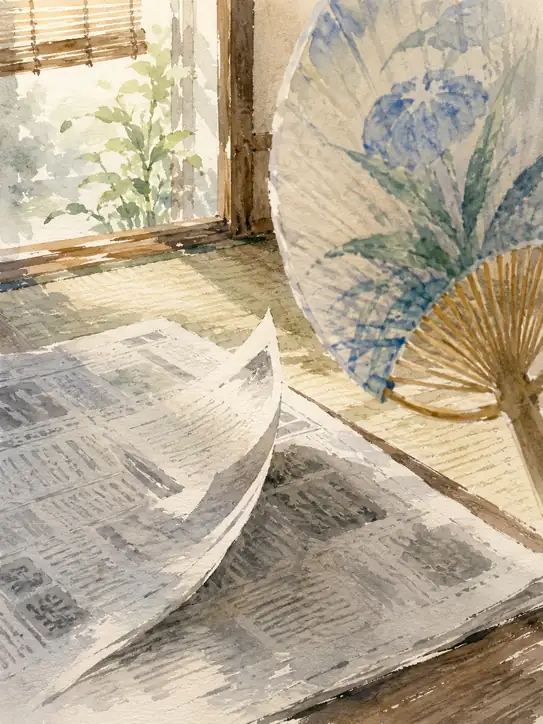 Whisper of the Summer Breeze
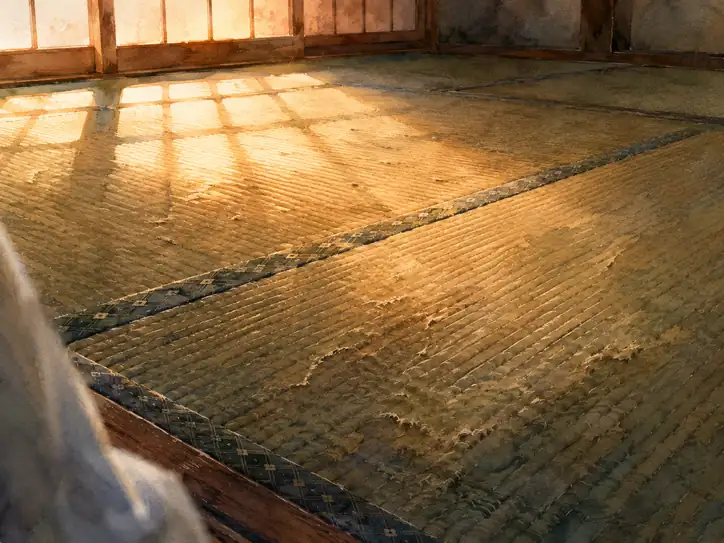 Traces of Time
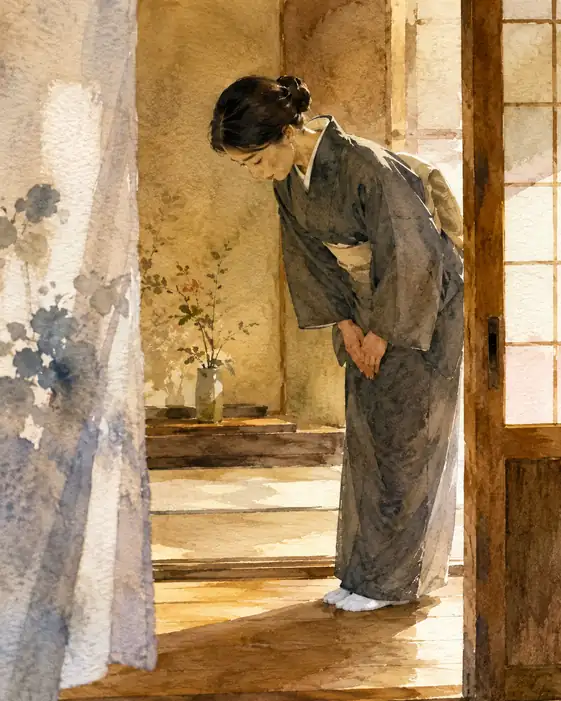 The Grace of Silence
 Echoes in the Amber Light
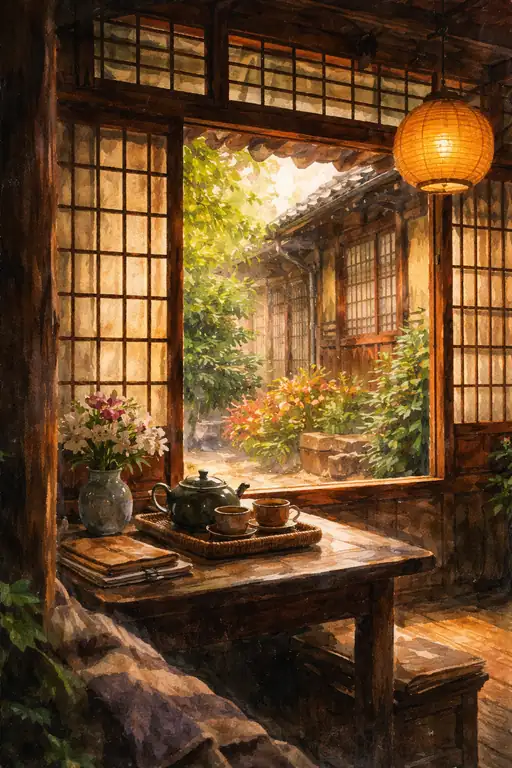 The Soft Glow of Peace in a Paper Lantern