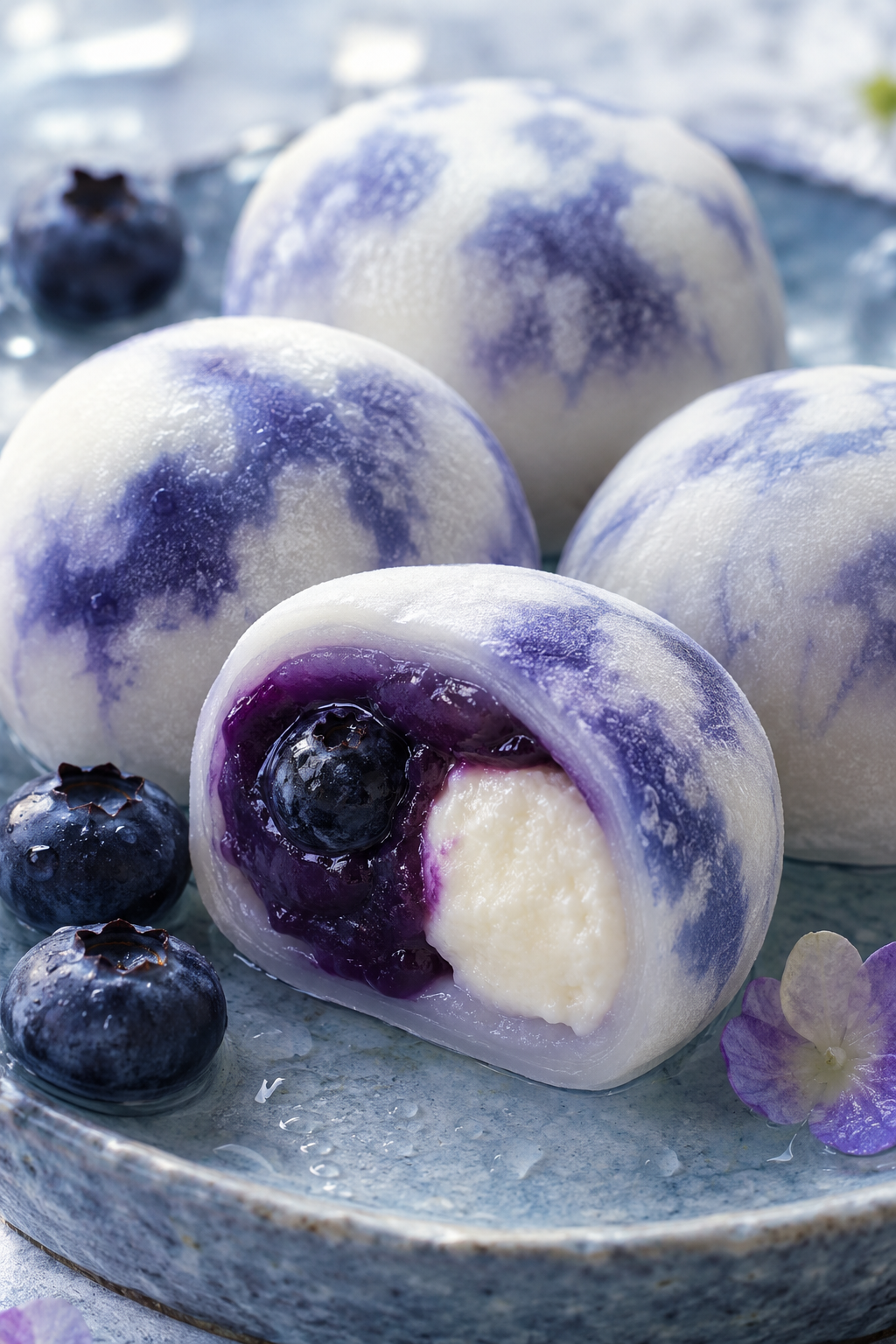
Indigo Raindrops
Critique
Introduction This still life painting showcases Japanese daifuku mochi decorated with blue and purple patterns resembling traditional aizome indigo dye. The round sweets are arranged on a blue glass plate, with one cut open to show its rich filling. Description The open daifuku reveals a dark purple blueberry paste and white cheese cream surrounding a whole blueberry at the center. Several whole blueberries lie scattered around the mochi on the wet glass surface. A single purple hydrangea flower rests at the bottom right, reinforcing the seasonal theme. Analysis The composition places the cut dessert in the foreground to show the rich interior texture, while the whole mochi are arranged in the background. Soft light enters from the left, highlighting the velvety skin of the mochi and the moist surface of the fruit. The indigo-blue color scheme brings a clean and unified aesthetic. Interpretation and Evaluation This artwork displays high originality in combining the culinary art of wagashi with the textile pattern of indigo dyeing. The realistic textures of the soft glutinous rice, smooth cream, and plump blueberries are executed with great skill. It successfully visualizes a cool, summer confectionery experience. Conclusion What initially seems like a simple culinary painting becomes a detailed appreciation of seasonal craft. The calming blue tones leave a refreshing impression of peace. This painting is a beautiful tribute to traditional Japanese elegance, captured in a modern culinary form.
Same Subcategory
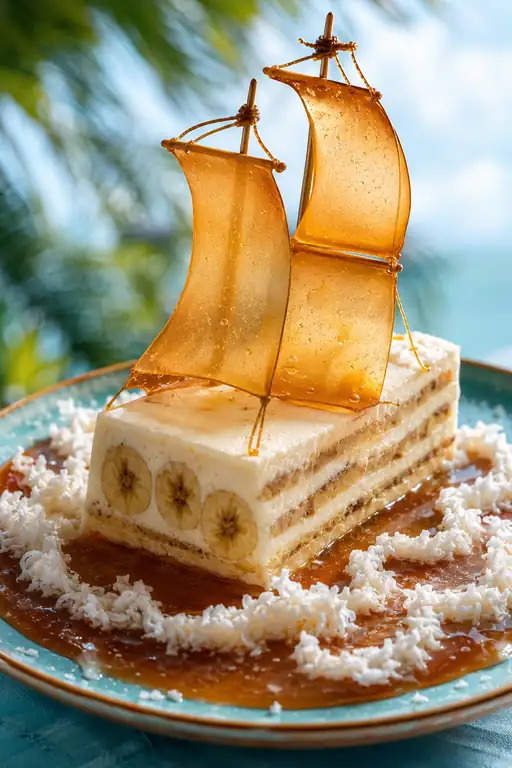 Sailing on a Golden Breeze
Similar Artworks
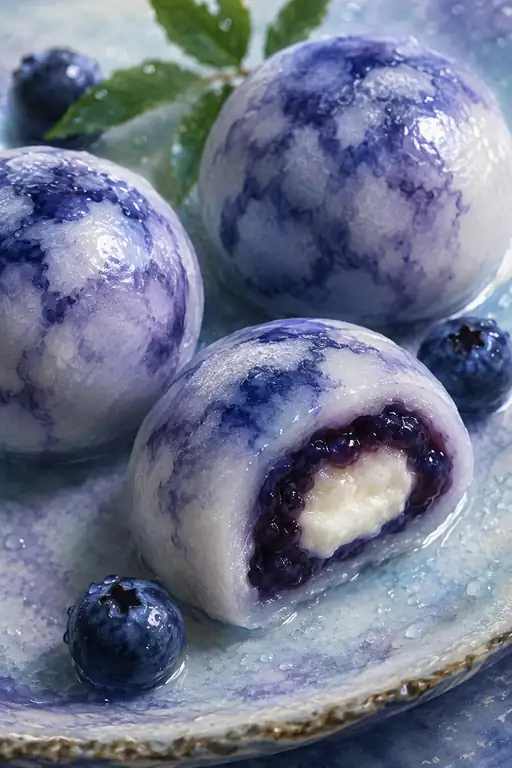 Morning Dew on Indigo Silk
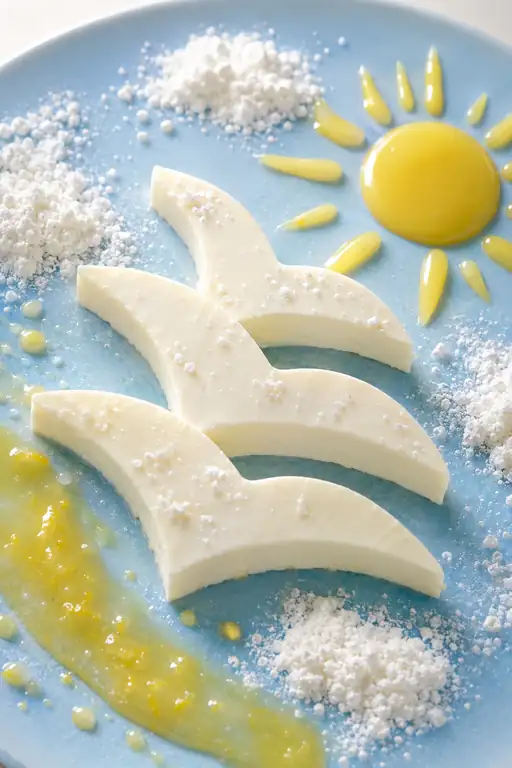 Flight Toward the Lemon Sun
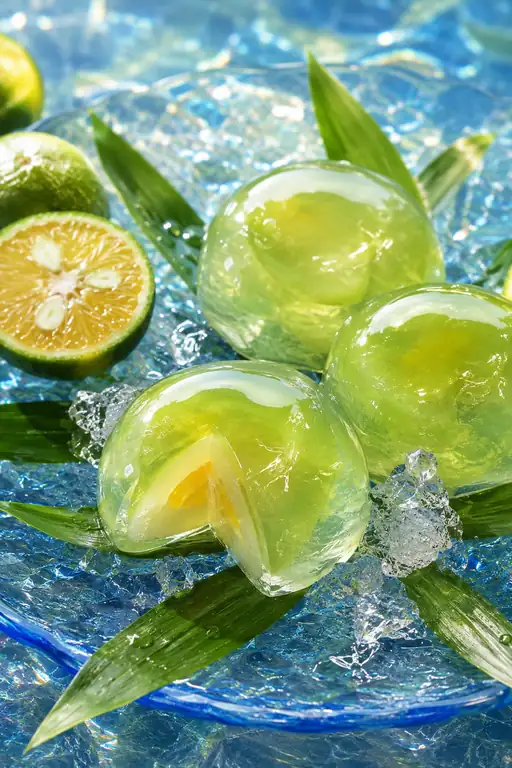 Through the Liquid Lens
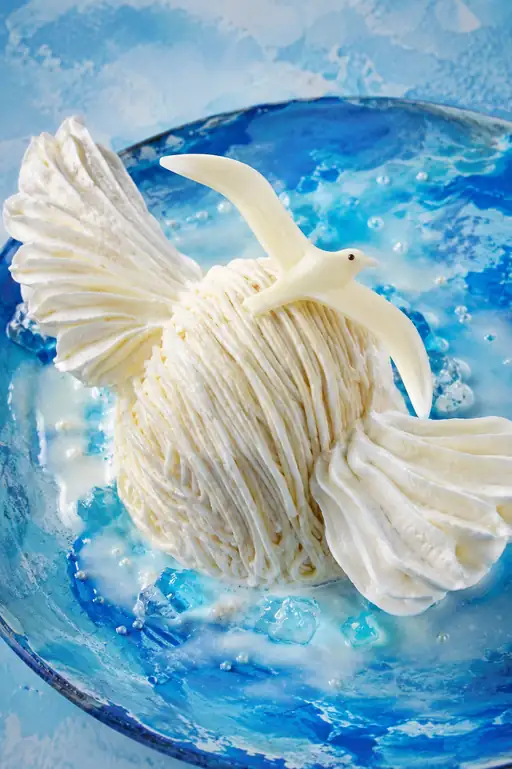 Spreading White Wings to the Blue Horizon
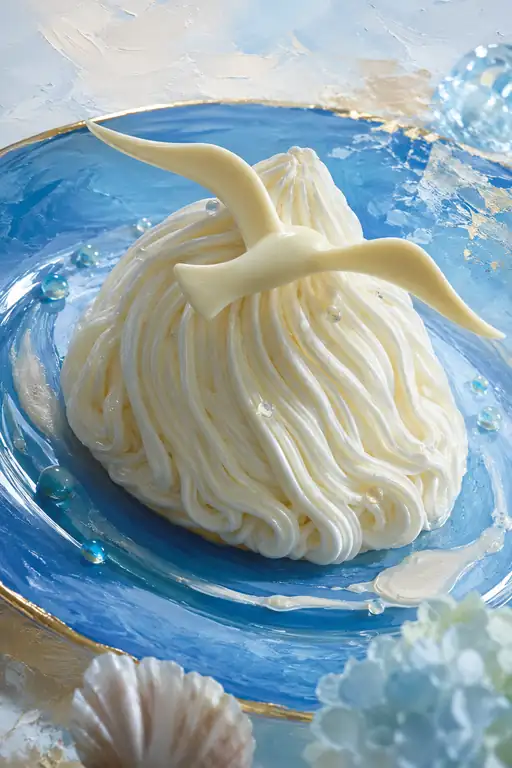 A Seagull Sailing on the Blue Sea Breeze
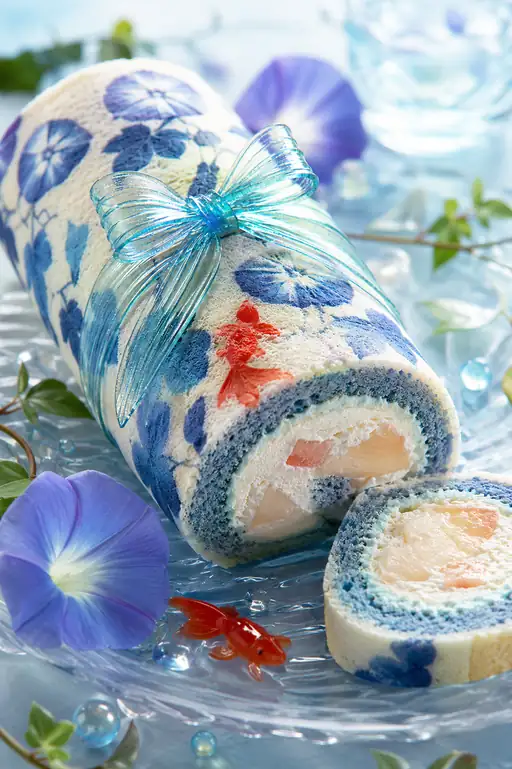 Wrapping Summer in a Morning Glory Yukata
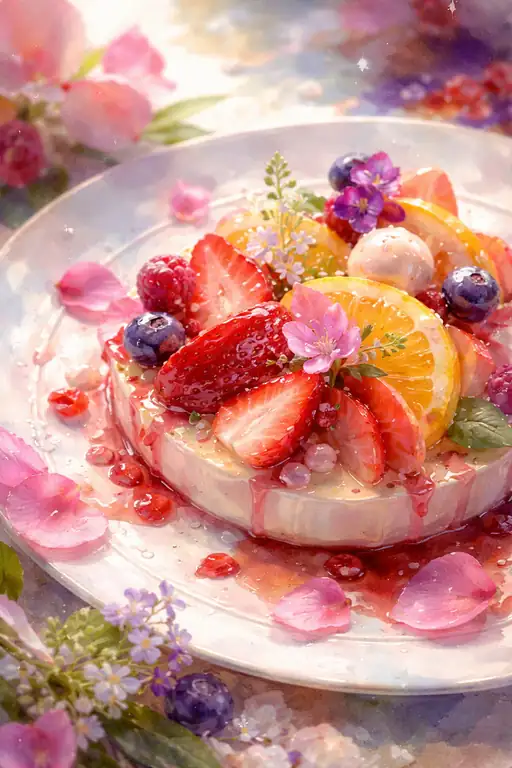 A Sun-Drenched Symphony of Eternal Sweetness
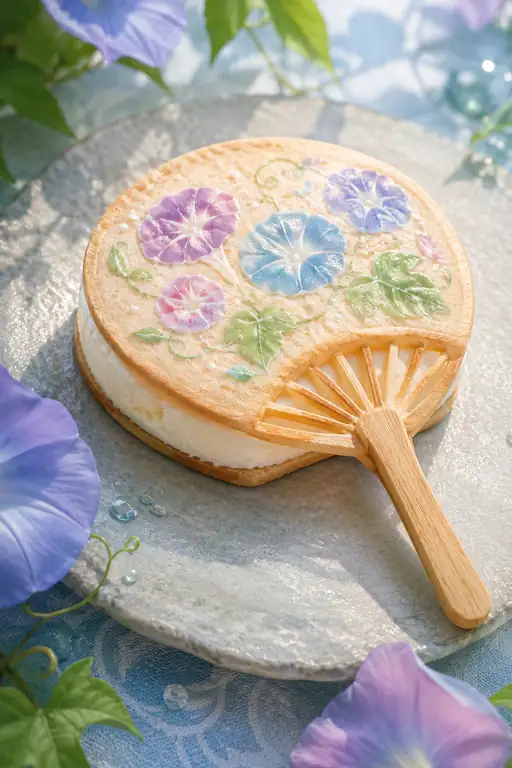 A Sweet Summer Breeze
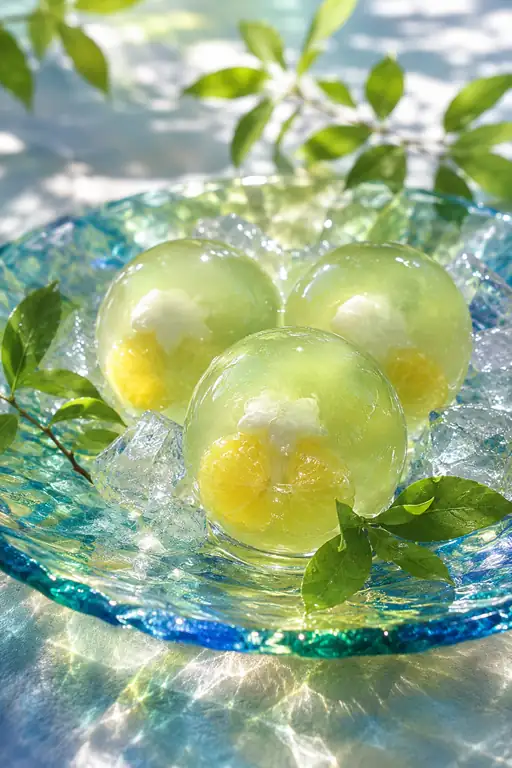 Captured Summer Raindrops
 Glacier Tower on a Sea of Glass