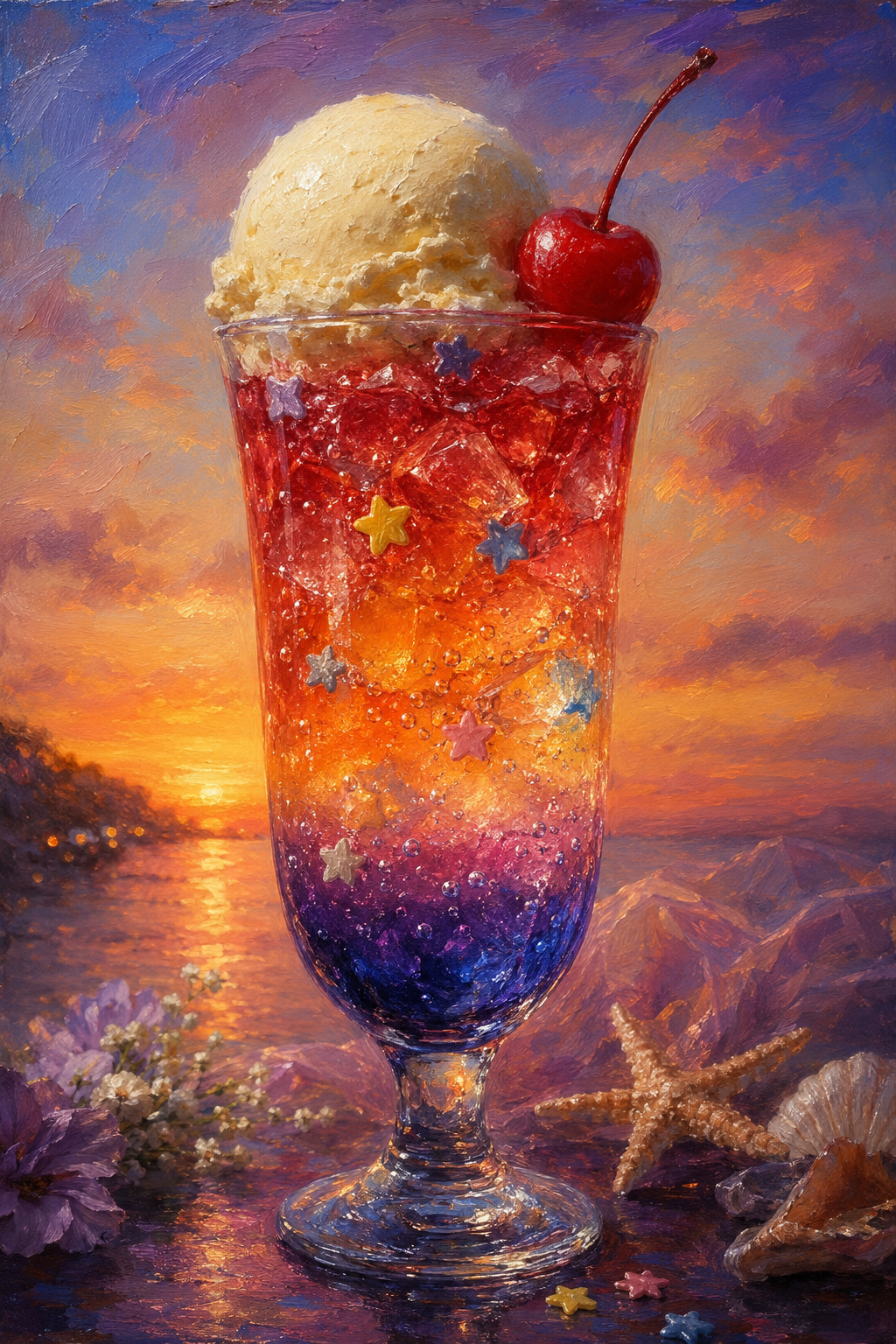
Dusk in a Glass
Critique
Introduction This painting presents a tall sparkling sunset drink topped with ice cream and a red cherry. Its first impression is shaped by crimson, orange, violet, and warm gold, which establish a clear visual identity and an immediate emotional temperature. The subject is familiar, yet its staging encourages slow and attentive looking. Description The principal motif is organized through the upright glass divides the seascape while the horizon stabilizes the image. Surrounding details clarify the setting without competing with the focal form. Light travels across the surfaces, distinguishing solid edges, reflective passages, and softer atmospheric zones. Analysis The composition gains stability from repeated curves, diagonals, and intervals of open space. The handling relies on transparent layered color, bubbles, and sharp highlights. These choices create depth while preserving a decorative coherence. Color contrast directs attention, and changes in scale keep the eye moving between the main subject and its context. Interpretation and Evaluation The image may be read as refreshment joined with the fleeting drama of sunset. Its descriptive skill is evident in the differentiated textures, while the controlled arrangement demonstrates strong compositional judgment. The color design is persuasive because vivid accents are balanced by quieter supporting tones. Its originality lies less in novelty of subject than in the imaginative transformation of visible materials through light and arrangement. Conclusion Overall, the painting combines careful observation with a deliberately heightened atmosphere. What first appears to be a direct presentation gradually reveals a study of rhythm, surface, and spatial tension. The work is most successful when technique, color, and structure reinforce the same focused mood.
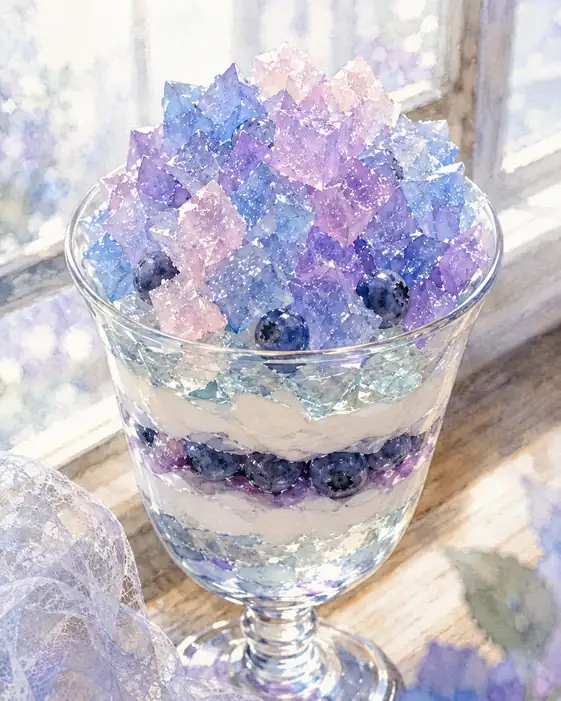 Rainy Day Jewels
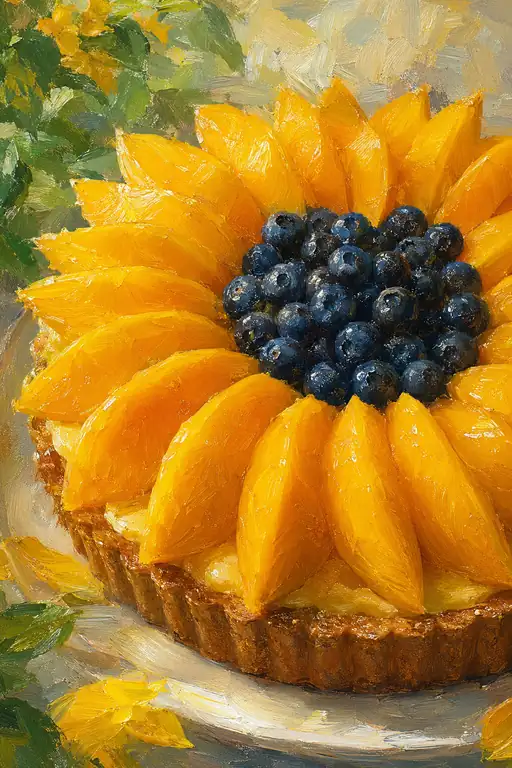 Vibrant Summer Bloom
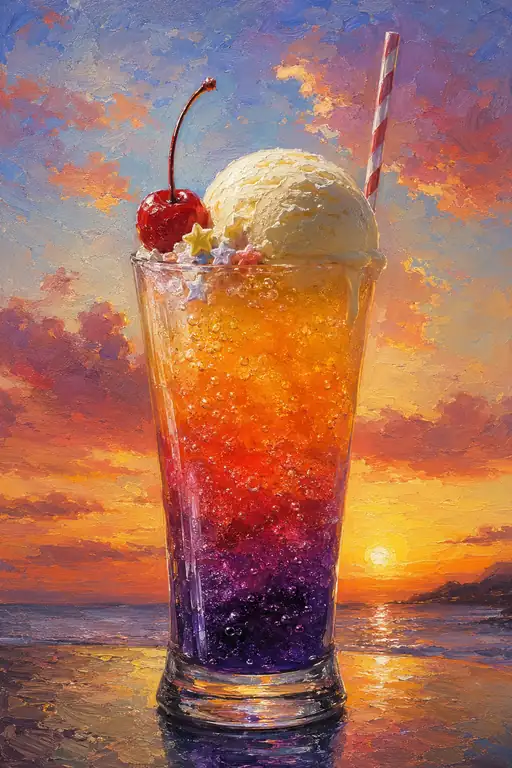 Sipping the Fading Dusk
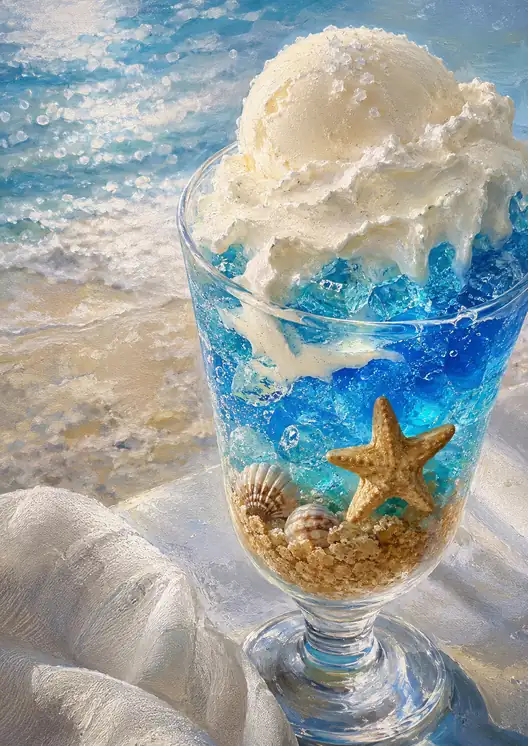 Whispers of the Glass Shore
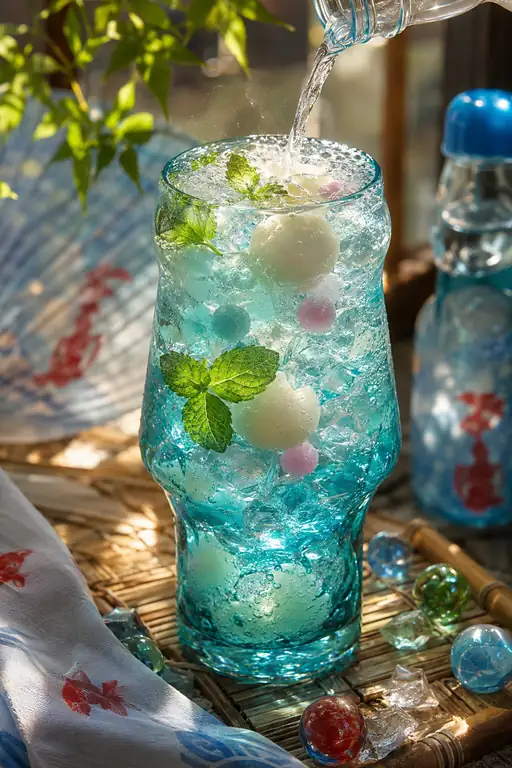 Summer in a Soda Bottle
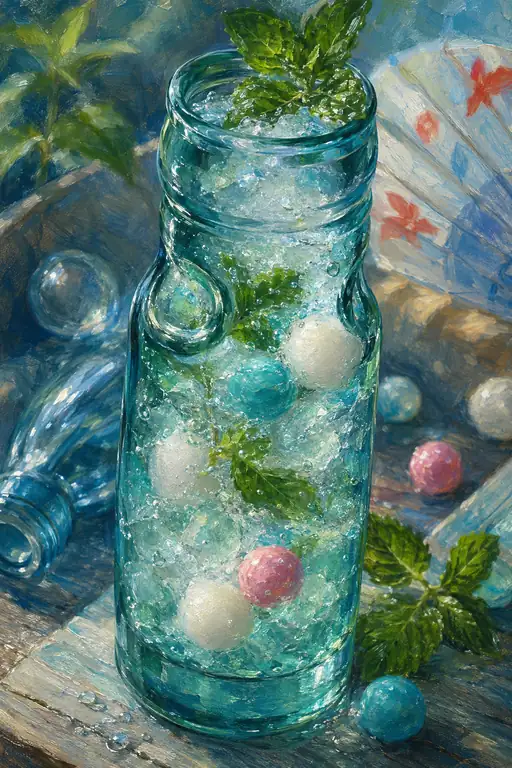 The Day the Marble Sang
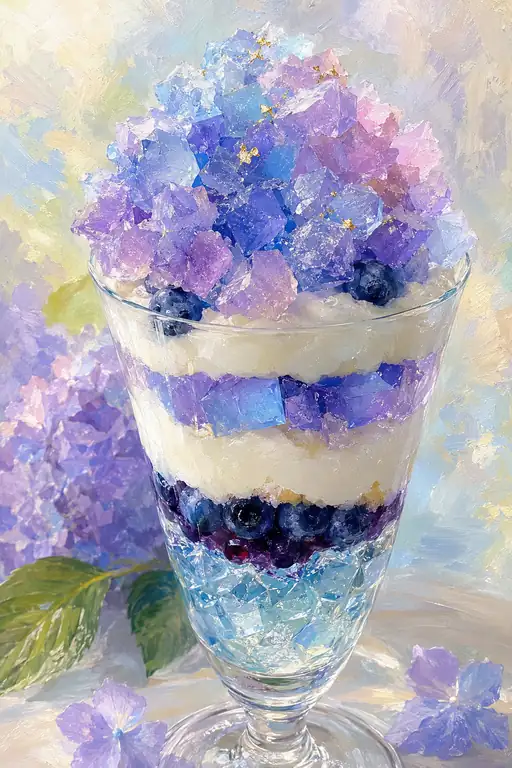 Shimmering Hydrangeas in a Glass
 Nostalgic Bears in the Sweet Summer Snow
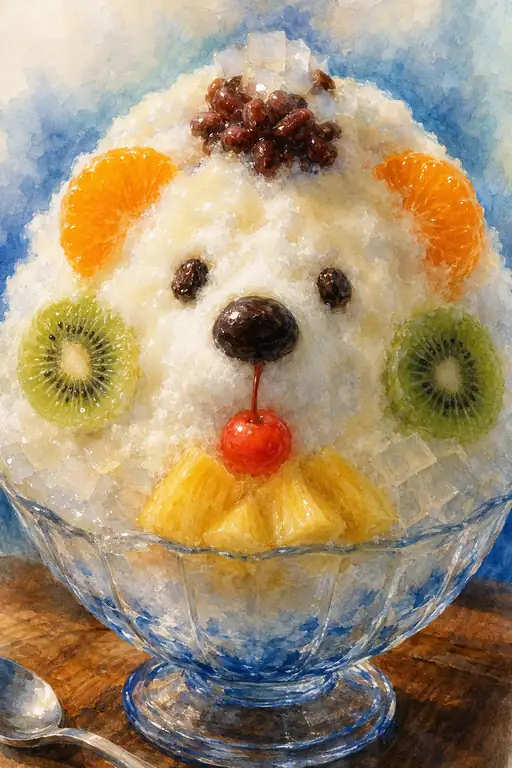 A Sweet Friend from a Distant Summer
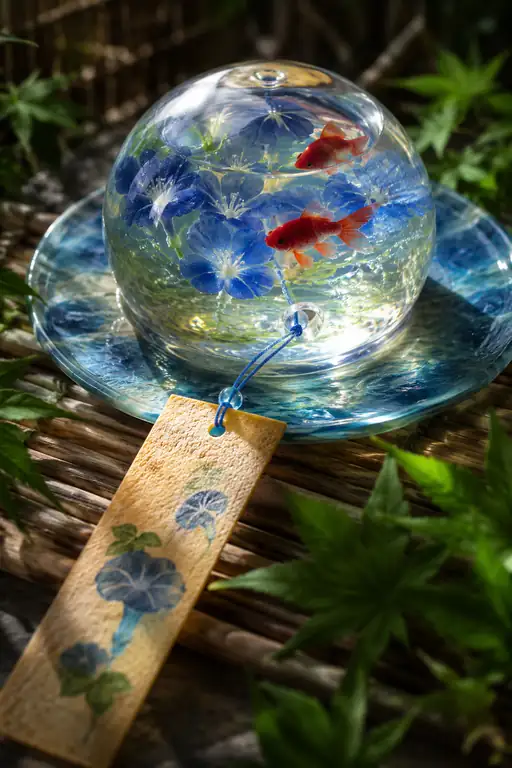 A Drop of Summer Breeze
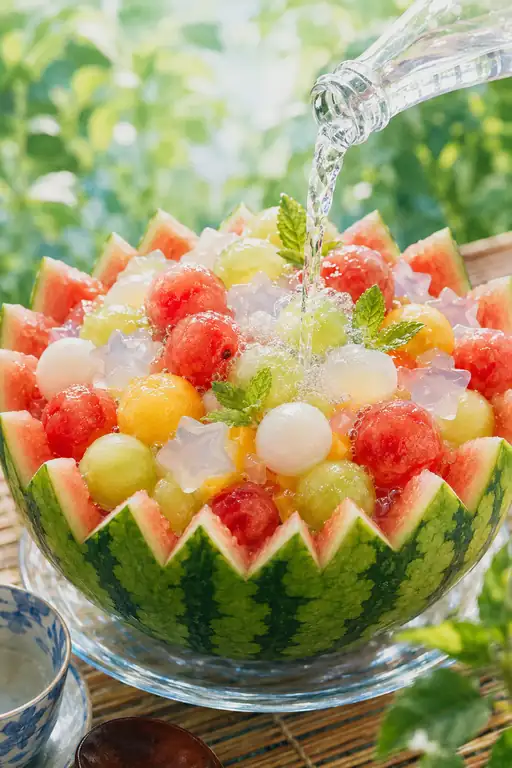 Summer Coolness in a Watermelon Shell