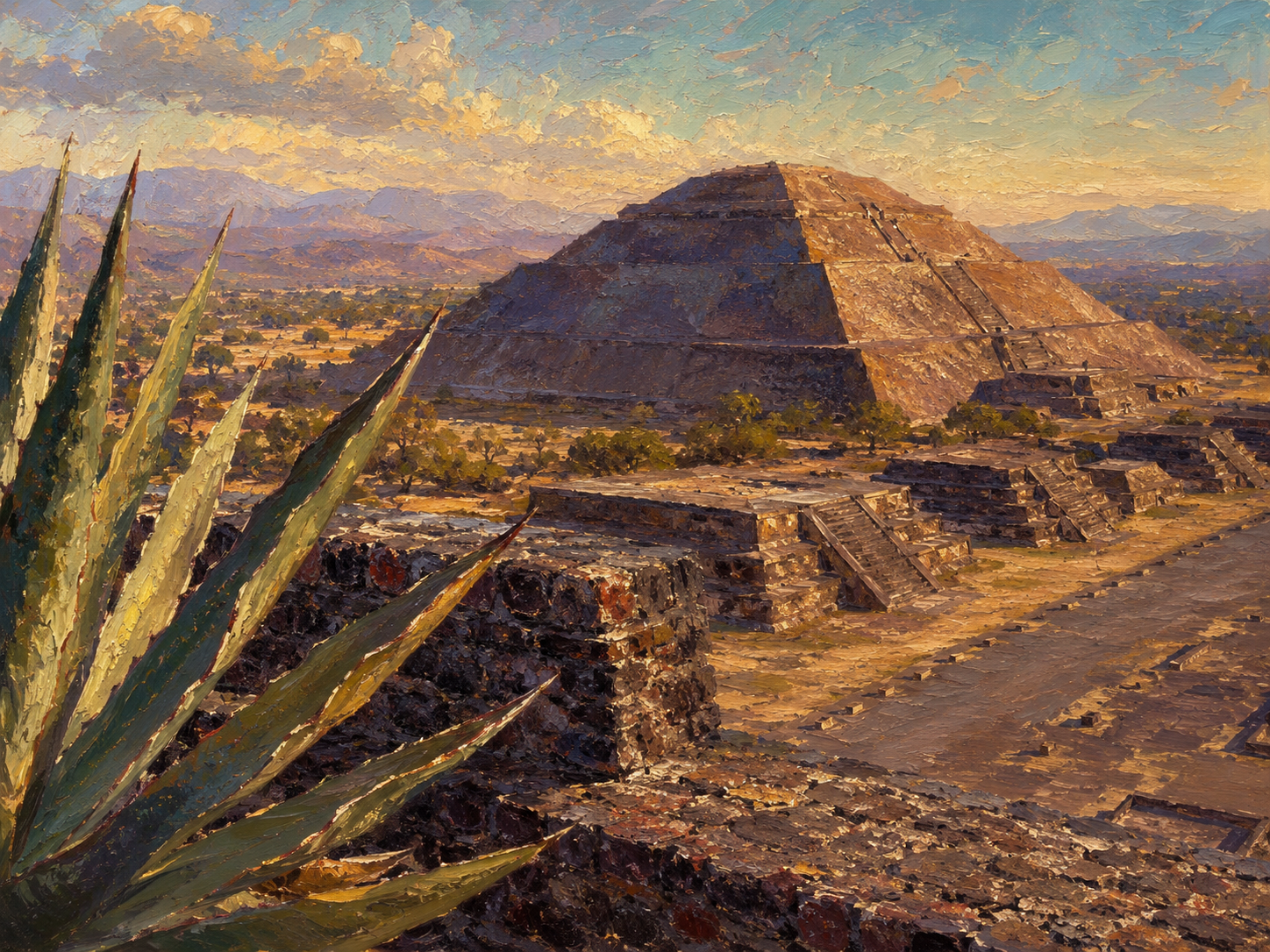
Altar of the Eternal Sun
Critique
1. Introduction This oil painting depicts a massive step pyramid rising in a vast wilderness. The sharp silhouette of a succulent in the foreground emphasizes the monumental scale of the stone structure beyond it. Warm light turns the steps and surrounding ruins golden, then spreads toward distant mountains and a pale sky. Dry earth, heavy stone, and living plants combine to create a mysterious atmosphere suggestive of an ancient civilization. 2. Description On the left, sharp leaves of an agave grow beside ruined stone structures. In the middle ground, low stone platforms with steep staircases are aligned. Behind them, the giant pyramid rises, showing a clear division between its sunlit and shadowed slopes. Purplish mountains stretch under a golden sky. 3. Analysis The three-tiered layout from agave to ruins and mountains creates profound depth. Warm ochres and browns contrast with the green agave and cool purplish mountains. Heavy impasto brushstrokes recreate the rough texture of dry stone and succulent leaves. The geometric light and shadow emphasize the strong forms. 4. Interpretation and Evaluation This work reflects on the passage of time by contrasting organic nature with artificial ruins. The combination of natural light and expressive brushwork highlights the painting's high quality. This technique communicates the dry air and silent energy of the site. It stands as a masterpiece. 5. Conclusion Initially perceived as a simple landscape, the painting soon captivates through its spiritual harmony of light. The contrast between sharp nature and solid architecture creates a quiet tension. Ultimately, this work beautifully illustrates the permanence of nature against human transience through light.
Same Subcategory
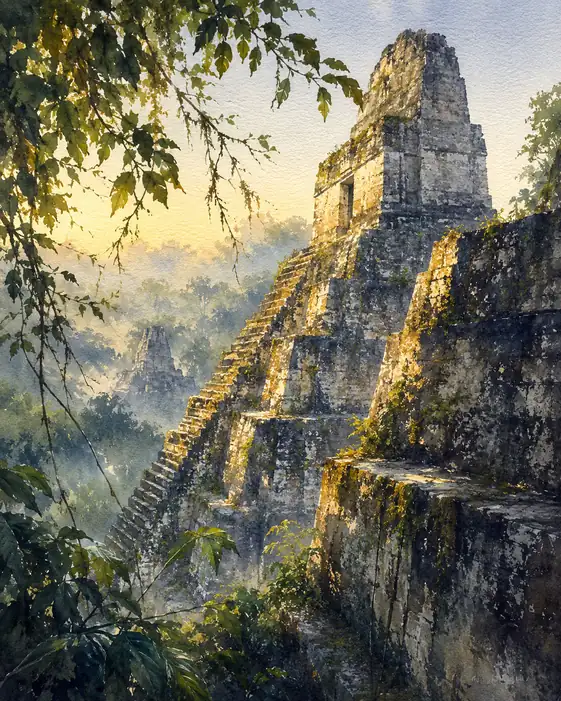 Silent Ascent to the Golden Light
Similar Artworks
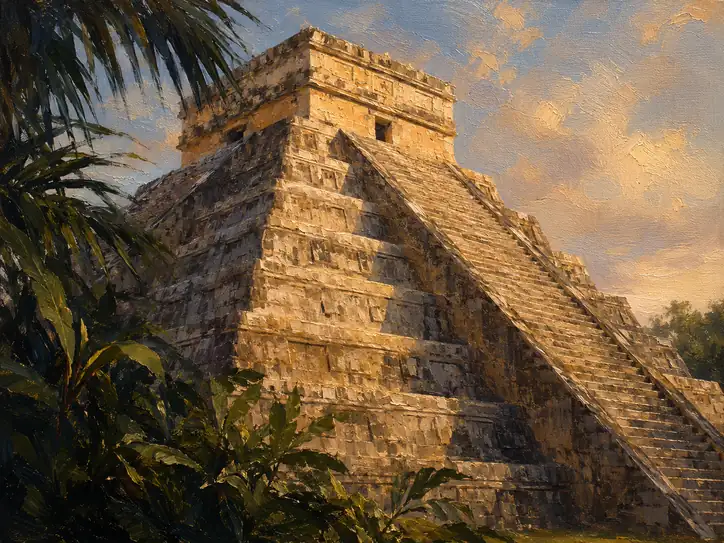 Golden Reverie of the Ancient Sanctuary
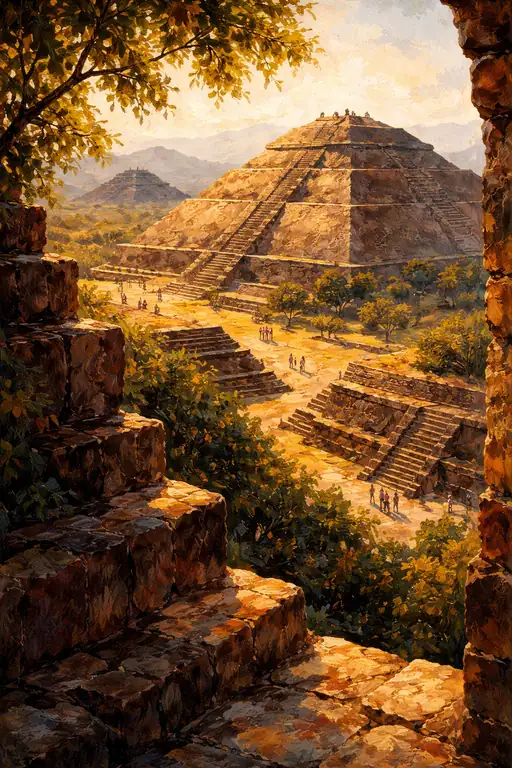 Echoes of the Sun: Steps of the Ancients
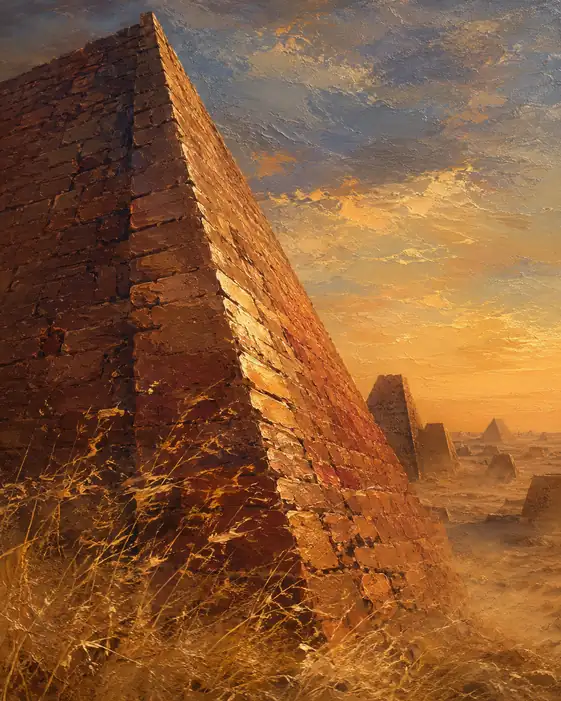 Eternity in Golden Silence
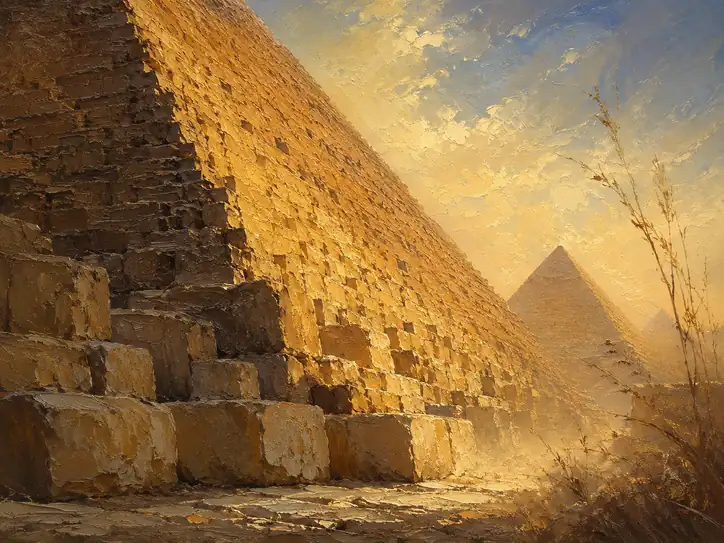 Eternity in Golden Dust
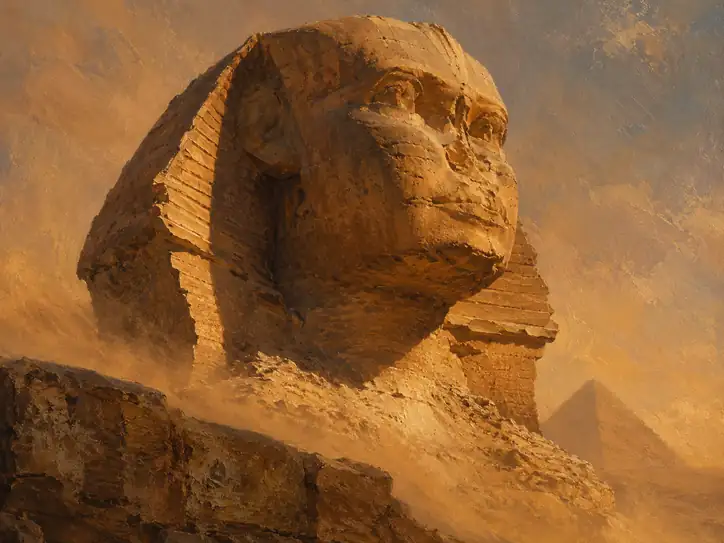 Gaze of the Silent Stone
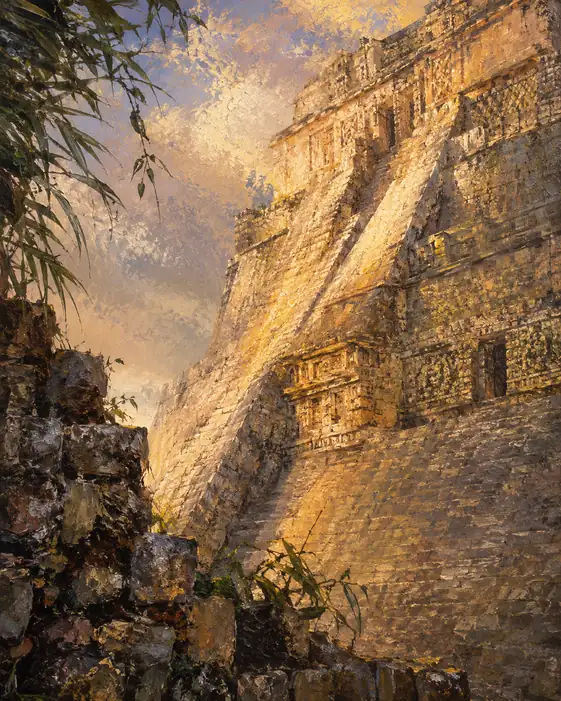 The Last Ray of a Forgotten Empire
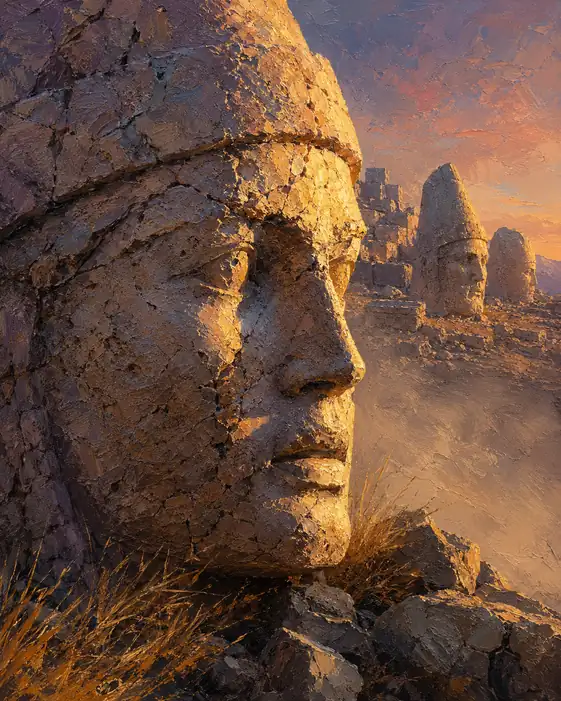 Gaze into the Golden Horizon
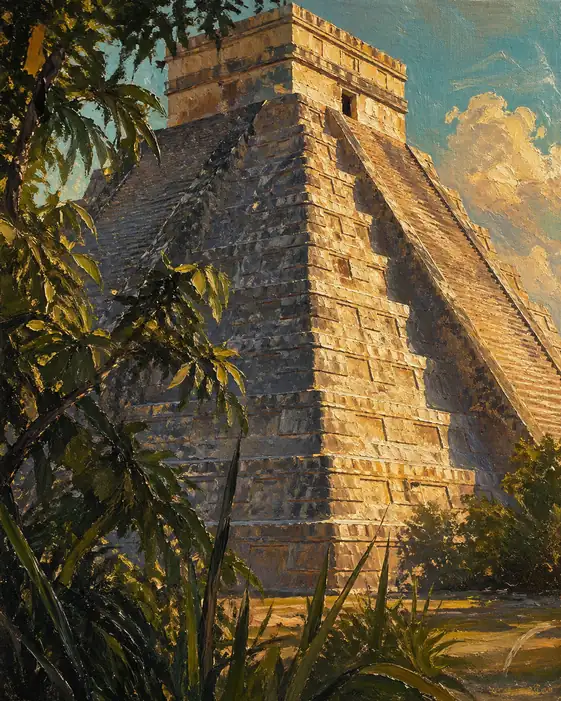 Echoes of the Golden Empire
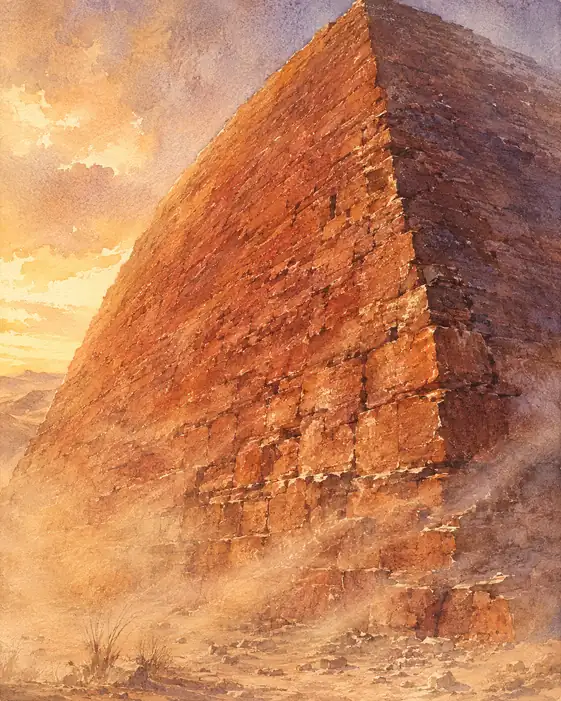 The Crimson Pillar of Sunsets
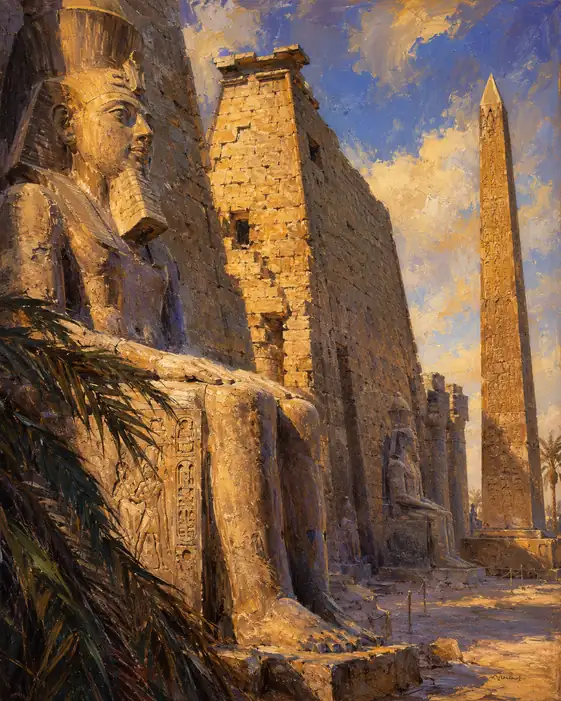 Under the Eternal Sky