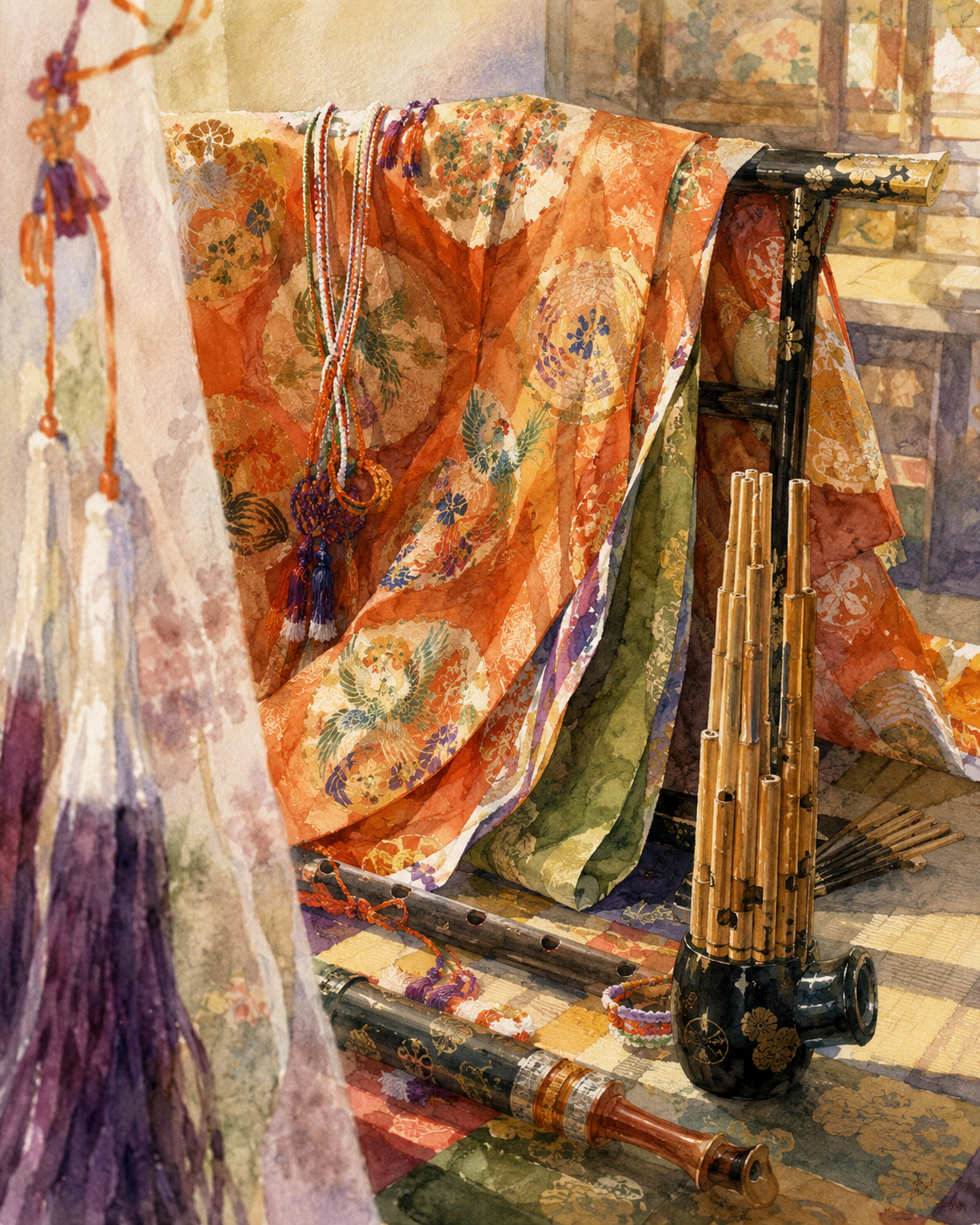
After the Melodies: The Royal Vestige
Critique
1. Introduction This oil painting arranges court attire and traditional Japanese instruments inside a tatami room. A robe with orange and green patterns hangs at the center, and cords and draped fabric create layers of color. Flutes, a mouth-organ-like wind instrument, and a lute-like stringed instrument rest on the floor, softened by light from the window. With no performers present, the scene carries the quiet tension of ceremony waiting to begin. 2. Description On the central stand, orange and green garments decorated with phoenixes are draped. Traditional instruments including a Sho, a flute, and a lacquer case are arranged on the floor. A folding fan is placed behind them. In the left foreground, purple decorative tassels are softly blurred, creating a peeking perspective. 3. Analysis The color palette combines orange garments with the harmony of green, purple, and black. This rich coloration brings a noble glow to the artwork while emphasizing each motif. Blurring the foreground tassel creates a theatrical depth and a peeking effect. Delicate drawing and watercolor bleeding accurately represent silk luster and lacquer texture. 4. Interpretation and Evaluation This work visually embodies the residual fragrance of court life and the quiet passage of time. The scene captures the silence after someone left, inviting imagination into classical literature. The excellent descriptive power and the unique peeking composition are highly evaluated. The harmony of splendid clothing and instruments draws viewers into a peaceful world. 5. Conclusion Deeper observation reveals the spiritual beauty of classical culture behind the exquisite still life. The controlled light and shadow bring a warm and calm harmony to the entire screen. This piece is a superb work where Oriental classical beauty and modern sensibility integrate. In conclusion, this valuable painting successfully conveys timeless elegance to contemporary viewers.
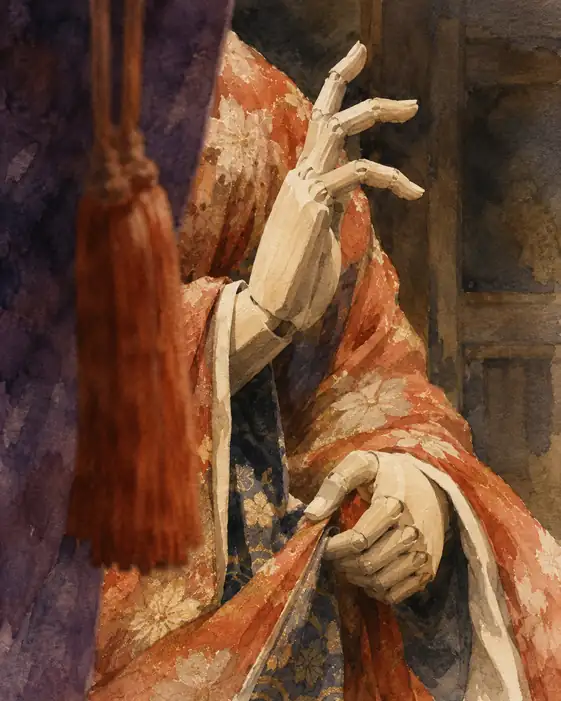 The Gesture of Stillness
 Miyabi in the Shadows
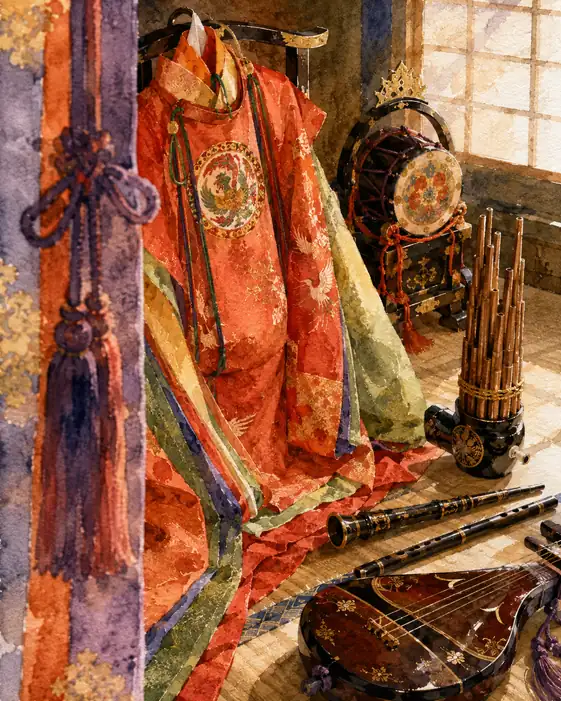 Echoes of Eternal Elegance
 Resonance in the Quietude
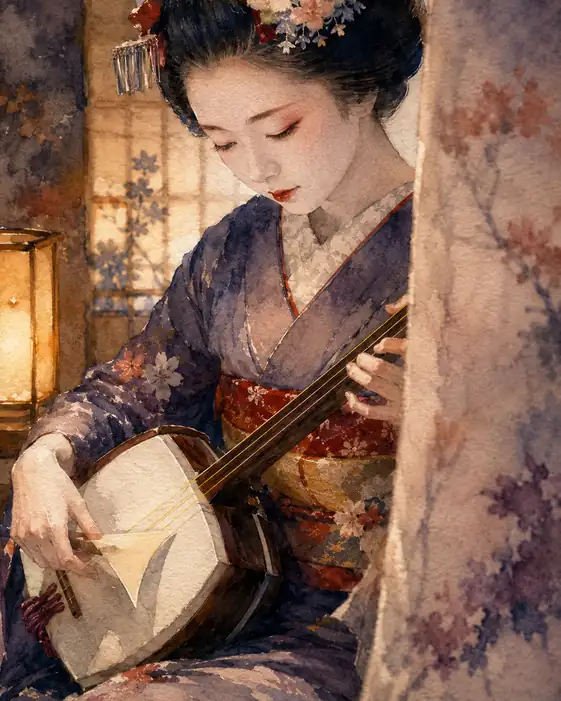 Melody in the Indigo Night
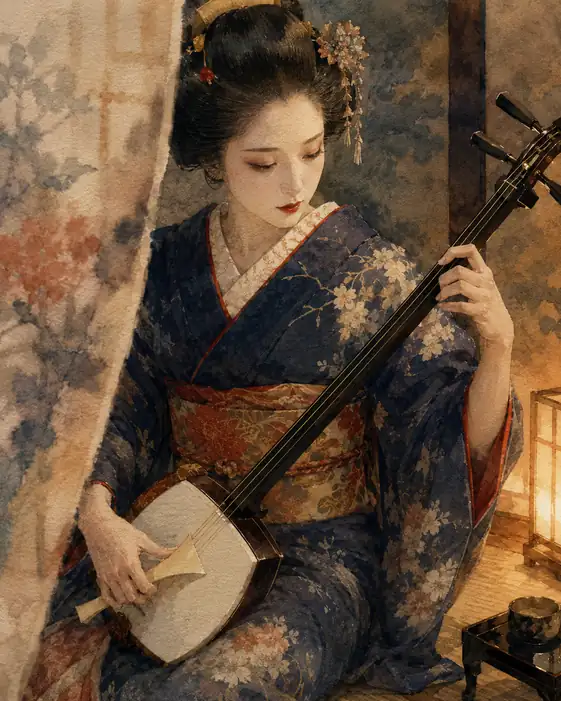 The Echoes of Indigo
 Warrior's Rest
 Microcosm on the Tsuba
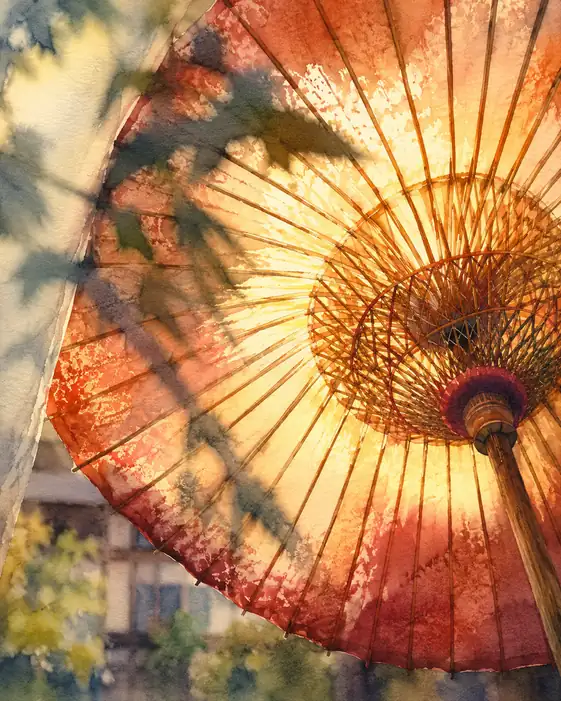 Under the Sunlit Crimson
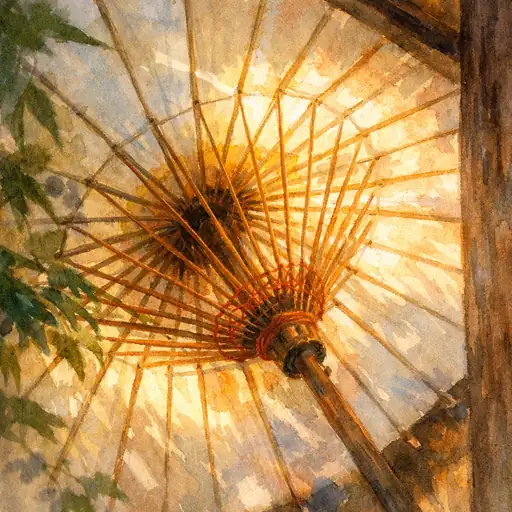 Beneath the Golden Canopy
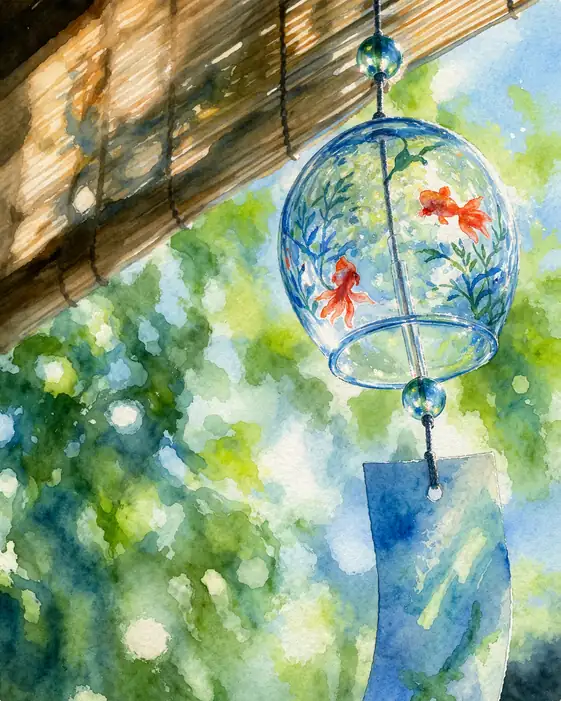 Whispers of the Wind