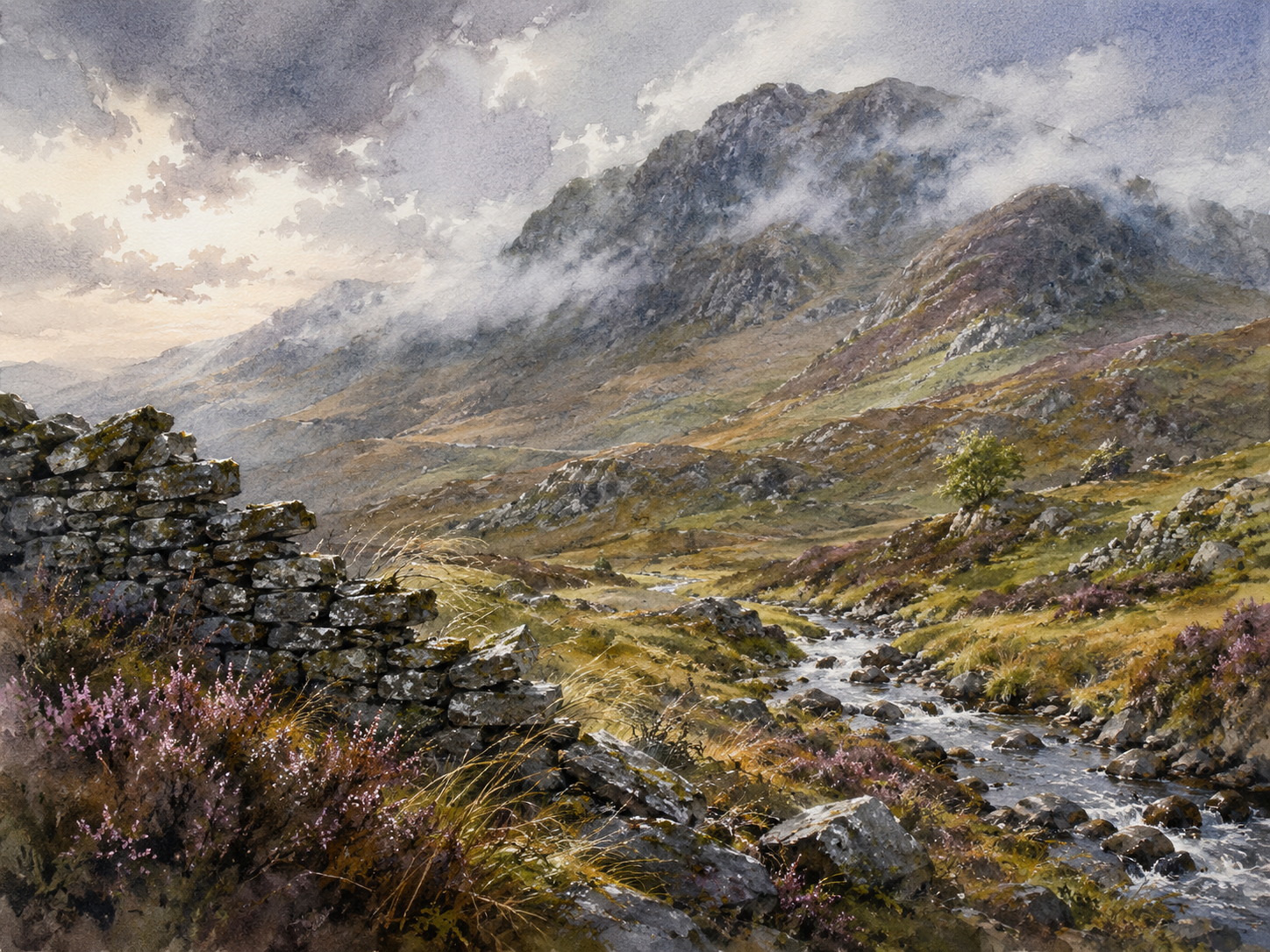
The Silent Watch of the Highland Mist
Critique
1. Introduction This watercolor painting presents a majestic and rugged mountain landscape, capturing the untamed beauty of a high-altitude moorland. The composition is grounded by a weathered dry-stone wall in the foreground, which leads the eye toward a winding stream and a formidable peak partially shrouded in mist. The atmosphere is one of dramatic solitude, where the interplay of light and shadow under a stormy sky evokes the sublime power of the natural world in its most primal state. 2. Description The foreground is dominated by a stack of ancient, lichen-covered stones, flanked by wild grasses and patches of purple heather. A shallow, rocky stream meanders through the center of the valley, its white water glistening against the dark riverbed. In the mid-ground, the rolling hills are covered in a tapestry of muted greens and browns, dotted with a few resilient trees. The background features a towering mountain mass, its rocky face highlighted by a pale sun breaking through dark, heavy clouds, while ethereal wisps of fog cling to its jagged slopes. 3. Analysis The artist demonstrates a sophisticated use of texture and value to create a sense of depth and volume. The stone wall is rendered with sharp, tactile details, contrasting with the soft, diffused washes used for the distant mountains and the atmospheric clouds. A palette of desaturated blues, greys, and earthy ochres establishes a cool, overcast mood, punctuated by the vibrant purples of the heather. The diagonal arrangement of the stream and the stone wall creates a dynamic visual pathway, drawing the viewer from the intimate details of the immediate surroundings to the vastness of the distant horizon. 4. Interpretation and Evaluation The work can be interpreted as a meditation on the permanence of the earth versus the ephemeral nature of the weather. The ancient stone wall serves as a symbol of human presence and persistence within a landscape that is otherwise indifferent to civilization. From an evaluative perspective, the painting is highly successful in its atmospheric rendering, particularly the convincing depiction of moving mist and the dramatic lighting. The technical execution shows a masterful control of both controlled detail and spontaneous watercolor effects, resulting in a composition that feels both deliberate and authentically wild. 5. Conclusion In conclusion, this mountain scene is a powerful example of traditional landscape painting that successfully captures the spirit of a specific environment. The contrast between the solid, physical presence of the stones and the elusive quality of the mist creates a compelling tension that keeps the viewer engaged. While the initial impression is one of stark isolation, the richness of color and detail reveals a landscape full of life and enduring strength, offering a profound sense of peace and awe to those who contemplate its depths.
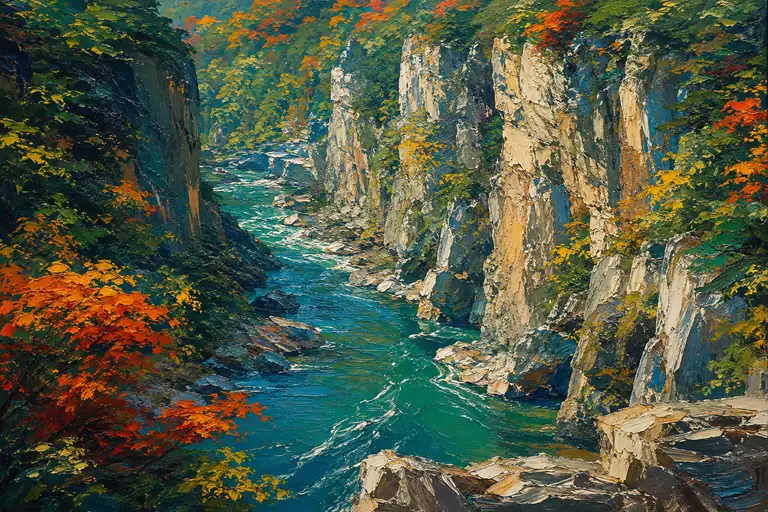 Azure Currents through the Autumn Gorge
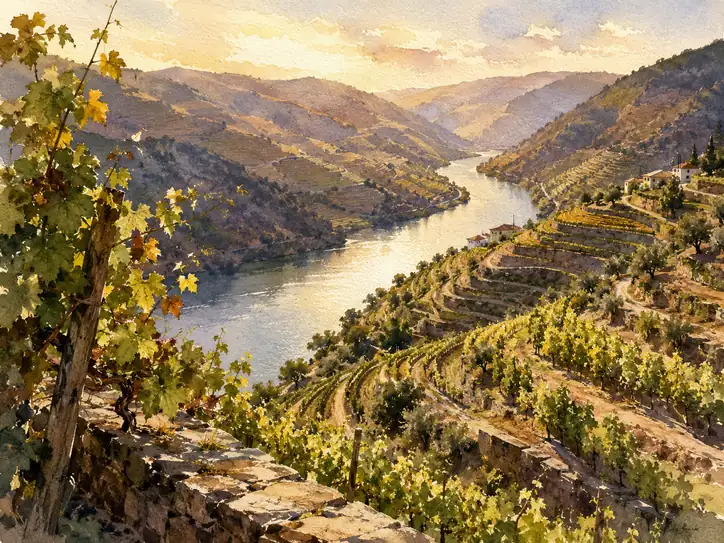 Hymn of the Golden Slopes
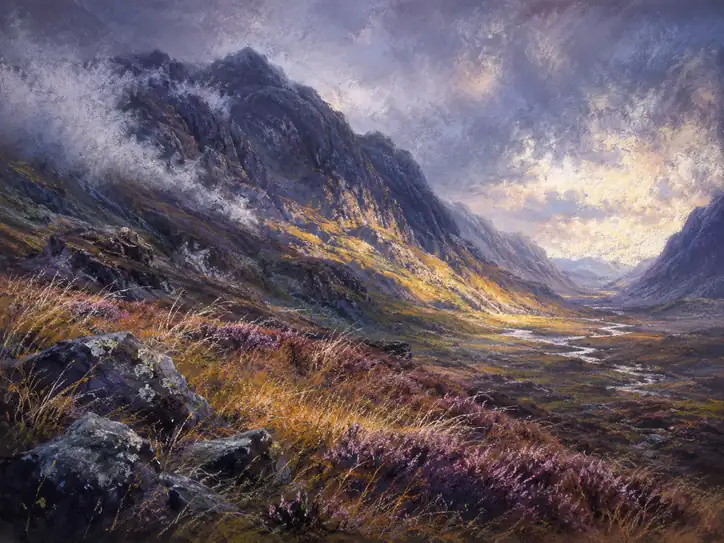 The Spirit of the Misty Glen
 Emerald River Among Karst Peaks
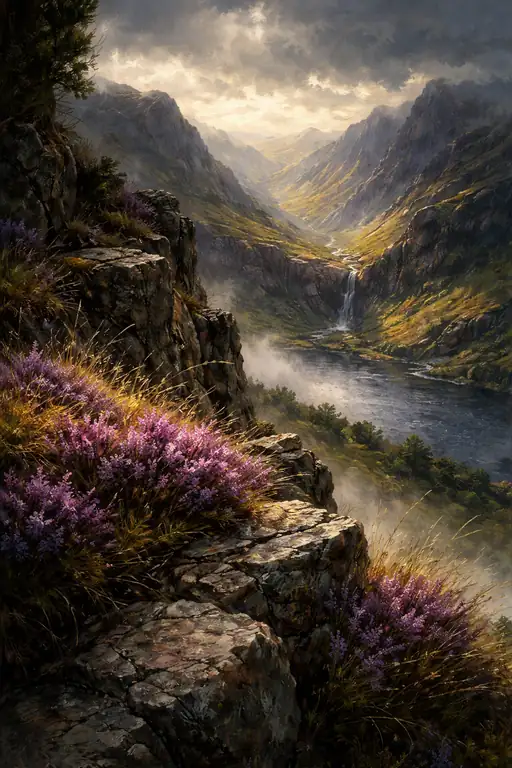 Eternity in the Highlands\n
 A Tiny Vessel on the Stream of Time
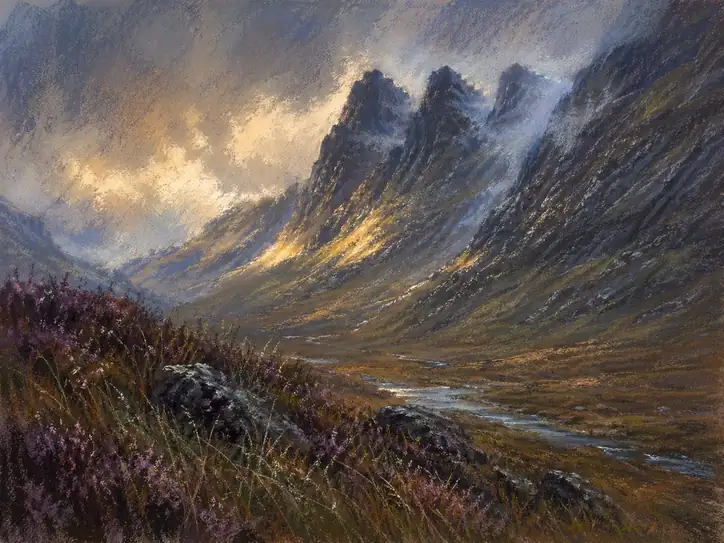 Heather's Breath
 Where the Mist Whispers
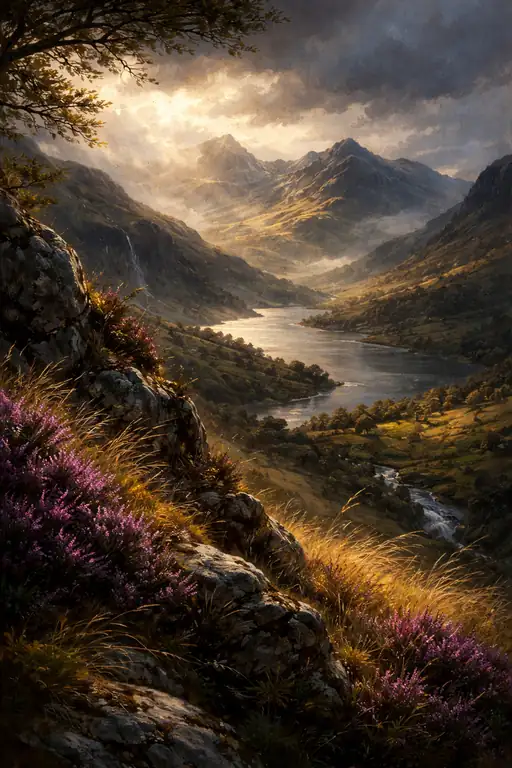 Divine Light Piercing the Shadowed Valley
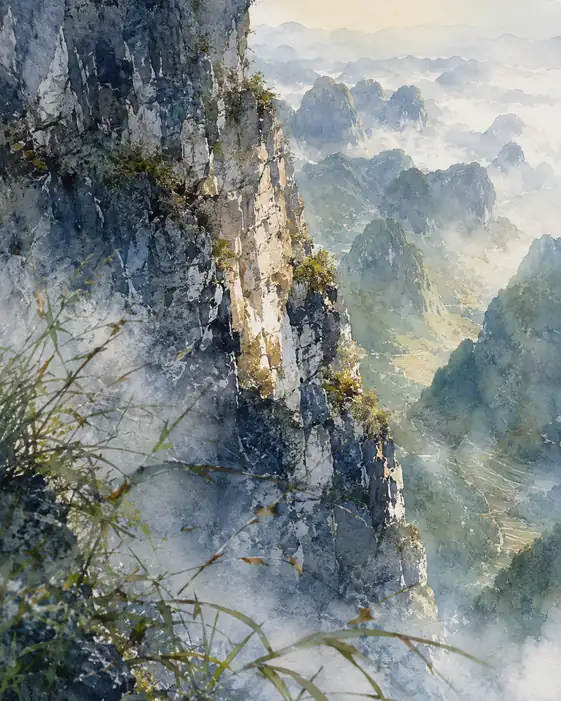 Beyond the Misty Veil
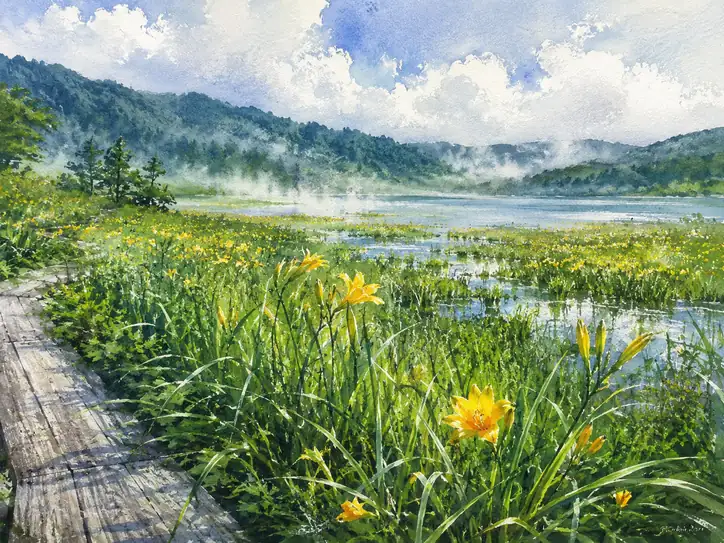 Yellow Symphony on the Summer Marsh
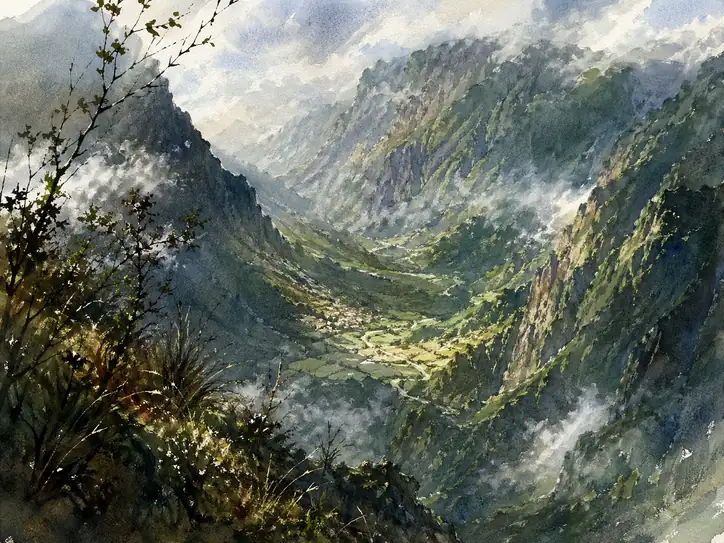 The Prayer of the Mist-Clad Peaks