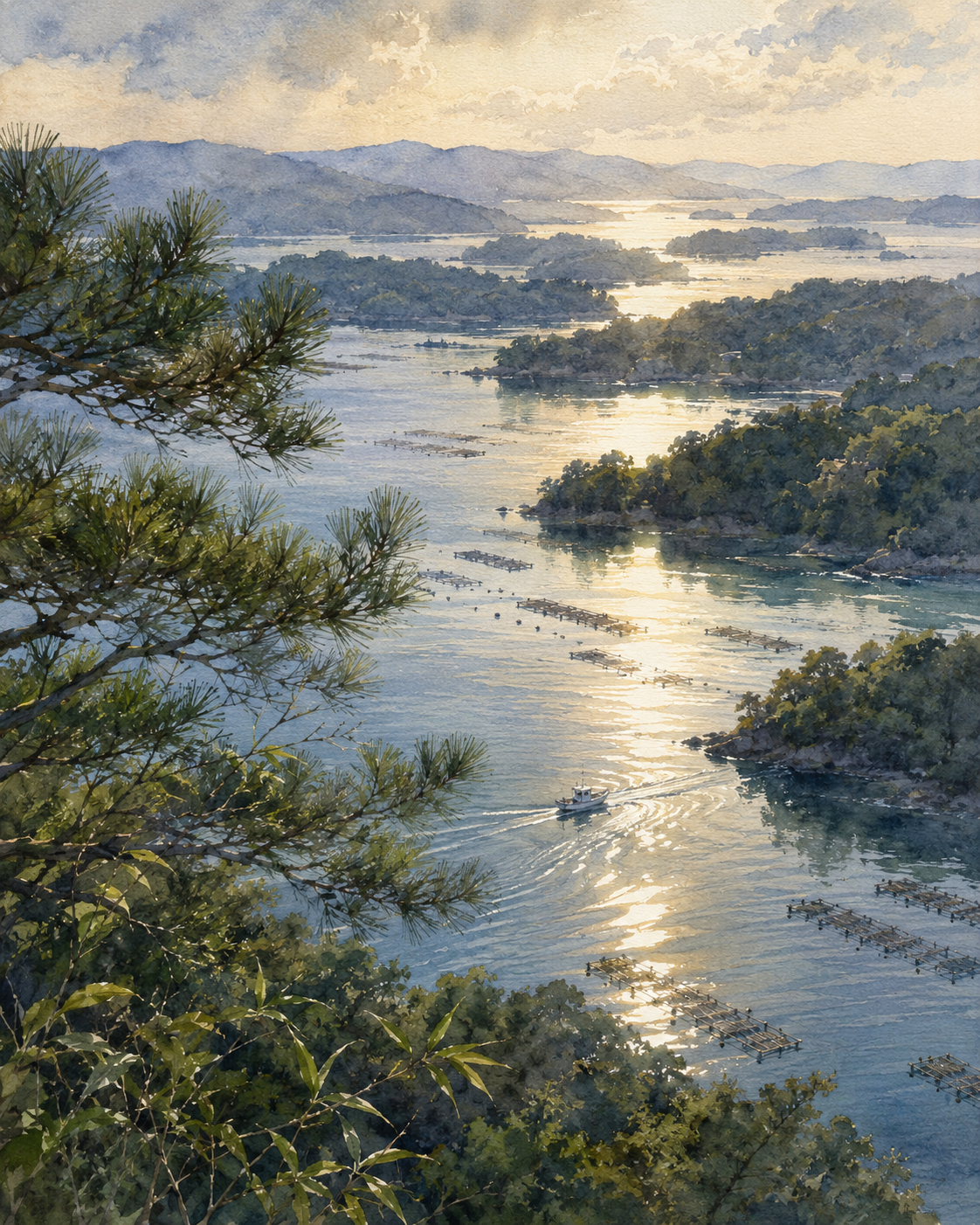
Where the Sun Sleeps on the Sea
Critique
1. Introduction This watercolor painting masterfully captures a tranquil coastal scene featuring scattered islands bathed in the warm light of early evening. Observed from a high vantage point, the composition evokes the serene beauty of a Japanese archipelago, drawing the viewer into a moment of profound natural stillness. On the left side of the frame, a foreground pine branch is prominently placed, providing essential depth and a sense of structural balance to the entire work. 2. Description In the center of the ocean's surface, golden sunlight reflects brilliantly from a low-hanging sun, as a single white boat cuts through the water, leaving a gentle wake behind it. Numerous aquaculture rafts are arranged throughout the bay, illustrating a seamless harmony between human industry and the surrounding environment. In the distance, layers of island silhouettes are rendered in delicate shades of blue, while soft rays of light break through the clouds to envelop the entire maritime landscape. 3. Analysis The color palette relies on a striking contrast between the deep blues of the sea, the rich greens of the foliage, and the luminous yellows and whites representing the sunlight. The artist utilizes traditional watercolor techniques such as wet-on-wet blending and transparent layering to articulate atmospheric humidity and the diffusion of light. Particularly noteworthy is the treatment of the water's surface, where precise white space and thin washes effectively recreate the blinding brilliance and dynamic energy of the sun's reflection. 4. Interpretation and Evaluation While grounded in traditional landscape composition, the piece demonstrates remarkable originality through its sophisticated handling of light and atmosphere. The balance between meticulous detail and atmospheric abstraction grants the image a vibrant sense of life combined with a quiet, meditative quality. The technical execution of the water’s texture and the nuanced gradients of the sky reflect a high level of artistic skill, offering the viewer a deeply rewarding aesthetic experience of peace and wonder. 5. Conclusion In summary, this work is an exceptional example of landscape painting that elevates the interplay of light and water into a poetic visual narrative. What initially appears as a straightforward depiction of a scenic vista gradually reveals an overwhelming depth of tonal variation and luminosity upon closer inspection. It stands as a highly accomplished achievement where the grandeur of nature and the quiet rhythms of human life are perfectly synthesized into a unified whole.
Same Subcategory
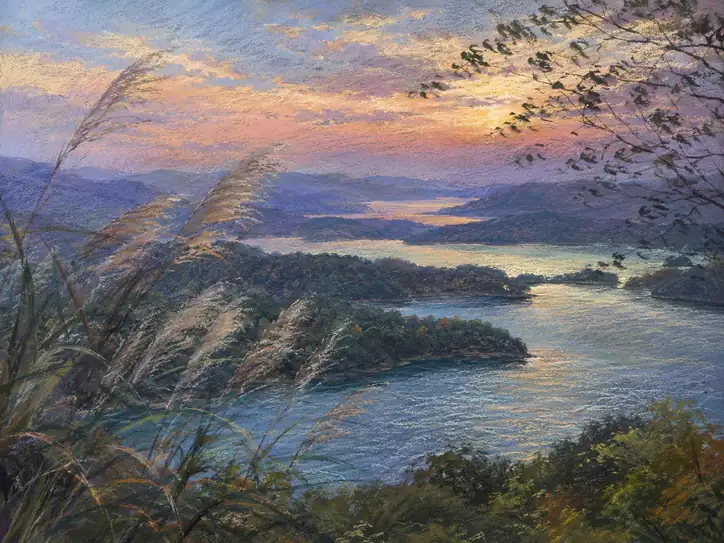 Golden Whispers of Autumn
 Serenade of the Sunset Shore
Similar Artworks
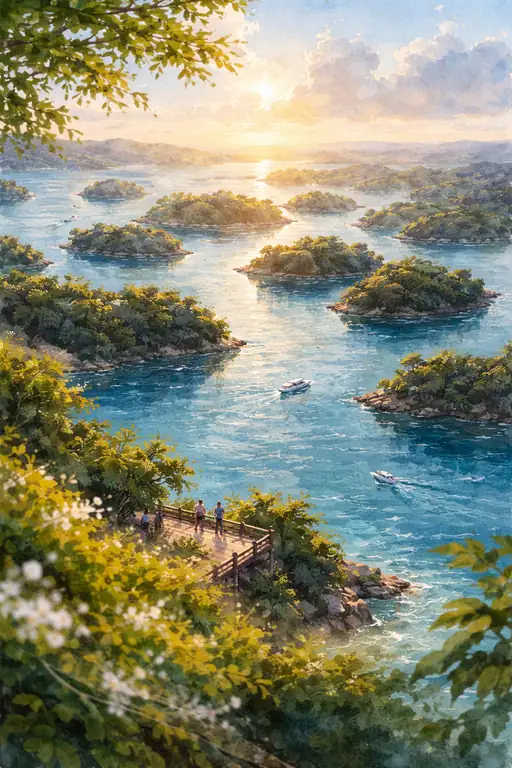 The Golden Path to a Thousand Dreams
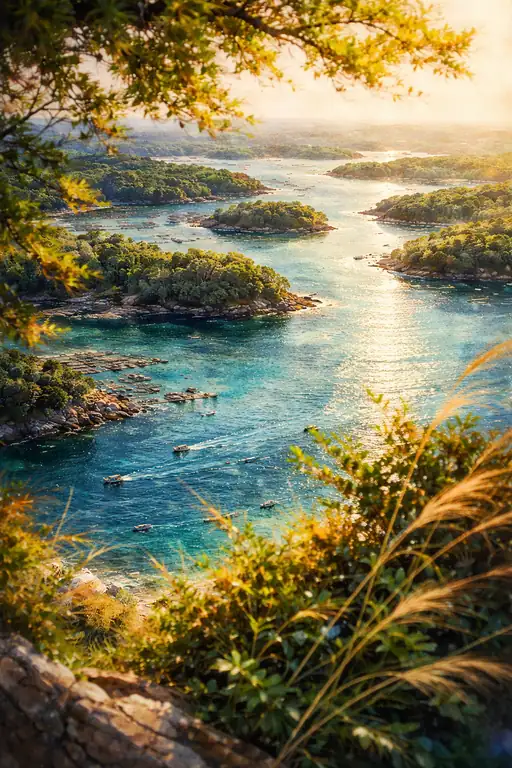 Luminous Ripples of the Pearl Sea
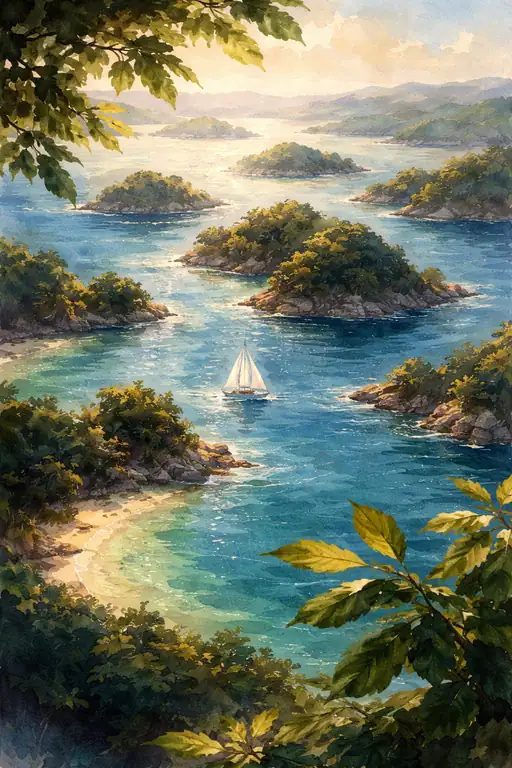 Solitary Voyage Across the Turquoise Haven
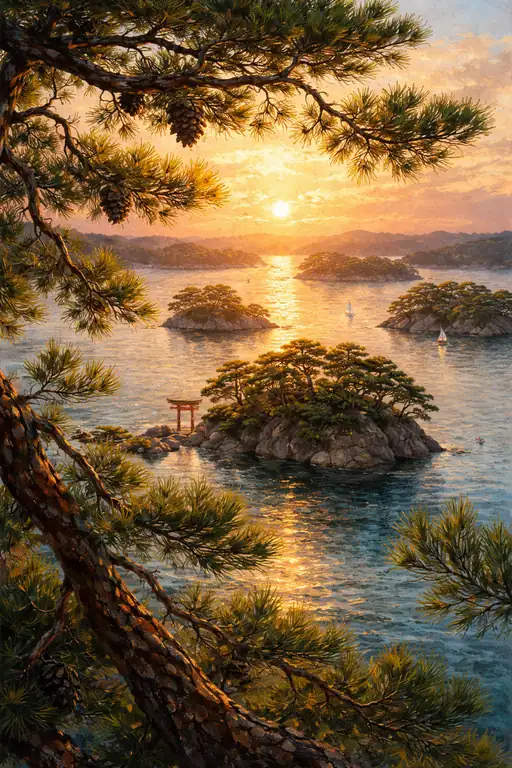 Golden Twilight Over the Islands
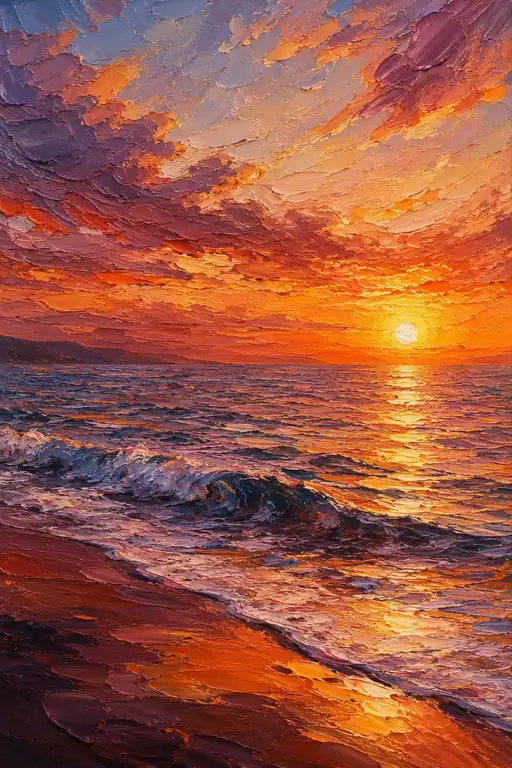 Where the Sunset Meets the Roaring Tide
 Solitary Rest by the Sparkling Shore
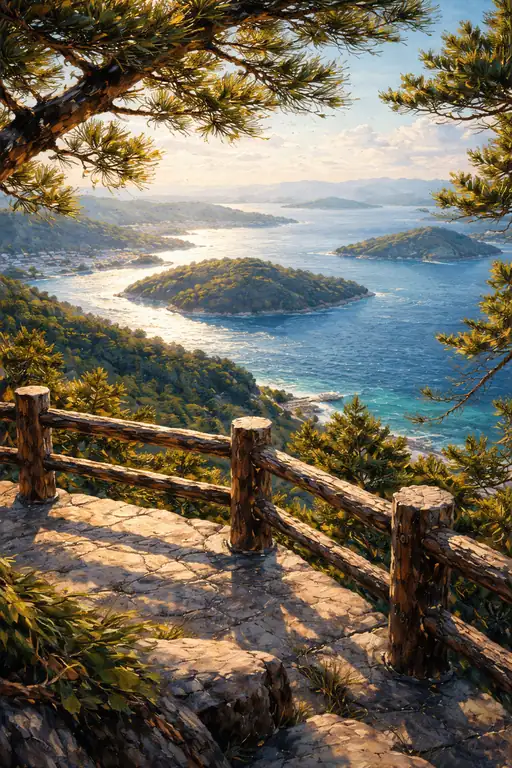 Horizon of Silent Isles
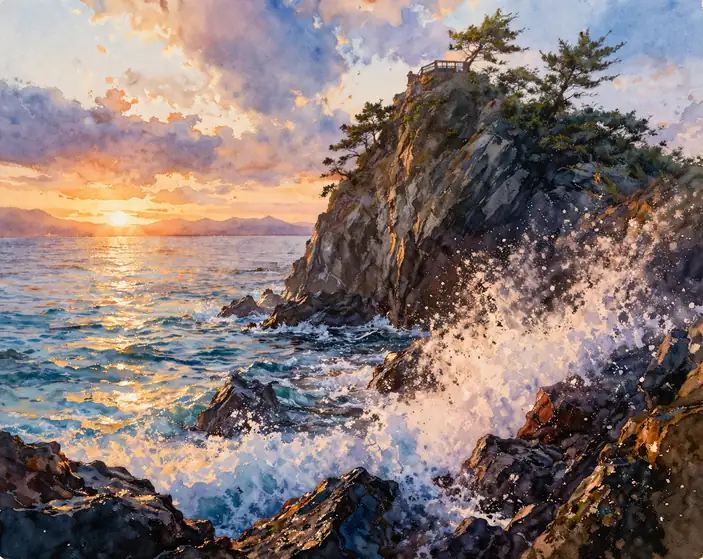 Clashing Forces: Golden Reflections on Turbulent Waves
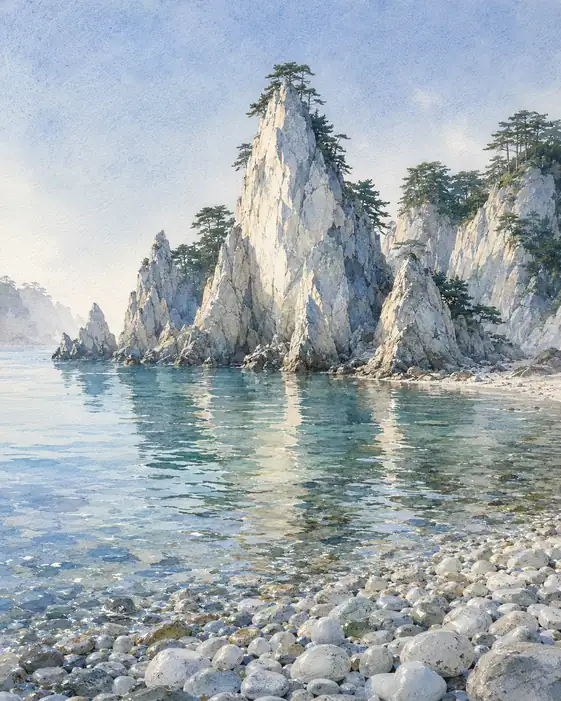 The Pale Stones Keep the Morning
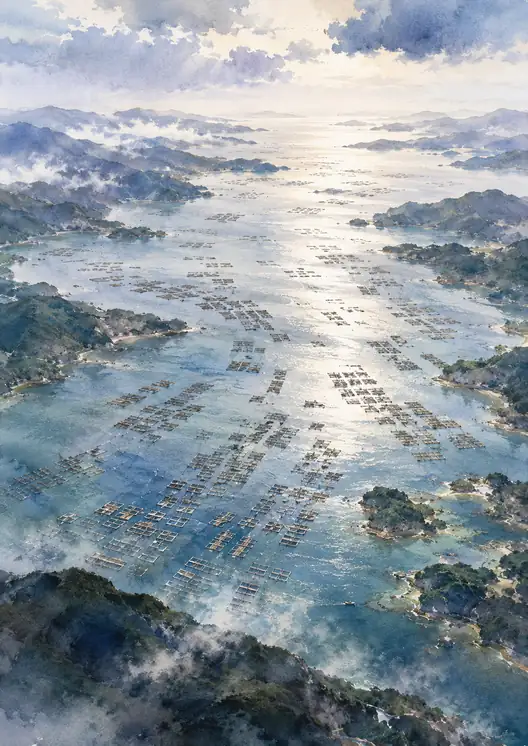 Glittering Path of the Ocean's Gift