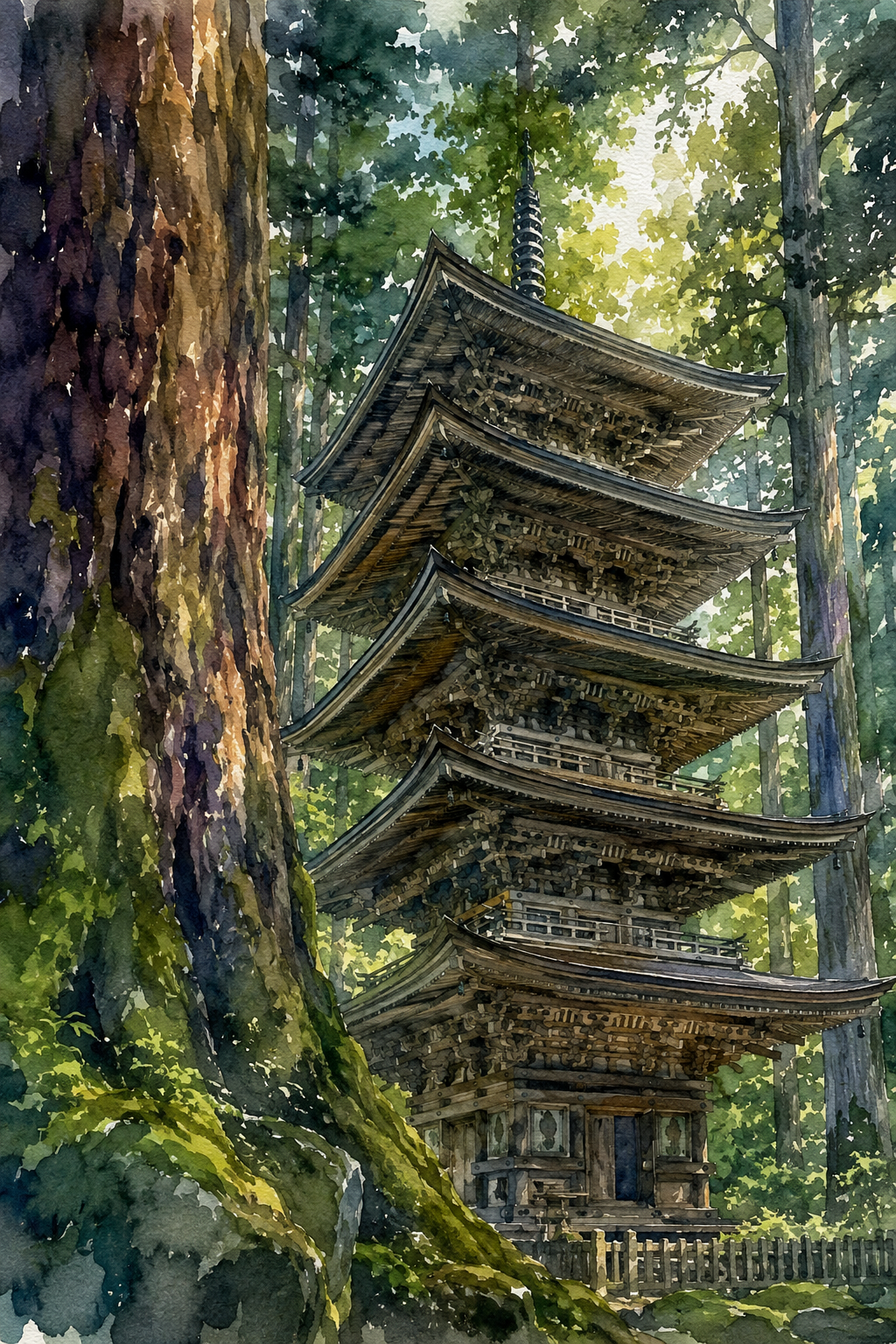
Sacred Rhythm of the Cedar Forest
Critique
1. Introduction This painting looks upward at a five-tiered pagoda standing in a forest beside a massive tree. The repeated roofs and vertical trunks create a slow rising rhythm through the image. Although the wooden details of the tower are carefully described, filtered light and surrounding foliage keep the building from feeling isolated. The strength of the work lies in the balance between architectural intricacy and the damp, shaded presence of the woods. 2. Description The scene includes the tiered roof, carved wood, tall cedar, filtered light, and enclosing trees. Forms are described with loose but controlled brushwork, so individual details remain readable without becoming rigid. The viewpoint places the viewer close to the foreground while keeping a clear path into the surrounding space. 3. Analysis The composition depends on vertical trees and stacked roofs produce a measured upward rhythm. Color is handled with a balanced range of warm and cool notes, and the light is used to separate planes of depth. The technique favors visible strokes, giving the surface an active texture while preserving spatial order. 4. Interpretation and Evaluation The work suggests an attentive encounter with a specific environment rather than a generalized scenic view. Its strengths lie in descriptive clarity, coherent composition, and a color structure that supports mood without excess. The originality is modest but effective, especially in the way ordinary natural or architectural features are shaped into a sustained visual experience. 5. Conclusion At first the painting may appear primarily descriptive, but closer viewing reveals careful decisions about rhythm, light, and scale. The image succeeds because its technique and composition guide observation steadily from immediate detail toward broader atmosphere. Overall, it offers a calm and well-organized example of representational painting.
Same Subcategory
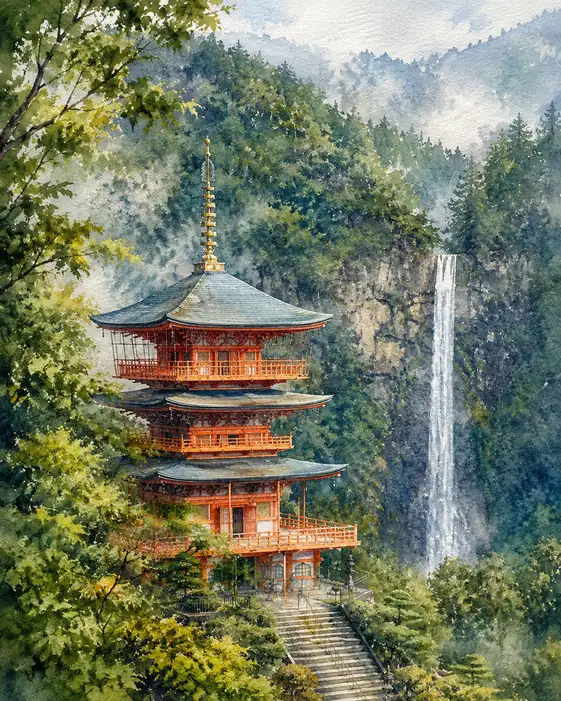 Heaven's Silver Threads, a Prayer in Vermilion
Similar Artworks
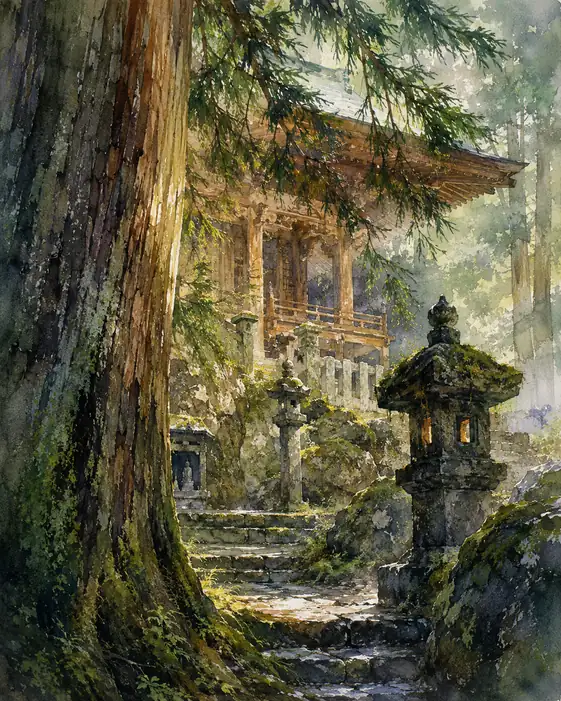 Sanctuary of the Ancient Cedars
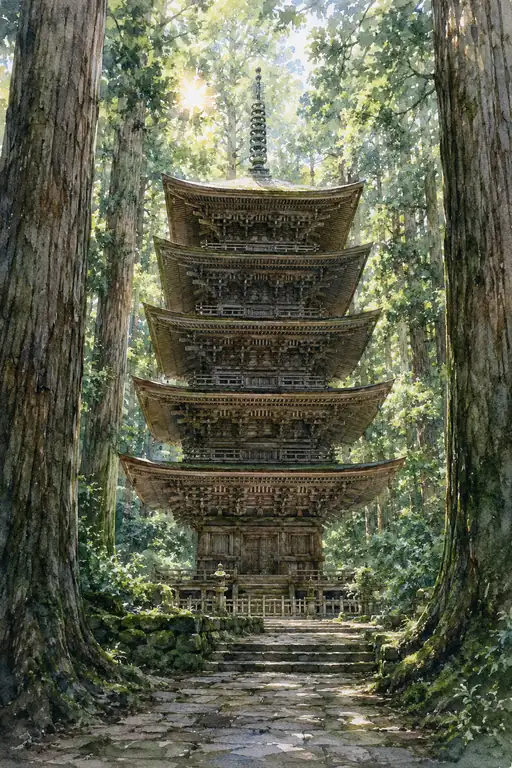 Silent Watcher of the Sacred Forest
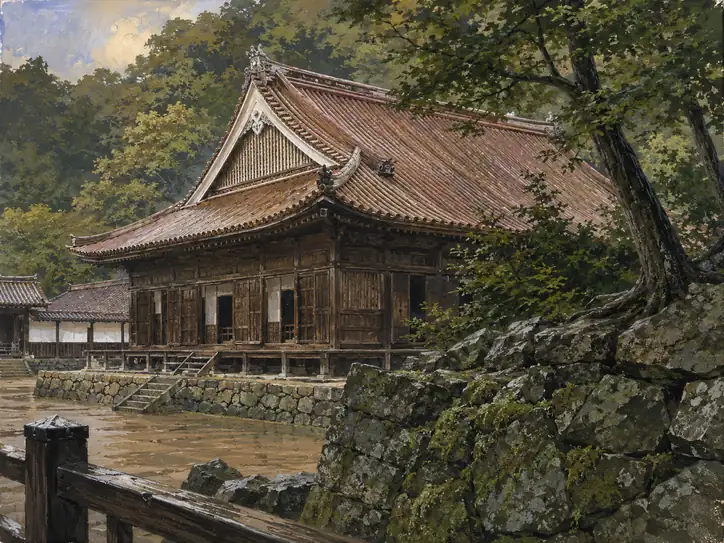 Eternity in the Moss-Covered Hall
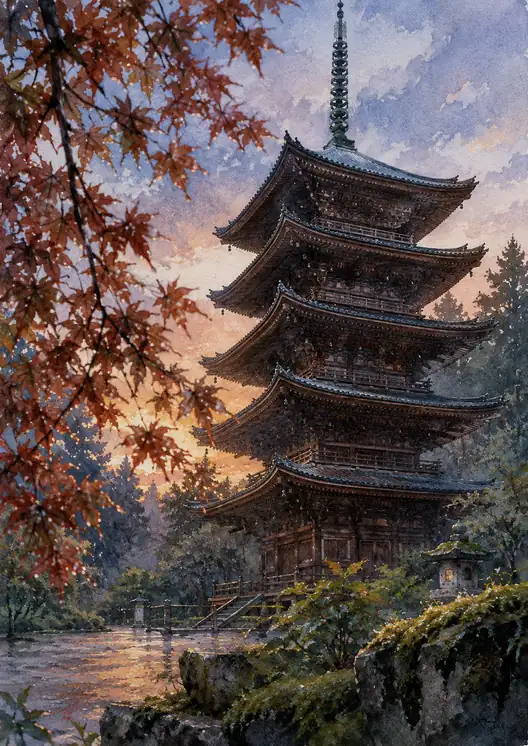 Autumn twilight, the Pagoda’s Silent Prayer
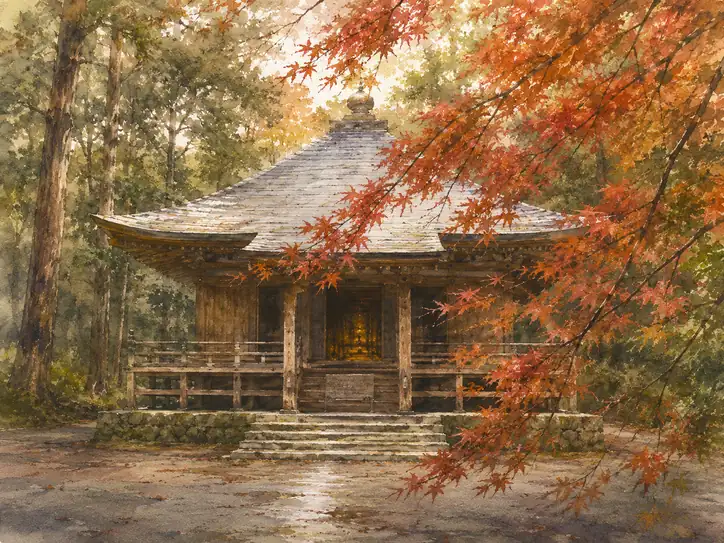 Golden Glow in the Maple Shadows
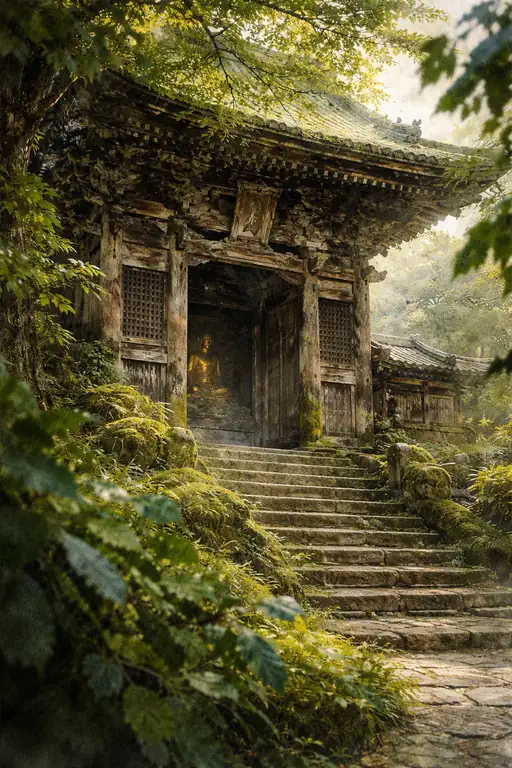 Golden Echoes in the Ancient Forest
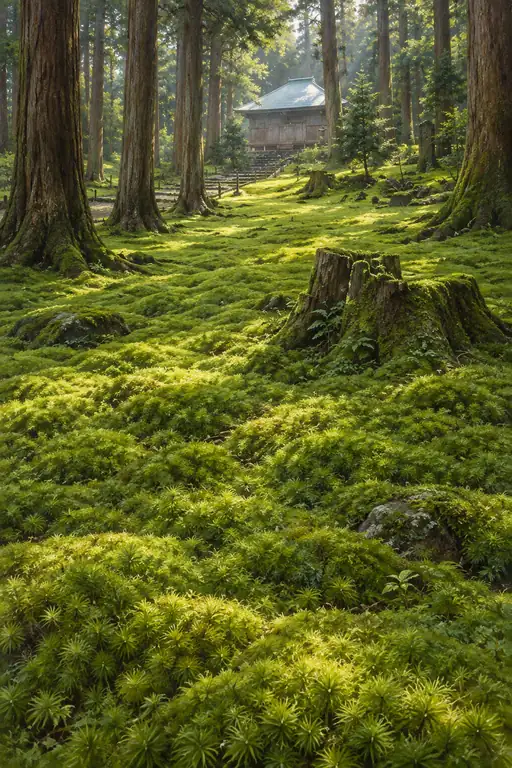 Prayer Among a Thousand Moss Stars
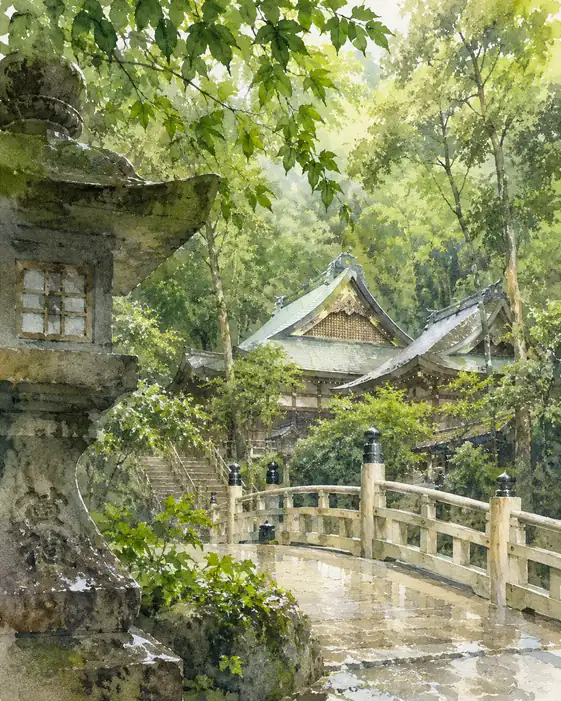 Stillness of the Hidden Sanctuary
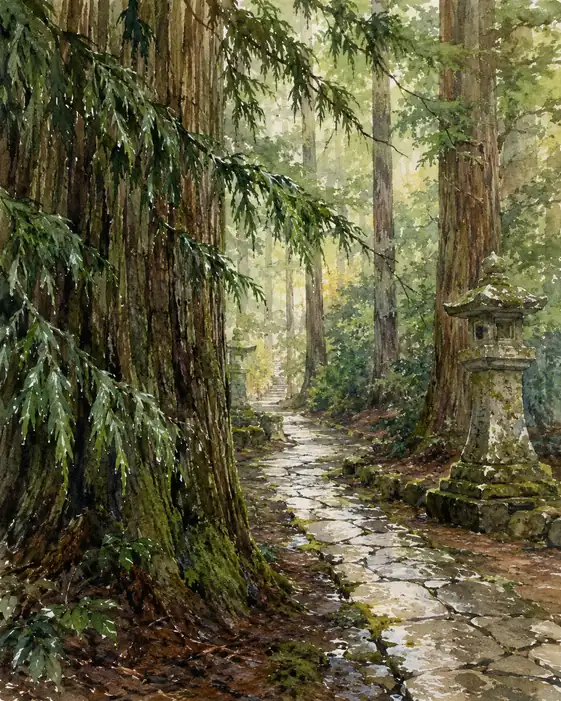 Whispers of the Sacred Grove
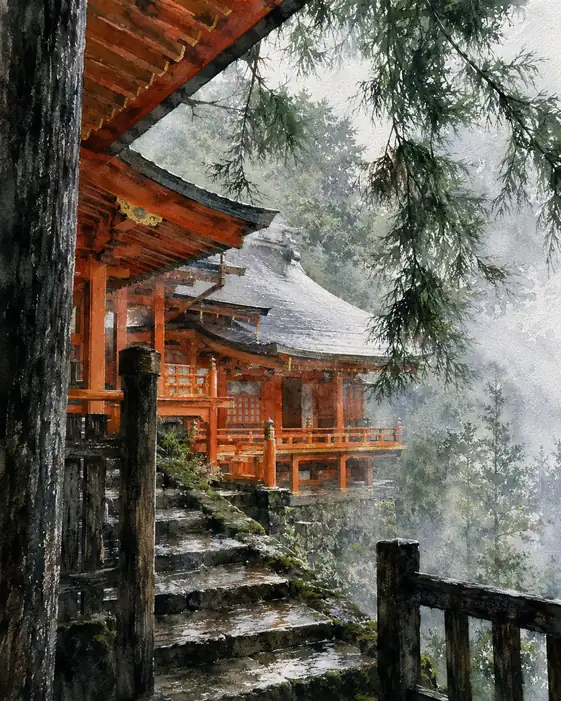 Sanctuary Veiled in Misty Rain