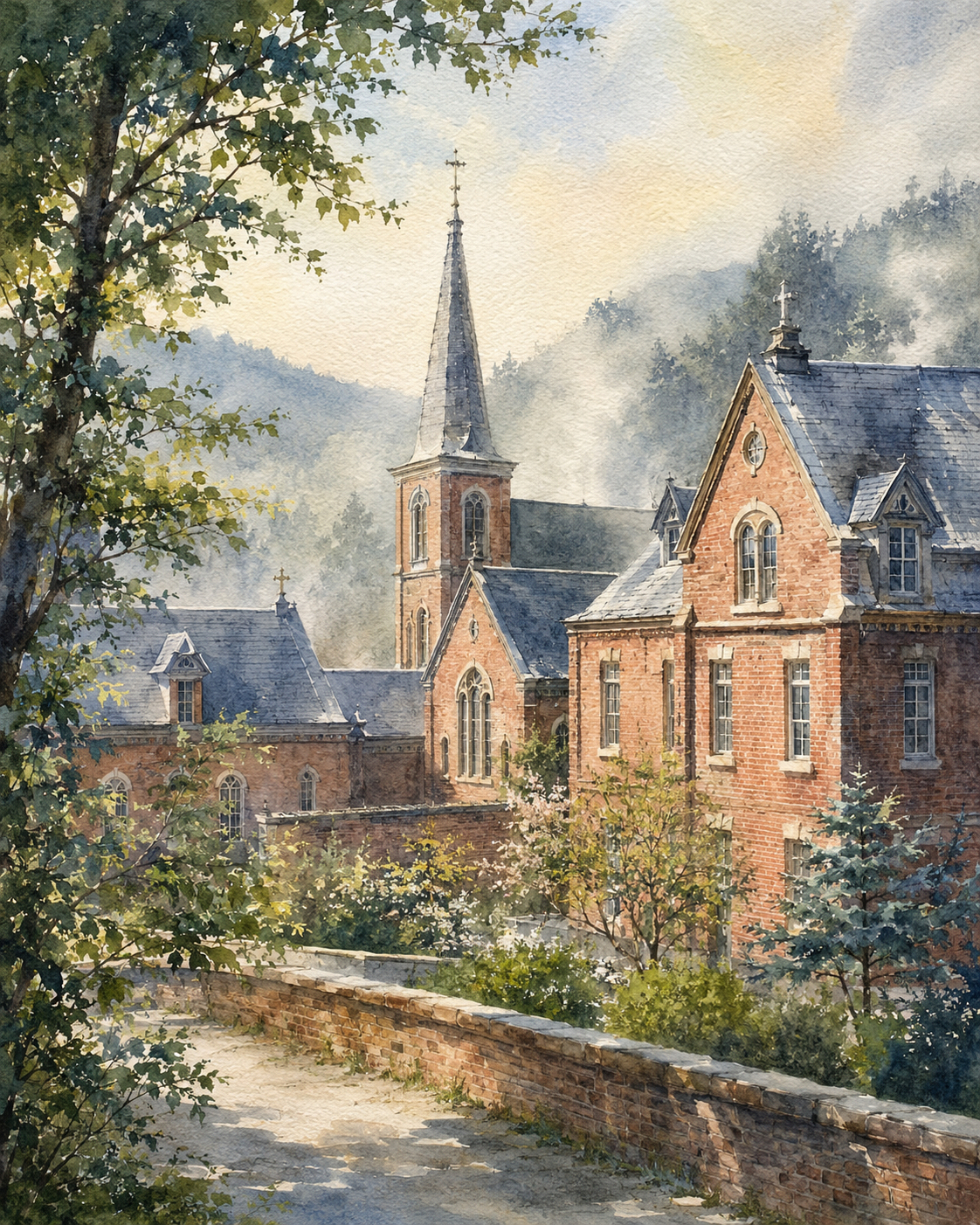
Sanctuary of Silence: Red Bricks in the Morning Mist
Critique
1. Introduction This watercolor painting presents a serene architectural landscape, featuring a collection of brick buildings and a church nestled within a misty mountainous region. The composition is framed by lush foliage in the foreground, leading the viewer's eye toward the intricate details of the structures and the soft, atmospheric background. The work captures a moment of stillness, emphasizing the harmony between the man-made environment and the natural world. 2. Description The central focus of the piece is a tall, slender church spire topped with a cross, standing alongside several red-brick buildings with grey slate roofs. The architecture exhibits Gothic influences, seen in the pointed windows and the overall verticality of the design. A low brick wall runs across the bottom of the frame, bordering a paved path that leads into the scene. In the background, layers of pine-covered hills are partially obscured by a thick, luminous fog that softens the horizon. 3. Analysis The artist employs a sophisticated watercolor technique, utilizing delicate washes to create the misty atmosphere while maintaining sharp, precise lines for the architectural elements. The color palette is dominated by warm ochre and terracotta tones for the bricks, contrasted with the cool blues and greys of the roofs and the surrounding greenery. Light appears to filter through the morning mist from the upper right, casting soft shadows that give the buildings a three-dimensional quality. 4. Interpretation and Evaluation This work successfully conveys a sense of tranquility and historical weight, suggesting a place of quiet contemplation and spiritual significance. The technical execution is commendable, especially in the balance between the rough surface of the brickwork and the ethereal quality of the fog. The composition is well-balanced, with the verticality of the spire anchored by the horizontal lines of the foreground wall and path, creating a stable and inviting scene. 5. Conclusion In conclusion, the painting serves as a masterful exploration of the intersection between architecture and the natural landscape. While the initial impression is one of simple pastoral beauty, a closer examination reveals a complex interplay of light, shadow, and texture. The piece effectively captures the enduring presence of these structures within their rugged environment, leaving the viewer with a profound sense of peace and continuity.
Same Subcategory
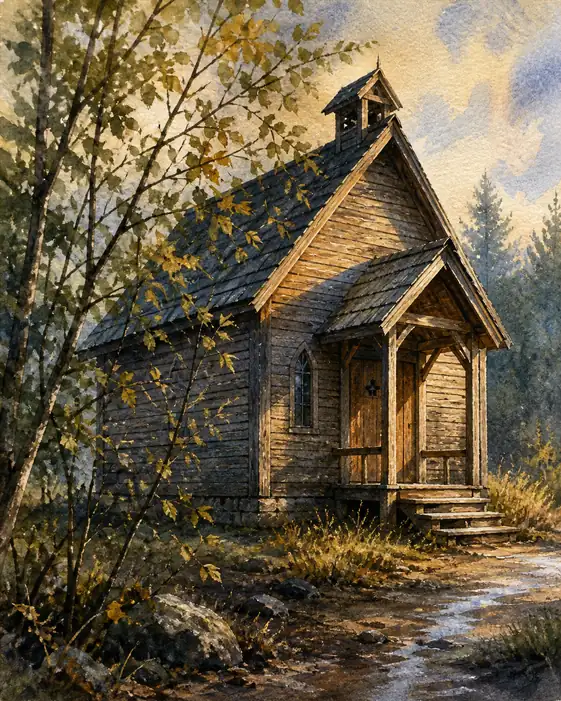 Sanctuary of the Whispering Woods
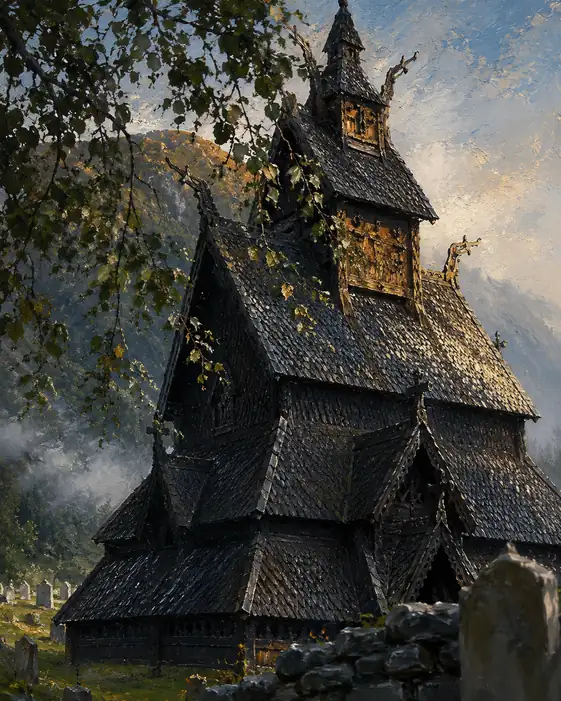 The Sacred Sentry of the Misty Valley
Similar Artworks
 The Path of Wildflowers and Quiet Prayers
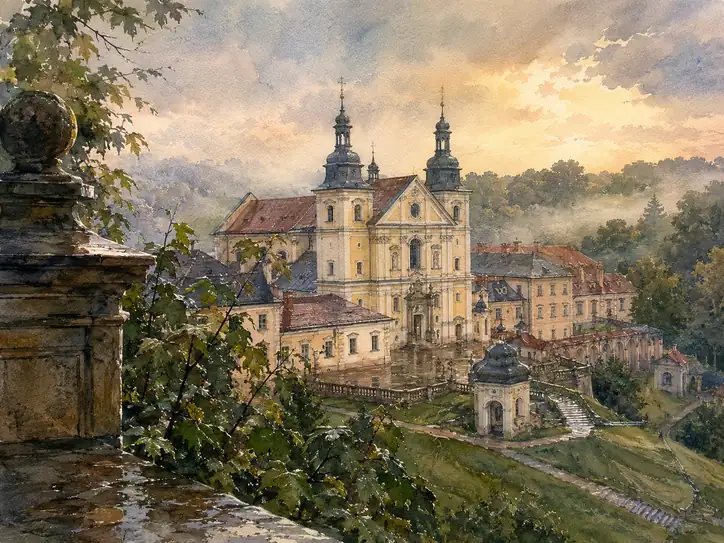 Grace After the Rain
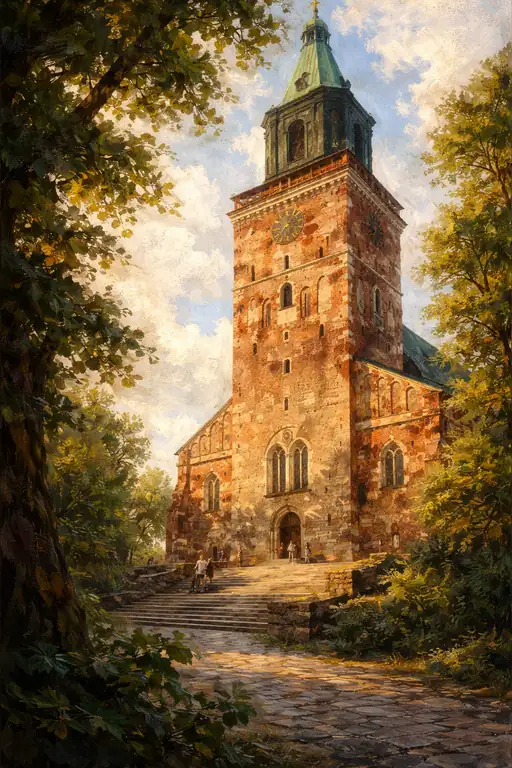 Sunlit Path to Turku Cathedral
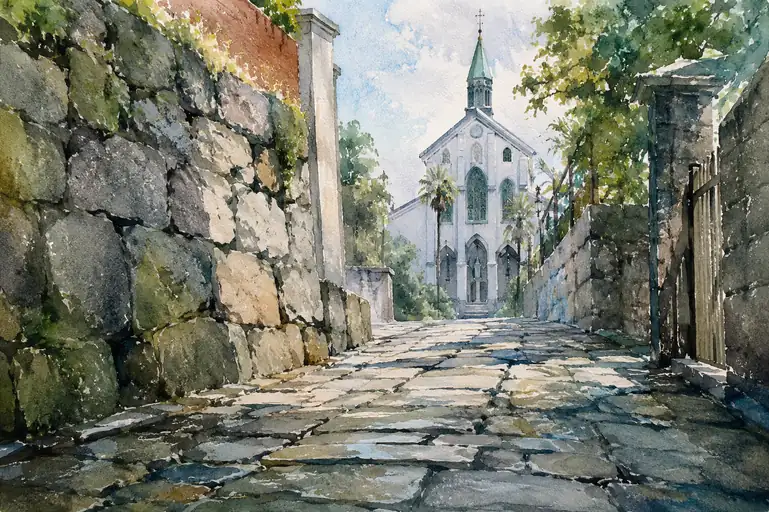 Stones That Remember the Light
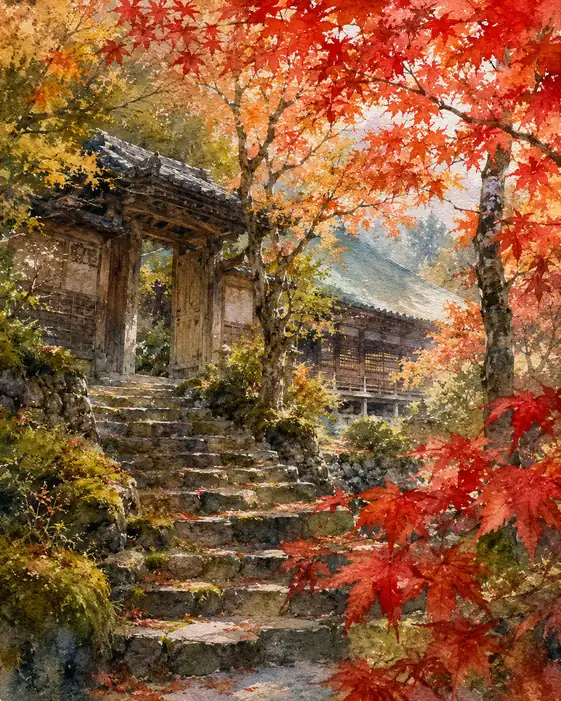 The Crimson Threshold of Silence
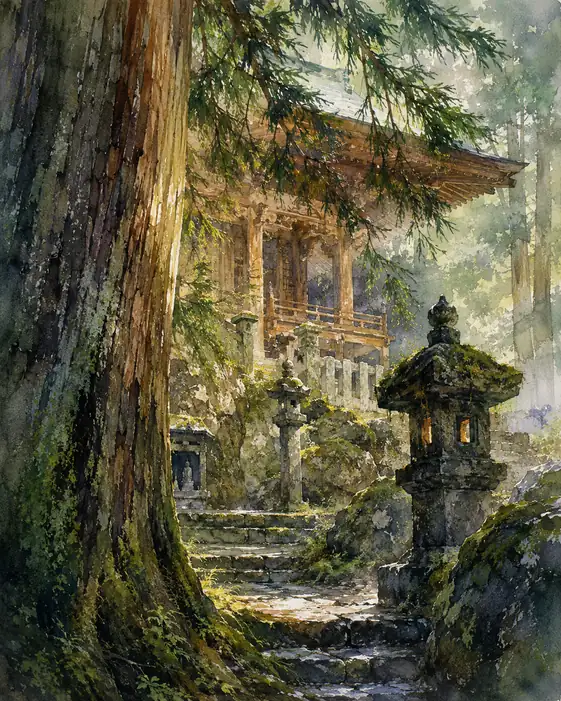 Sanctuary of the Ancient Cedars
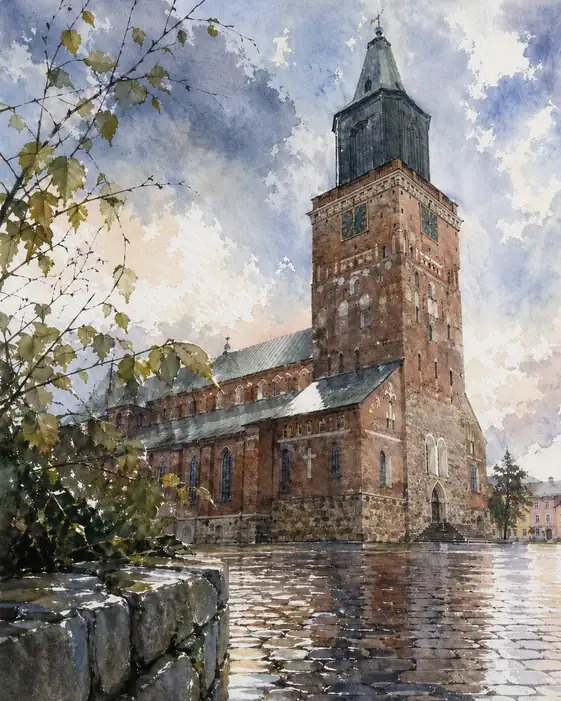 Turku Cathedral Reflected in the Rain
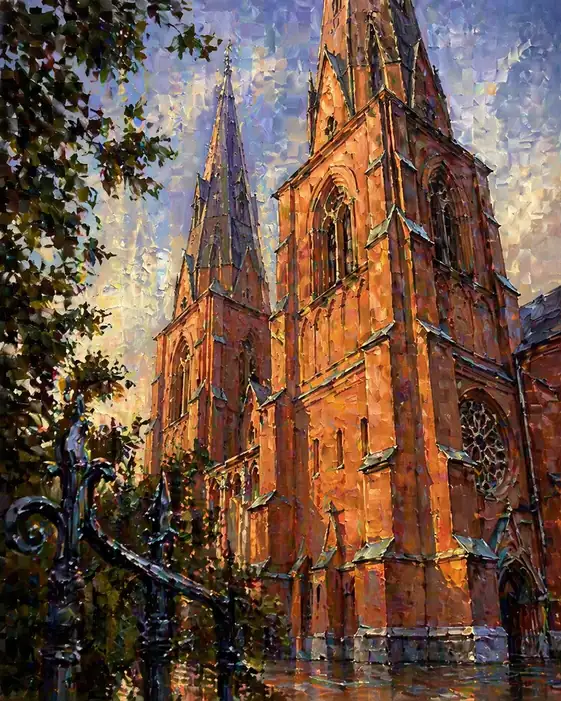 Dancing Bricks at Twilight
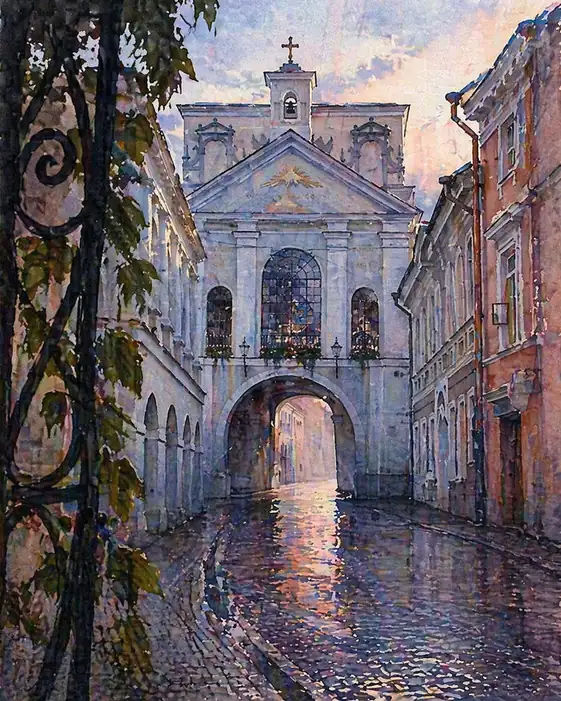 Gateway to Stillness
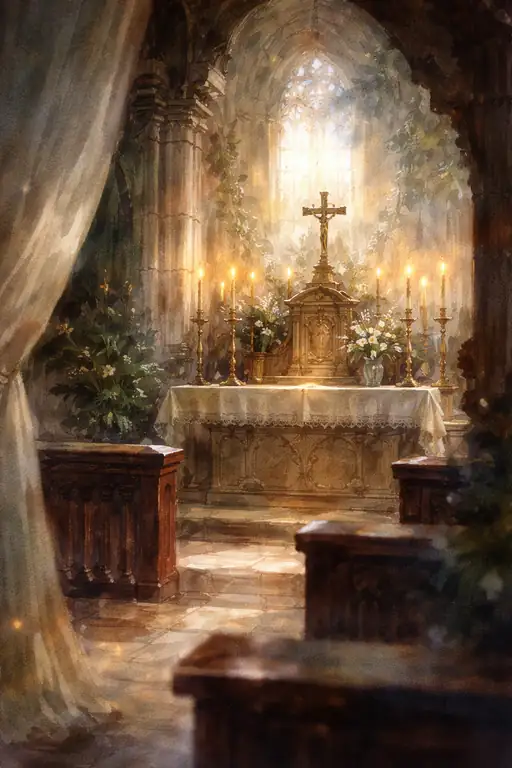 Sunlight Devotion in the Cathedral