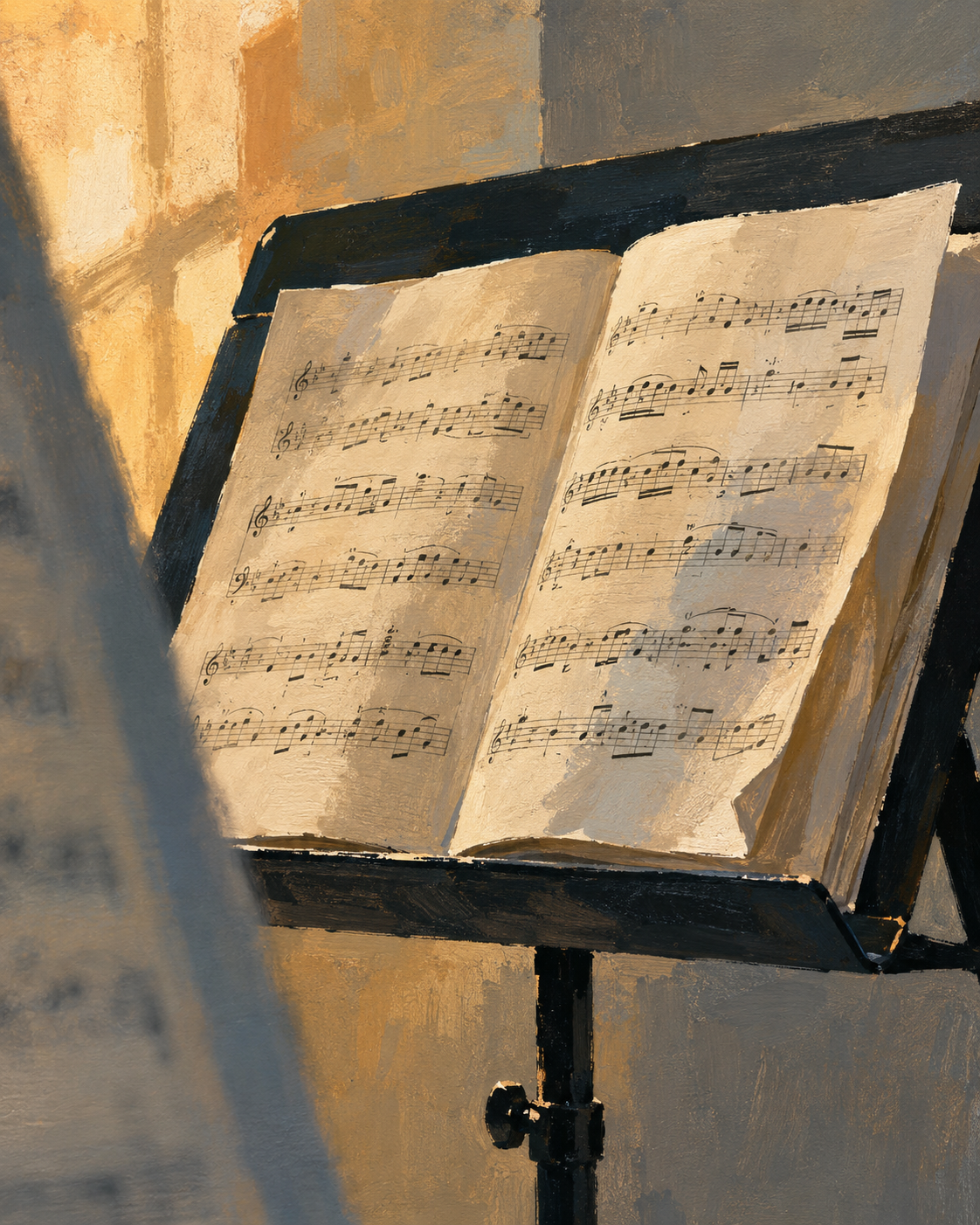
Golden Prelude
Critique
1. Introduction This painting presents an atmospheric oil study of sheet music resting on a stand, capturing the quiet dignity of musical practice and the tactile beauty of the written score. The harmonious blend of warm, golden lighting and the heavy, textured application of paint creates a scene that immediately evokes a sense of nostalgia, creative focus, and the silent potential of a silent melody. 2. Description The focal point of the composition is an open book of musical notation, supported by a utilitarian black metal music stand. The pages are rendered with a physical density, their aged, yellowish tones suggesting a history of repeated use and study. Across the five-line staves, the notes are applied with expressive, dark strokes that convey a sense of movement even in their stillness. The background is a wash of warm, late-afternoon sunlight, which illuminates the wall and surrounding space with a soft, diffused glow. This light rakes across the surface of the paper, highlighting the subtle folds and the delicate shadows created by the book’s curvature. Meticulous detail is visible in the rendering of the stand’s adjustment knob and the precise yet painterly execution of the musical characters. 3. Analysis The artist demonstrates a sophisticated mastery of the oil medium, utilizing a vigorous impasto technique to emphasize the material quality of the paper and the physical presence of the music stand. This heavy texture provides a sensory depth to the work, making the inanimate objects feel substantial and life-like. The color palette is masterfully centered on warm earth tones—ambers, golds, and ochres—which are unified by the overarching golden light to create a cohesive and inviting mood. The spatial structure is balanced, with the diagonal tilt of the music stand providing a sense of depth that guides the viewer’s eye toward the intricate details of the score. The brushwork is confident and deliberate, showcasing an exceptional ability to balance representational accuracy with expressive painterly freedom. 4. Interpretation and Evaluation This work can be interpreted as a meditation on the concept of "preparation," symbolizing the bridge between intellectual study and creative expression. The absence of the musician emphasizes the sacred nature of the practice space, transforming a simple tool of the trade into a symbol of personal discipline and cultural continuity. The technical execution is superb, demonstrating a sophisticated mastery of light control and surface texture. The artist’s ability to imbue a quiet, domestic scene with such a profound sense of atmosphere and poetic resonance marks this as a work of significant artistic merit and emotional depth. 5. Conclusion Ultimately, the painting is a masterful celebration of form, light, and the creative process. While it depicts a common still life arrangement, the refined technique and thoughtful composition elevate it beyond a simple representational study. It successfully captures the silent energy and serene brilliance of the musical score, preserving a moment of focused tranquility within a framework of rigorous artistic integrity, leaving a lasting impression of the profound beauty found in the most humble settings of human artistry.
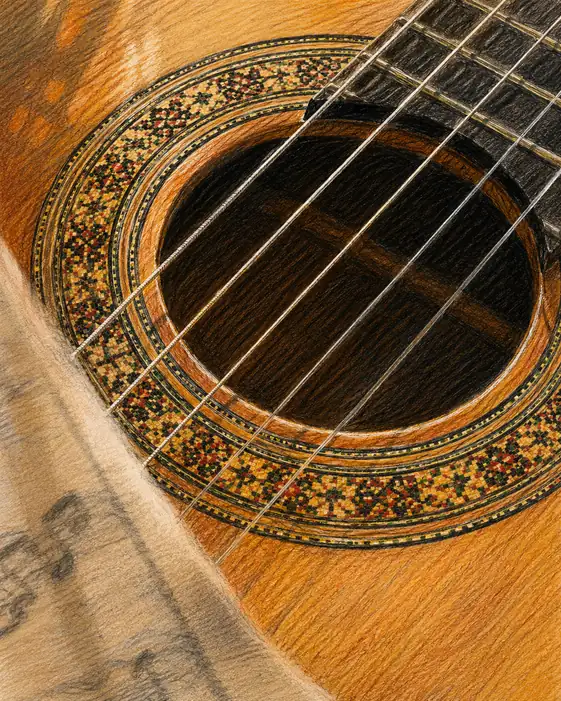 The Heart's Mandala
 Echoes of the Silent March
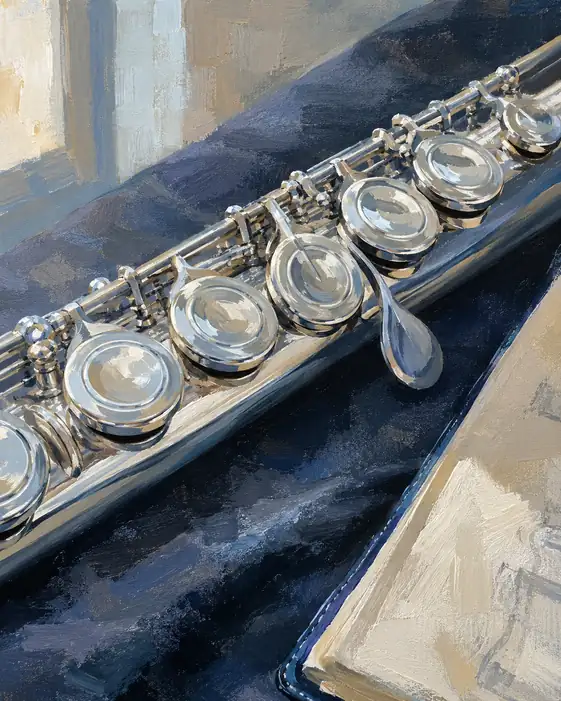 Reflections of a Silent Note
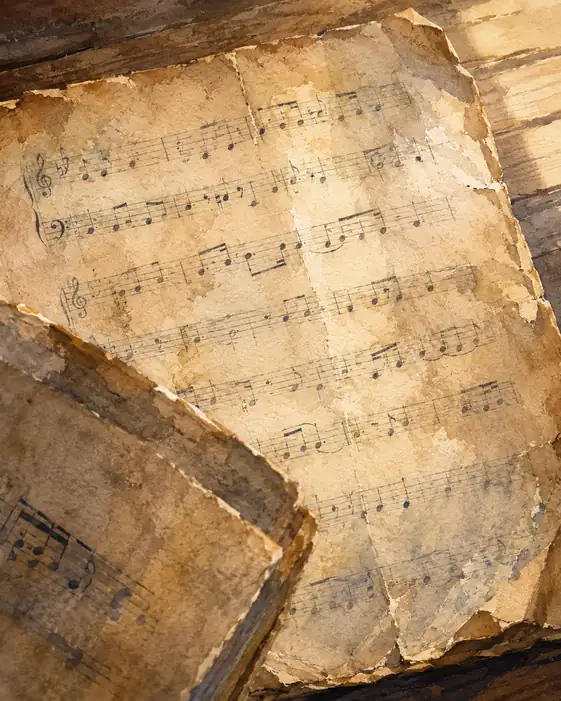 Echoes of a Lost Melody
 The Silent Potential of Strings
 Before the First Note
 Manuscript of Memories
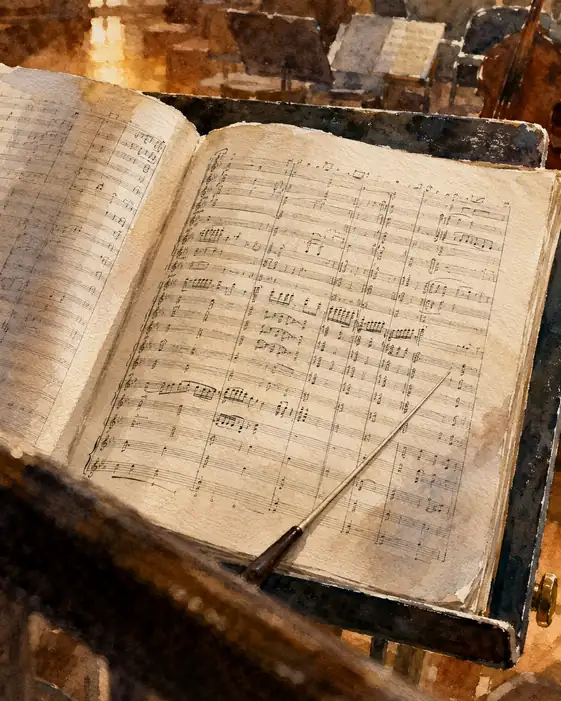 Prelude in Amber
 Silent Prelude
 The Unfinished Symphony of Silence
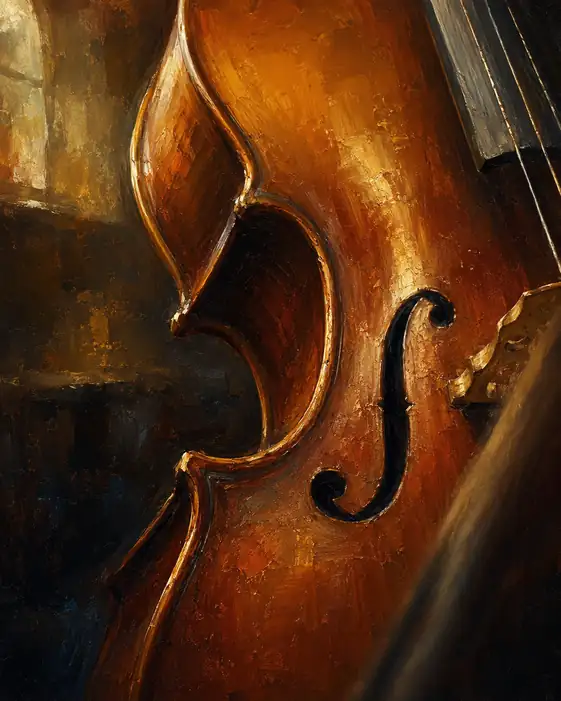 Resonant Silence
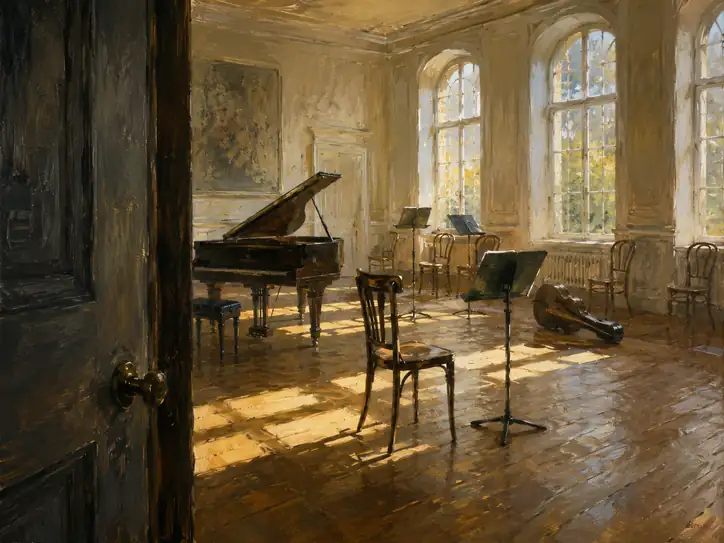 The Silence Before the Song