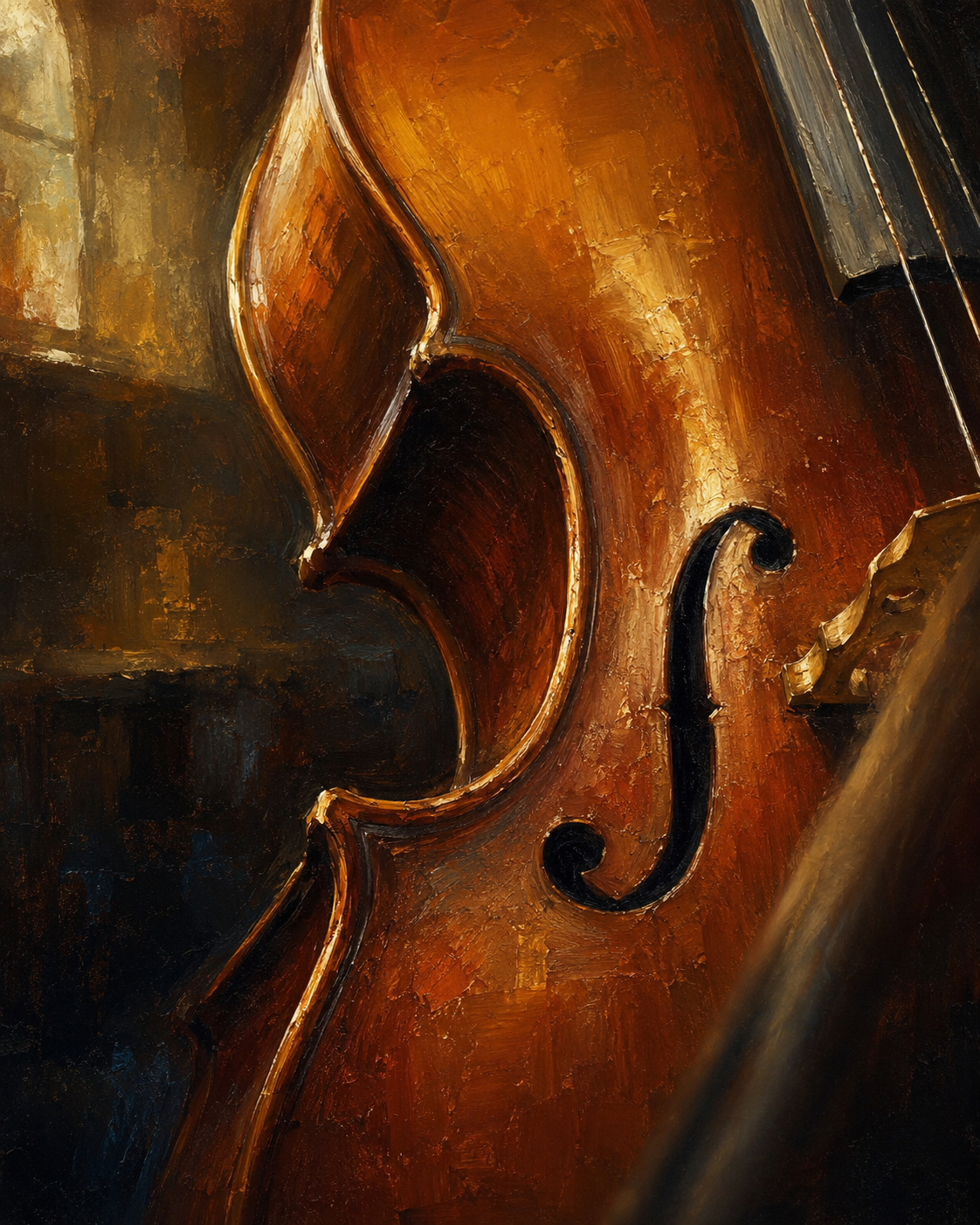
Resonant Silence
Critique
1. Introduction This painting presents a powerful oil study of the body of a string instrument, capturing the elegant curves, rich wooden textures, and the soulful essence of classical craftsmanship. The harmonious interplay between the radiant amber highlights of the polished varnish and the deep, mysterious shadows of the f-hole creates a scene that immediately evokes a sense of musical tradition, emotional depth, and the enduring beauty of artisanal heritage. 2. Description The focal point of the composition is a dramatic close-up of the instrument’s bout, featuring the exquisite grain of the dark wood and the iconic, dark silhouette of the f-hole. The surface of the wood is rendered with a luminous intensity, reflecting a soft, atmospheric light from a nearby window that suggests a studio or workshop setting. The deep, saturated browns and earthy terracottas of the varnish are applied with a vigorous impasto technique, providing a tangible, physical presence to the object. In the background, muted architectural details and soft, diffused light provide a sense of place without distracting from the central form. Meticulous detail is evident in the rendering of the subtle reflections across the curved surfaces and the sharp clarity of the instrument’s structural edges, creating a powerful sense of three-dimensional volume. 3. Analysis The artist utilizes a masterful chiaroscuro technique, relying on the strong contrast between the brilliant highlights and the receding shadows to define the complex geometry of the instrument. The color palette is masterfully restricted to warm, resonant tones, creating a cooling visual rhythm that enhances the nostalgic and dignified quality of the scene. The spatial structure is balanced, with the diagonal orientation of the body providing a sense of musical movement that leads the viewer’s eye through the glowing wood textures. The brushwork is expressive and confident, showcasing an exceptional ability to manage the oil medium to suggest both the hardness of the seasoned wood and the fluid, light-refracting property of the aged varnish. 4. Interpretation and Evaluation This work can be interpreted as a symbolic exploration of the "voice" of the instrument, transforming a physical object into a vessel for human emotion and historical memory. The focus on the weathered yet polished surface suggests the layering of time and the preservation of culture through the arts. The technical execution is superb, demonstrating a sophisticated mastery of light control and surface contrast. The artist’s ability to imbue the still life with such a profound sense of atmosphere and life marks this as a work of significant artistic merit and cultural resonance. 5. Conclusion Ultimately, the painting is a masterful celebration of form, light, and heritage. While it depicts a single musical instrument, the refined technique and thoughtful composition elevate it to a narrative of passion and permanence. It successfully captures the raw energy and serene brilliance of the cello, preserving a sense of hidden harmony within a framework of rigorous artistic integrity, leaving a lasting impression of the profound beauty found in the most noble instruments of human creation.
 Echoes of a Golden Melody
 Violin of Whispering Hydrangeas and Golden Leaves
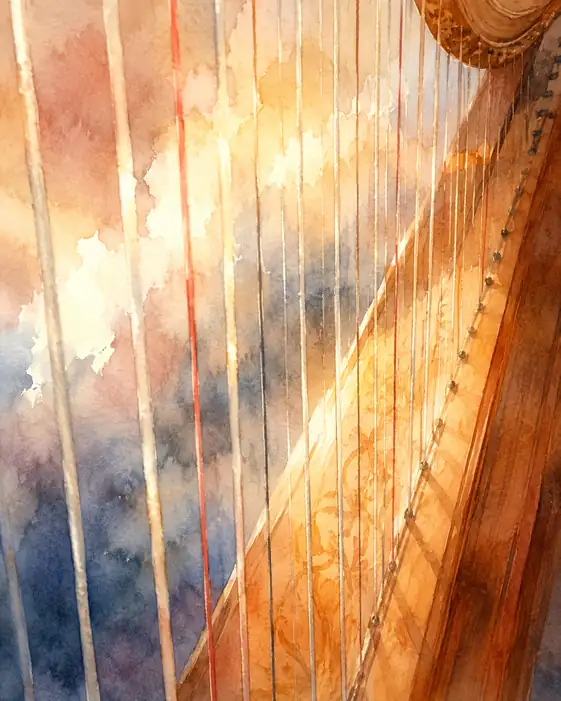 Echoes of the Celestial Realm
 The Silent Potential of Strings
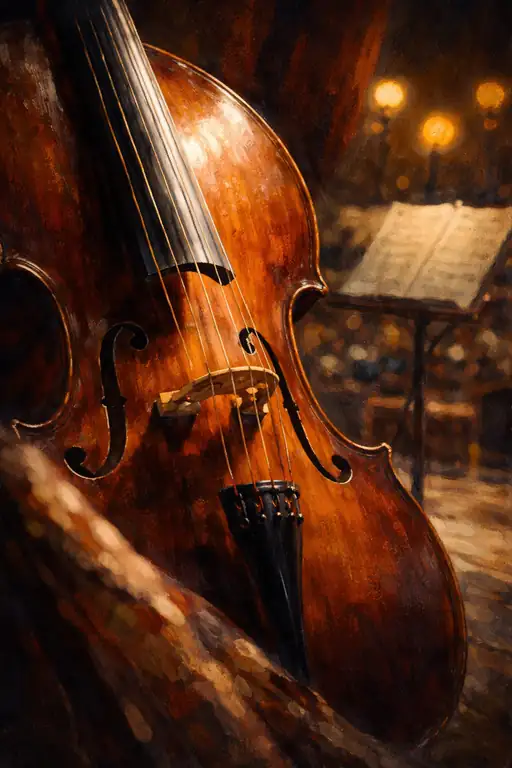 The Cello's Golden Silence
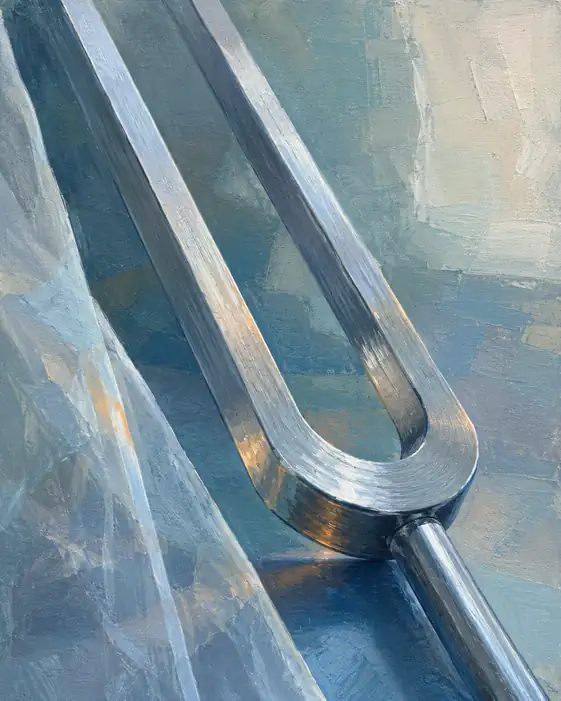 Resonance of Truth
 Light Architecture on Morning Wood
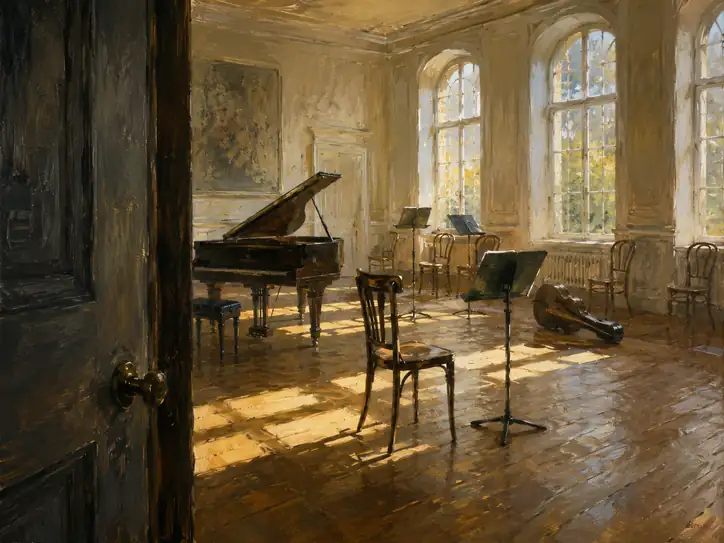 The Silence Before the Song
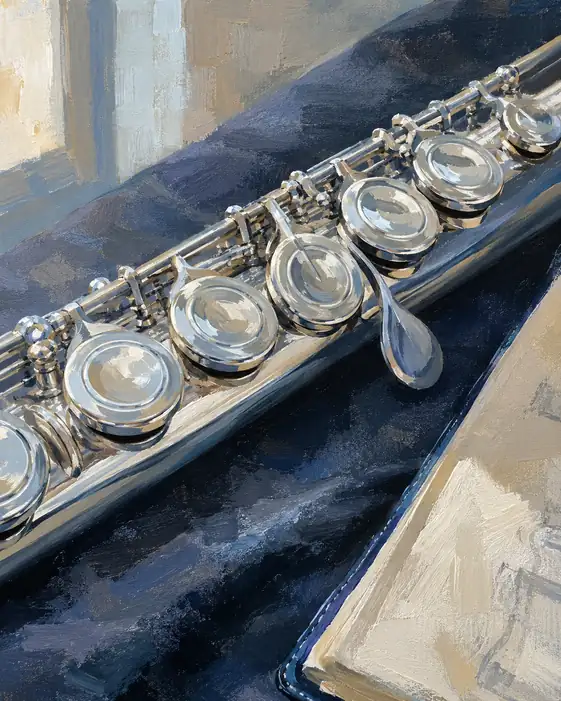 Reflections of a Silent Note
 Breath of the Woodwind
 The Silent Song of Sunset