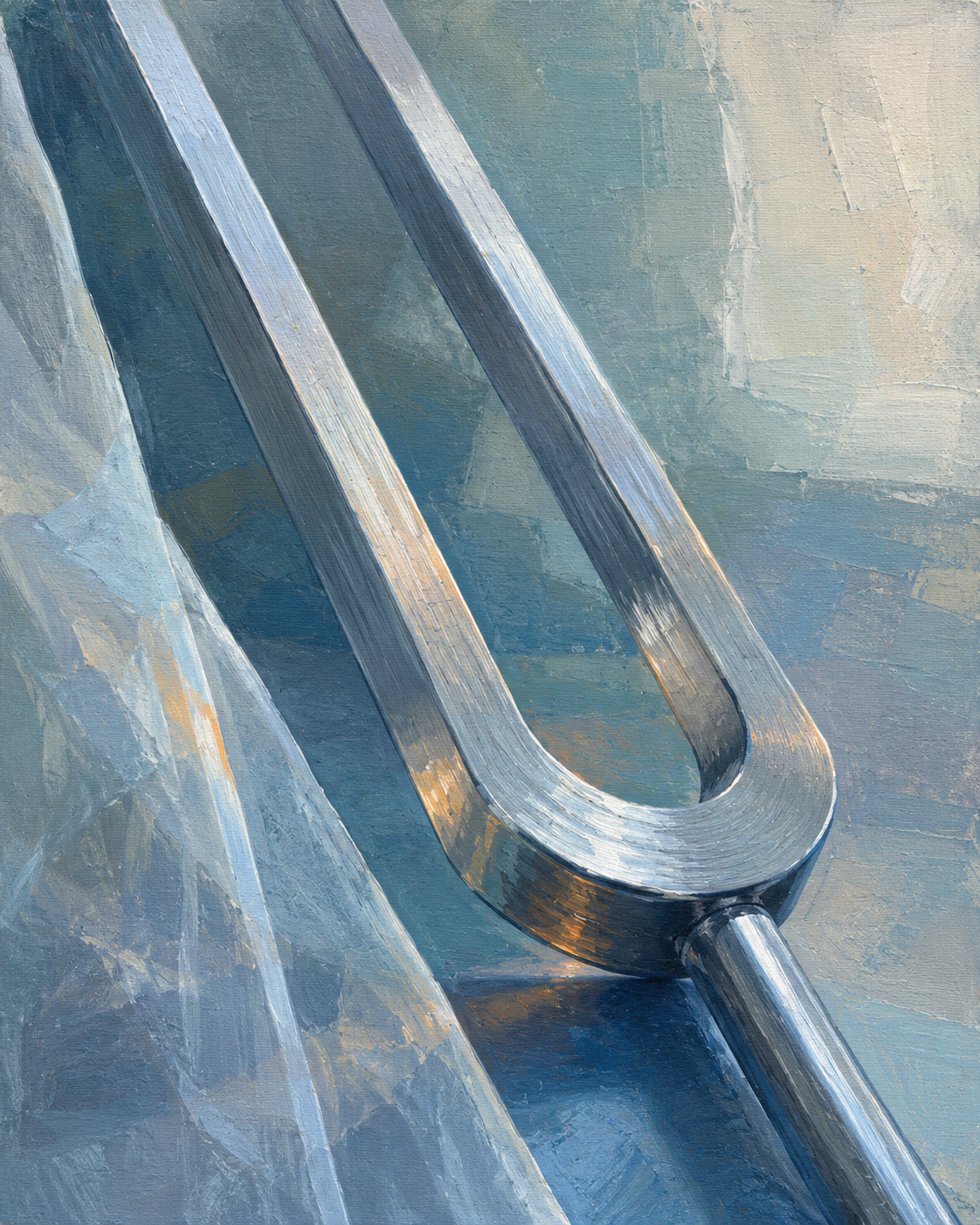
Resonance of Truth
Critique
1. Introduction This painting presents a sophisticated oil study of a polished metal tuning fork, capturing its industrial precision and the complex reflections of its environment. The harmonious interplay between the sleek, reflective surface of the instrument and the rugged, impasto texture of the background creates a scene that immediately evokes a sense of acoustic harmony, scientific clarity, and modern aesthetic elegance. 2. Description The focal point of the composition is a chrome-plated steel tuning fork, positioned diagonally across the frame to suggest a dynamic potential for vibration. Its highly polished surface features sharp, brilliant highlights and subtle reflected tones of blue and gray, conveying a powerful sense of metallic hardness and cool temperature. To the left, a heavy, textured fabric in shades of slate blue is draped, its organic folds providing a soft contrast to the rigid, U-shaped form of the tool. The background is a dense tapestry of visible brushstrokes and palette knife marks, rendered in a muted palette of cerulean, white, and gray. Meticulous detail is visible in the rendering of the handle’s cylindrical form and the precisely balanced prongs, highlighting the functional beauty of this scientific instrument. 3. Analysis The artist utilizes a vigorous impasto technique in the surrounding space to emphasize the material density and physical presence of the paint, which serves to further isolate and highlight the smooth finish of the tuning fork. The color palette is masterfully restricted to cool, atmospheric tones, relying on the contrast of values rather than a broad range of colors to define the forms. The spatial structure is balanced, with the diagonal line of the fork providing a strong sense of movement and direction that guides the viewer’s eye through the textured environment. The brushwork is expressive and confident, showcasing an exceptional ability to capture the specific reflectivity of metal while maintaining a cohesive and rigorous artistic integrity throughout the work. 4. Interpretation and Evaluation This work can be interpreted as an exploration of the concept of "resonance," symbolizing the search for perfect pitch and the fundamental order underlying the physical world. The tuning fork acts as a bridge between the precision of physics and the expressive power of music, transforming a utilitarian object into a symbol of intellectual and creative harmony. The technical execution is superb, demonstrating a sophisticated mastery of light control and surface contrast. The artist’s ability to imbue a simple industrial object with such a profound sense of artistic depth and mood marks this as a work of significant artistic merit and intellectual resonance. 5. Conclusion Ultimately, the painting is a masterful celebration of form, light, and material texture. While it depicts a single functional object, the refined technique and thoughtful composition elevate it beyond a simple representational study. It successfully captures the silent energy and serene brilliance of the tuning fork, preserving a sense of hidden vibration within a framework of rigorous artistic integrity, leaving a lasting impression of the profound beauty found in the most precise instruments of human discovery.
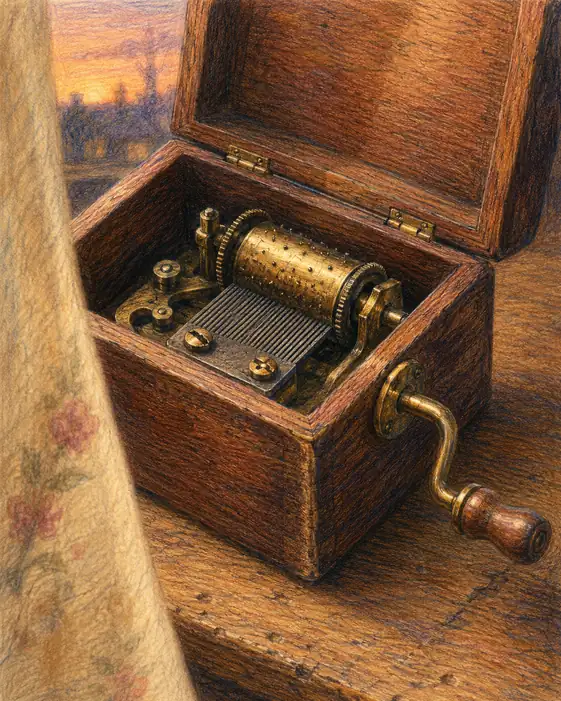 Echoes of a Forgotten Twilight
 The Soul of Dreams Projected
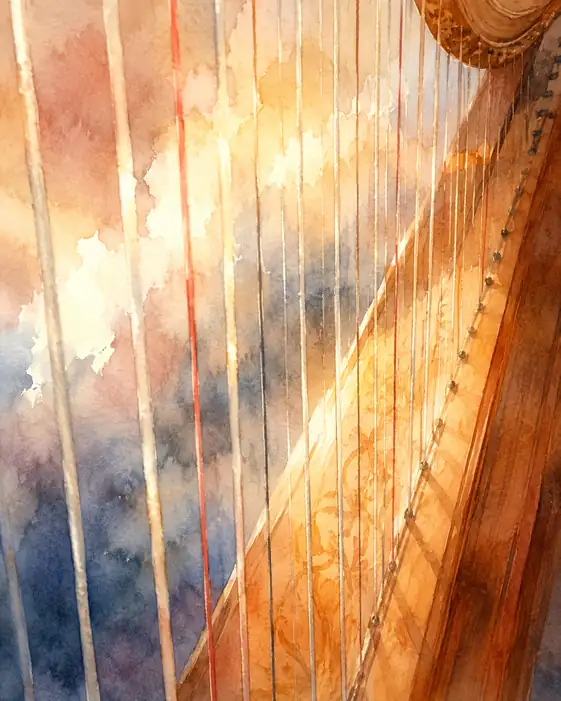 Echoes of the Celestial Realm
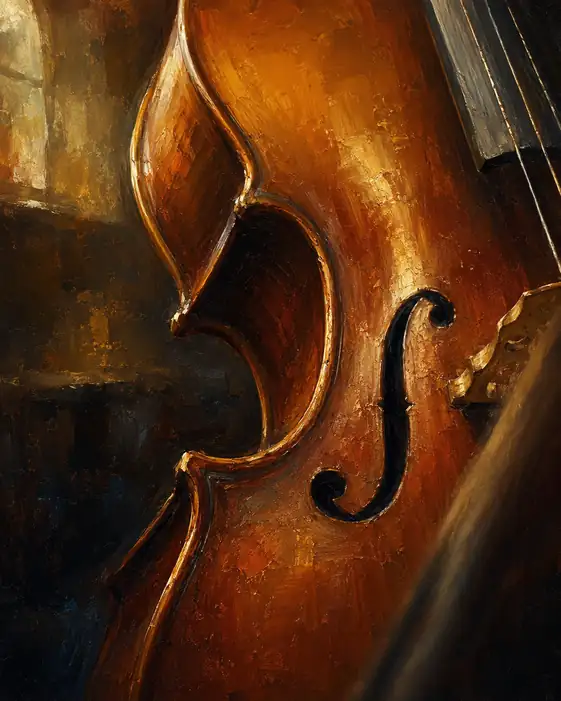 Resonant Silence
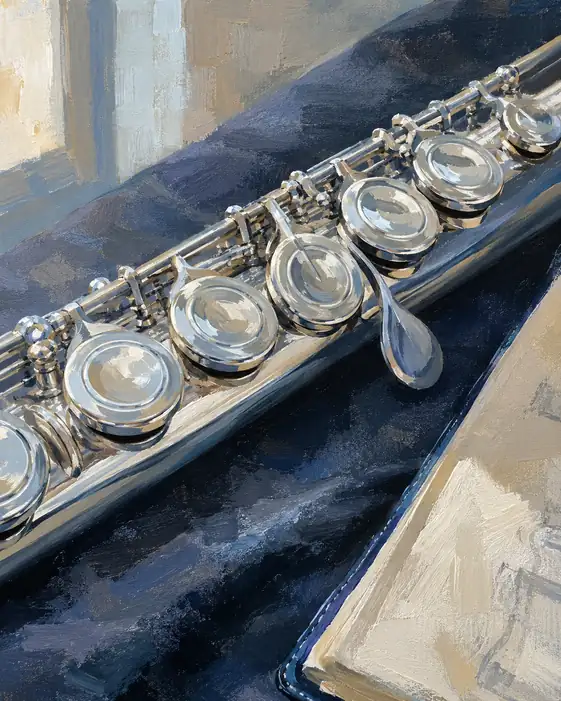 Reflections of a Silent Note
 Sovereign of the Starry Abyss
 Vessel of Silent Echoes
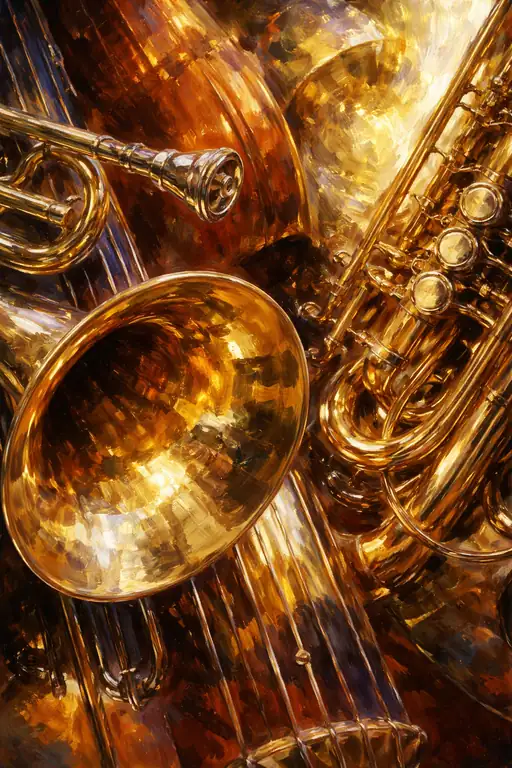 Brilliance of the Gilded Brass
 Captured Sunbeam
 Prism of Silent Morning
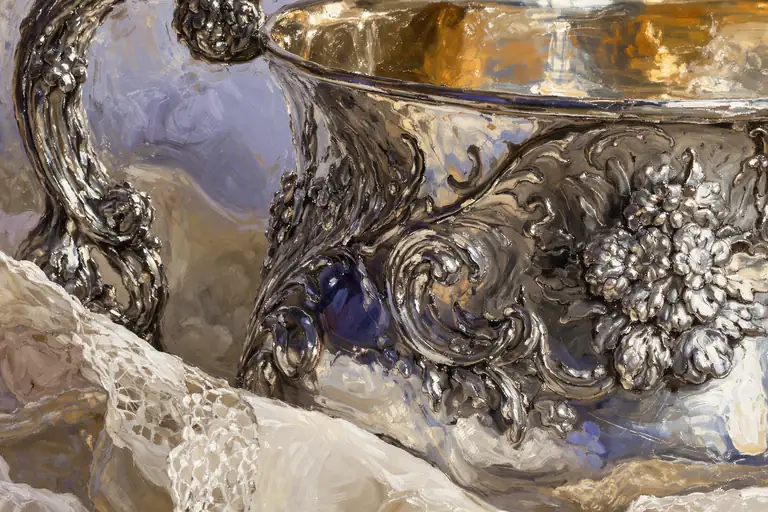 Reflections in Silver and Lace
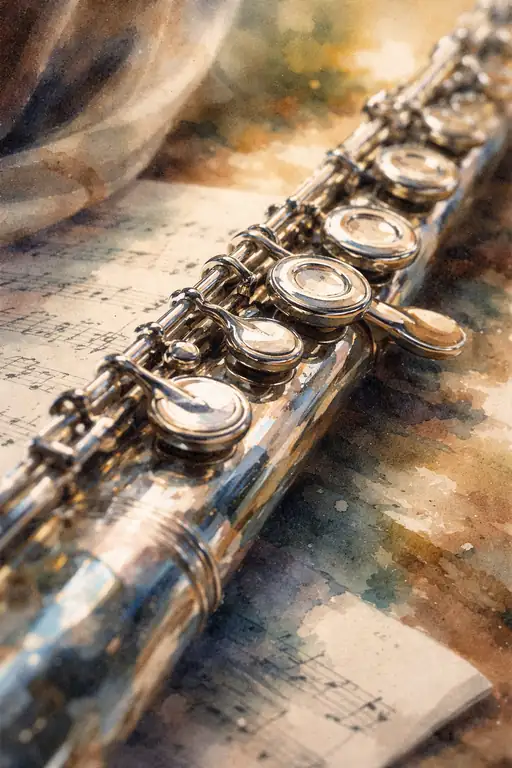 Sonata of the Silver Soul