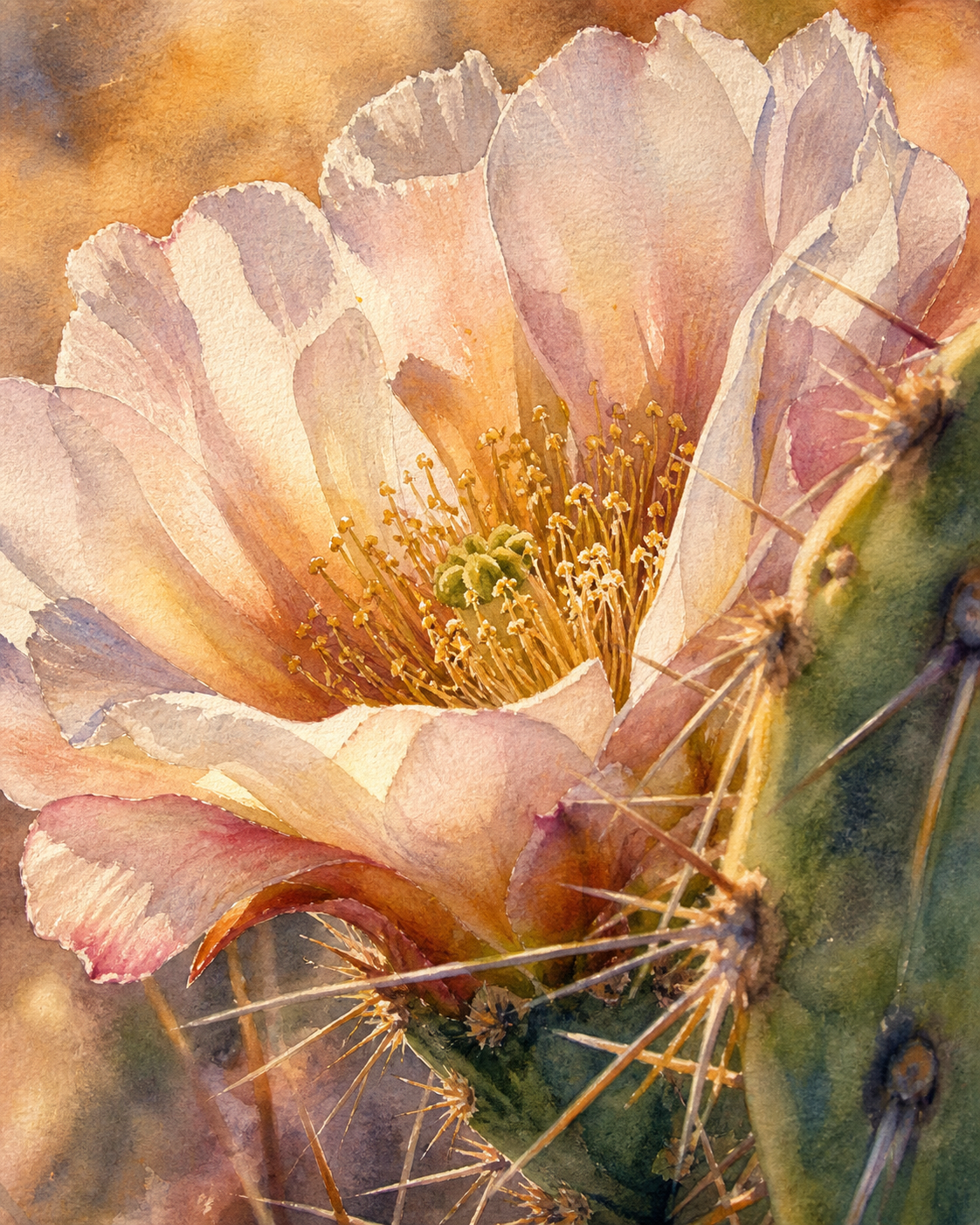
Jewel of the Desert Sun
Critique
1. Introduction This delicate watercolor painting offers a sophisticated botanical study of a cactus flower, captured in an intimate, close-up perspective. The artist utilizes the inherent transparency of the medium to explore the ephemeral beauty of a desert bloom against the rugged backdrop of its host plant. By focusing on the fine details of the floral anatomy and the harsh texture of the cactus, the work establishes a compelling contrast between vulnerability and resilience. 2. Description The composition is dominated by the large, multi-petaled flower, which unfolds in a fan-like arrangement of pale pink and cream hues. At its center, a dense cluster of golden-yellow stamens surrounds a green stigma, rendered with precise, rhythmic marks. To the right and below, a portion of the green cactus pad is visible, bristling with long, sharp thorns that catch the light. The background is a soft, out-of-focus wash of ochre, brown, and muted green, suggesting a sun-drenched desert environment. 3. Analysis Technically, the painting excels in its handling of light, particularly the way sunlight filters through the translucent petals, creating a luminous, inner glow. The artist employs a masterful wet-on-wet technique in the background to achieve a soft bokeh effect, which ensures that the detailed subject remains the focal point. The contrast in textures is a key analytical element; the smooth, flowing washes of the petals are juxtaposed with the crisp, dry-brush lines of the thorns. Color is balanced through the interaction of warm floral tones and the cool, earthy greens of the cactus. 4. Interpretation and Evaluation The artwork successfully conveys the quiet drama of life in an arid landscape, highlighting the unexpected elegance found in a typically hostile environment. The choice of a macro perspective invites the viewer to appreciate the intricate structural complexity of the flower, which might otherwise be overlooked. The artist’s ability to maintain the purity of the watercolor pigments while layering colors to achieve depth is particularly noteworthy. This piece demonstrates a high degree of technical control and a deep sensitivity to the organic forms of the natural world. 5. Conclusion Ultimately, this painting is a celebration of the delicate equilibrium of nature, rendered with a grace that belies the harshness of its subject matter. The harmony of light, color, and texture creates a serene yet powerful visual statement about the persistence of beauty. The initial attraction to the flower's soft glow leads to a deeper contemplation of the complex relationship between the bloom and its protective thorns. This work stands as a testament to the artist's ability to transform a common botanical subject into a profound exploration of life's inherent contrasts.
Same Subcategory
 Dawn's Fragile Necklace
Similar Artworks
 The Morning's Velvet Tears
 Pink Cosmos and Brass Desk Lamp
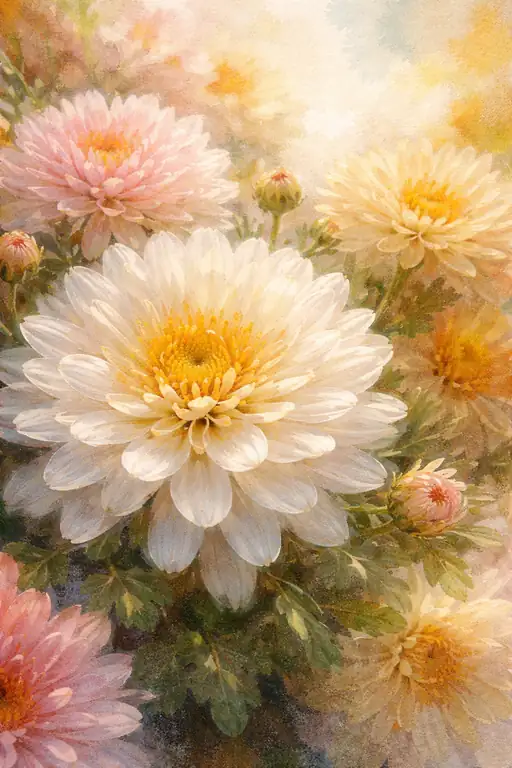 Eternal Serenity: The Soul's Silent Bloom
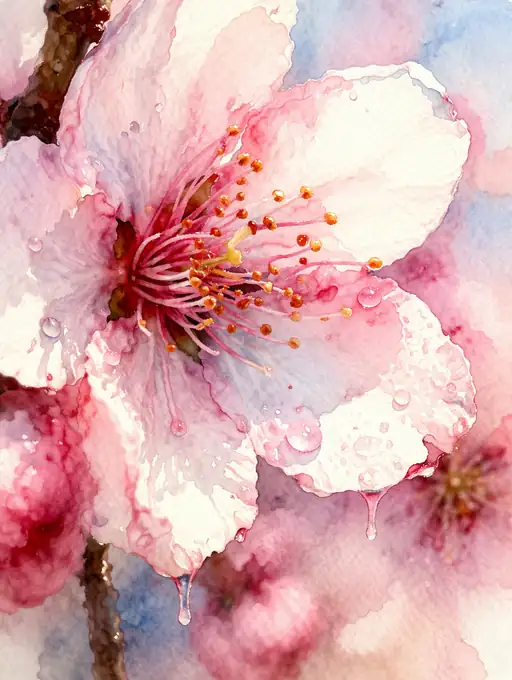 Tear of a Cherry Blossom
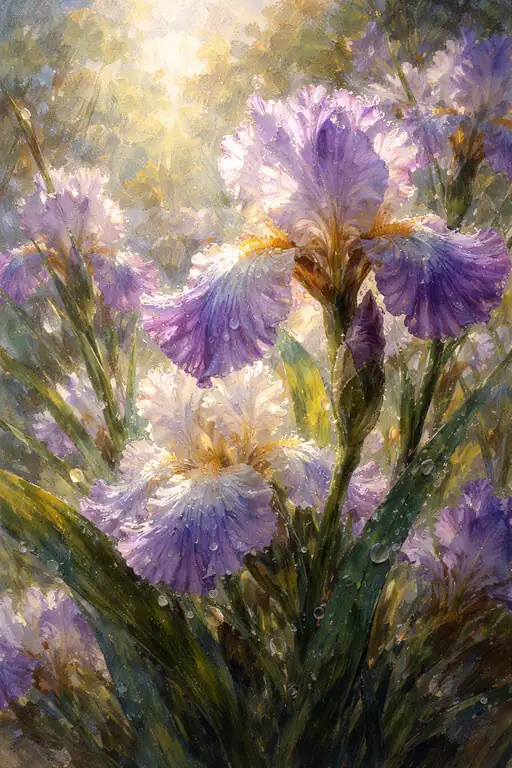 Morning's Gentle Kiss
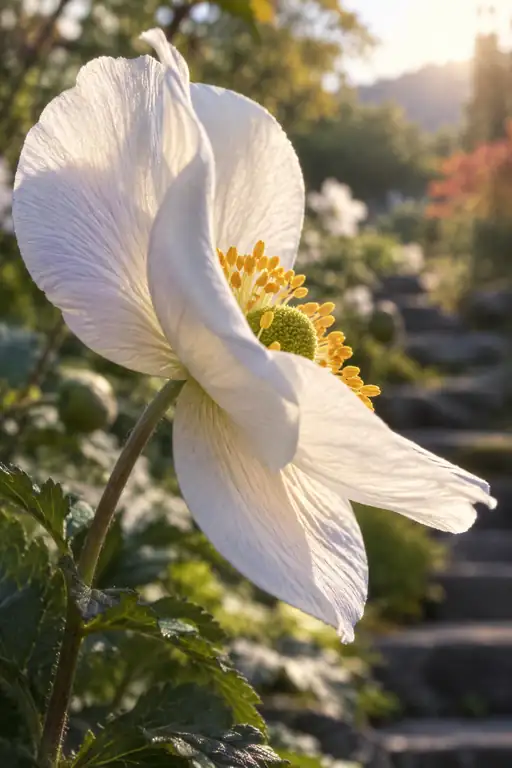 Profile of White Anemone in Sun
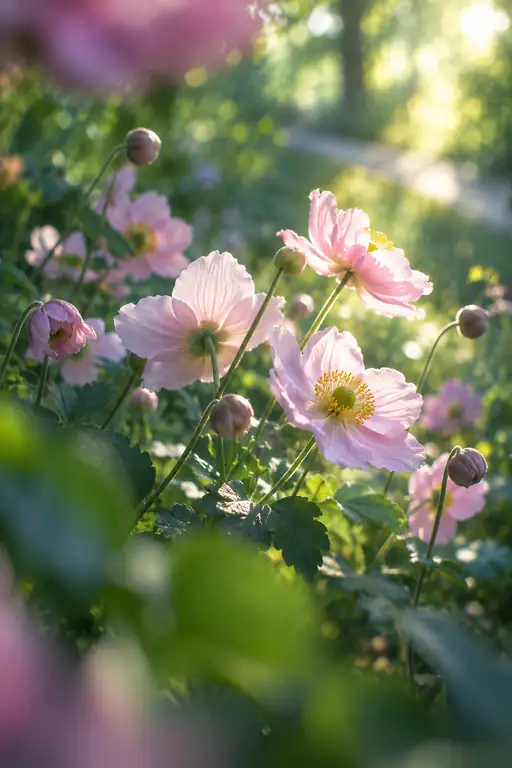 Evening Glow upon Anemone
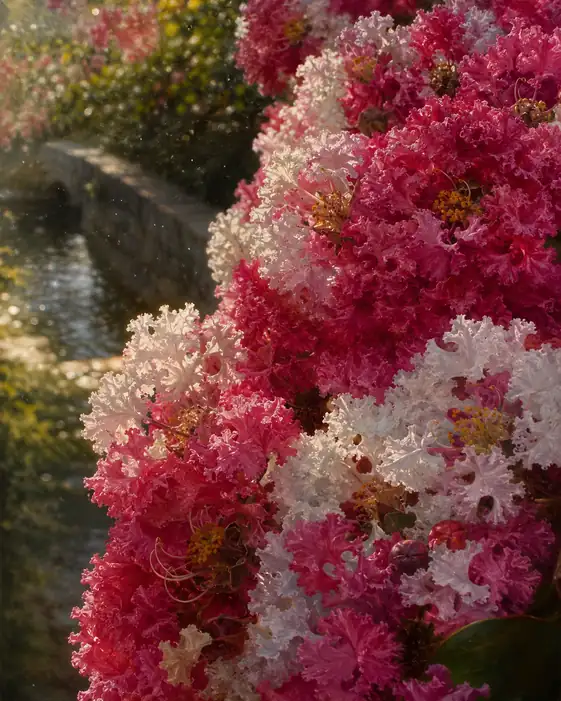 Crape Myrtle Blossoms by the Stone Bridge
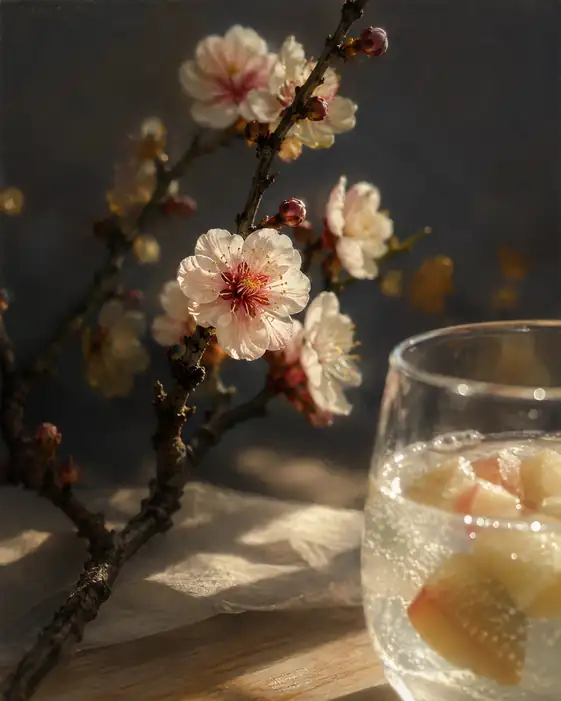 A Toast to a Plum-Scented Afternoon
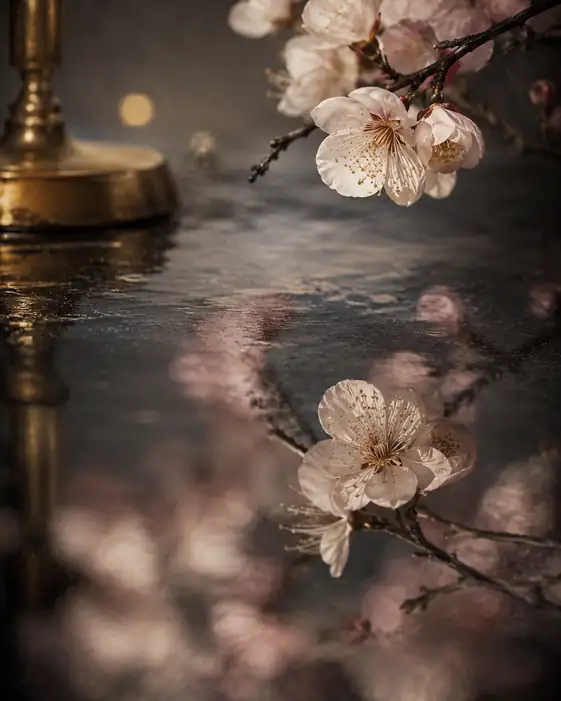 Plum Blossoms Reflected by Candlestick