Meditations on the Woven Folds
Critique
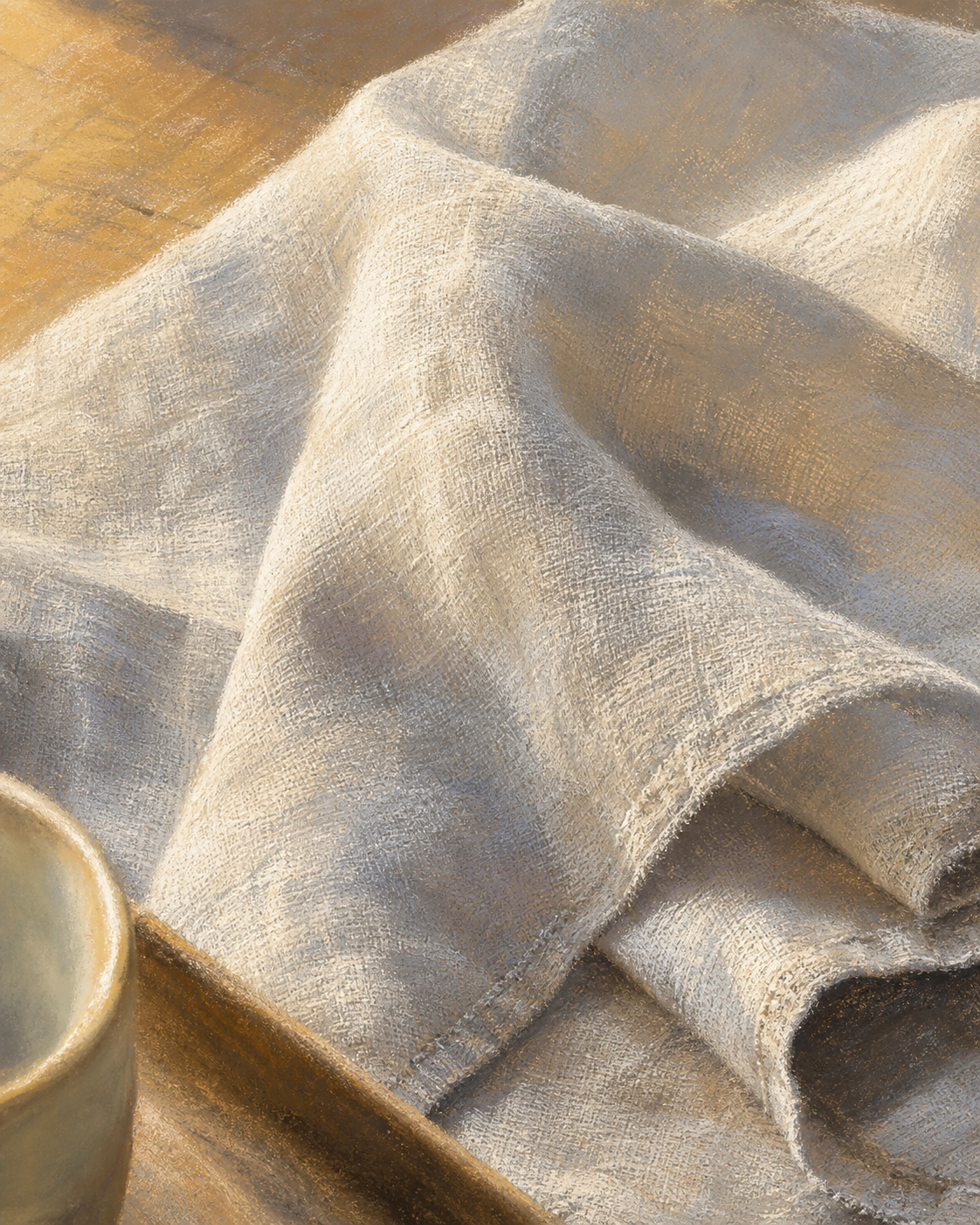
1. Introduction This oil painting serves as a profound study of drapery and texture, elevating a simple piece of fabric into a subject of intense artistic scrutiny. Through a meticulous application of paint and a keen focus on the play of light across surfaces, the work explores the sculptural possibilities of folded cloth. The composition is marked by a minimalist approach that emphasizes materiality over narrative, inviting the viewer to appreciate the subtle complexities of form, shadow, and the tactile nature of woven linen in a domestic setting. 2. Description The primary focus of the work is a light-colored linen cloth, likely a napkin or small tablecloth, which is draped in a complex series of folds over a dark wooden surface. The fabric exhibits a range of muted tones, from cool grays to warm off-whites, depending on its orientation to the light source. In the lower left corner, the rim of a rustic ceramic bowl or cup is partially visible, providing a point of reference for scale and context. The wooden base shows a rich, warm grain that contrasts with the cooler, textured surface of the textile. 3. Analysis The artist’s technical approach is characterized by a sophisticated rendering of three-dimensional form. Each fold and crease of the fabric is treated as a topographical feature, defined by precise gradations of light and shadow. The brushwork is particularly noteworthy; the artist has employed a technique that mimics the actual weave of the linen, creating a physical texture on the canvas that reinforces the visual representation. This interplay between the painted image and the physical surface of the work adds a layered complexity to the visual experience, making the drapery appear both heavy and ethereal. 4. Interpretation and Evaluation This work is evaluated as a masterful demonstration of technical skill and artistic focus. By isolating the fabric from any broader context, the artist forces a confrontation with the beauty of pure form and the elegance of everyday materials. The painting possesses a meditative quality, encouraging a slow and deliberate observation of the world. Its success lies in the balance between the rigorous structural analysis of the folds and the soft, diffused lighting that bathes the scene, resulting in a work that is both intellectually stimulating and visually soothing. 5. Conclusion The painting stands as a testament to the power of focused observation and the expressive potential of simple subjects. Its cohesive design and exceptional handling of texture create a lasting impression of quiet sophistication and technical excellence. Ultimately, the work reminds the viewer that the most common objects, when viewed with enough care, can reveal a wealth of formal beauty and artistic intrigue. The final result is a harmonious and deeply satisfying exploration of the relationship between light, shadow, and material substance.
 Sunlit Lace and Morning Roses
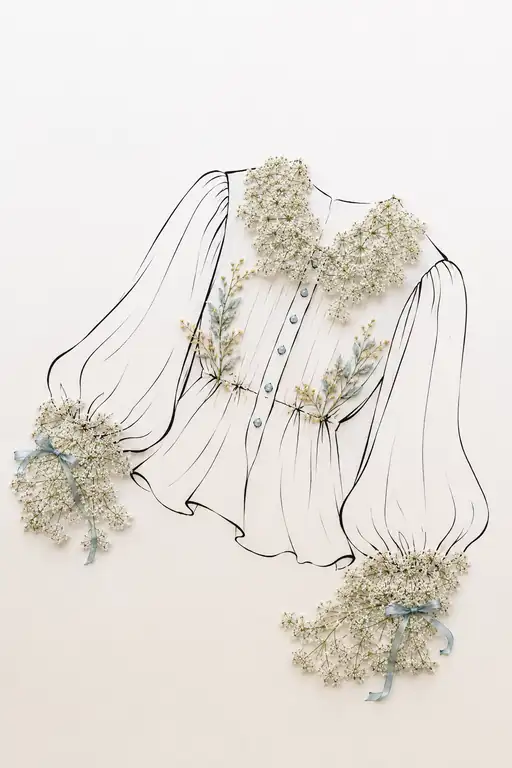 Lace-Collared Blouse with Pale Blue Bows
 Shadows Tangled in Thread
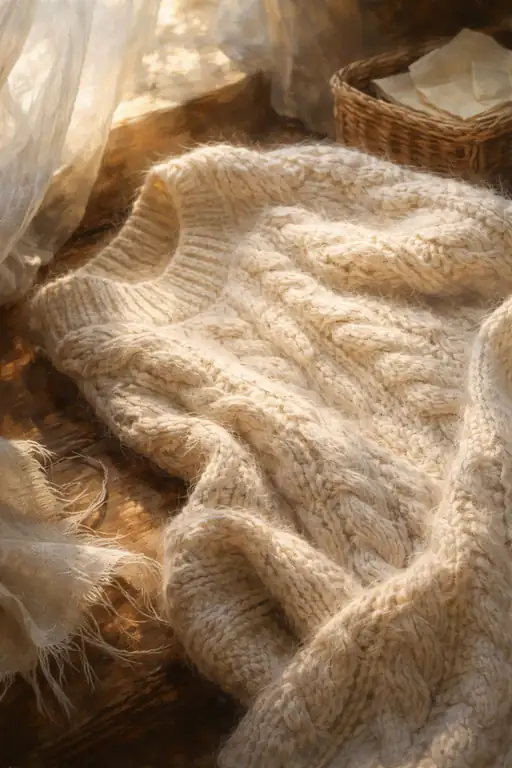 Morning's Soft Embrace
 Whisper of the Lace Shadows
 Sunlit Domesticity: The White Shirt
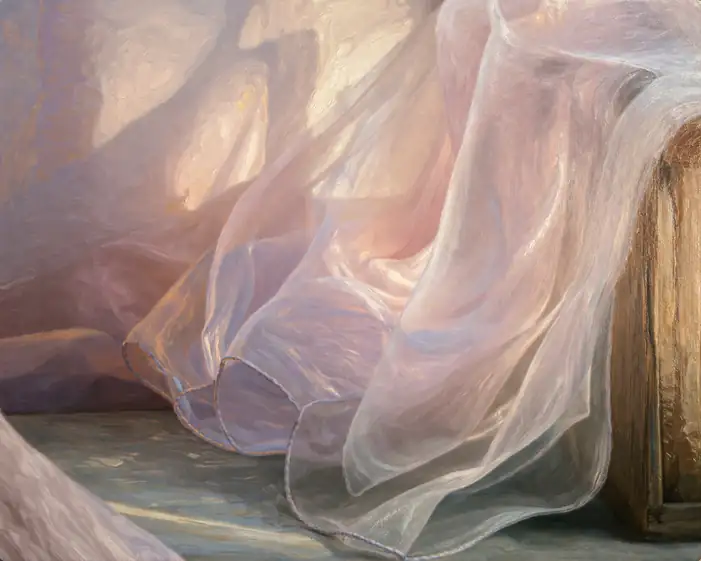 Whispers of Silk
 Light Architecture on Morning Wood
 Whispers of Abundant Peace
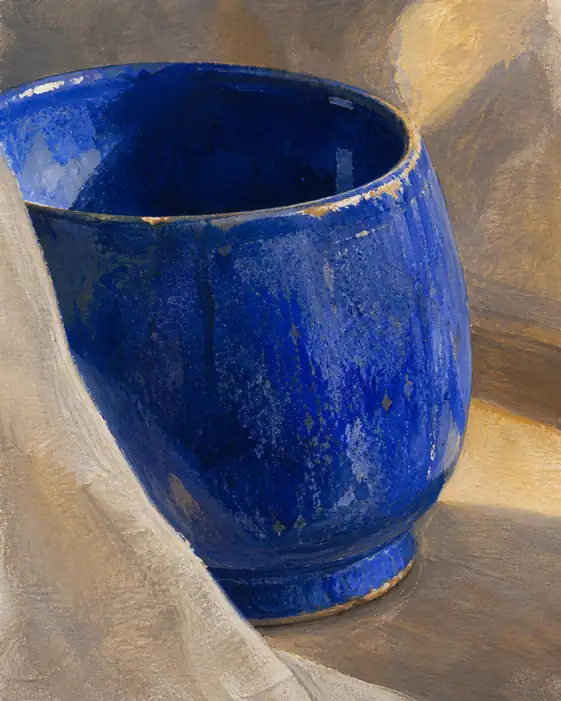 Vessel of Boundless Blue
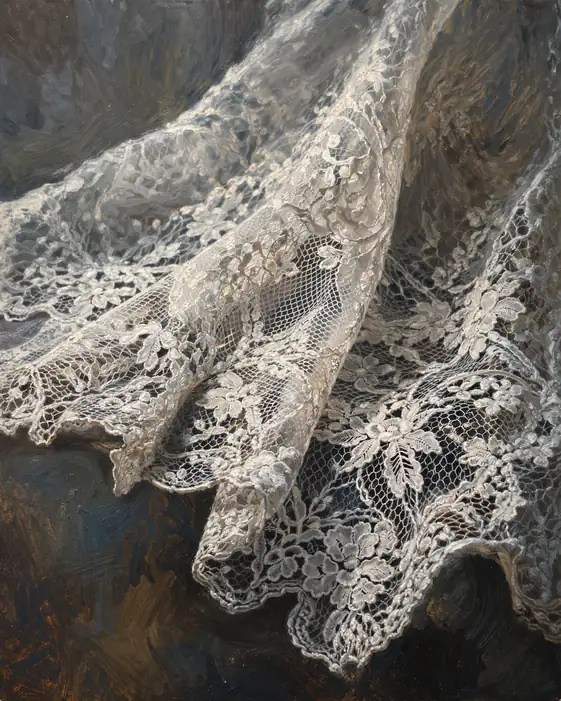 Intricate Lace in Shadow
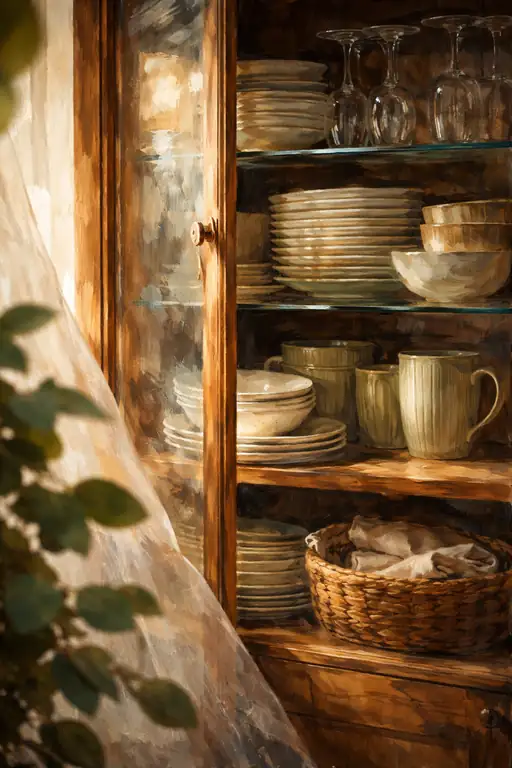 Treasures of the Hearth