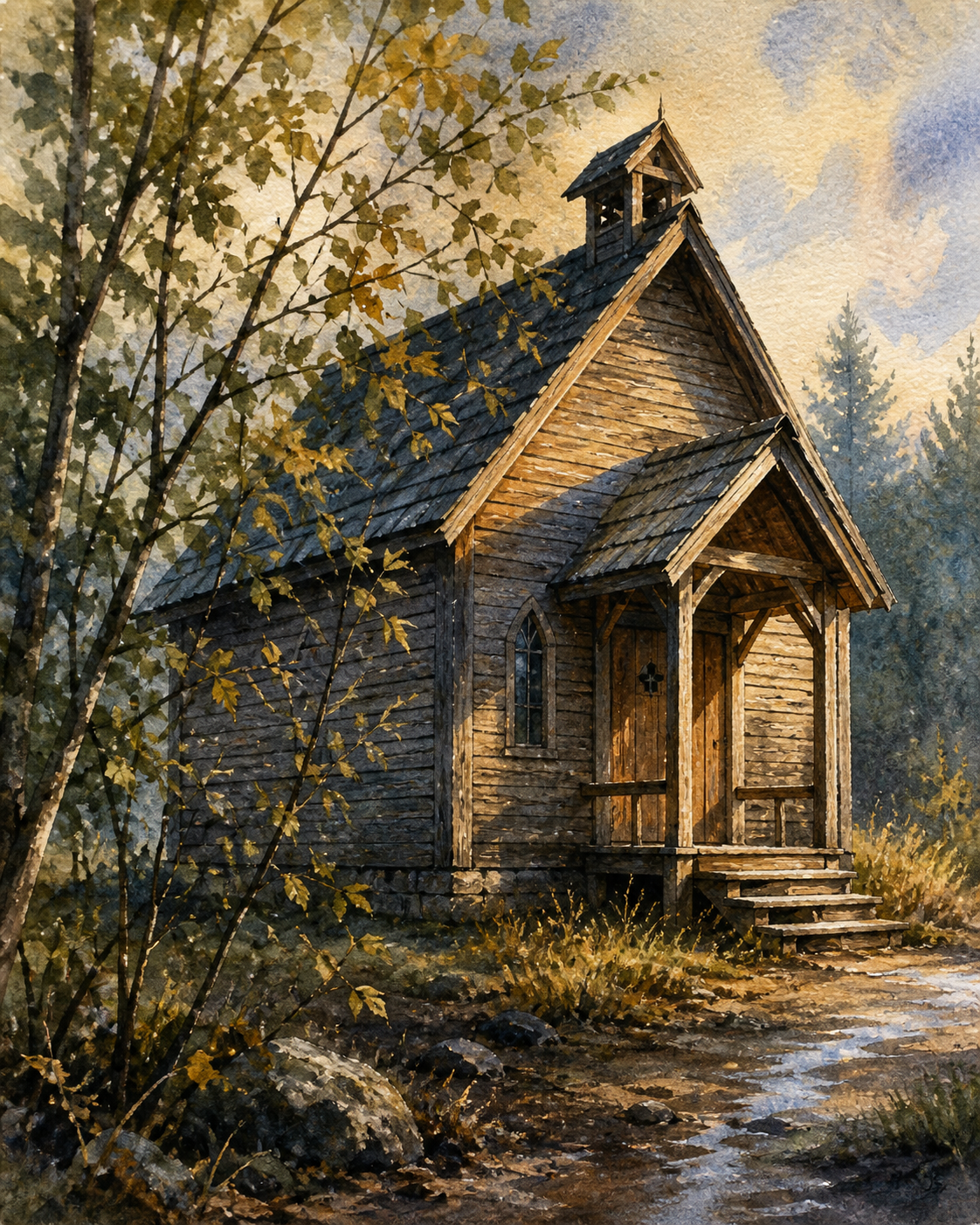
Sanctuary of the Whispering Woods
Critique
1. Introduction This watercolor painting presents a serene and evocative depiction of a small, rustic wooden chapel nestled deep within a forest. Bathed in the warm, golden light of late afternoon, the structure radiates a sense of peaceful solitude and spiritual grounding. Through the fluid and layered qualities of the watercolor medium, the artist captures the harmonious relationship between man-made architecture and the natural world. This critique will explore the spatial composition, textural rendering, and emotional resonance of the work, highlighting its technical excellence and atmospheric depth. 2. Description The focal point of the composition is a simple wooden structure featuring a steeply pitched roof and a modest bell tower. The weathered texture of the timber siding is emphasized by the low-angled sunlight, which also illuminates the small porch and entrance steps. Surrounding the chapel are autumn-tinted trees with delicate foliage, while a small stream ripples through the foreground. The sky is a soft blend of amber and pale blue, casting long, dramatic shadows that stretch across the uneven ground. Fine branches in the upper left provide a rhythmic framing element. 3. Analysis The composition utilizes a three-quarter perspective to establish a sense of three-dimensional volume and structural stability. The interplay between the vertical lines of the forest trees and the diagonal angles of the chapel's roof creates a balanced and dynamic visual field. The color palette relies on a harmonious range of warm browns and ochres, contrasted with the deep evergreens of the background and the cool tones of the water. Technically, the artist demonstrates a mastery of both wet-on-dry detailing for the wood grain and soft-edged washes for the atmospheric background. 4. Interpretation and Evaluation The artwork can be interpreted as a symbol of spiritual refuge and the enduring presence of faith within the wilderness. The isolated chapel suggests a space for introspection and soul-searching, inviting the viewer into a contemplative state of mind. The artist's ability to render the tactile quality of aged wood and the fleeting effects of twilight is exceptional. The successful integration of detail and overall mood reflects a mature artistic vision and a profound respect for the subject matter. This piece possesses a timeless quality that resonates deeply with the human experience. 5. Conclusion While the initial impression is one of nostalgic beauty, a closer study reveals a sophisticated layering of meaning and technique. The transition of the building from a mere structure to a living part of the landscape is masterfully portrayed. The painting successfully combines classical watercolor traditions with a poetic sensitivity to light and environment. Ultimately, this work stands as a testament to the power of quiet places, leaving the viewer with a lasting sense of tranquility and a renewed appreciation for the intersection of culture and nature.
Same Subcategory
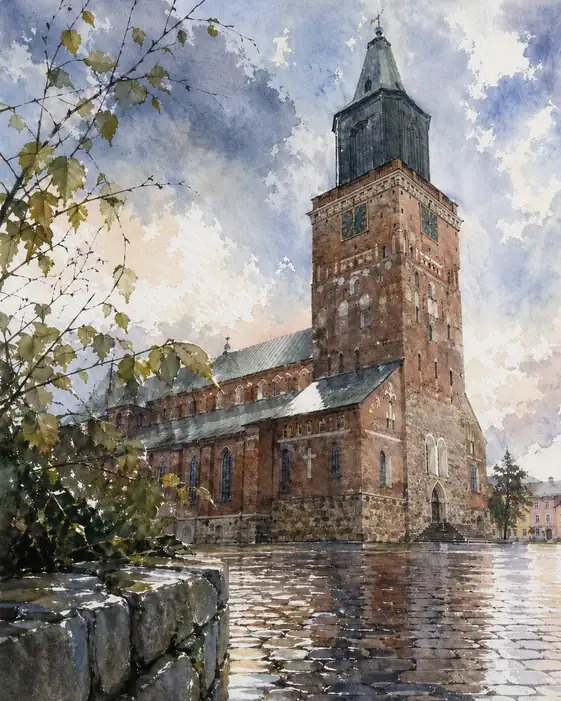 Turku Cathedral Reflected in the Rain
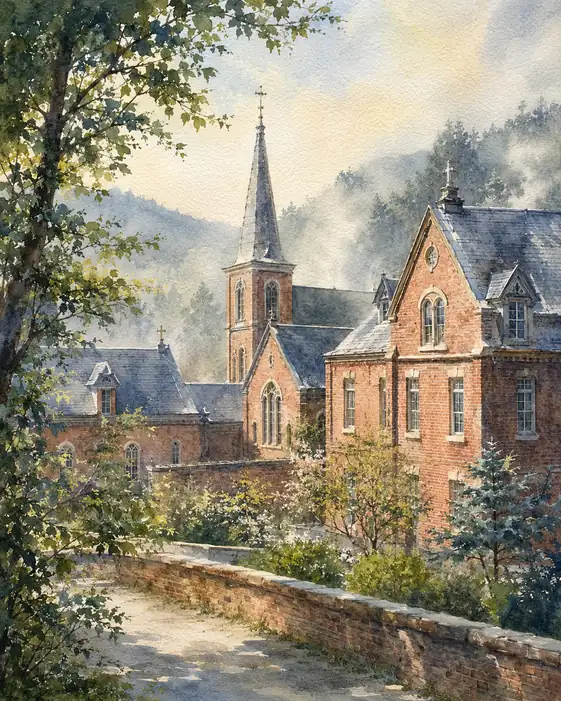 Sanctuary of Silence: Red Bricks in the Morning Mist
Similar Artworks
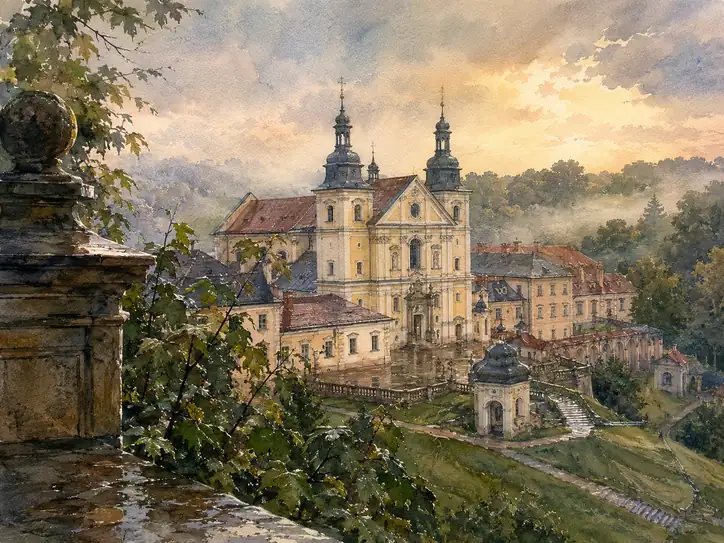 Grace After the Rain
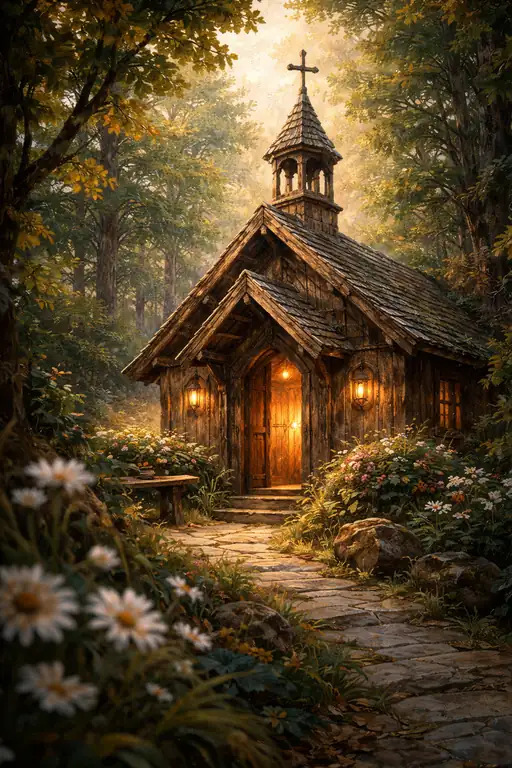 Dusk’s Golden Promise Within the Forest Sanctuary
 The Threshold of Quiet Prayer
 The Silent Prayers of the Forest
 A Fleeting Moment of Quiet Grace
 Solitude Amidst the Frosty Peaks
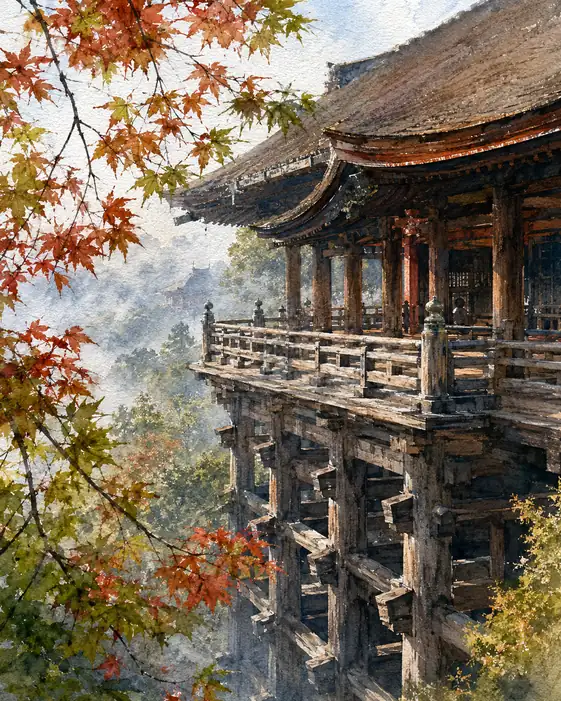 Suspended in the Autumn Mist
 The Quiet Solitude under Twilight
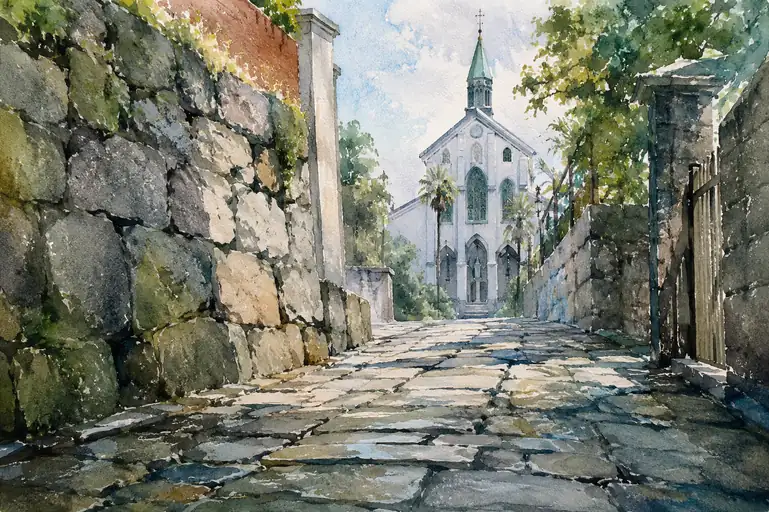 Stones That Remember the Light
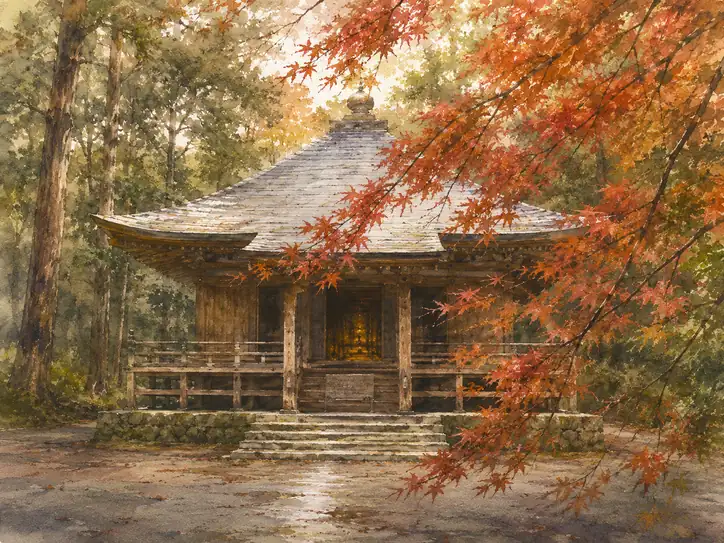 Golden Glow in the Maple Shadows