
Where the Sunbeams Linger
Critique
1. Introduction This evocative oil painting depicts a sun-drenched scene featuring a classic wicker armchair, inviting the viewer into a space of quiet repose. The composition focuses on the interplay between the structured elegance of the furniture and the fluid, shifting qualities of natural light. Through its rich texture and warm color palette, the artwork captures a fleeting moment of domestic tranquility, transforming a simple interior setting into a subject of profound aesthetic contemplation and emotional resonance. 2. Description The primary subject is a well-crafted rattan chair, its woven back and curved armrests rendered with meticulous attention to detail. A soft white cushion sits on the seat, partially covered by a loosely draped, textured knitted throw that suggests a human presence recently departed. To the left, a heavy white curtain frames the scene, while out-of-focus green leaves in the foreground add a sense of depth and life. The background reveals a sun-streaked wall and a terracotta-tiled floor, both bathed in the brilliant glow of late afternoon light. 3. Analysis The artist utilizes a vibrant, warm color scheme dominated by golden yellows, rich ochres, and deep umbers, creating an atmosphere of intense warmth. Strong diagonal light sources cast dramatic shadows, particularly the dappled patterns on the back wall which contrast sharply with the illuminated surfaces of the chair. The brushwork is notably expressive and tactile; thick applications of paint, reminiscent of the impasto technique, are visible on the cushion and the textured wall. This emphasis on surface quality enhances the sensory experience of the various materials depicted. 4. Interpretation and Evaluation The work successfully conveys a sense of serene isolation and the beauty of quiet domesticity, elevating a common piece of furniture to a symbol of comfort and reflection. The technical mastery is evident in the rendering of light, which feels almost tangible as it glazes over the wicker and fabric. By juxtaposing the intricate, rhythmic patterns of the rattan with the broad, painterly strokes of the background, the artist achieves a sophisticated balance of detail and abstraction. The painting demonstrates a remarkable ability to capture the atmospheric quality of a specific time and place. 5. Conclusion Ultimately, the painting serves as a celebration of the mundane and the transformative power of light on everyday objects. While the initial impression is one of simple warmth and comfort, the depth of the texture and the complexity of the shadows reveal a more nuanced exploration of space and atmosphere. The harmonious integration of color, light, and texture creates a compelling and lasting visual experience. It is a masterful study of light that invites the observer to pause and appreciate the quiet beauty found within the domestic sphere.
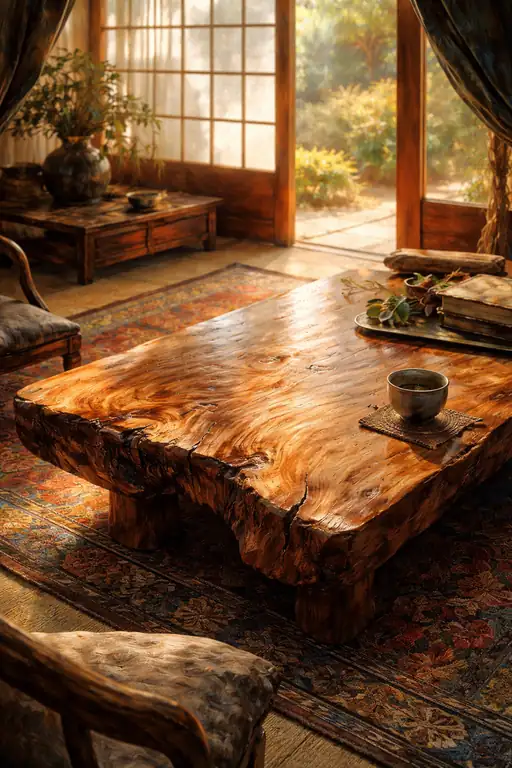 Morning Light on the Wooden Table
 Ephemeral Breath of Summer Light
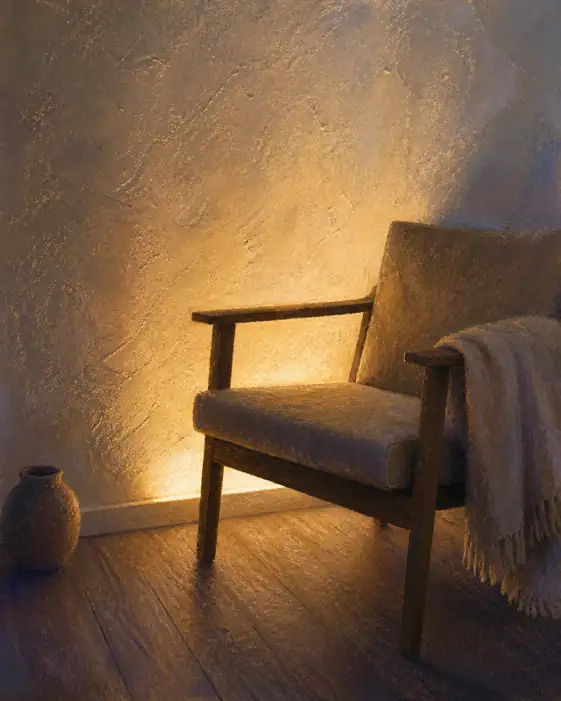 The Golden Sanctuary of Solitude
 The Silent Audience
 Quiet Whispers in the Sun-Drenched Salon
 Inner Landscape
 Sun-Drenched Serenity
 Woven Sunshine
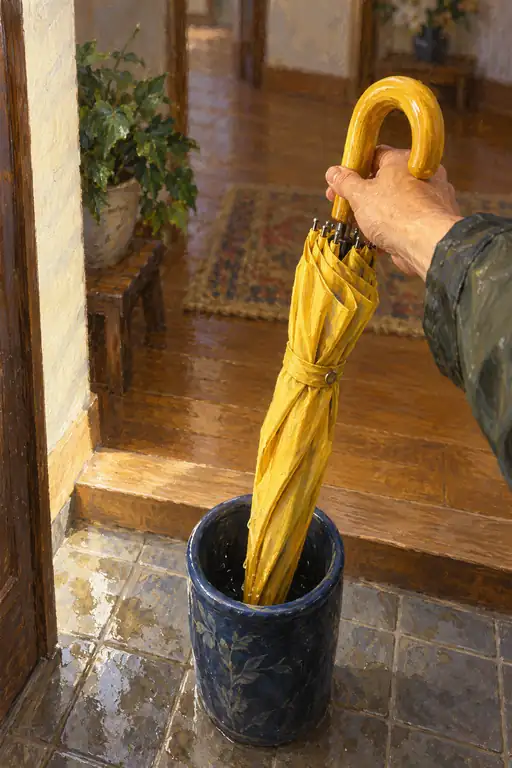 I Leave the Rain at the Door
 The Garden Chair Waits for One Dreamer
 The Seat of Melody
 Sanctuary of Gentle Memories