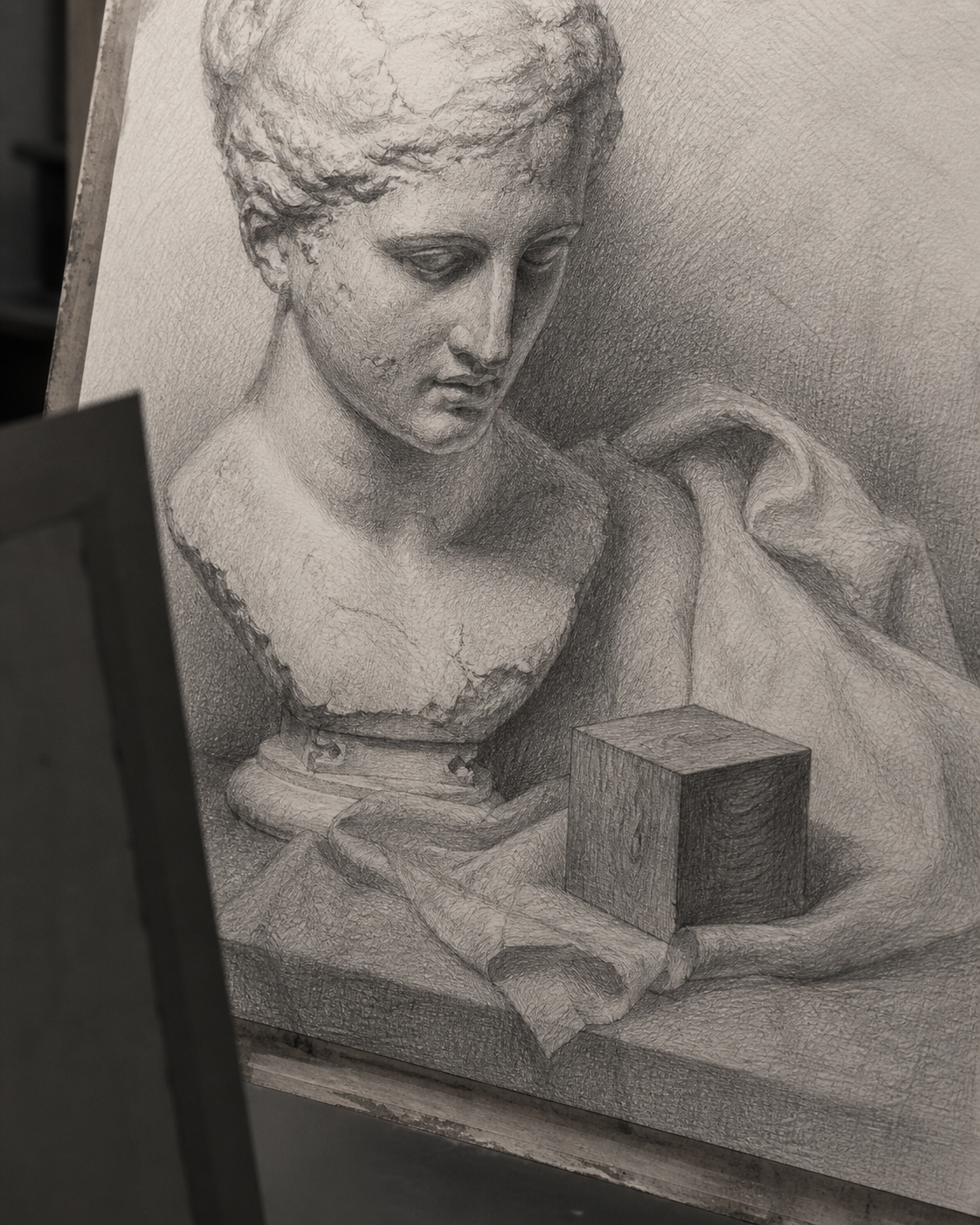
Melancholy of the White Stone
Critique
1. Introduction This graphite drawing is a pinnacle of academic study, featuring a plaster bust alongside a geometric cube. The composition juxtaposes a female bust, symbolizing classical beauty, with a wooden cube that represents modern objectivity, evoking a sense of disciplined artistic practice. The meticulous depiction, rooted in rigorous observation, grants the entire work an atmosphere of austere dignity. 2. Description Dominating the center and left, the plaster bust is captured with a downward gaze and a serene expression. Every detail, from the curls of the hair to the subtle imperfections and chips on the plaster surface, is rendered with clarity. In the lower right, a wooden cube stands with sharp edges and visible grain, contrasting with the organic curves of the bust. Softly draped fabric flows around these objects, its complex folds creating a series of deep shadows across the lower section of the frame. 3. Analysis Technically, the artist employs extensive hatching and cross-hatching to create remarkable volume and texture. Light originates from the upper left, casting strong highlights on the forehead, the ridge of the nose, and the top of the cube, while simultaneously creating profound shadows. The tonal accuracy is exceptional; the artist builds space entirely through shifts in value rather than relying on outlines. The composition skillfully balances vertical, horizontal, and organic lines to generate visual depth. 4. Interpretation and Evaluation This work transcends a mere technical exercise, possessing a philosophical depth that questions the very nature of an object's existence. The artist's masterful skill succeeds in tactilely distinguishing the hardness of plaster, the softness of cloth, and the density of wood. In particular, the melancholic gaze of the bust invites a longing for classical antiquity while imbuing the static form with a sense of life. It is an exquisite example of realist expression backed by a profound understanding of fundamentals. 5. Conclusion Through precise observation and relentless execution, the artist perfectly orchestrates the drama of light and shadow in a still life setting. The material weight of each object is communicated directly to the viewer through the screen. While initially impressed by the technical prowess, further contemplation leads to a deep appreciation for the solemn silence that governs the entire composition.
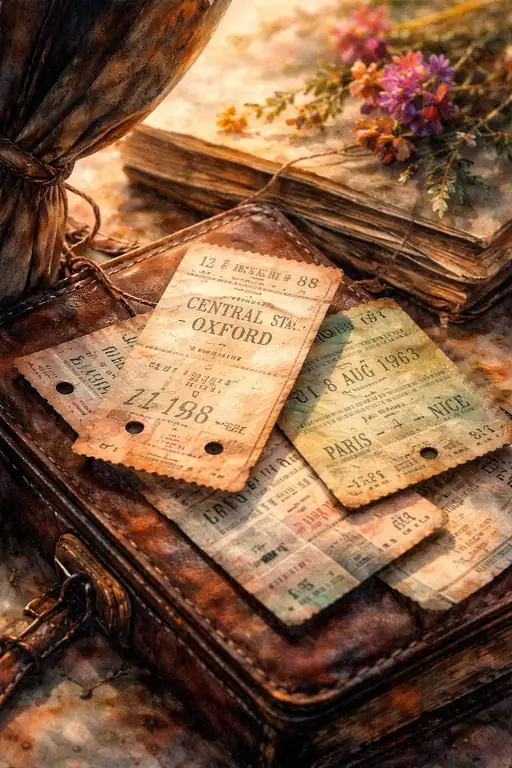 Tickets to Yesterday
 A Warmth Spun from Dreams
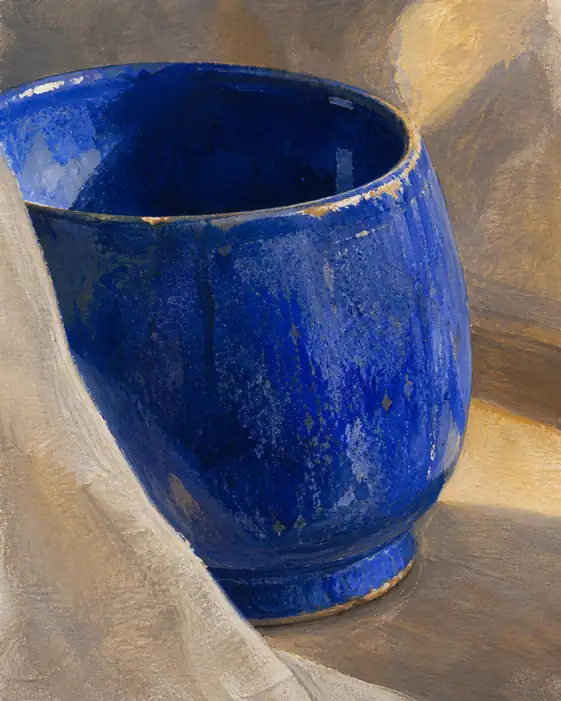 Vessel of Boundless Blue
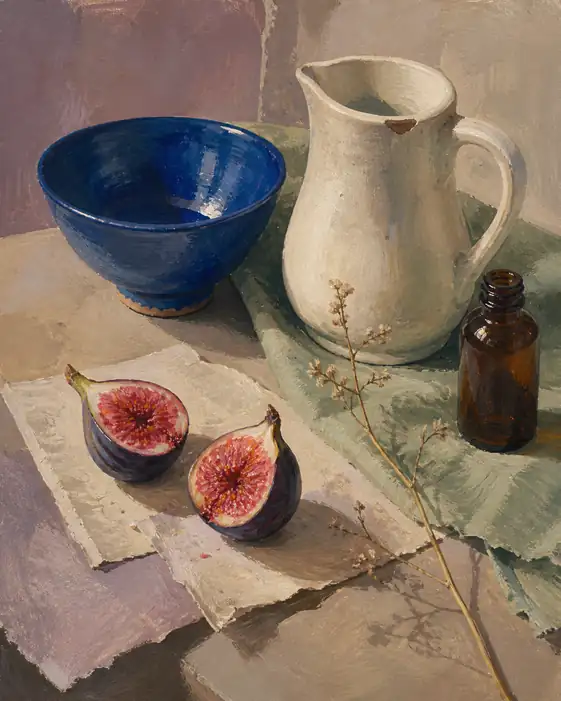 Fruits of a Fugitive Moment
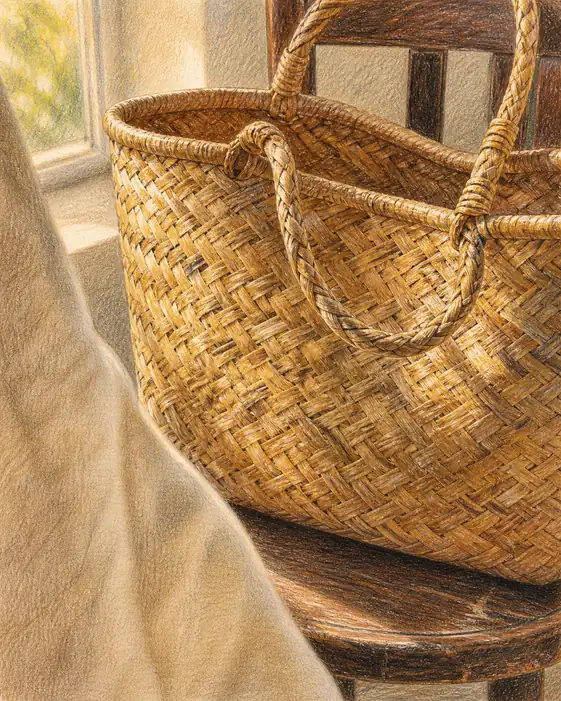 Sun-Drenched Silence
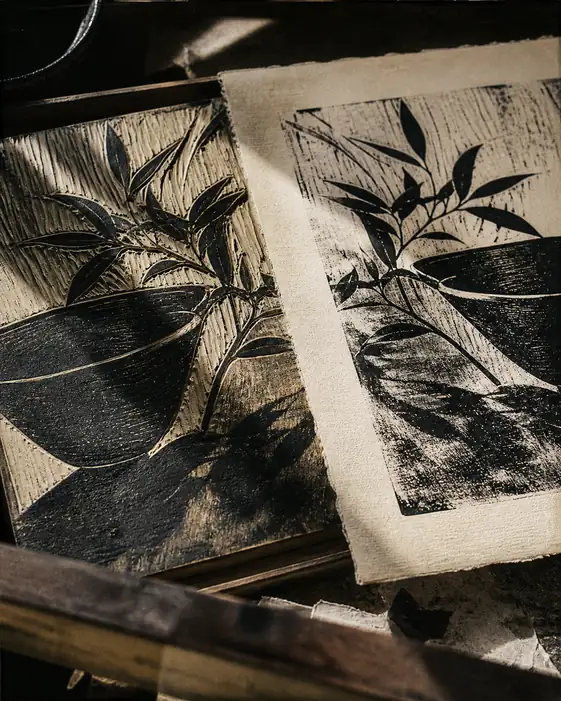 Birth of a Vision in Wood
 Echoes of a Forgotten Journey
 Echoes of a Forgotten Meadow
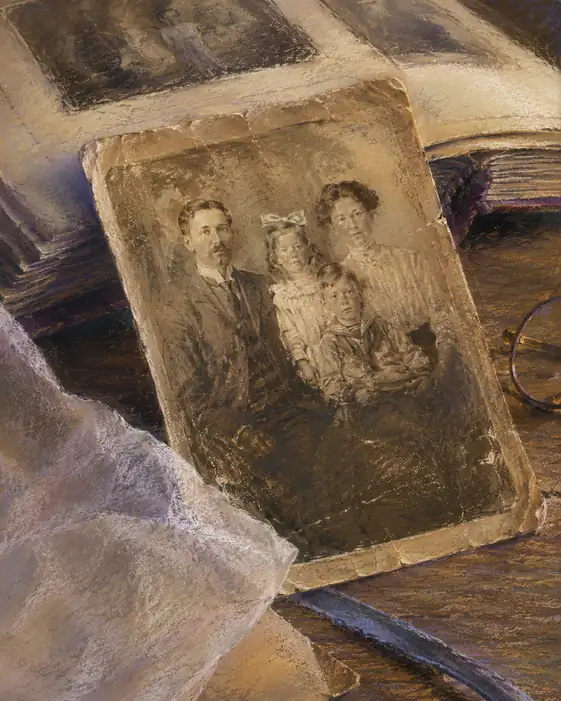 Whispers of Yesterday
 Cradle of Captured Moonlight
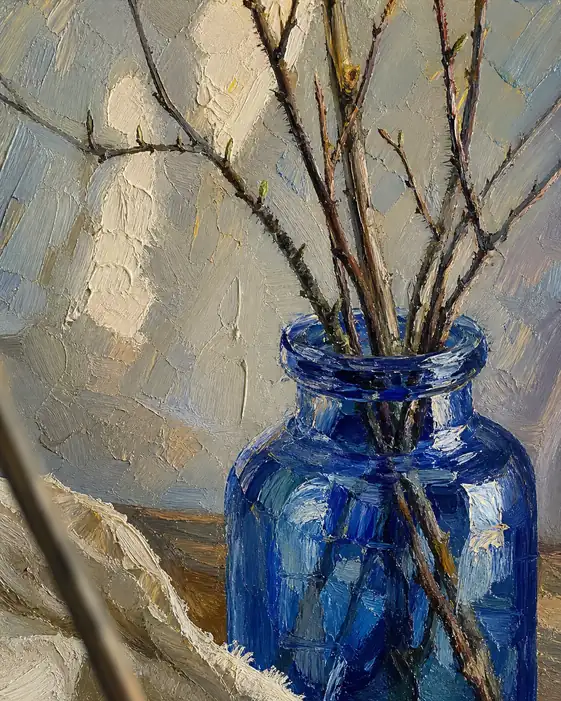 Cobalt Resonance of Early Spring Buds
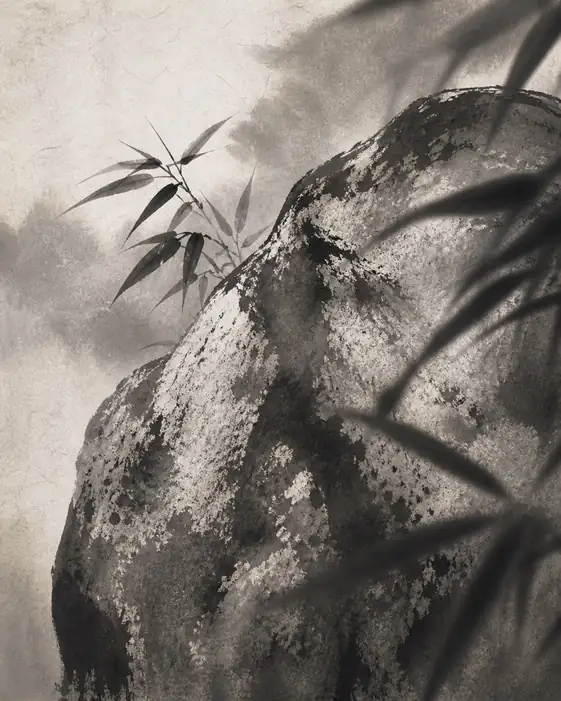 Dance of Ink and Mist