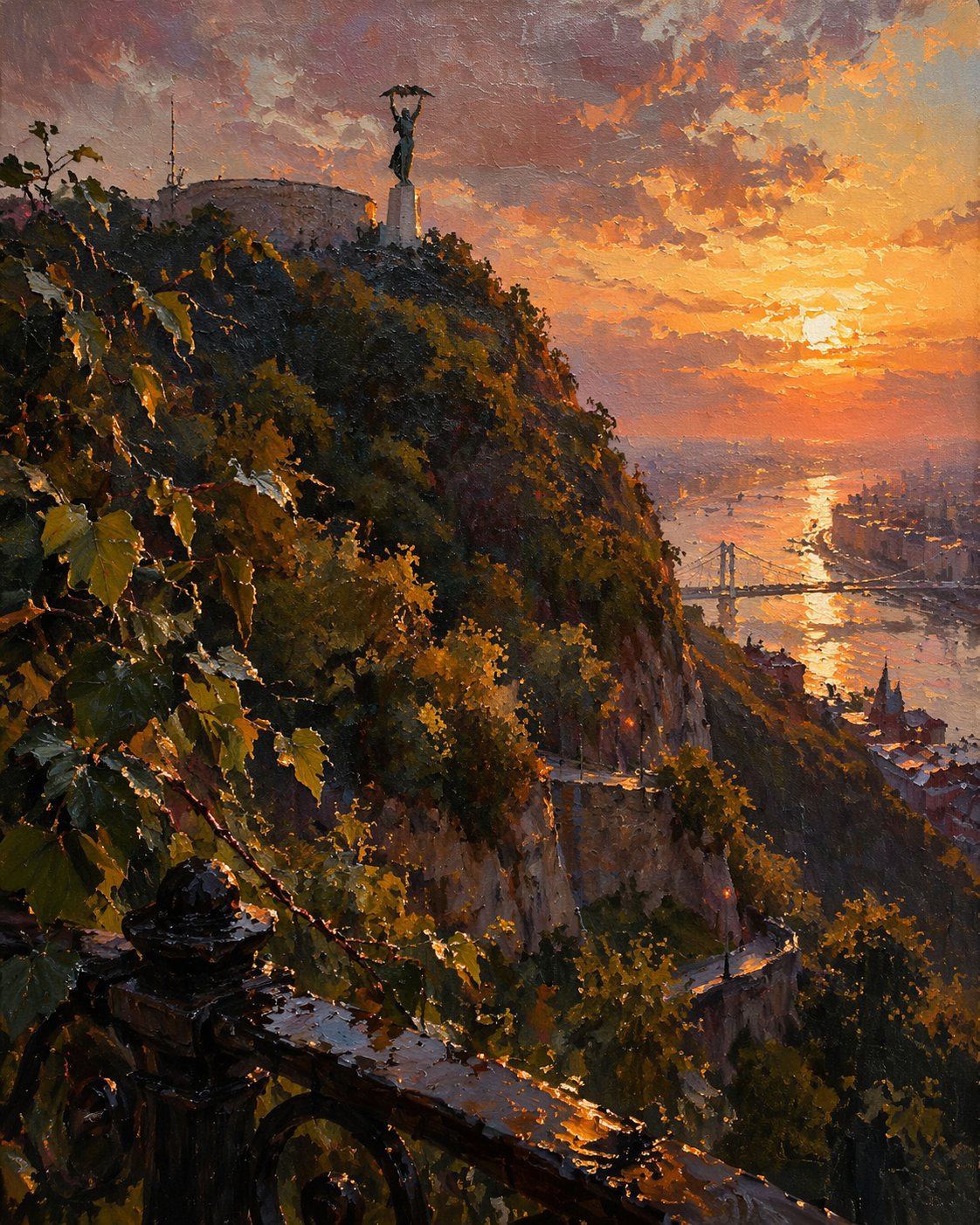
Guardian of the Golden Hour
Critique
1. Introduction This vertical landscape painting in oil captures a breathtaking panoramic view from a wooded hill at sunset. The composition, viewed from an elevated lookout, overlooks a wide river spanned by a graceful bridge, with the sprawling city below bathed in the warm, incandescent light of the dying day. On the crest of the hill stands a monumental statue, silhouetted against the vibrant sky, serving as a silent guardian over the urban landscape and its natural surroundings. 2. Description In the immediate foreground, a wet, dark railing entwined with lush green ivy frames the lower left, leading the viewer's eye into the scene. The steep, rocky slope of the hill is covered in dense foliage, with a winding path visible along its side. At the summit, the Liberty Statue stands prominently upon a tall pedestal. To the right, a great river reflects the brilliant orange sun, which is partially obscured by a layer of purple and gold-edged clouds. The distant city skyline and the silhouettes of bridges emerge through a soft, atmospheric haze. 3. Analysis The artist utilizes a vigorous impasto technique, where thick, textured brushstrokes bring a sense of life to the foliage and the shimmering surface of the water. The color palette is defined by a powerful contrast between the cool, dark tones of the foreground hill and the searing oranges, yellows, and violets of the sunset. Linear perspective is established by the receding line of the river and the diagonal slope of the hillside, while the radiant glow of the sun creates a centralized focal point that unifies the composition. 4. Interpretation and Evaluation The work evokes a sense of peace and transcendence, capturing the sublime beauty of a city transitioning from day to night. The inclusion of the Liberty Statue adds a layer of historical and symbolic significance, suggesting themes of endurance and freedom. The artist's ability to balance the heavy, tactile landscape with the ethereal, luminous quality of the sky demonstrates exceptional technical mastery. This painting is remarkably successful in its emotive power and its ability to translate a familiar landscape into a profound visual experience through bold color and texture. 5. Conclusion A close examination of the painting reveals that the intensity of the light is not merely decorative but serves to structure the entire spatial logic of the work. The reflections on the wet railing and the river create a rhythmic pattern that echoes the movement of the clouds. Ultimately, the work stands as a majestic tribute to the urban landscape, where human monuments and natural phenomena coexist in a moment of extraordinary atmospheric beauty.
Same Subcategory
Similar Artworks
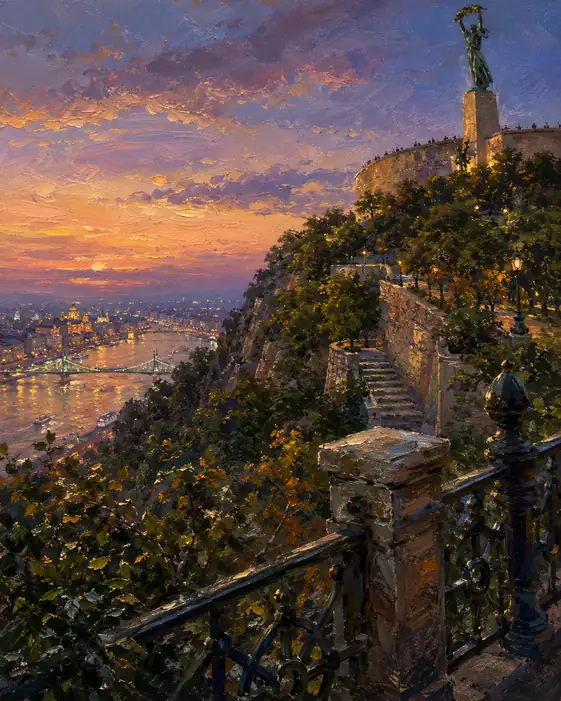 Gaze of Liberty over the Golden City
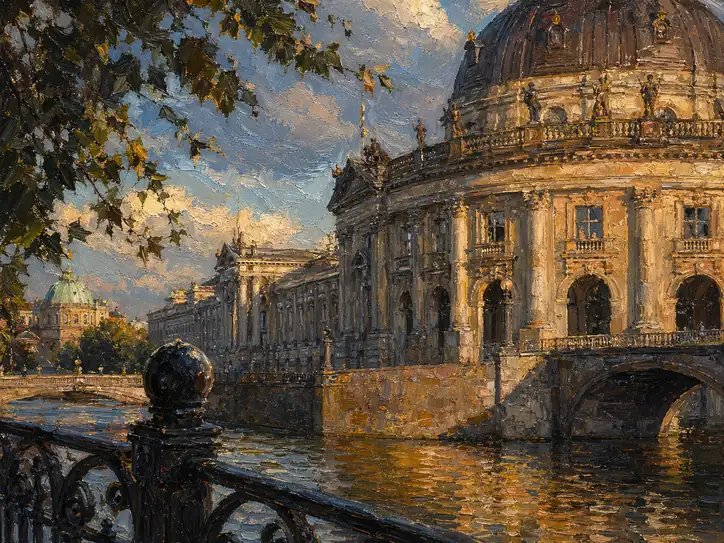 Golden Grandeur: Museum by the River
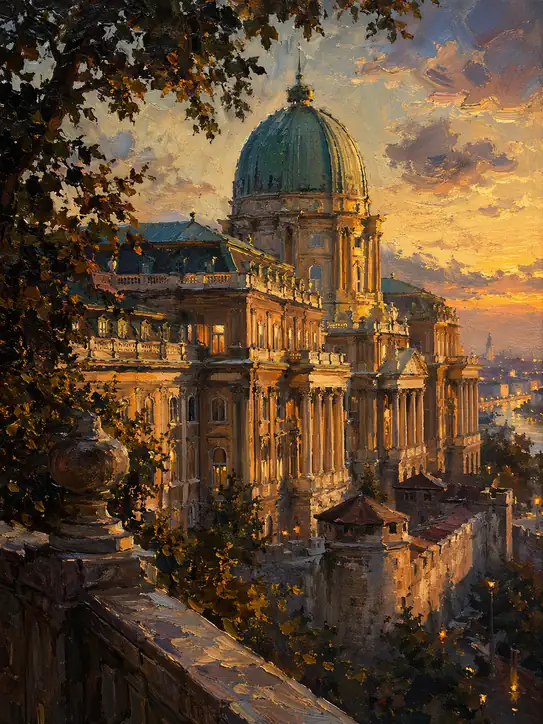 The Golden Palace: A Neoclassical Silhouette
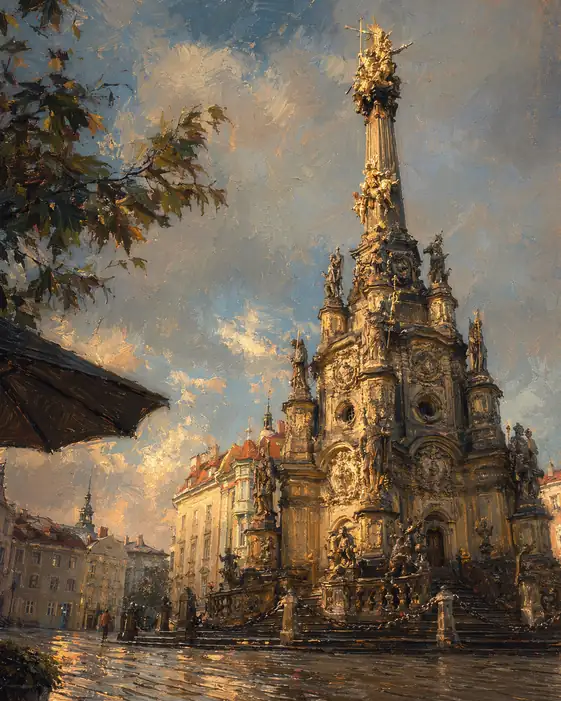 The Light Within
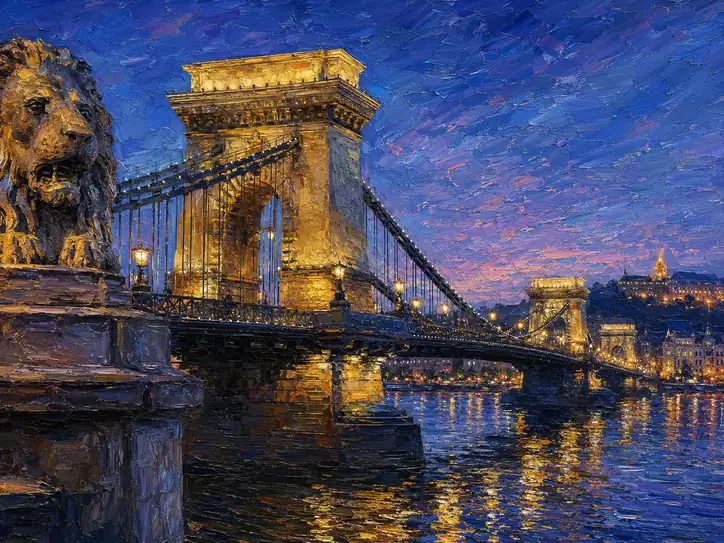 Guardian of the Golden Night
 Steel Wings and Golden Dreams
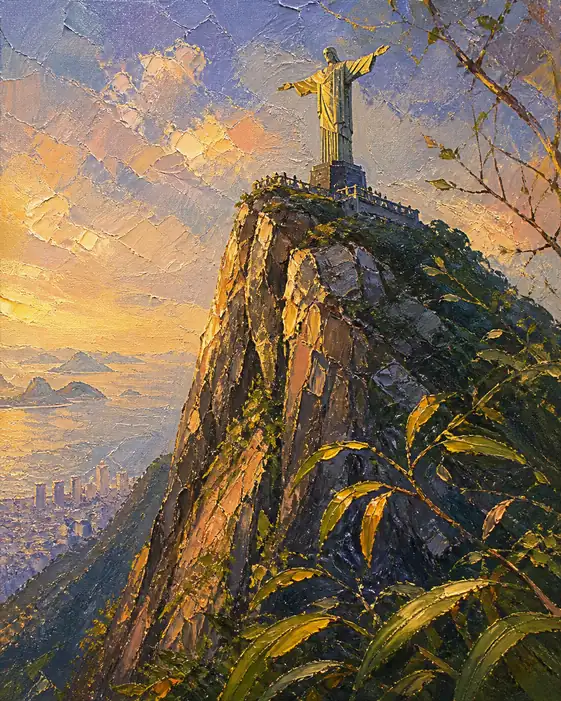 The Gilded Embrace of Corcovado
 Christ the Redeemer at Dawn: A Golden Halo Over Rio's Majestic Peaks
 Whispers from the River's Edge
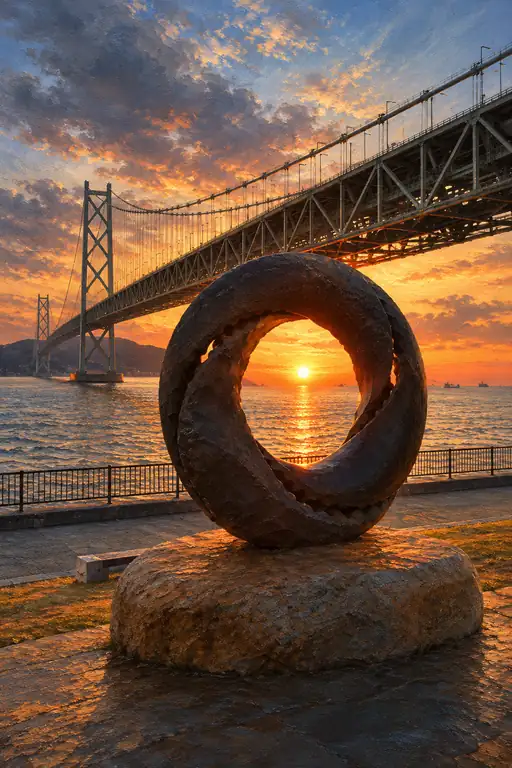 A Place to Stay as the Sun Goes