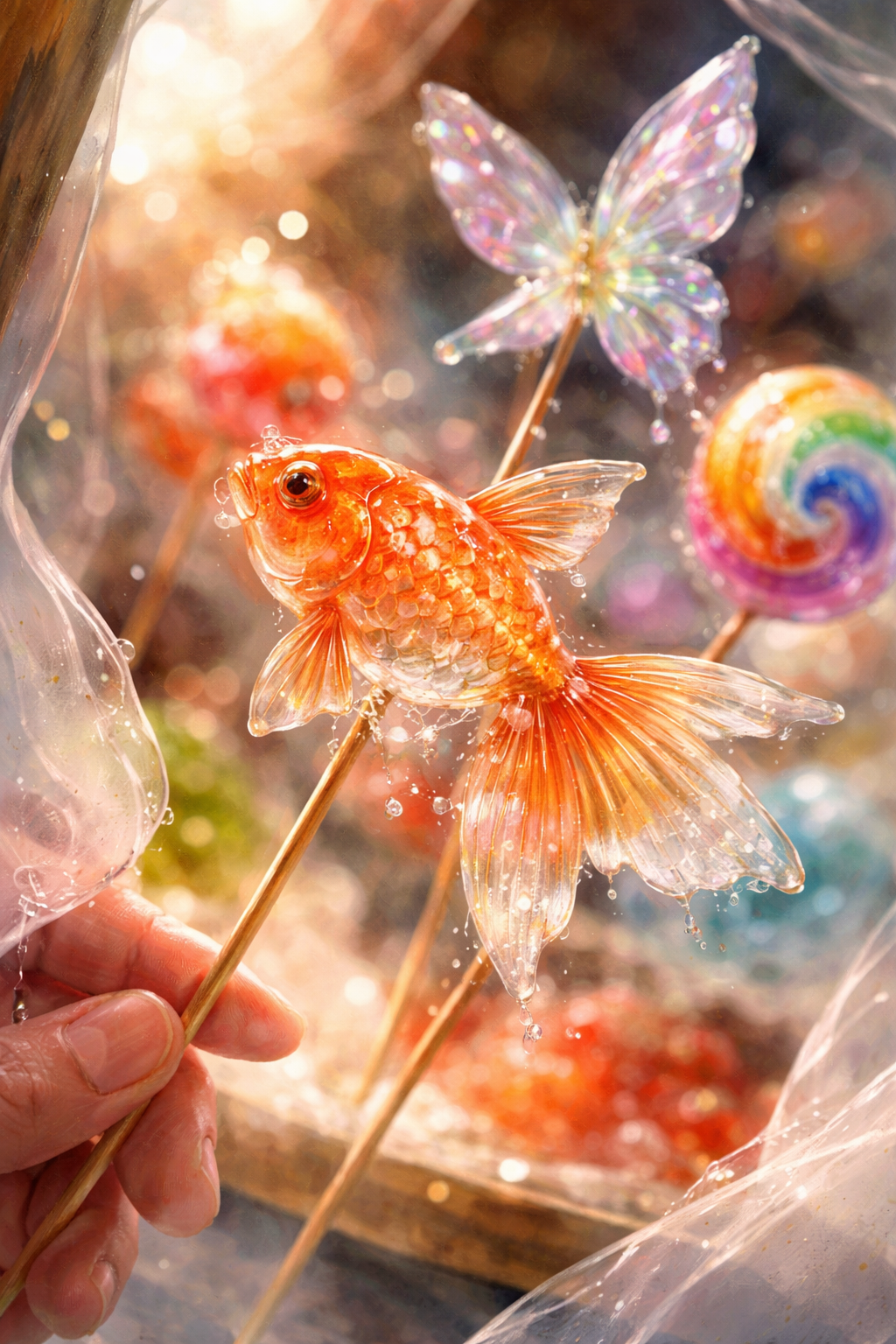
Golden Shimmering Sugar Goldfish
Critique
1. Introduction The artwork is a highly realistic still life that captures the exquisite beauty and translucency of Amezaiku, the traditional Japanese art of candy sculpting. At the center of the vertical frame is a lifelike goldfish candy, its delicate form reflecting both artistic skill and the unique properties of the medium. The painting emphasizes the glistening texture and the fleeting nature of this edible art, preserving a momentary craft as a permanent visual experience. This critique will analyze the technical precision and the atmospheric quality that define this vibrant piece. 2. Description The primary subject is a shimmering orange goldfish candy held on a thin wooden stick. The scales are meticulously textured, and the fins exhibit a remarkable translucency with fine, pulled lines characteristic of hand-molded candy. In the blurred background, a rainbow-swirled lollipop and a gossamer candy butterfly add layers of color and depth. A human hand is visible at the bottom left, anchoring the sculpture in a real-world context. Every surface reflects ambient light, creating tiny highlights that suggest a moist, freshly crafted state. 3. Analysis The treatment of light is the most defining formal element of the work. Light penetrates the translucent sugar, refracting and scattering to create a warm internal glow, particularly within the goldfish's body. The color palette is dominated by the brilliant orange of the fish, which stands out against the softer, iridescent tones of the background elements. The composition utilizes a shallow depth of field, focusing the viewer's attention on the intricate details of the central candy while the bokeh effects in the background provide a dreamlike atmosphere. 4. Interpretation and Evaluation This work can be interpreted as a tribute to the "melting beauty" of traditional craftsmanship. By applying extreme realism to a temporary object made of sugar, the artist elevates a humble street craft to the realm of high art. The technical execution is flawless, particularly in the rendering of translucent volumes and reflective surfaces. The originality of the piece lies in its ability to evoke the tactile nostalgia of a Japanese festival while maintaining a sophisticated, modern aesthetic that celebrates the intersection of culture and craftsmanship. 5. Conclusion Initially striking for its photographic clarity, the painting reveals upon closer study a deliberate orchestration of light and texture that transcends mere documentation. The balance between the physical weight of the candy and the ethereal quality of the light creates a captivating visual tension. The piece successfully celebrates the intricate beauty found in traditional arts, offering a sensory-rich experience to the viewer. It stands as a masterfully executed work that demonstrates exceptional command over detail, lighting, and composition.
Same Subcategory
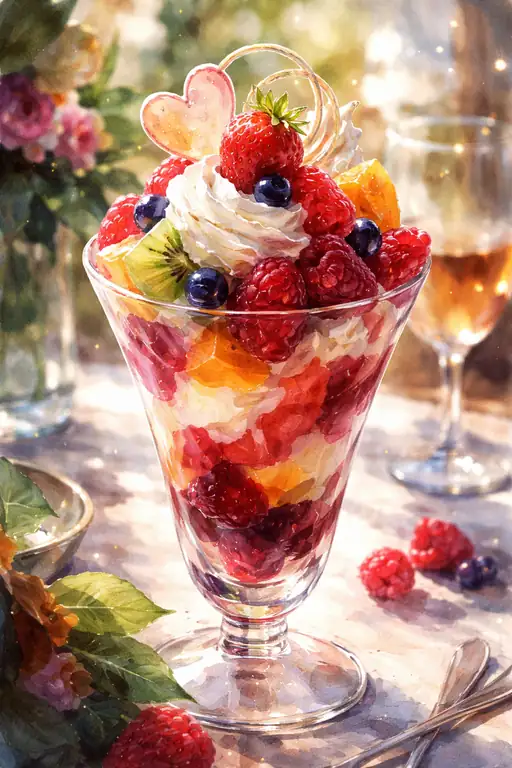 More Summer Than We Can Finish
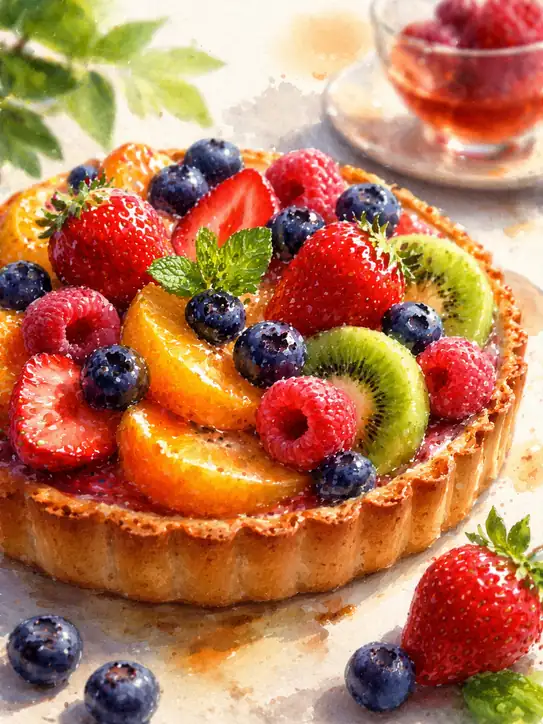 Sweet Gourmet Fruit Tart
Similar Artworks
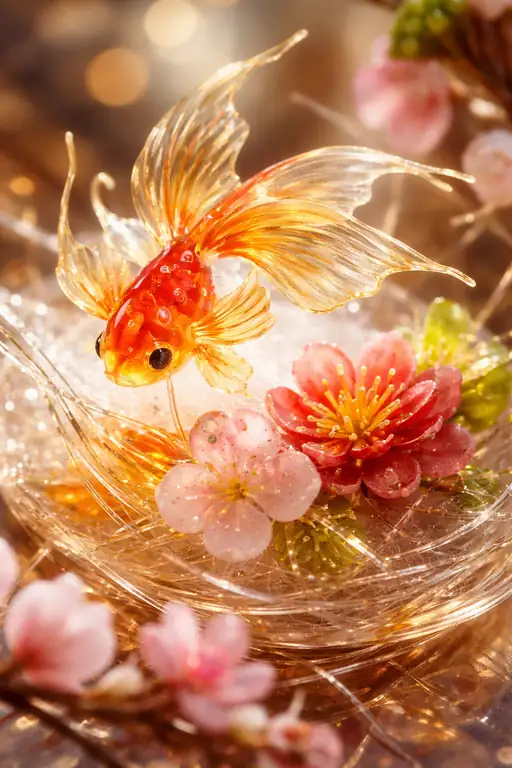 Spring Trails a Glass Tail
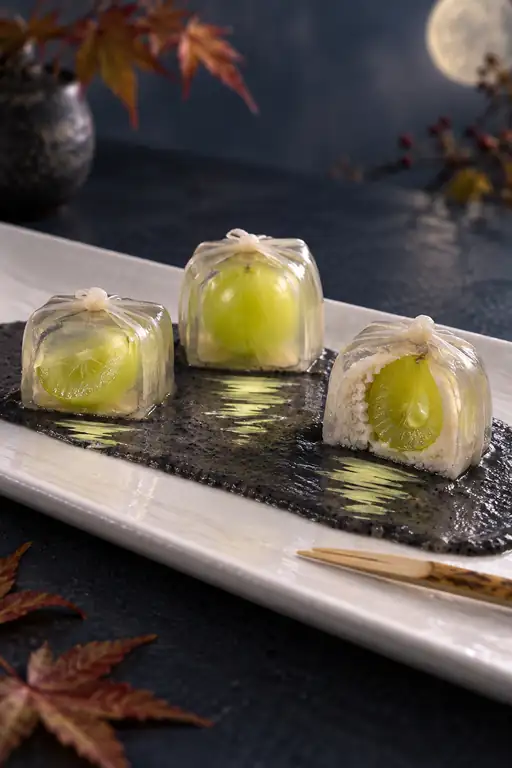 Three Small Lanterns for Autumn Night
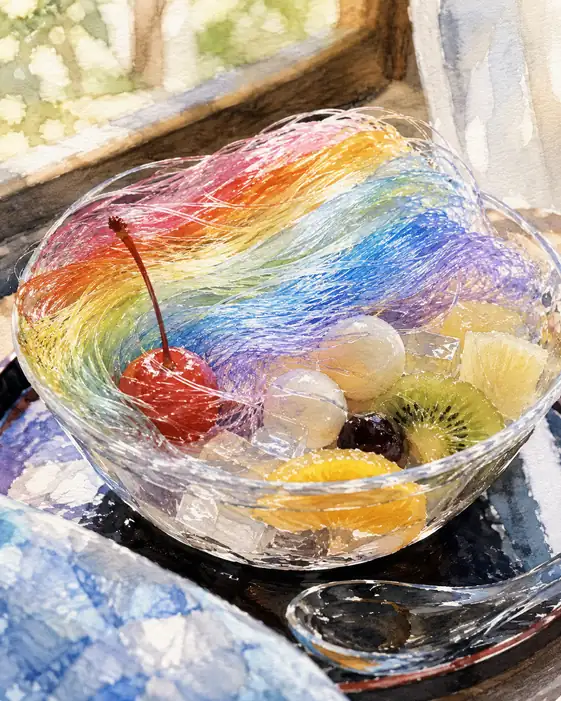 The Afternoon the Rainbow Loosened Its Hair
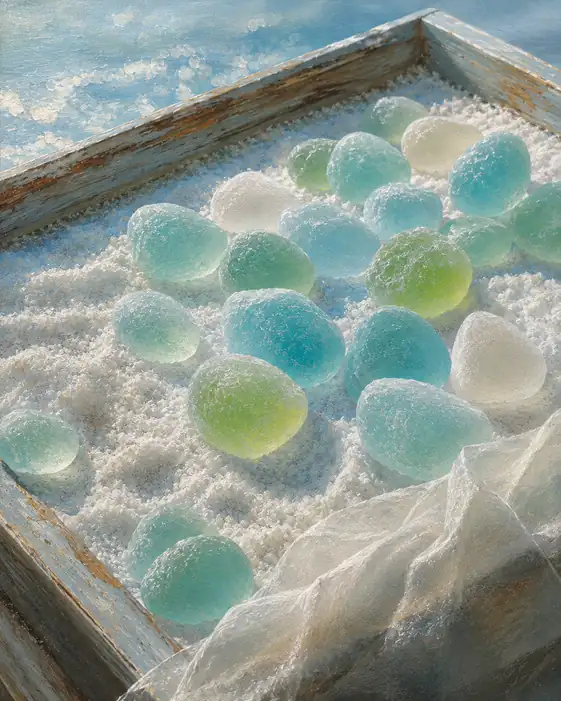 Sea Glass Washed Ashore in Sugar Snow
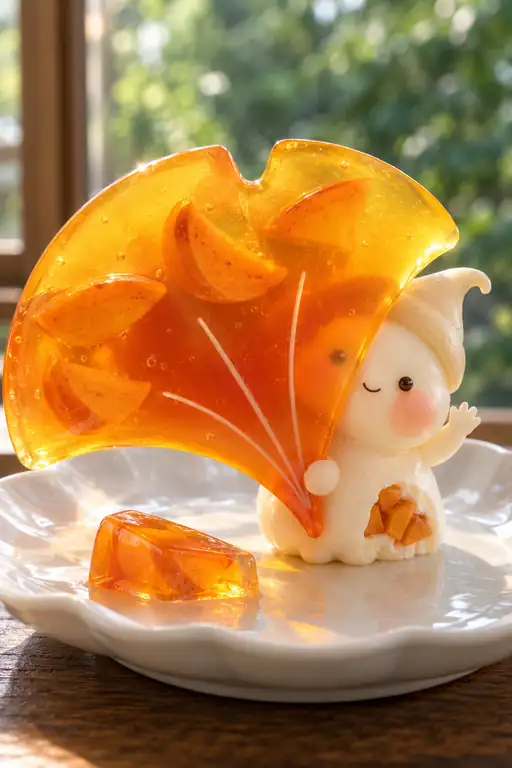 A Smile Beneath the Golden Canopy
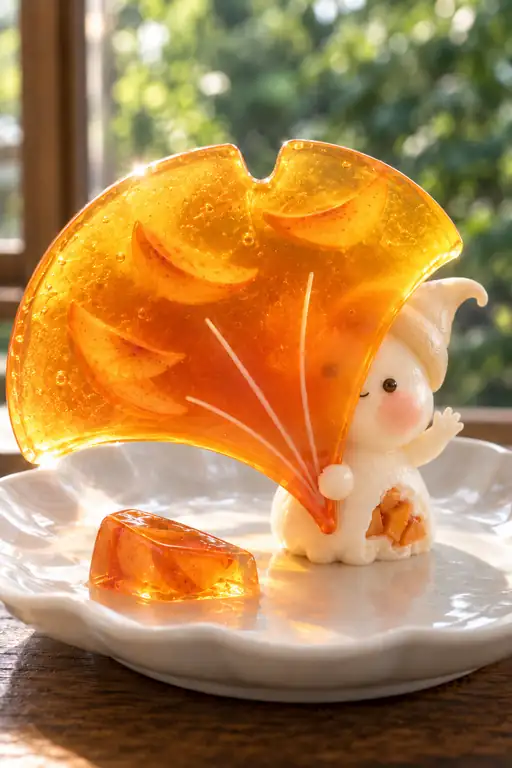 Hello from Under the Amber Leaf
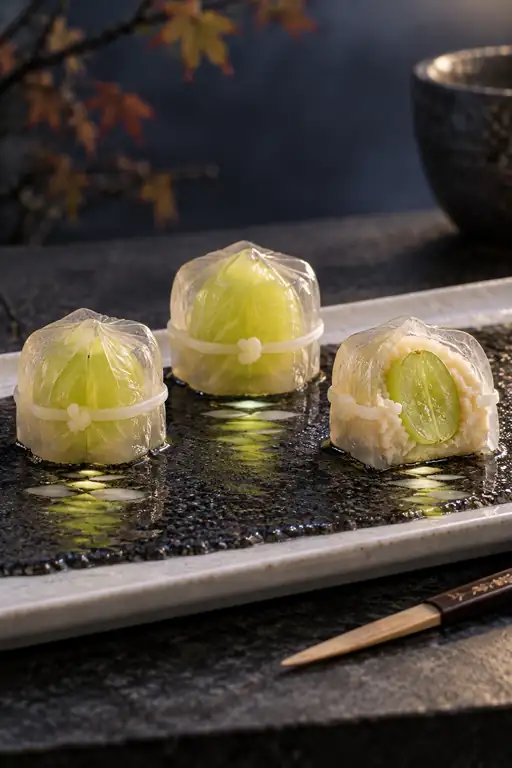 Moonlit Gifts Tied in Clear Silk
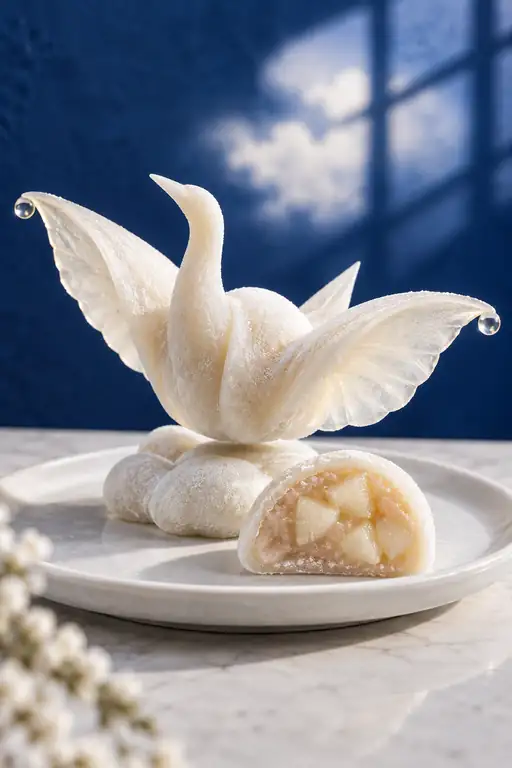 Swan in Flight Over Morning Mists
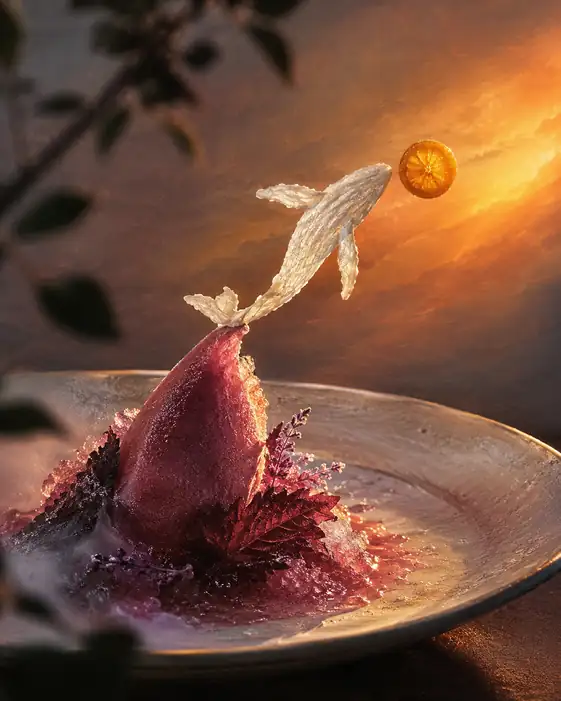 The Whale Who Chased the Last Light
 Golden Butterflies Spiral toward the Lemon Star