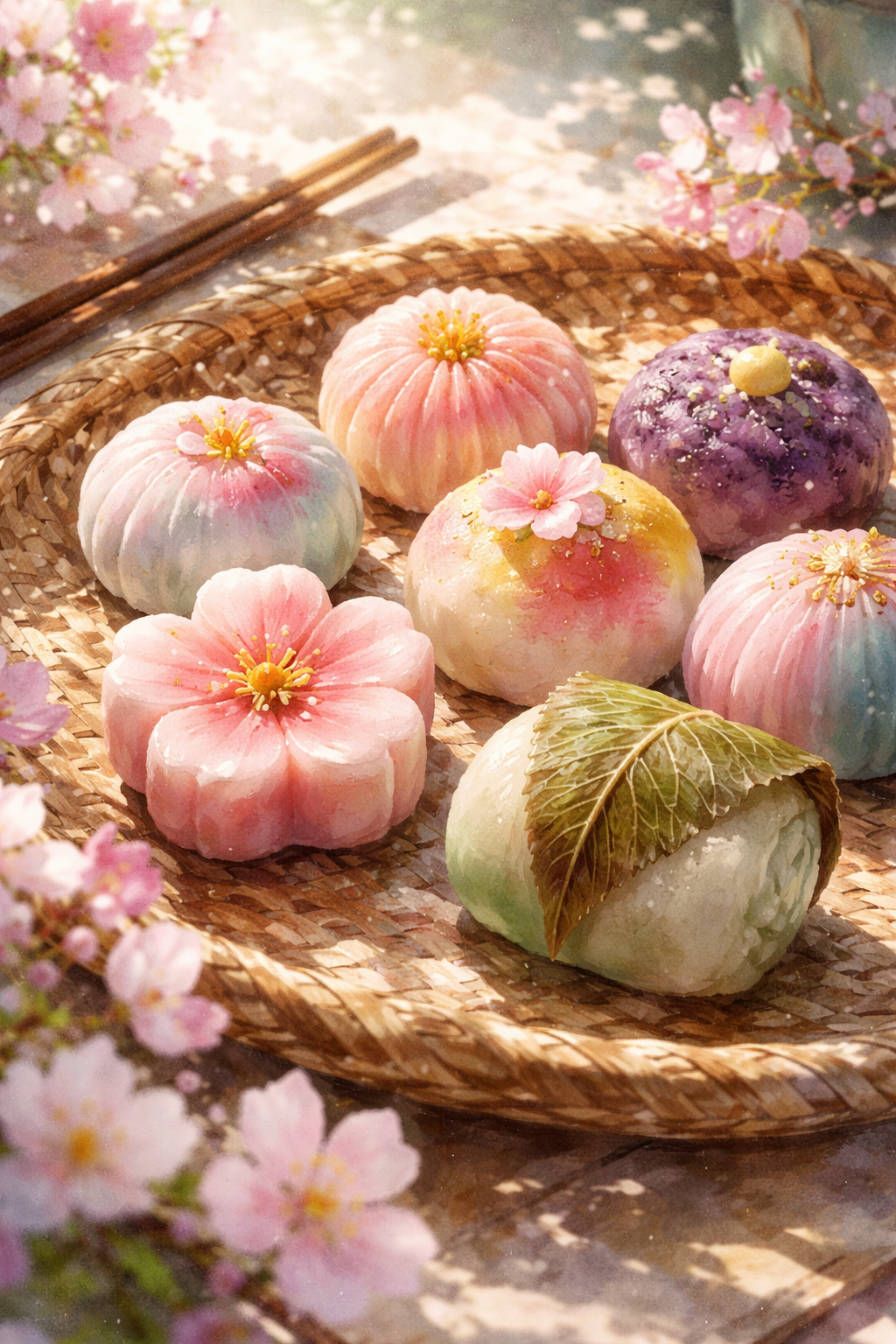
Springs Delicate Awakening
Critique
1. Introduction This composition presents a collection of traditional Japanese sweets, known as wagashi, arranged on a woven bamboo tray. The scene is enveloped in the soft atmosphere of spring, further accentuated by the presence of delicate cherry blossoms. Through this depiction, the work captures a quintessentially seasonal moment in Japanese culture. The viewer is invited to appreciate the harmony between culinary art and the natural world. 2. Description The primary subjects consist of various colorful sweets, each uniquely crafted with intricate floral motifs and textures. One prominent sweet is shaped like a cherry blossom, while another is wrapped in a preserved leaf, reminiscent of sakura mochi. These are placed within a circular bamboo basket that rests upon a sunlit wooden surface. In the background, wooden chopsticks and blurred pink blossoms create a sense of depth and context. 3. Analysis Lighting plays a crucial role in this piece, as gentle sunlight spills across the tray to highlight the subtle glazes and textures of the sweets. The color palette is dominated by soft pastels, including pale pinks, yellows, and mint greens, which reinforce the spring theme. The composition uses a shallow depth of field to focus the viewer's attention on the central delicacies. The contrast between the rigid woven patterns of the tray and the soft forms of the wagashi is striking. 4. Interpretation and Evaluation The work succeeds in evoking a sense of "mono no aware," or the appreciation of the fleeting beauty inherent in the changing seasons. The technical execution is notable for its attention to detail, particularly in the delicate rendering of the powdered sugar and petal-like layers. The artist demonstrates a high level of skill in balancing several distinct elements into a cohesive and tranquil whole. This piece serves as a celebration of the refined aesthetics found in everyday rituals. 5. Conclusion In conclusion, the painting offers a serene and evocative glimpse into the seasonal traditions that define a cultural landscape. The initial impression of simple beauty deepens as one considers the meticulous craftsmanship displayed in each individual element of the scene. It stands as a testament to the enduring appeal of nature as a source of artistic inspiration. The overall result is a balanced and aesthetically pleasing representation of harmony.
Same Subcategory
 A Moment of Decadent Bliss
Similar Artworks
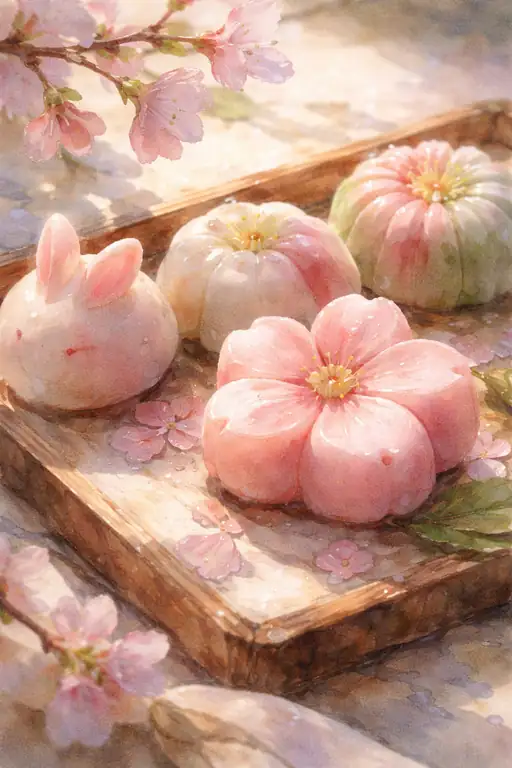 A Sweet Spring Reverie
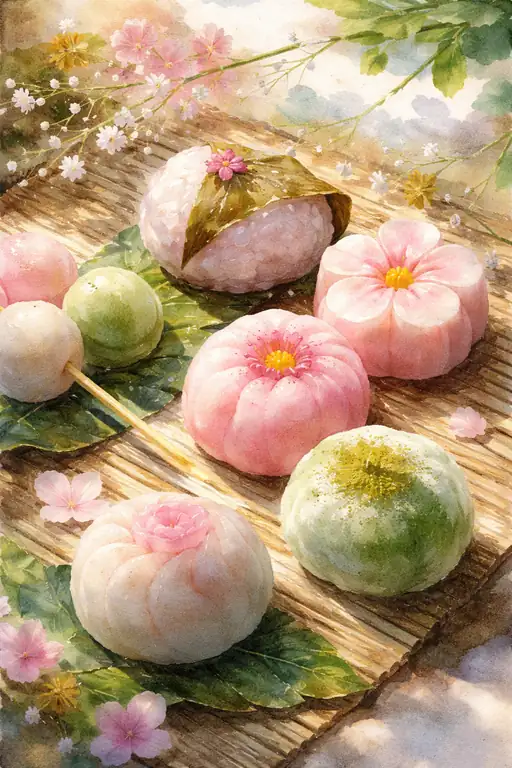 Whispers of Spring on a Bamboo Mat
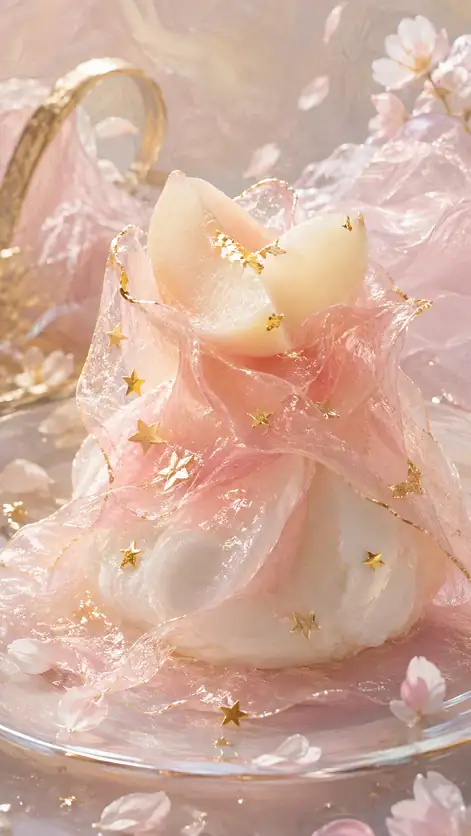 Spring Unwraps a Gift of Stars
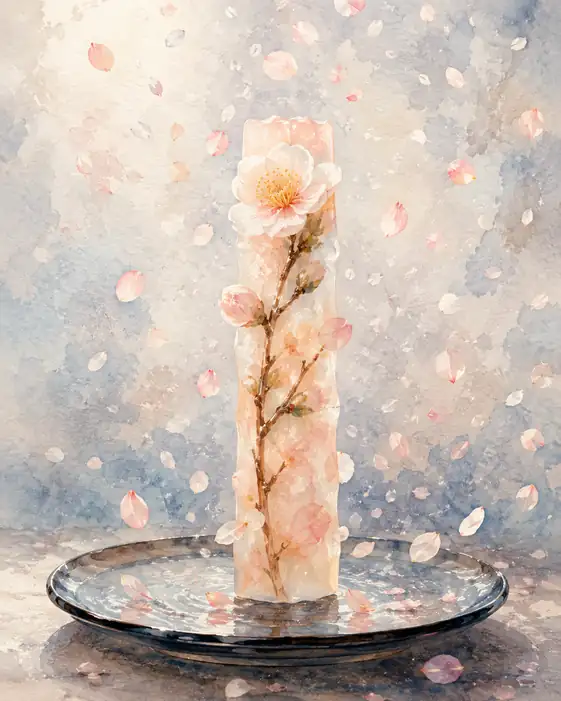 The Summer Camellia Keeps Every Falling Petal Still
 The Quiet Heart of Autumn
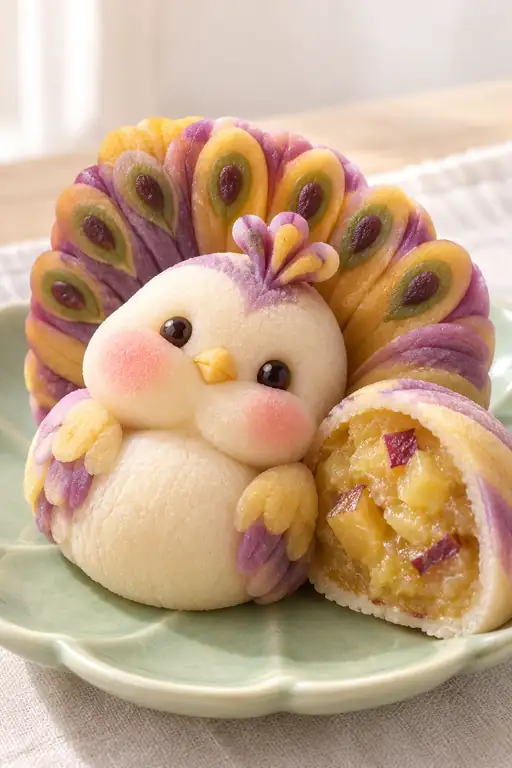 Fan of Plum and Autumn Gold
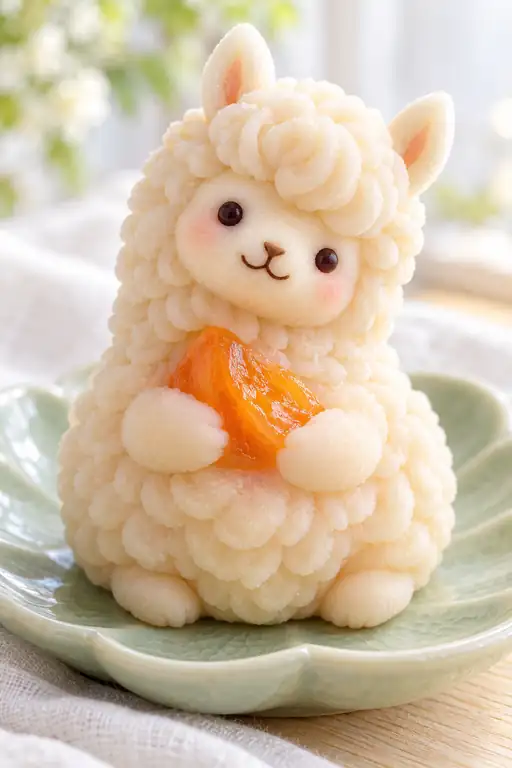 Embrace of the Golden Persimmon
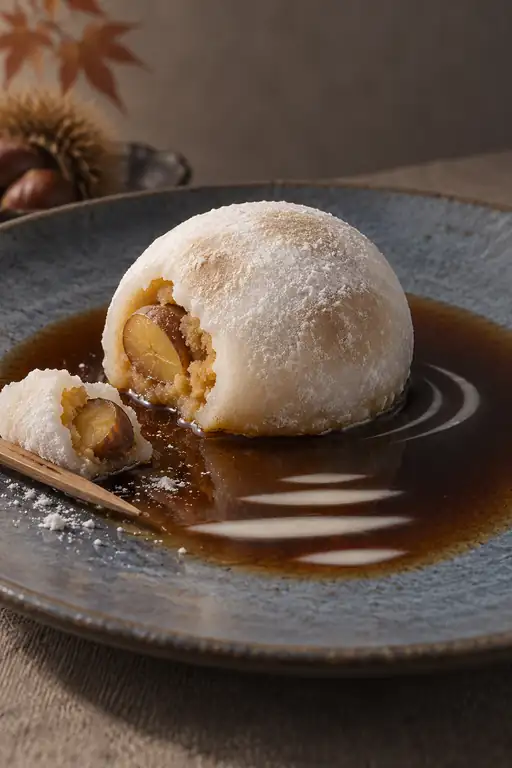 Autumn Hidden in a White Moon
 Moonlit Gifts Tied in Clear Silk
 An Autumn Leaf Beside the Ripple