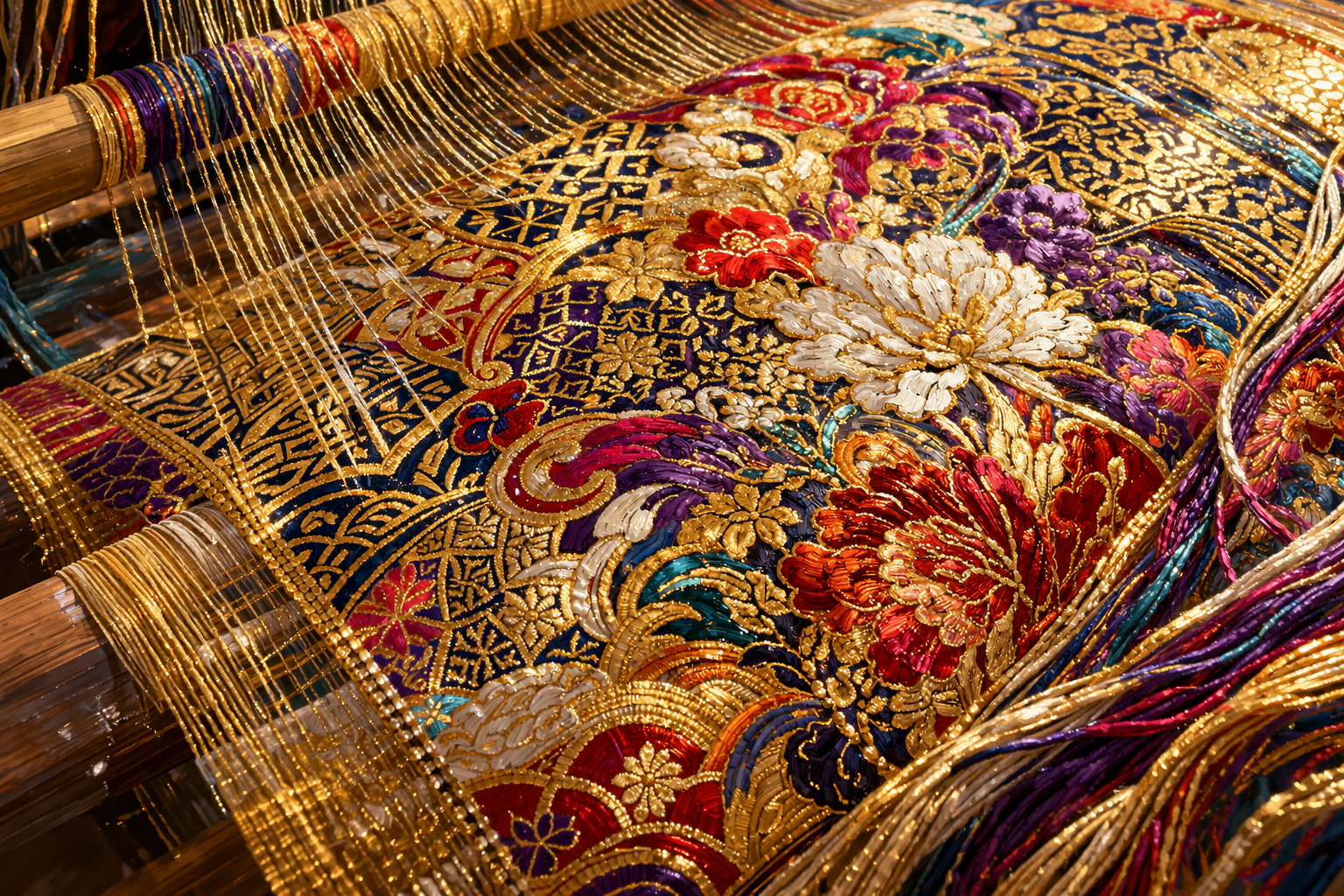
Threads of Timeless Devotion
Critique
1. Introduction This oil painting presents an exquisitely detailed close-up of a traditional loom weaving a complex and opulent silk fabric, reminiscent of the storied Nishijin-ori tradition. The composition focuses on the intricate interplay of vibrant silk threads and shimmering gold-leaf patterns, captured with a bold impasto technique that imbues the surface with a palpable, Three-dimensional quality. Through its rich color palette and meticulous attention to texture, the work celebrates the painstaking skill and cultural heritage inherent in the textile arts. It establishes a profound atmosphere of luxury, dedication, and the timeless beauty of manual craftsmanship. 2. Description The center of the frame is occupied by a dense tapestry of floral and geometric motifs, featuring large, blossoming peonies and stylized arabesque patterns in shades of vermilion, violet, and deep azure. Shimmering golden warp threads stretch diagonally across the canvas, caught in the rhythmic tension of the weaving process. The wooden components of the loom are visible as sturdy, organic anchors for the delicate, jewel-toned fibers. In the foreground, loose bundles of brilliant silk yarn reflect the warm lighting, suggesting the beginning of a magnificent garment or scroll. 3. Analysis The artist utilizes an extreme level of textural detail, employing thick dabs of paint to mimic the physical sensation of raised embroidery and woven silk. The use of gold is masterful, acting as a unifying element that catches the light and creates a dynamic, shifting surface. The diagonal arrangement of the golden threads provides a strong sense of movement and structural rhythm, leading the eye through the labyrinthine patterns of the fabric. Color contrasts are handled with great intensity, pairing the brilliance of pure pigments with deep, shadowed recesses to enhance the sculptural depth of the work. 4. Interpretation and Evaluation This piece serves as a visual symphony dedicated to the patience and precision of the artisan. The transformation of raw thread into a highly ordered and symbolic masterpiece suggests themes of order arising from chaos and the elevation of functional objects into the realm of high art. Technically, the painting is exceptional for its fusion of traditional subjects with a modern, expressive handling of media. The balance between the massive, unyielding wooden loom and the fragile, precious silk creates a compelling narrative of the tools and the creative spirit that moves them. 5. Conclusion Initially, the painting fascinates with its overwhelming opulence and jewel-like colors, but a deeper contemplation reveals a meditative respect for the "art of the thread." The artist has successfully captured not only the physical appearance of the textile but also the intense labor and spiritual focus required to produce it. This vibrant depiction of a loom reminds the viewer of the extraordinary beauty found in the intersection of material wealth and human ingenuity. Through this radiant study of weaving, one experiences a renewed appreciation for the enduring legacy of traditional craftsmanship and its power to enchant the senses.
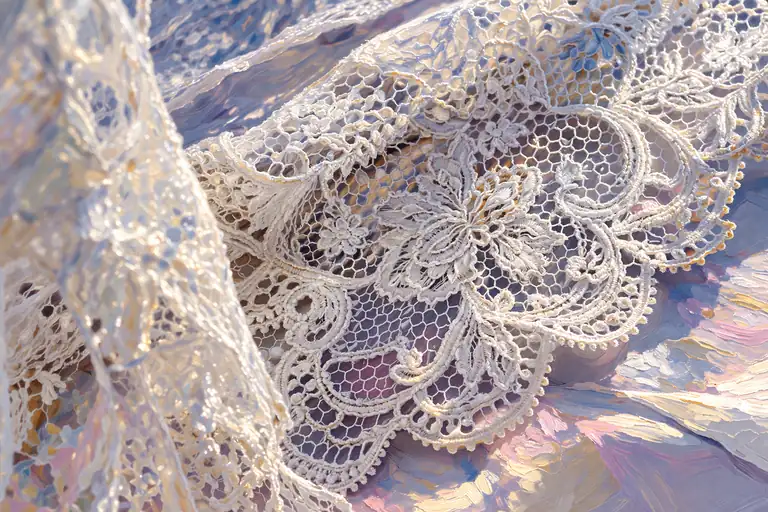 Sculptural White Lace
 Sunlit Lace and Morning Roses
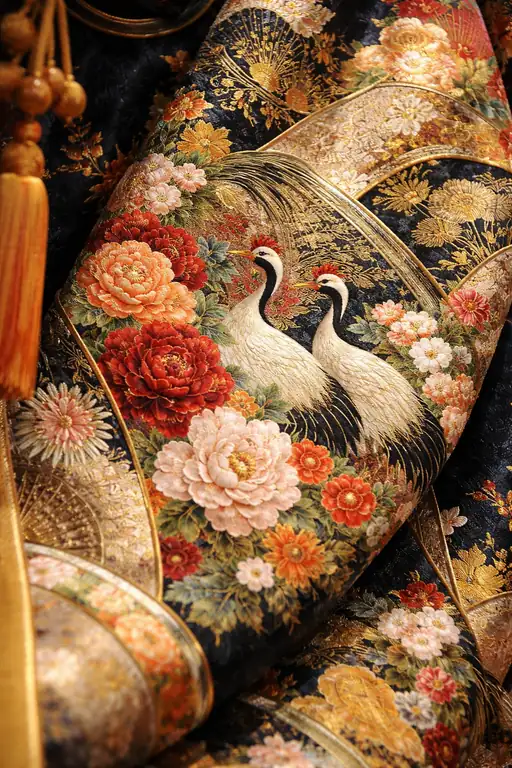 With Every Stitch, Ever After
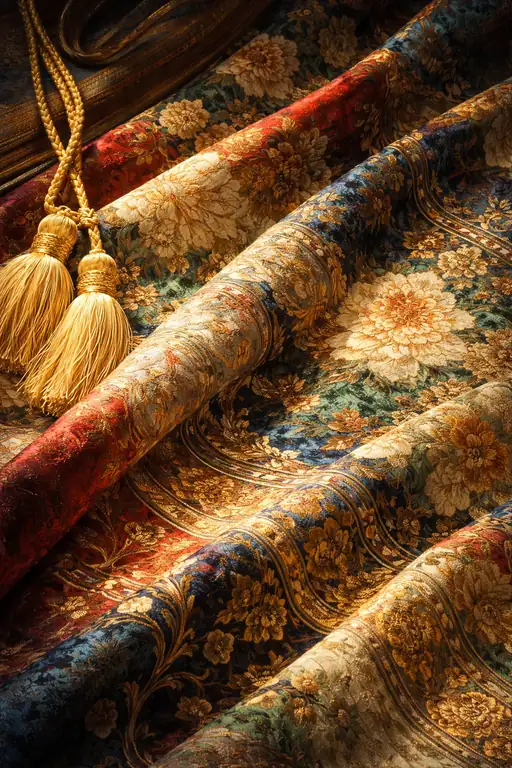 Opulent Threads of Time
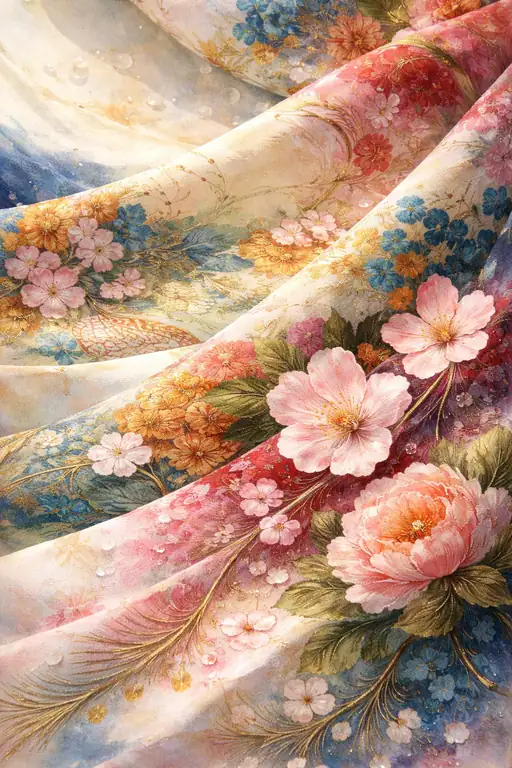 Ephemeral Dewdrops on Woven Silk
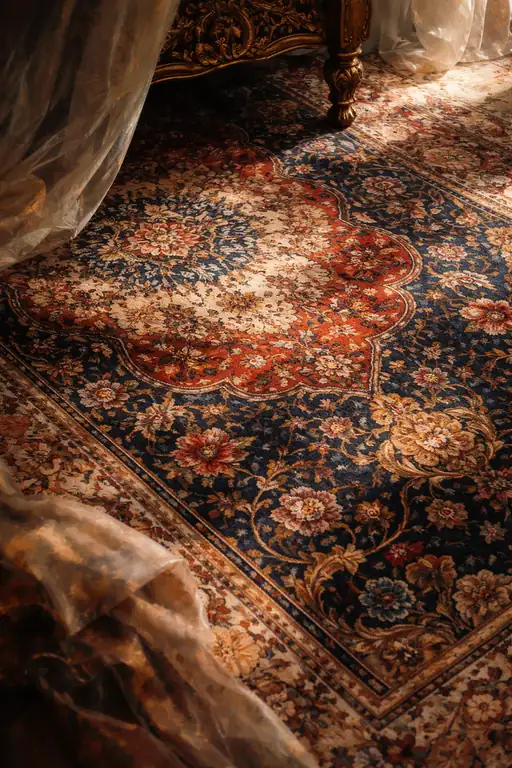 Veiled Echoes of Grandeur
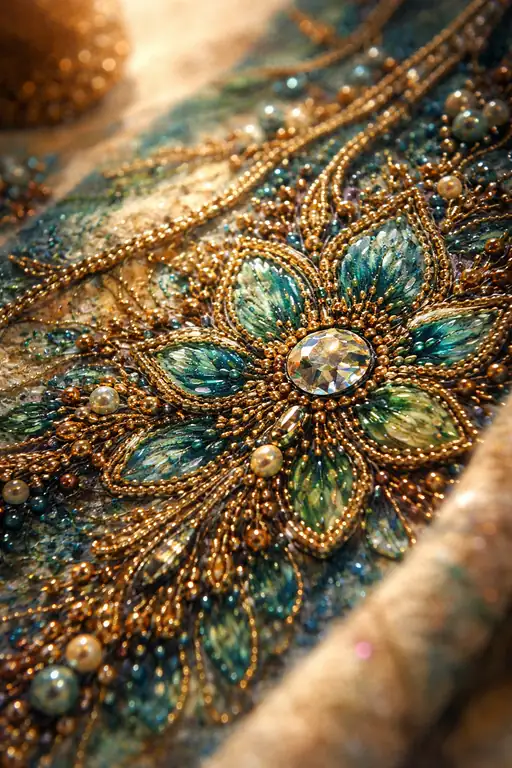 Tears of the Emerald Star
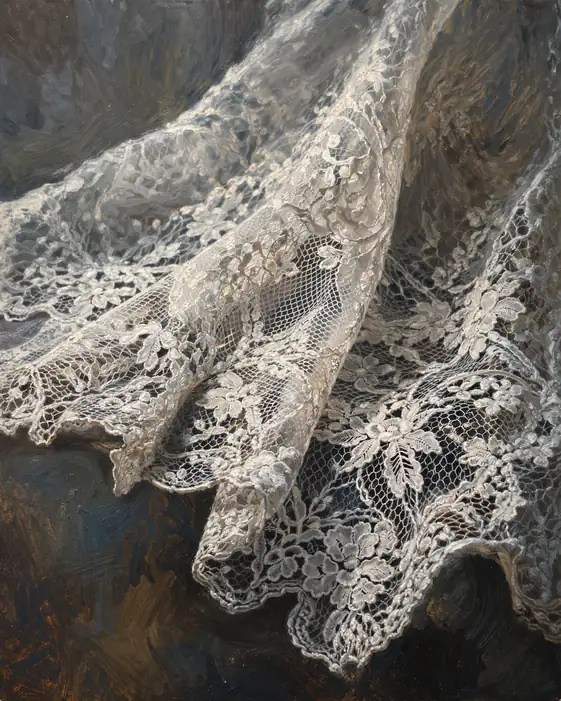 Intricate Lace in Shadow
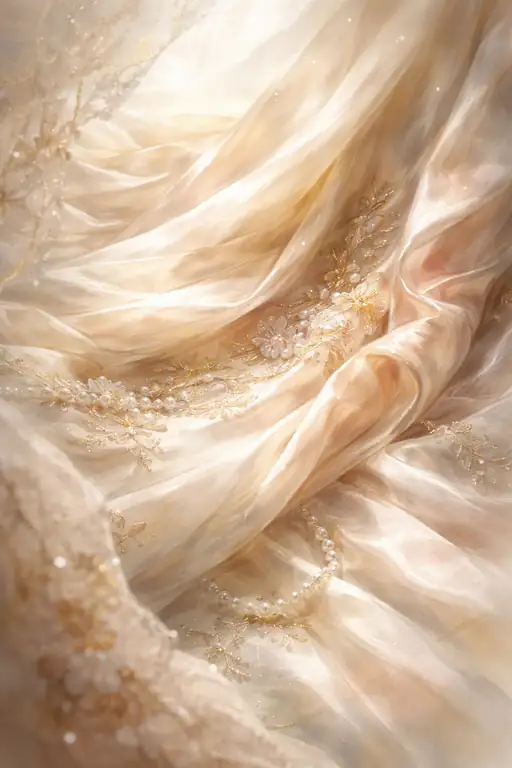 Stitches of Delicate Grace
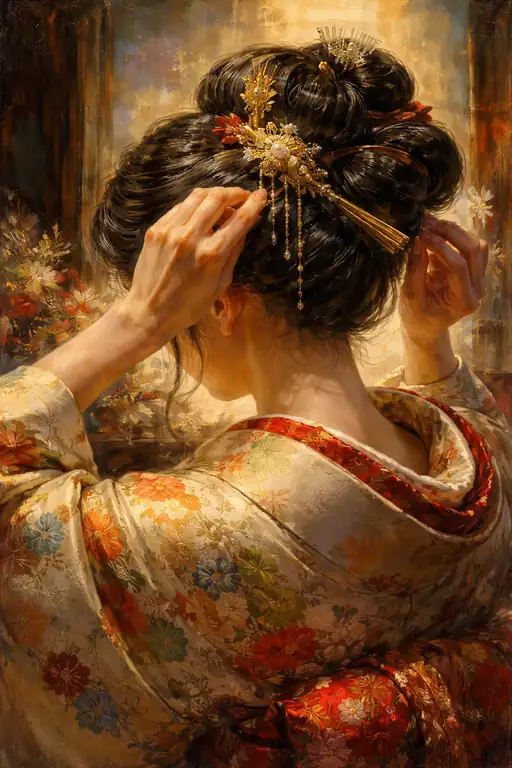 A Secret Adornment in the Mirror's Gaze
 Crossweave of the Indigo Line
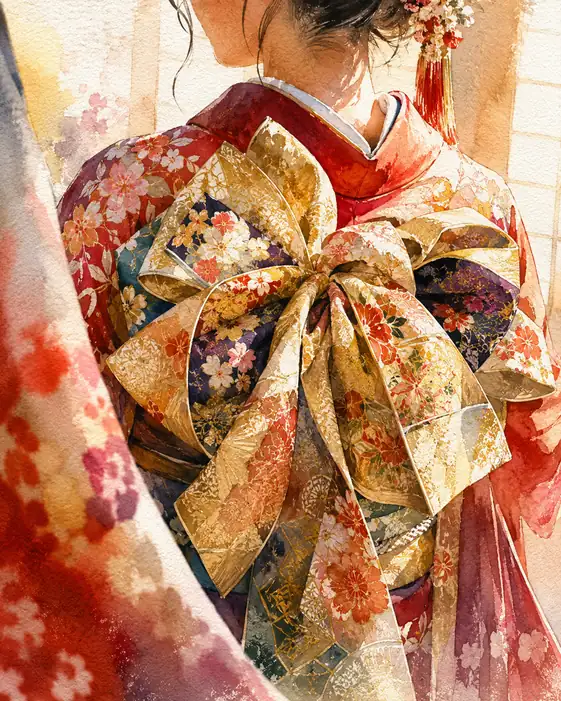 Whispers of the Golden Obi