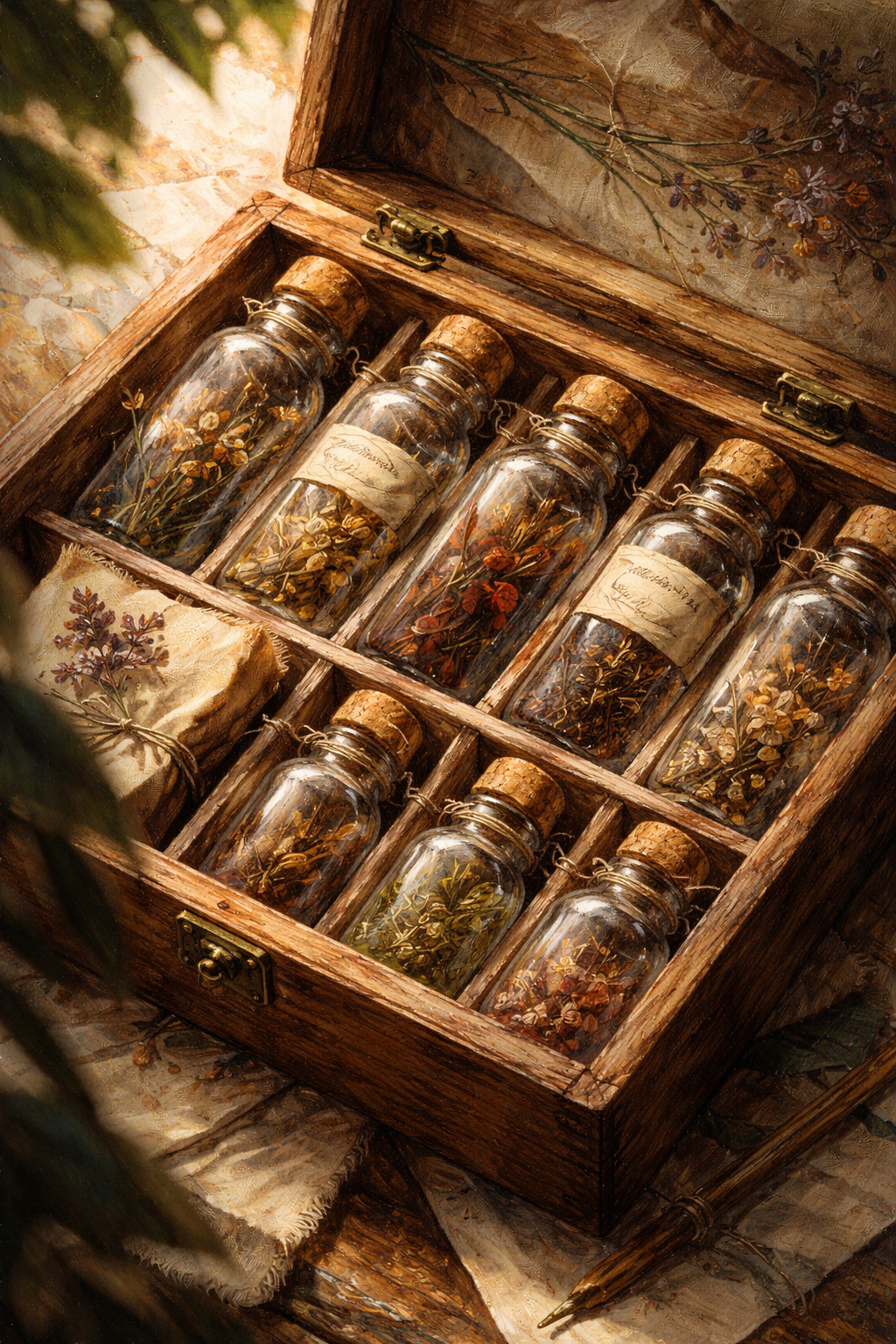
Echoes of a Sun-Drenched Field
Critique
1. Introduction This work is a detailed still life painting depicting an open wooden specimen box filled with various glass bottles. Each bottle contains meticulously preserved dried botanicals, suggesting a collection of a naturalist or an apothecary. The composition invites the viewer to look closely at the fragile textures of the past, presented with a warm, nostalgic atmosphere. The artist demonstrates a high level of technical skill in rendering diverse materials, from the aged wood of the container to the translucent quality of the glass vessels. 2. Description The painting features an old wooden box divided into several rectangular compartments, each holding a small glass bottle. These bottles are sealed with cork stoppers and filled with dried flowers and herbs of varying colors and shapes. Some bottles have weathered paper labels with faint, handwritten inscriptions that add to the sense of historical depth. On the left side, a small bundle of dried flowers is wrapped in a coarse, linen-like fabric and tied with a simple string. The lighting is soft and directional, casting gentle shadows that define the three-dimensional form of the box and its contents. 3. Analysis The artist utilizes a warm, monochromatic palette dominated by ochre, sienna, and umber tones, which creates a unified and antique feel. The diagonal composition provides a dynamic perspective, drawing the eye across the rows of bottles and into the depth of the box. Fine, precise brushwork is evident in the depiction of the intricate dried petals and the subtle reflections on the glass surfaces. The contrast between the rough texture of the wood grain and the smooth, reflective glass creates a rich tactile experience. The balance of the elements is carefully maintained, with each compartment offering a unique point of interest. 4. Interpretation and Evaluation This piece can be interpreted as a meditation on the preservation of nature and the passage of time. The act of bottling these delicate specimens reflects a human desire to capture and categorize the ephemeral beauty of the natural world. Technically, the work is exceptional in its realistic portrayal of light and shadow, particularly in how it penetrates the glass and highlights the contents within. The originality of the piece lies in its quiet, scholarly mood and the intimacy it creates between the subject and the observer. The overall execution reveals a deep appreciation for the minute details of everyday objects. 5. Conclusion Initially seen as a simple collection of items, the painting reveals itself to be a profound study of texture and light. It successfully conveys a sense of history and quietude through its masterful handling of the medium. The work stands as a testament to the beauty found in scientific observation and the art of preservation. Ultimately, the meticulous rendering of these botanical treasures leaves a lasting impression of elegance and contemplative depth.
Same Subcategory
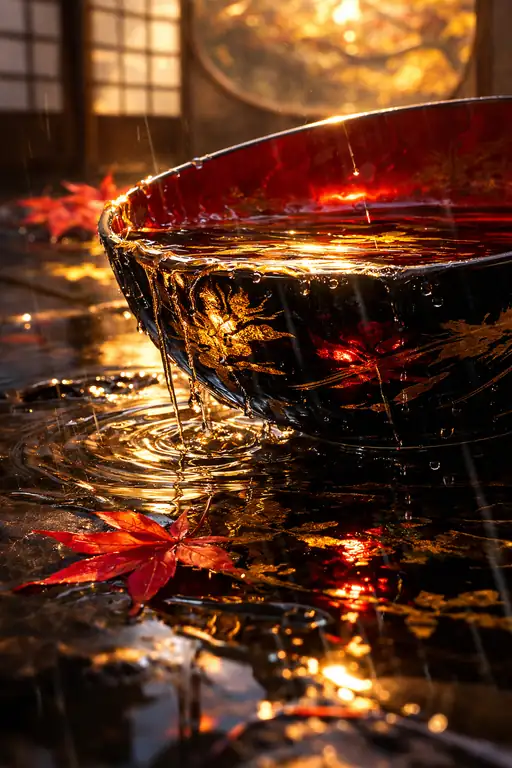 Autumn's Tears: Ripples in the Crimson Lacquer
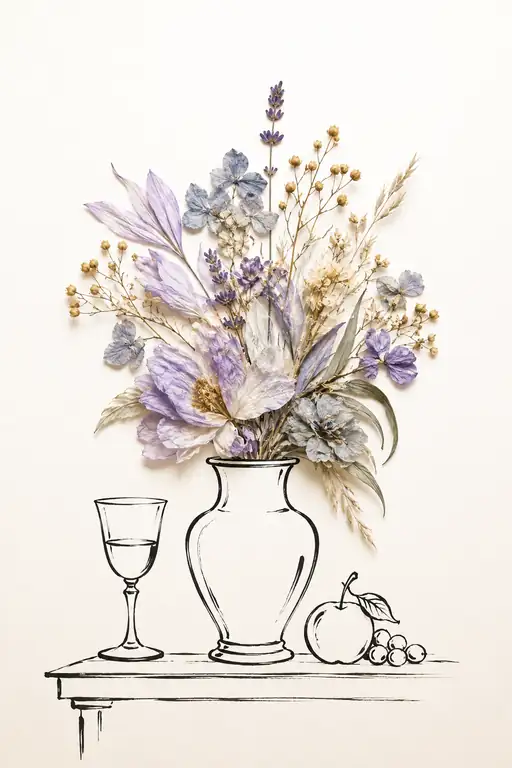 Lavender Bouquet Beside Wine and Apples
Similar Artworks
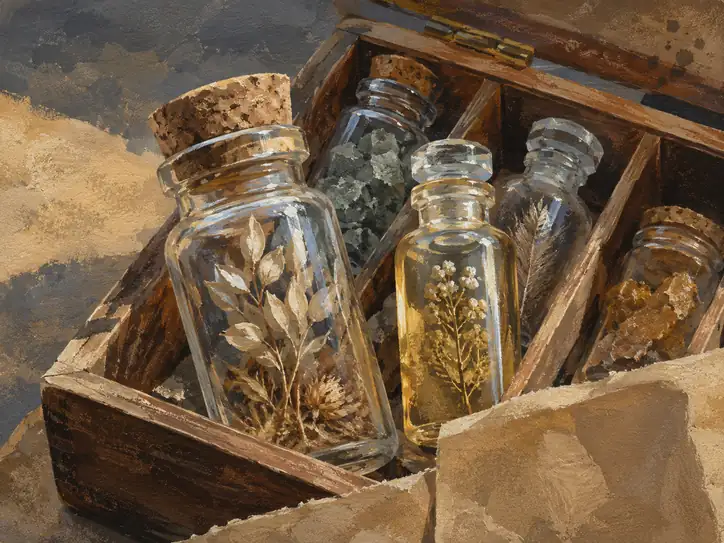 Curated Whispers of the Wild
 Apothecary's Preserved Memories
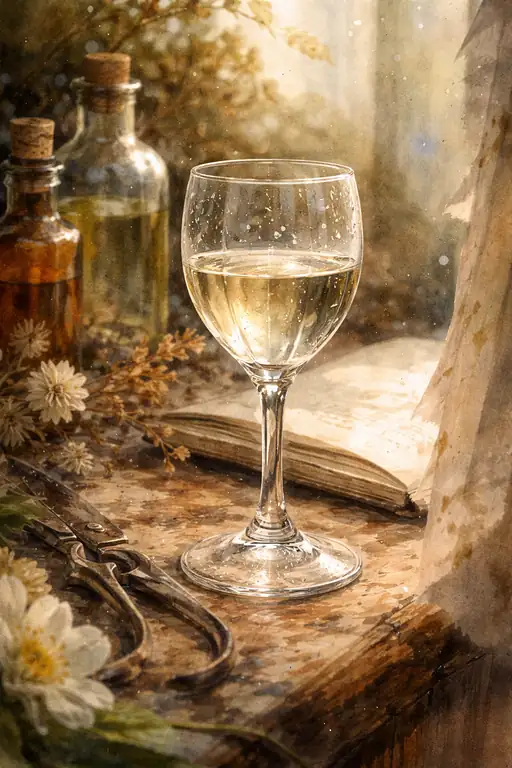 Quiet Reflections of the Herbalist
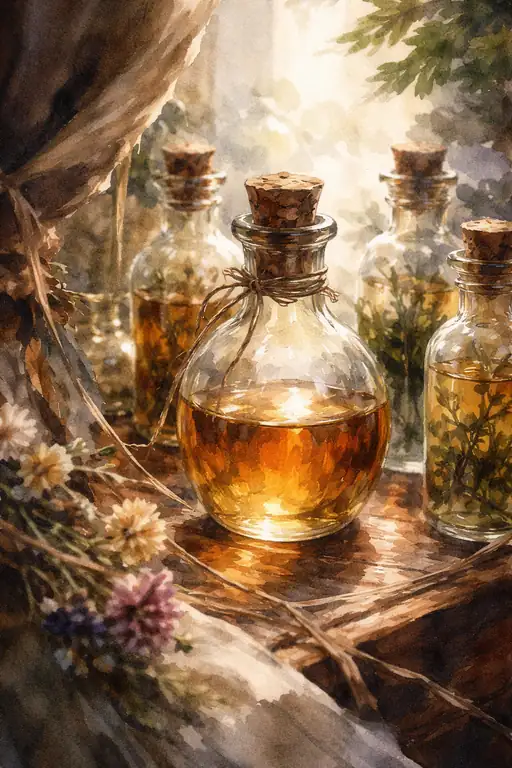 Sunlight Distilled in Glass
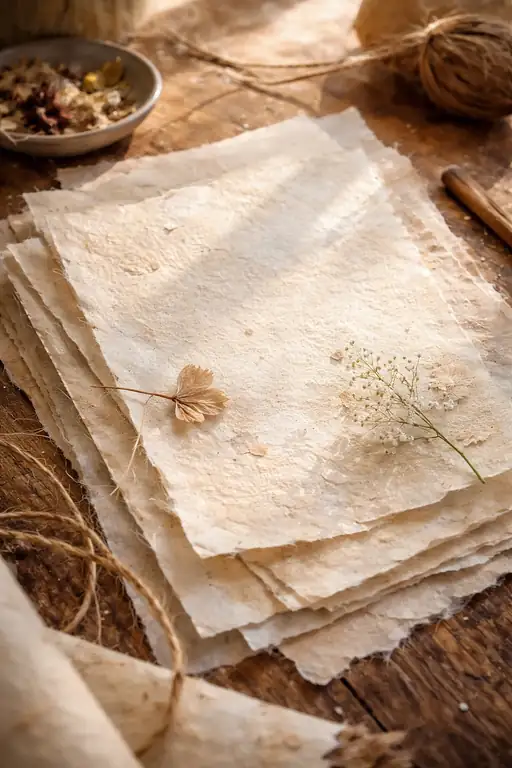 The Silent Poetry of Unwritten Pages
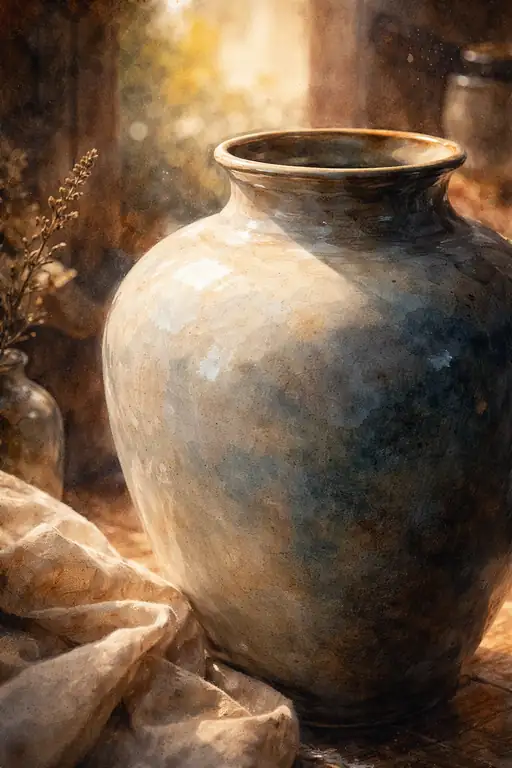 Earthen Soul Bathed in Sunlight
 Echoes of a Forgotten Journey
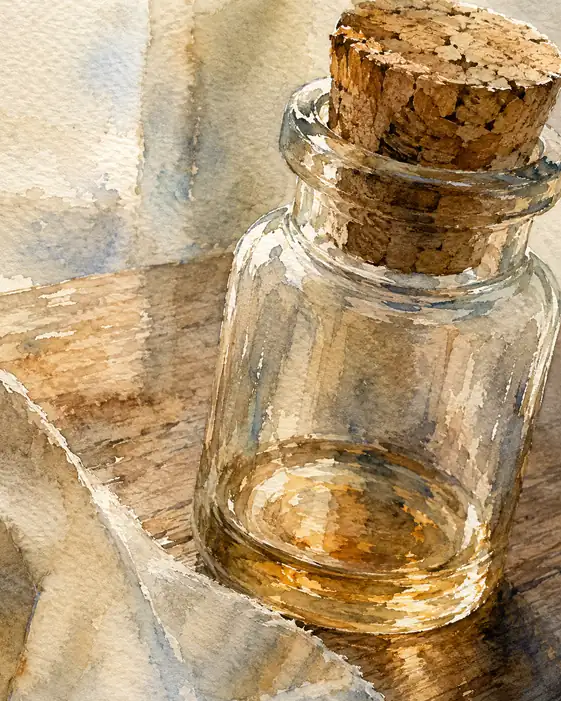 Preserving a Golden Moment
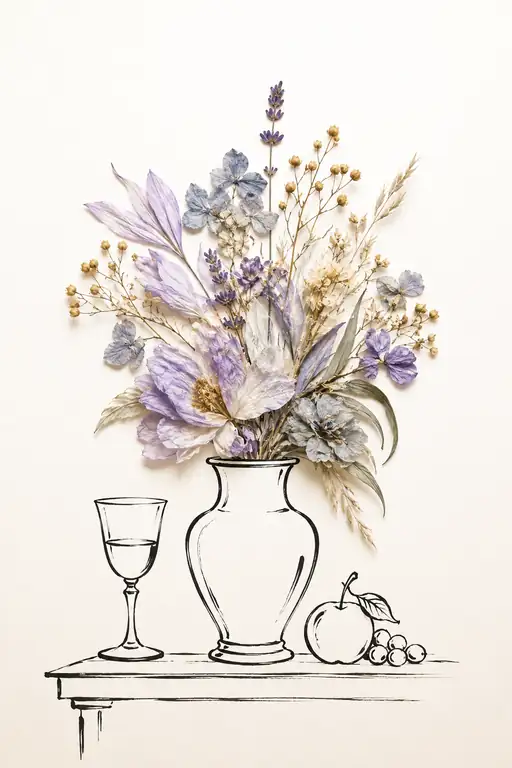 Quiet Autumn Light on the Table
 Treasures of My Little World