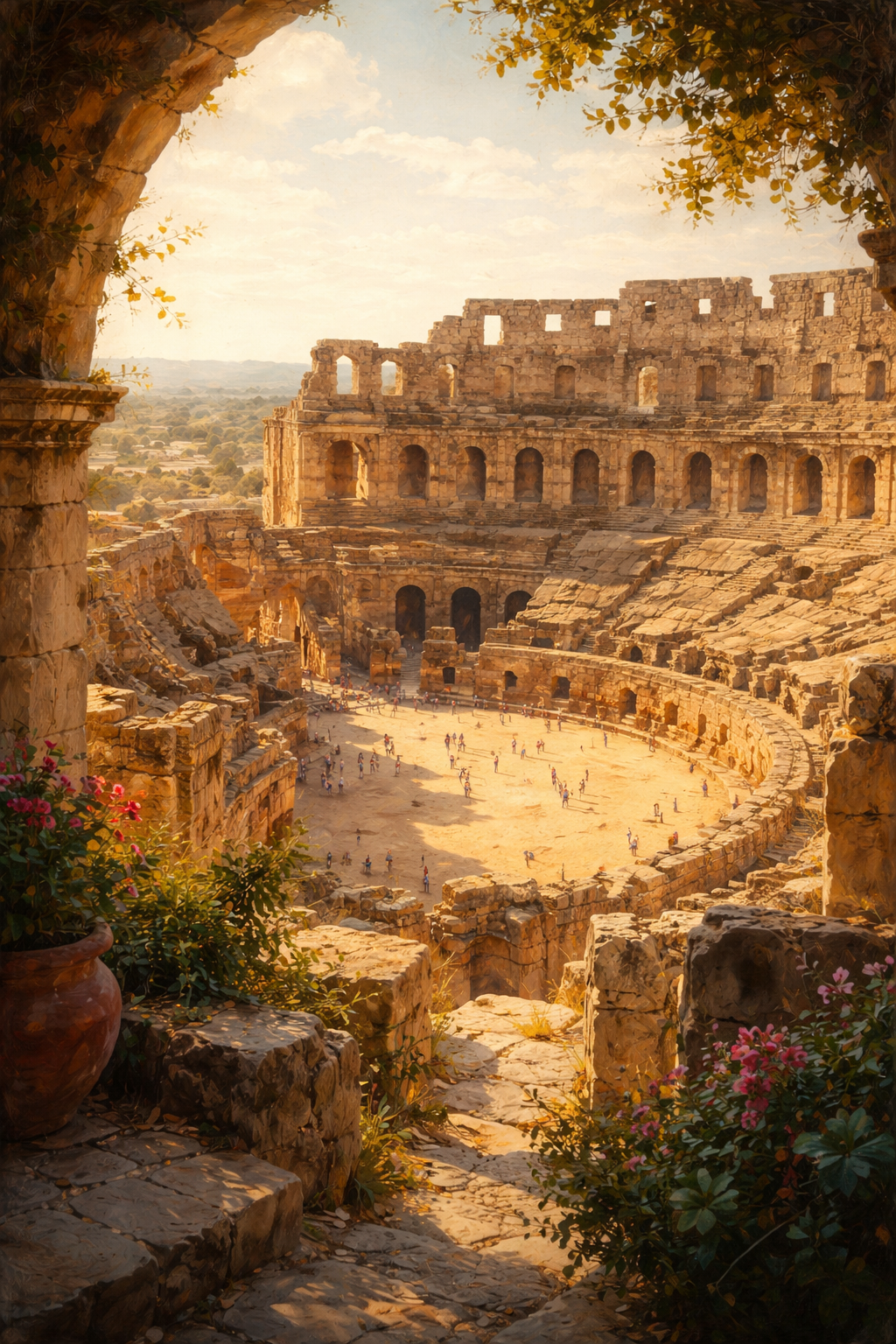
The Sunlit Arena of Time
Critique
1. Introduction This vertical oil painting offers a dramatic perspective of an ancient Roman amphitheater, framed through a weathered stone archway. The composition utilizes a framing device to create a sense of depth and historical immersion, looking down upon the arena floor. The work captures the enduring grandeur of classical architecture under the warmth of a clear afternoon sun. 2. Description The viewpoint is from within a shadowed tunnel or hallway, with a rugged stone arch defining the left and top edges of the image. Through this opening, the tiered seating and high, vaulted outer walls of the amphitheater are visible, rendered in warm ochre and sandy hues. Numerous small figures populate the sun-lit arena floor below, providing a sense of scale. A terracotta pot containing red and pink flowers sits in the bottom left, adding a touch of contemporary life to the ancient site. 3. Analysis The artist employs a realistic style with a focus on capturing the varying textures of the aged stone, from smooth interior blocks to the cracked, pitted exterior. The use of strong chiaroscuro, with a high-contrast transition between the dark foreground arch and the brightly lit stadium, emphasizes the Mediterranean light. The warm color palette is unified by the golden light that washes over the structure, creating a harmonious and unified visual experience. 4. Interpretation and Evaluation The painting explores themes of time, preservation, and the relationship between humanity and architectural history. By framing the scene through the arch, the viewer is placed in the position of an observer looking back into the past. The technical execution is exceptional, particularly in the handling of linear and aerial perspective to convey the massive circular form of the monument accurately. 5. Conclusion Initially, the complexity of the stone arches may seem daunting, but the clearly defined focal point of the sunlit arena provides a stable center for the work. The inclusion of current visitors and vibrant flowers bridges the gap between antiquity and the present day. Ultimately, the painting stands as a masterfully executed and evocative tribute to the timeless beauty and structural genius of Roman engineering.
Same Subcategory
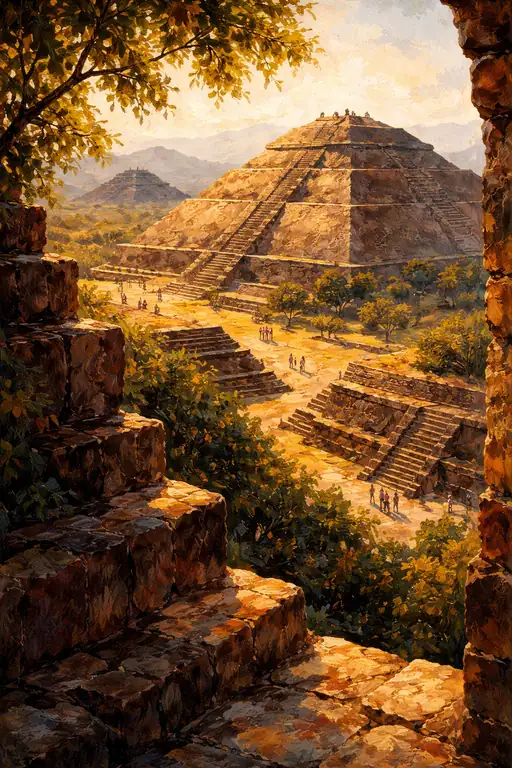 Echoes of the Sun: Steps of the Ancients
 Ancient Whispers Beneath the Sakura
Similar Artworks
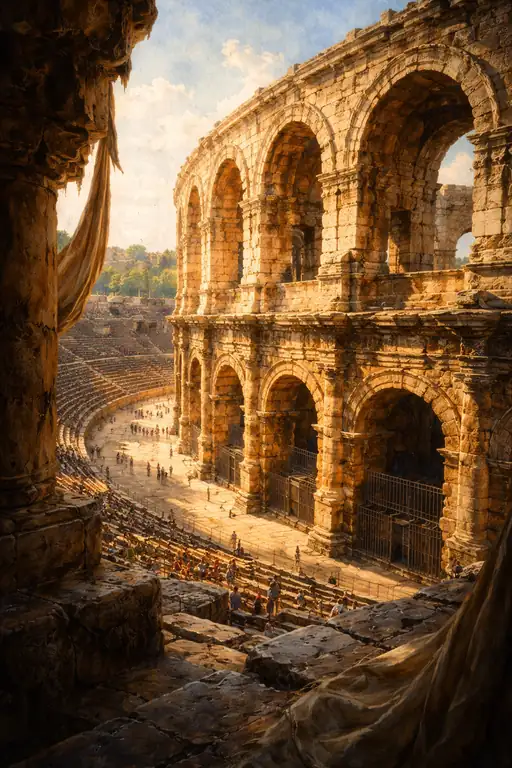 A Glimpse Through Time's Window
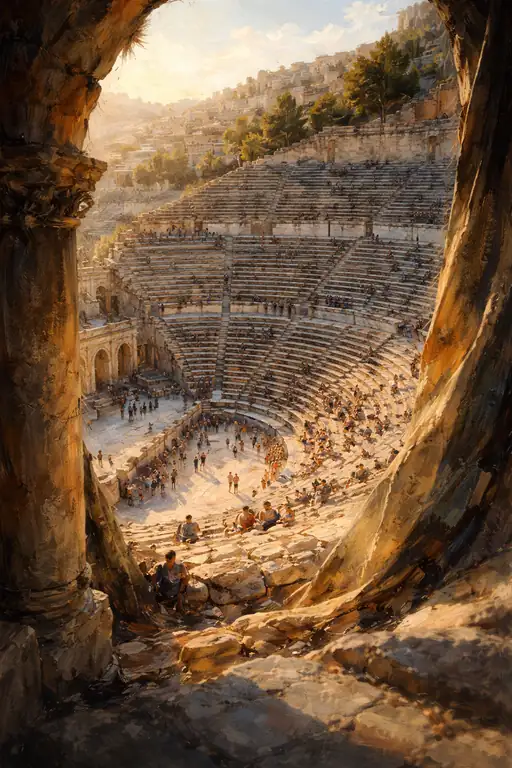 Echoes in Stone: A Portal to the Ancient Theater
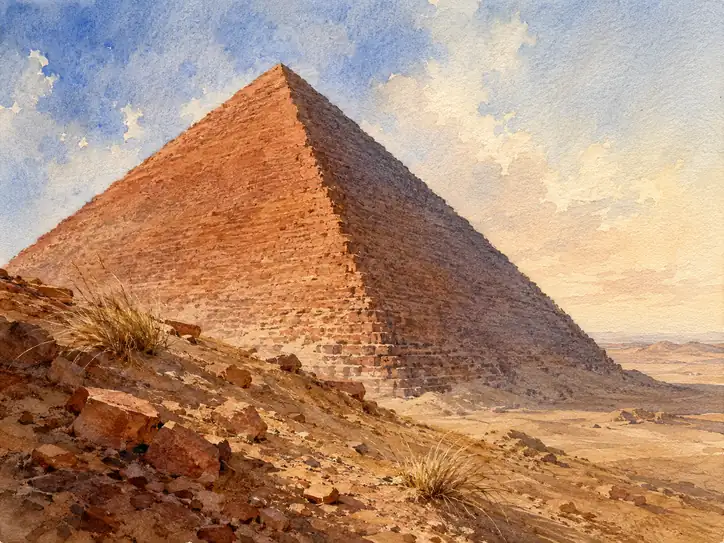 Sand and Sky's Eternal Embrace
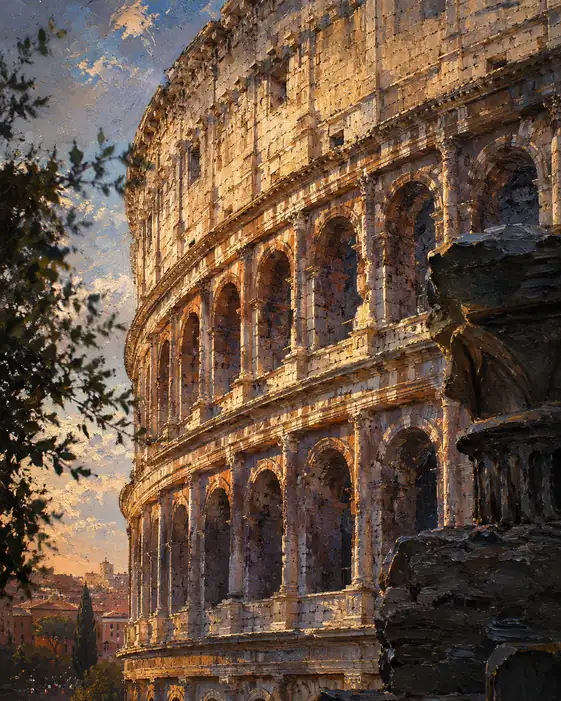 The Stone That Remembers the Sun
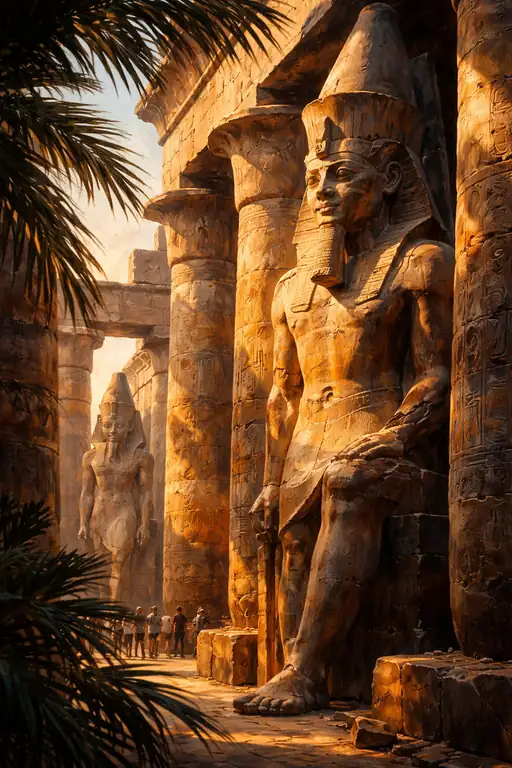 Sunlit Shadows Among the Monumental Pharoahs
 Echoes of the Golden Empire
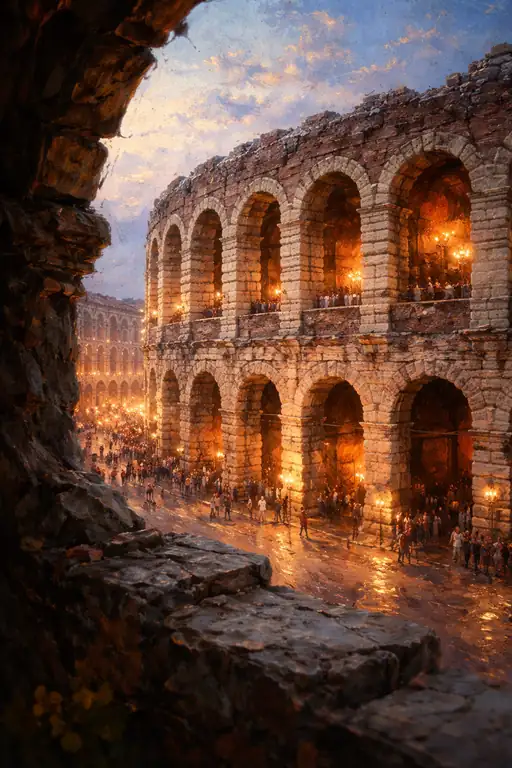 Gathering Under the Twilight Arches
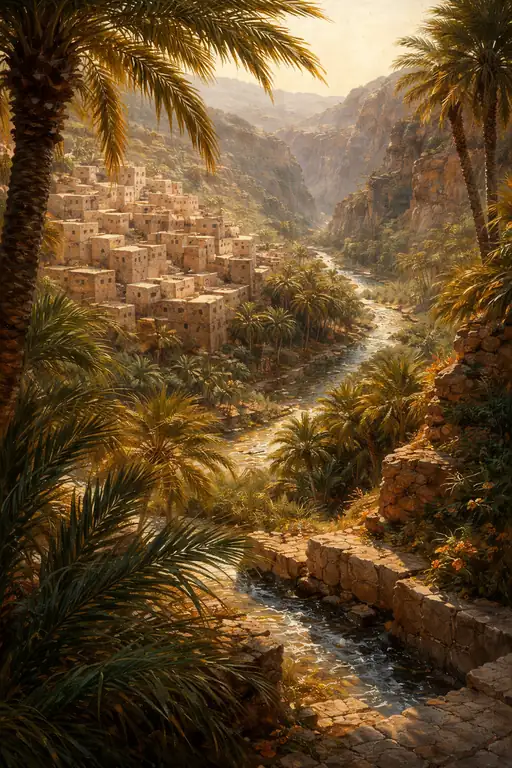 The Oasis Born of Stone and Light
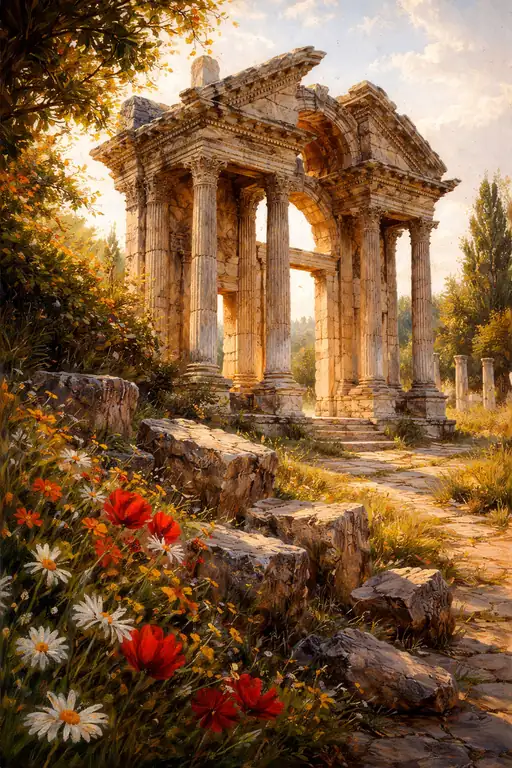 Timeless Pillars Among the Poppies
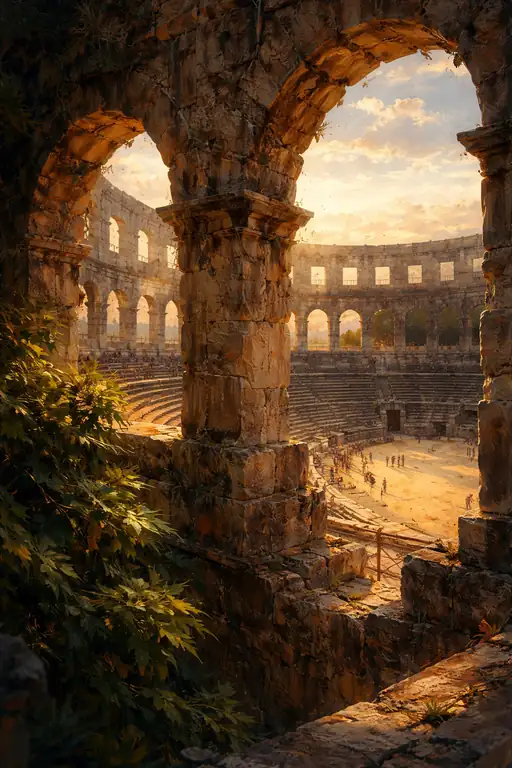 Twilight at the Colosseum