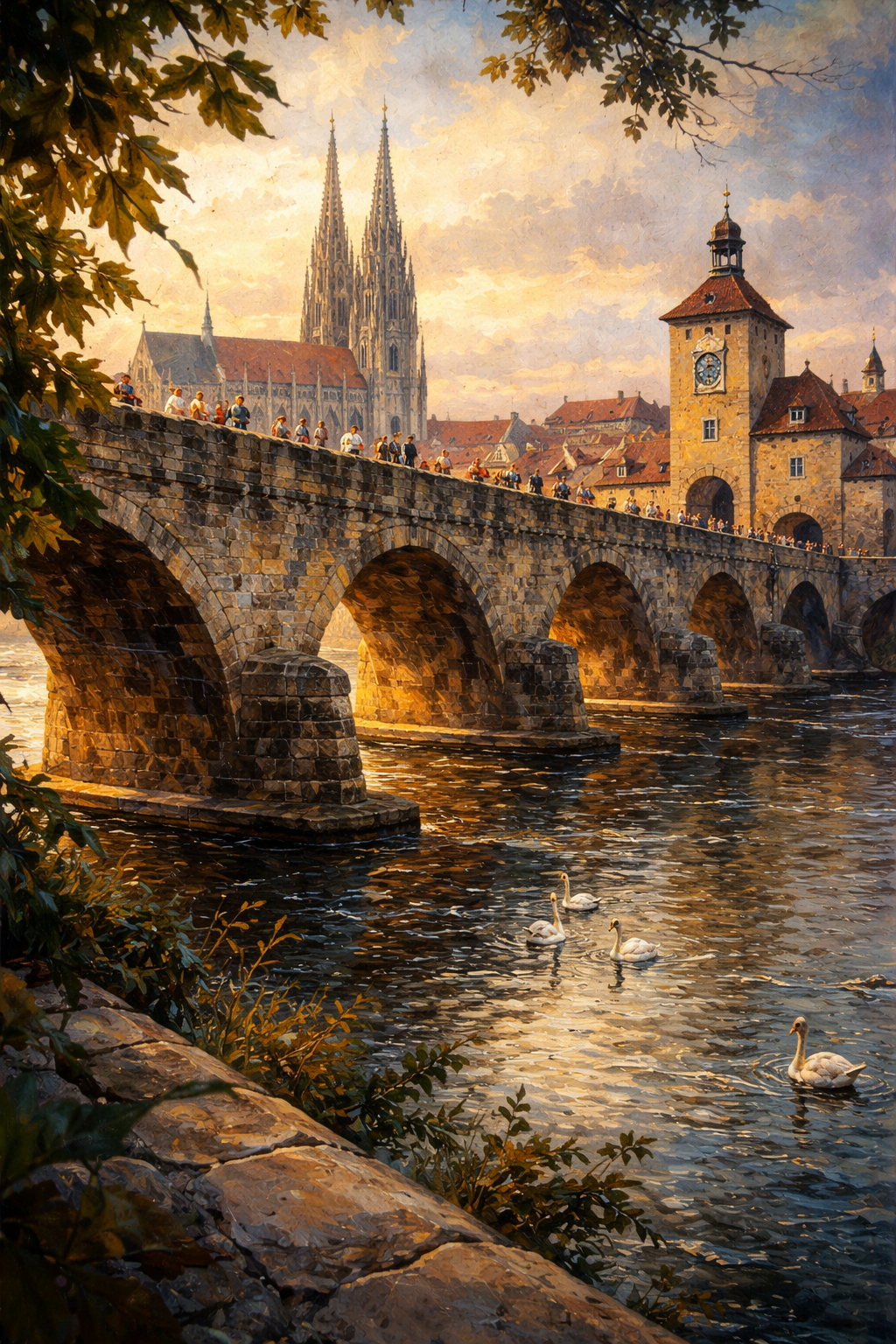
Rhythm of the Eternal River
Critique
1. Introduction This oil painting presents a magnificent scene of a historic European city at sunset. The composition centers on a multi-arched stone bridge that spans a shimmering river, leading the eye toward the majestic architecture of a cathedral and clock tower. The artwork masterfully captures the intersection of civic life and industrial-era tranquility. It offers a romanticized vision of heritage, where the grandeur of the past remains vibrant in the present. 2. Description The foreground is framed by the textured stonework of a riverbank and lush greenery, from which four white swans glide across the water's surface. A massive stone bridge with deep arches dominates the middle ground, populated by numerous figures dressed in period clothing. On the far side of the river, a large Gothic cathedral with two prominent spires rises against a soft, cloud-filled sky. Next to it, a stone clock tower marking the entrance to the city square is illuminated by the intense golden light of the setting sun. 3. Analysis The artist utilizes a warm color palette dominated by ochre, gold, and deep browns, which creates a unified atmospheric effect. Light is treated as a physical substance, reflecting brilliantly off the ripples of the water and highlighting the rough textures of the masonry. The brushwork is expressive and rhythmic, particularly in the rendering of the architectural details and the reflective surface of the river. The use of atmospheric perspective helps to define a vast space, with the cathedral appearing somewhat diffused in the distance. 4. Interpretation and Evaluation This work is a successful study in monumentality and light, demonstrating a high degree of technical proficiency in depicting complex structures. The inclusion of the swans and the small, distant figures adds a human and natural element that softens the rigidity of the stone architecture. The painting captures a specific sense of place and historical continuity through its detailed rendering of the city's landmarks. The interplay between the rhythmic arches of the bridge and the verticality of the spires provides a dynamic and balanced composition. 5. Conclusion In conclusion, the painting is an evocative portrayal of architectural heritage and environmental atmosphere. It moves beyond simple documentation to create a felt experience of a historic moment captured in time. The initial focus on the bridge expands to include a broader understanding of the relationship between nature and the built environment. This piece stands as a powerful celebration of the enduring beauty and dignity of classical European urbanism.
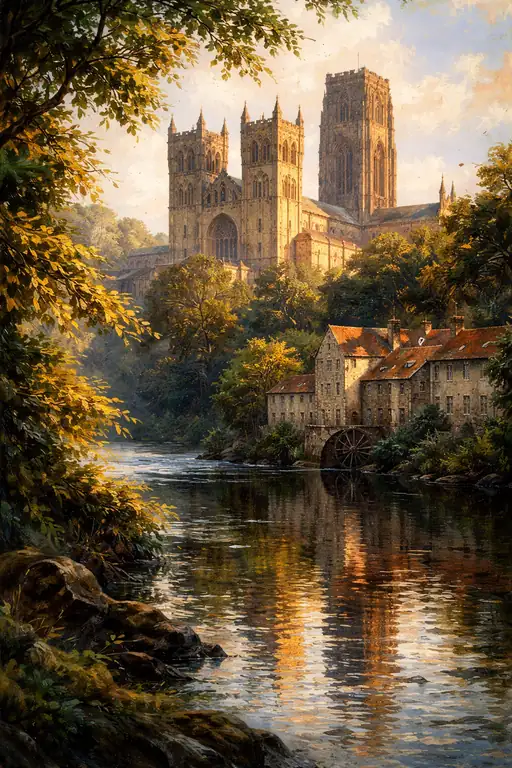 Golden Hour at the Sanctuary
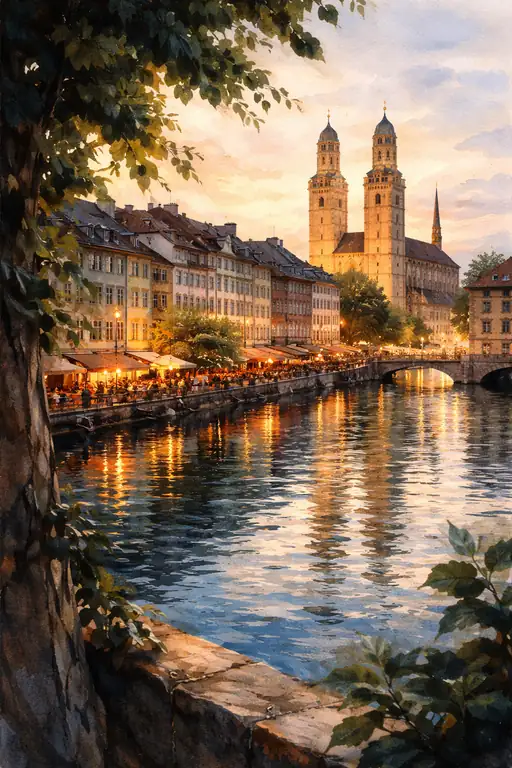 Twilight Harmony by the River
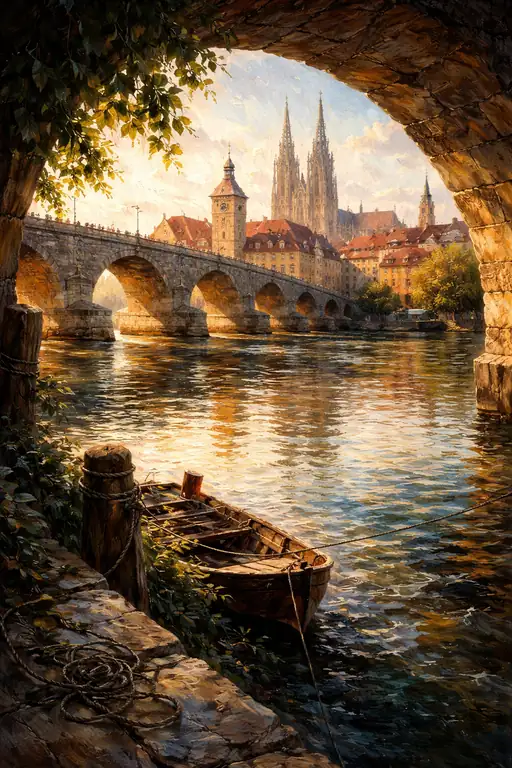 Archway to the Gilded Evening
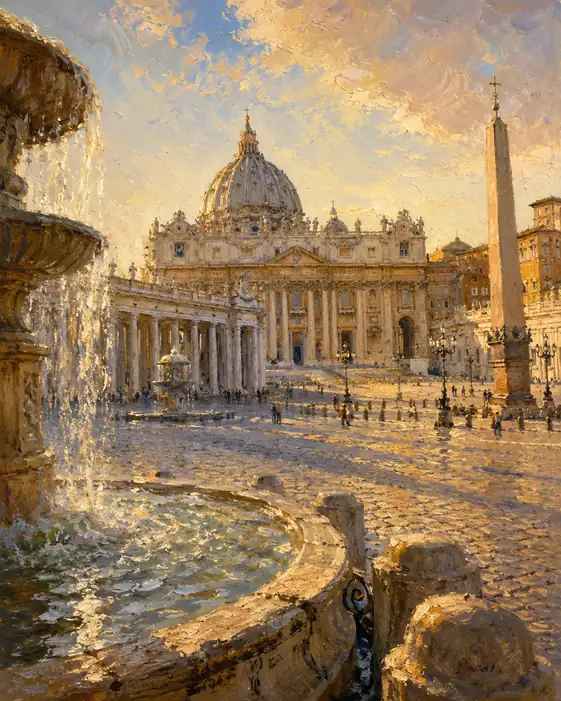 A Golden Vigil Over the Eternal Square
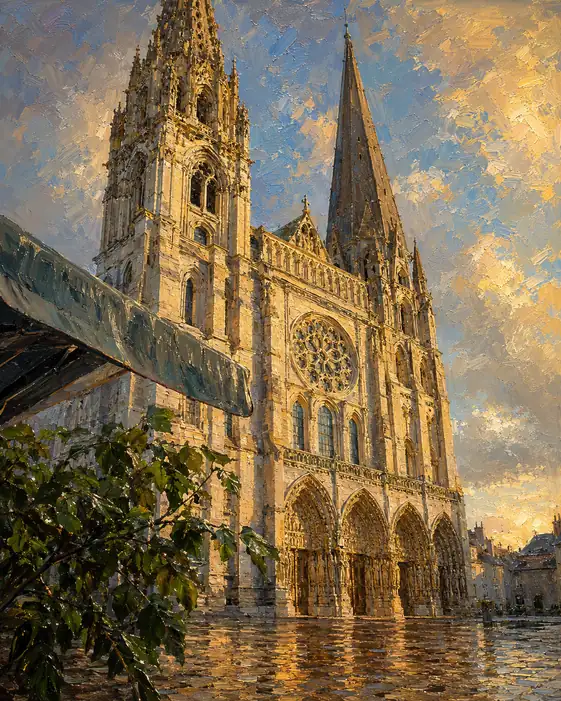 Where the Light Lingers
 Eternity in Amber Light
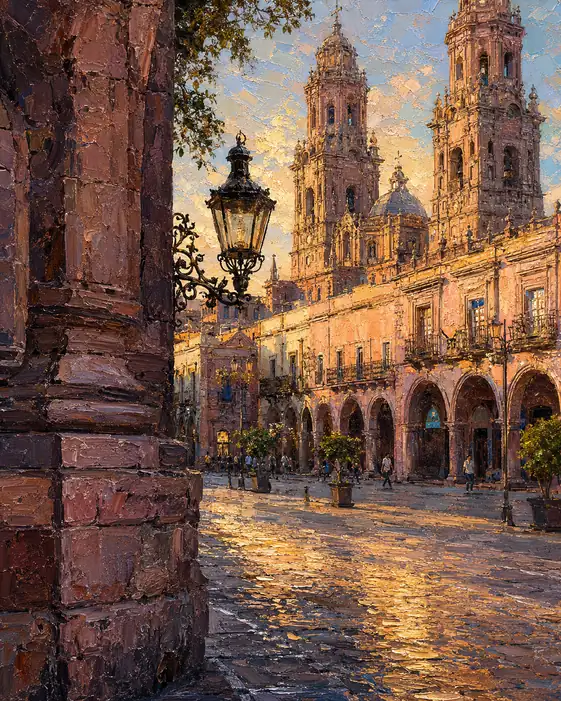 Where the Light Lingers
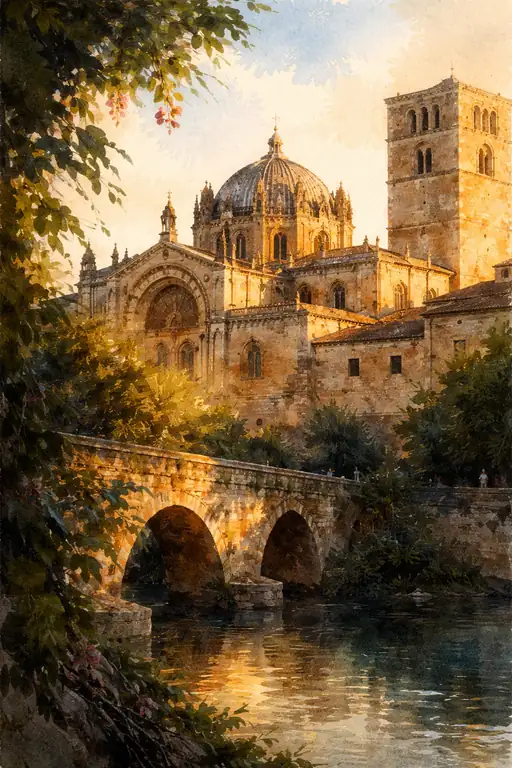 Eternal Grace Spanning the Still Waters
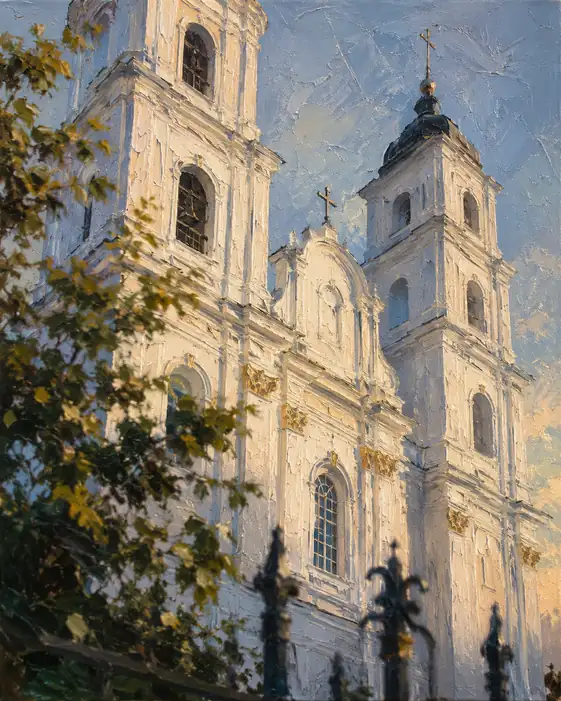 Sanctuary Ablaze in Evening Light
 The Glow of Silent Devotion
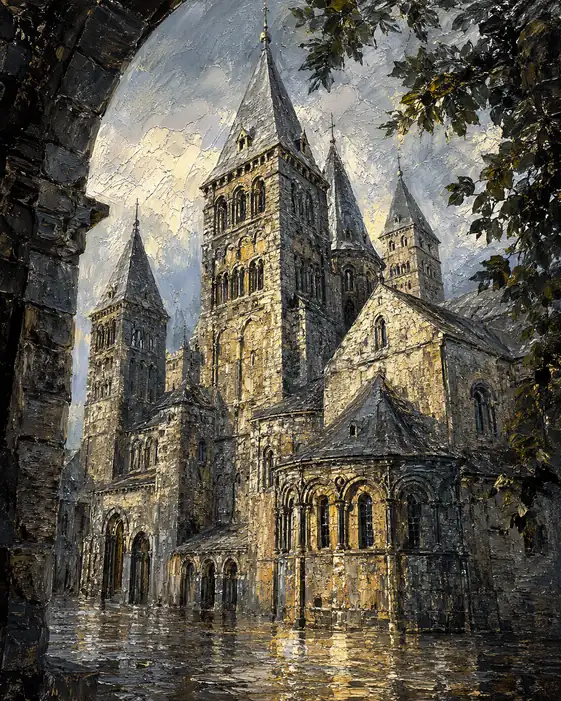 Stone and Golden Shadows