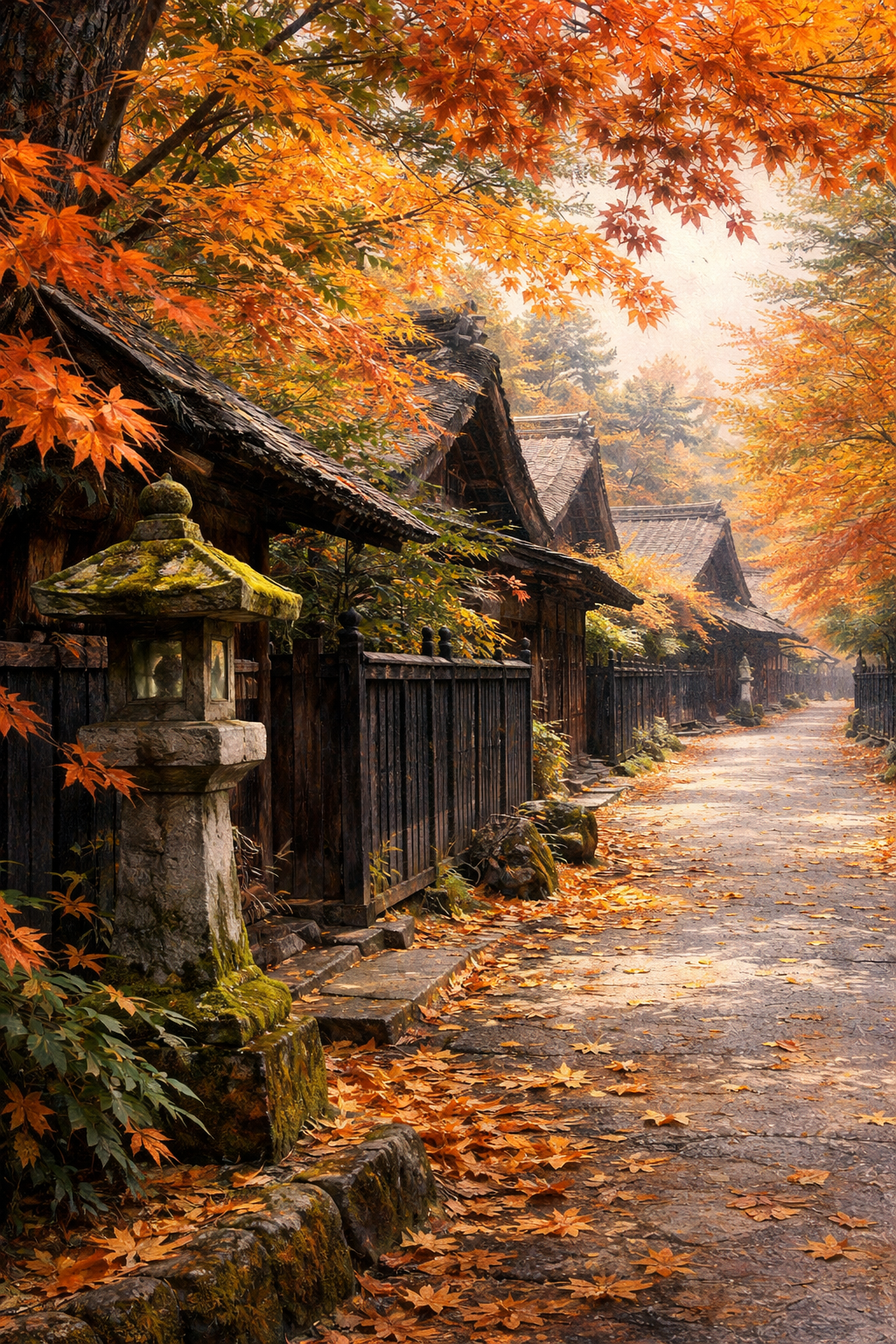
Autumn Leaves and Cobblestone Memories
Critique
1. Introduction This evocative painting transports the viewer to a traditional Japanese village street during the height of autumn. The scene is characterized by weathered wooden buildings and stone paths, all bathed in the warm, golden light of the season. Vibrant orange and red maple leaves frame the composition from above and carpet the ground below, creating a rich sensory experience of a quiet, historic locale. This work captures the essence of "aki no kehai" (the signs of autumn), blending architectural heritage with the cyclical beauty of the natural world. 2. Description The composition features a perspective that follows a stone-paved path receding into a misty background. On the left, a series of dark-timbered houses with traditional tiled roofs are partially obscured by low wooden fences. A prominent, moss-covered stone lantern (toro) stands in the foreground, its weathered surface suggesting the passage of time. The upper portion of the frame is filled with the intricate patterns of maple branches, their leaves showing a spectrum of fiery hues. Fallen leaves are scattered across the path and the base of the lantern, adding a layer of texture to the ground. 3. Analysis The artist employs a warm color palette dominated by oranges, browns, and deep ambers, contrasted with the cool grays of the stone and the dark tones of the wood. The lighting appears diffused, as if filtered through a light mist or the dense canopy, which softens the edges of the architecture and creates a nostalgic mood. The rhythmic placement of the houses and the stone lantern guides the viewer's eye along the path, providing a strong sense of linear perspective. Detailed brushwork is used to differentiate the textures of moss, wood grain, and delicate leaf veins. 4. Interpretation and Evaluation This painting is a masterful exploration of the theme of transience and the beauty of age. The contrast between the enduring stone of the lantern and the temporary splendor of the autumn leaves serves as a poignant reminder of the "mono no aware" aesthetic. The technical execution is highly refined, particularly in the rendering of light and shadow, which imbues the scene with a tangible atmosphere. The choice of perspective invites the viewer to imagine walking through this peaceful, historical setting, making the work both immersive and emotionally resonant. 5. Conclusion The painting successfully harmonizes the man-made environment with the vibrant transitions of nature, resulting in a balanced and compelling landscape. While initially striking for its vivid autumnal colors, the work's lasting impact comes from its quiet attention to the details of historical architecture and weathered surfaces. It stands as a sophisticated tribute to the enduring charm of traditional Japanese aesthetics and the evocative power of the seasons. Overall, the final impression is one of profound peace and a deep appreciation for the quiet beauty found in the intersection of history and nature.
Same Subcategory
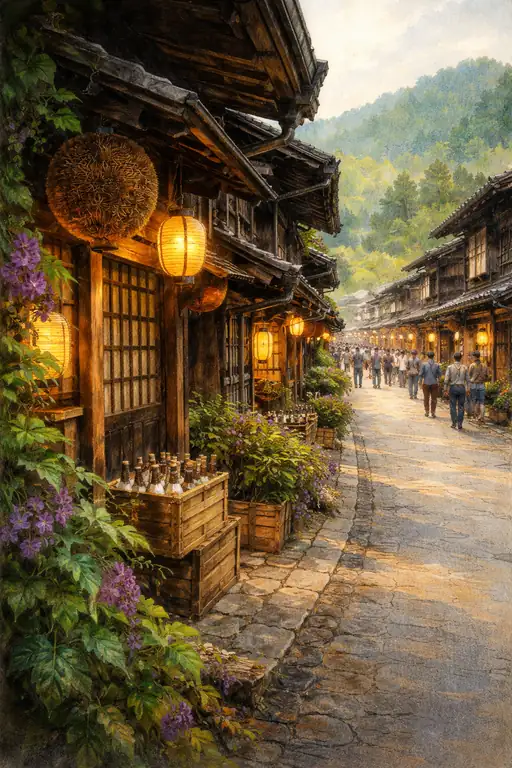 Dusk Awakens the Lantern's Memory
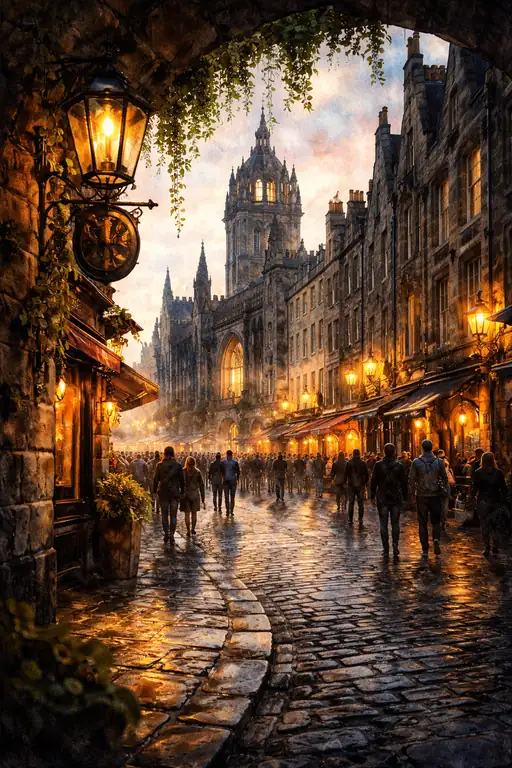 Golden Era Recalled
Similar Artworks
 Steps into the Misty Nostalgia
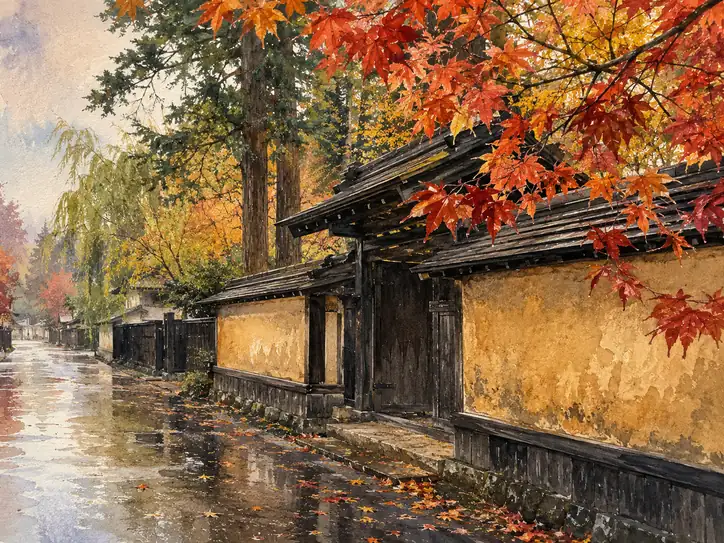 The Rain's Quiet Reflection
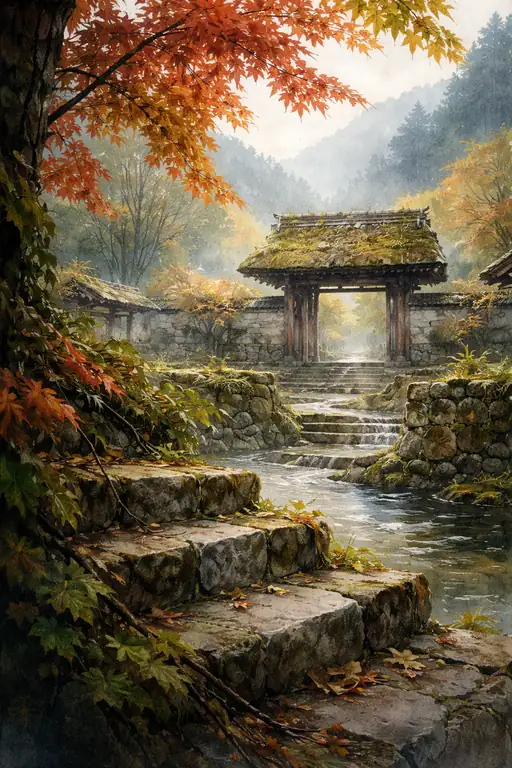 Whispers of Autumn: The Mossy Gate in the Mist
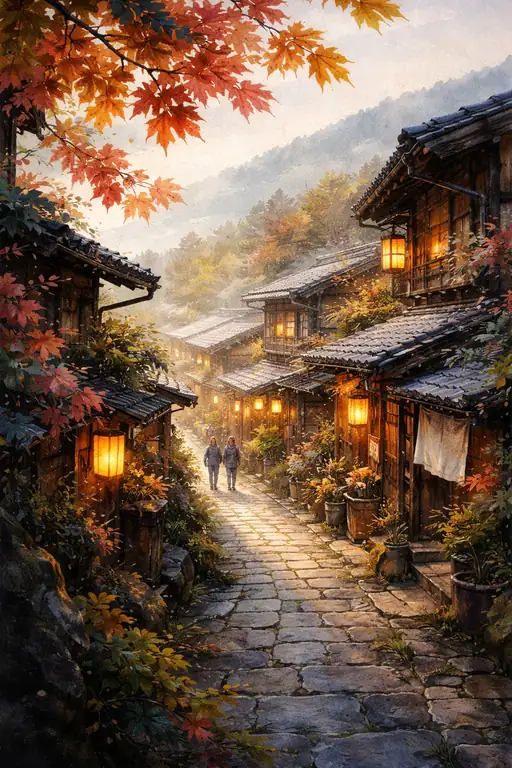 Twilight's Embrace on the Distant Path
 Nostalgic Shelter in the Mountain's Embrace
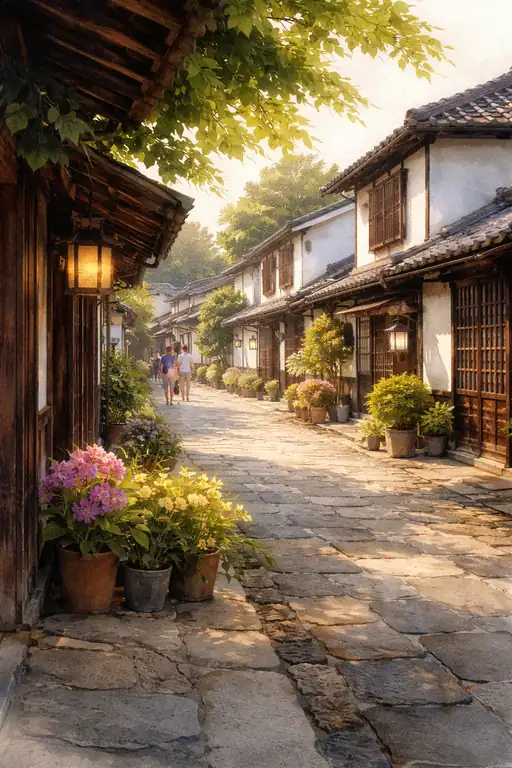 Echoes of a Forgotten Path
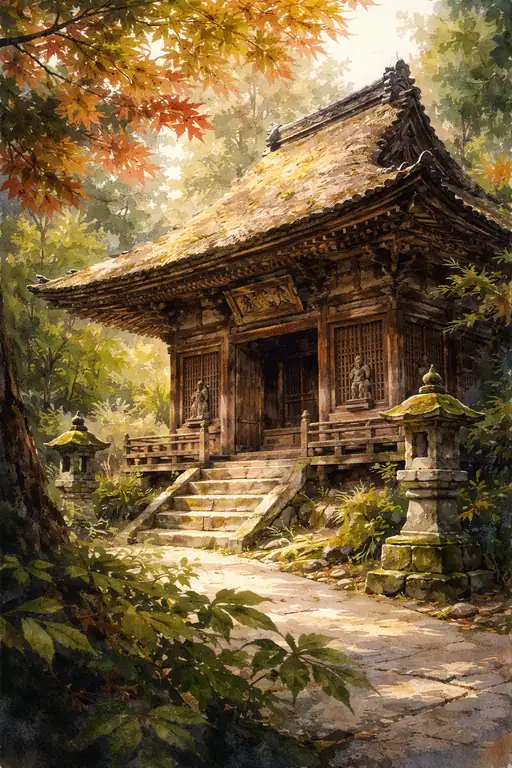 Sunlight Through the Crimson Gate
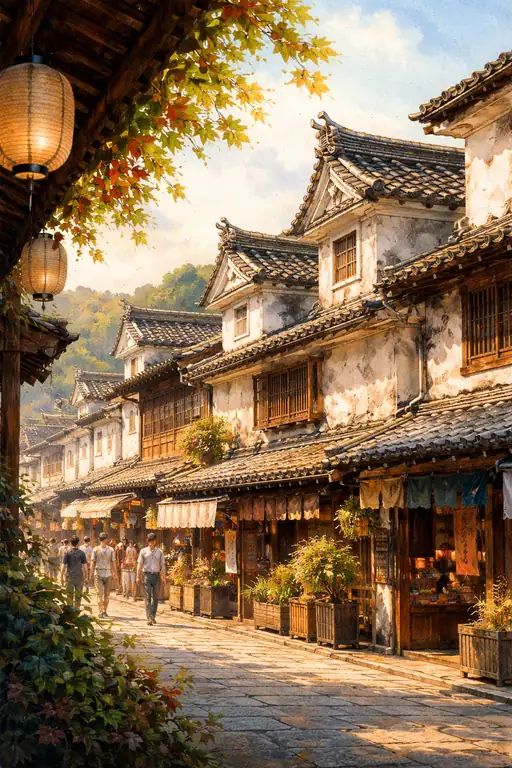 Sunset Glow on the Ancient Road
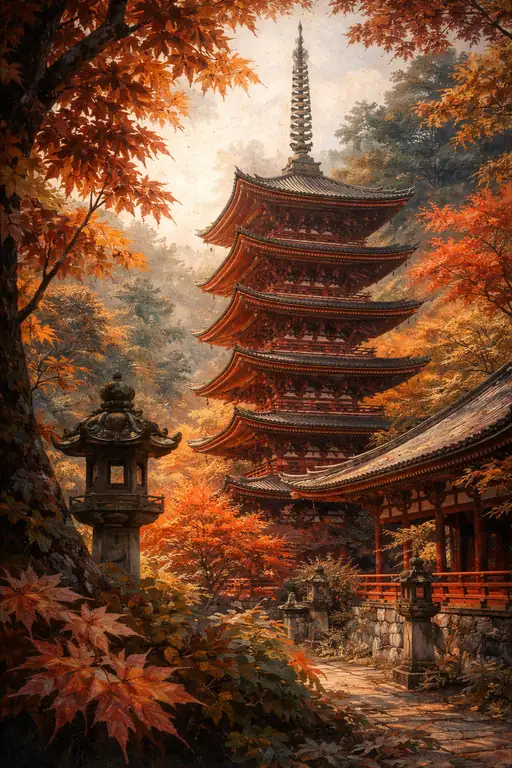 Autumn's Golden Reverie
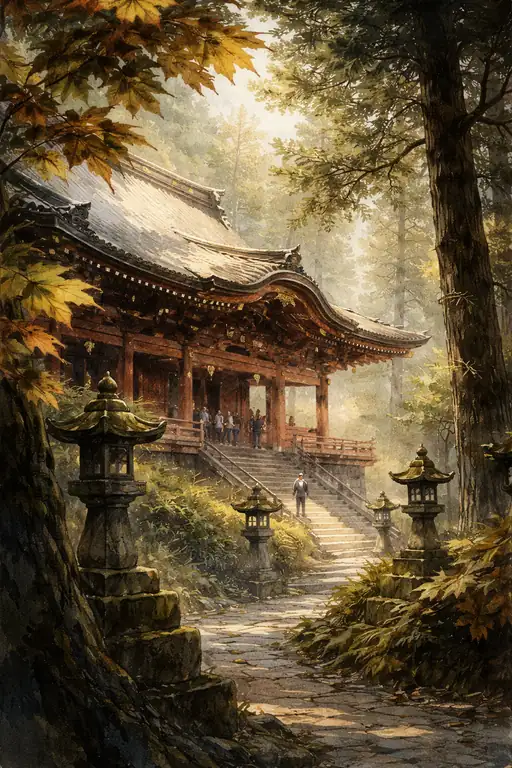 Spiritual Tranquility on the Autumnal Stone Path