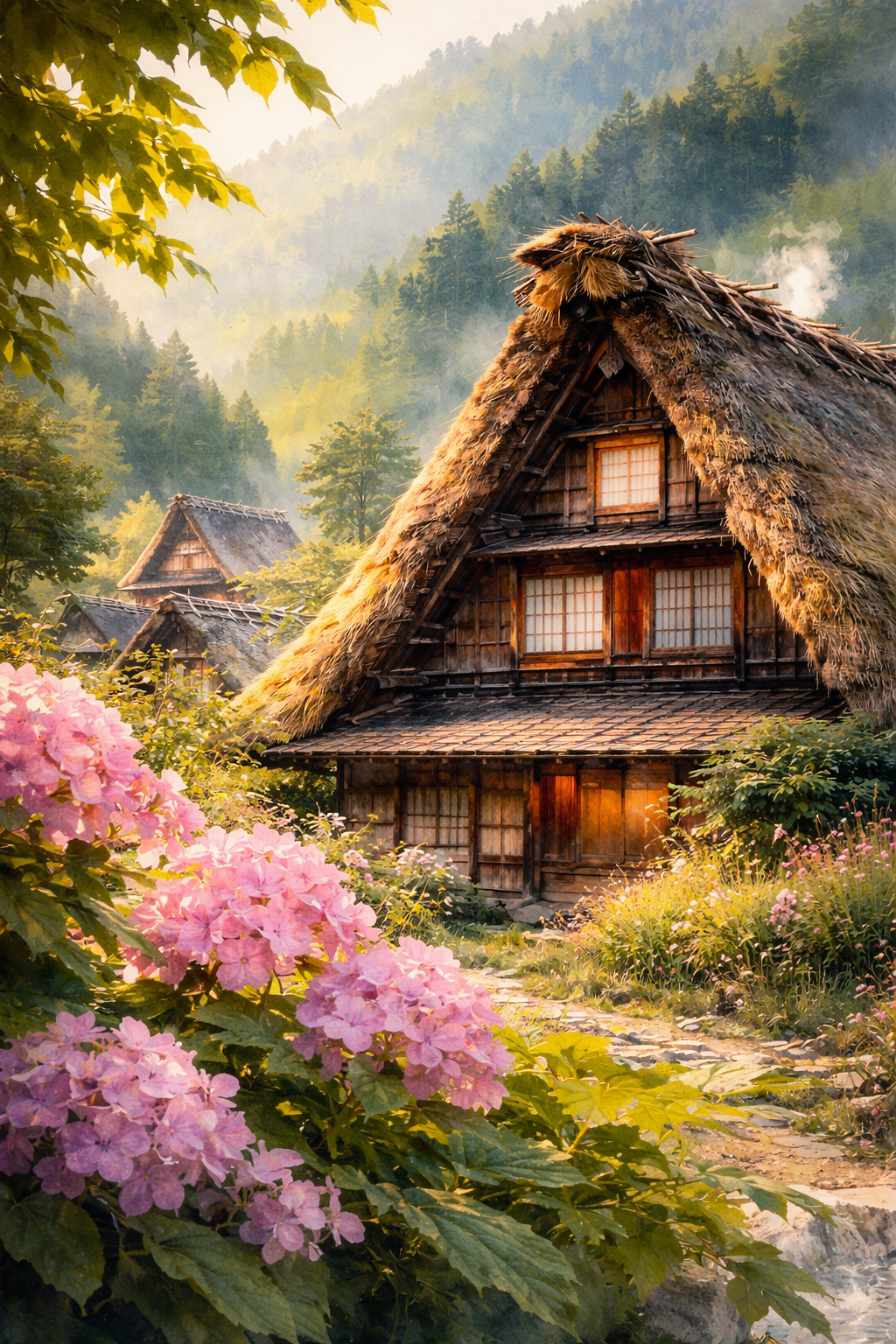
Summer Bloom Beneath the Thatched Eaves
Critique
1. Introduction This painting presents a tranquil landscape featuring traditional Japanese thatched-roof houses, commonly associated with the Gassho-style architecture. The scene is characterized by a harmonious blend of historical human habitation and the vibrant beauty of the natural environment. In the foreground, lush pink hydrangeas provide a burst of color, grounding the composition and offering a seasonal context. The work evokes a sense of timelessness and peace, celebrating the integration of cultural heritage within a mountainous landscape. 2. Description The primary focus of the composition is a large, multi-story thatched house on the right, its weathered straw roof and wooden structure rendered in exquisite detail. Smaller similar structures are visible in the background, partially obscured by soft mist and dense green foliage. The lower-left foreground is dominated by large clusters of pink hydrangeas, their delicate petals and broad green leaves catching the warm, golden light of the sun. A narrow stone path winds through the garden, leading the eye toward the main dwelling. The background consists of rolling hills covered in evergreen trees, fading into a pale, clear sky. 3. Analysis The composition utilizes a diagonal arrangement, with the hydrangea clusters in the foreground balancing the large architectural form of the house. This creates a dynamic yet stable visual field that guides the viewer's gaze from the flowers to the building and finally to the misty mountains beyond. Color harmony is achieved through the contrast between the organic pinks and greens of the garden and the earthy, neutral tones of the thatched roofs. Light is handled with great sensitivity, appearing to emanate from the side to highlight textures and create a sense of three-dimensional volume. 4. Interpretation and Evaluation This work successfully captures the essence of a rural idyll, emphasizing the coexistence of human craftsmanship and botanical splendor. The technical proficiency in rendering varied textures—from the individual strands of straw on the roof to the translucent quality of the flower petals—is remarkable. The composition effectively uses scale and placement to create a profound sense of depth and atmosphere. The artist’s choice of colors and lighting evokes a warm, nostalgic mood that resonates with the viewer’s appreciation for traditional life. Overall, the painting demonstrates a high level of representational skill and aesthetic judgment. 5. Conclusion Upon initial viewing, the vibrant pink of the hydrangeas provides an immediate visual attraction, drawing the viewer into the sunlit scene. As the eye explores the detailed rendering of the thatched house, the complexity and beauty of the traditional architecture become the central focus of appreciation. The work ultimately stands as a refined celebration of Japanese cultural heritage and the seasonal rhythms of nature. This painting leaves the viewer with a lasting impression of serenity and the enduring appeal of the rural landscape. The masterful integration of architecture and flora defines the success of this piece.
Same Subcategory
 The Golden Gate of the Forest Guardian
Similar Artworks
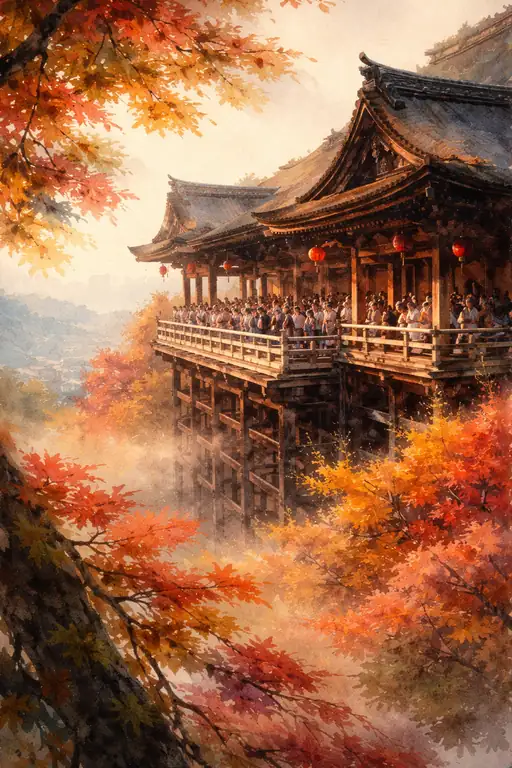 Echoes in the Autumn Mist
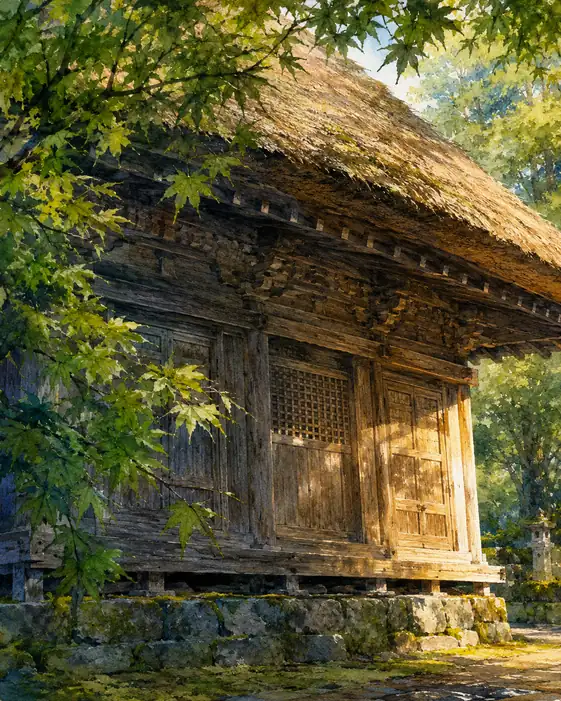 Memory of the Sun-Drenched Leaves
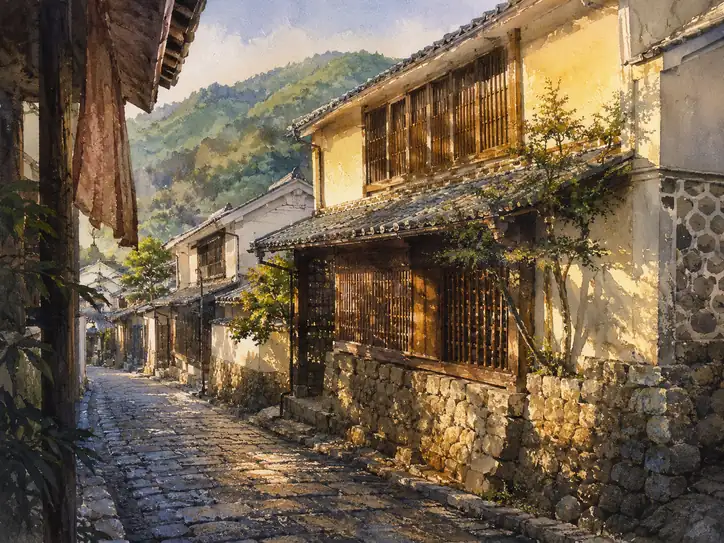 Sun-Drenched Memories of the Old Street
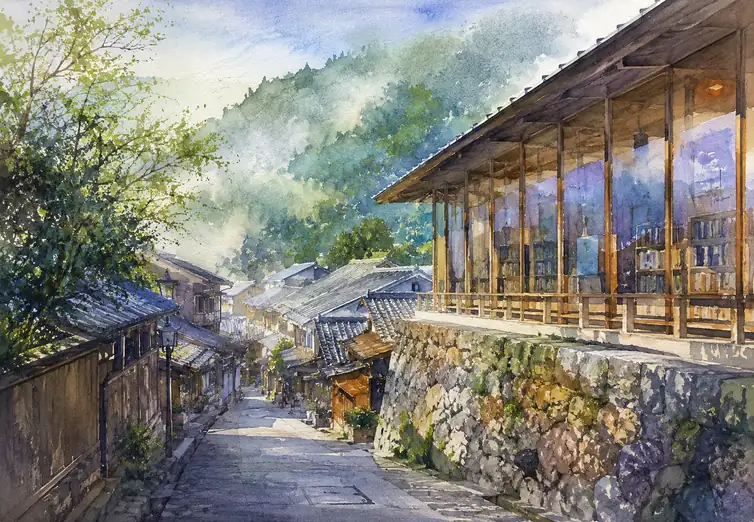 A Dialogue Between Stone and Glass
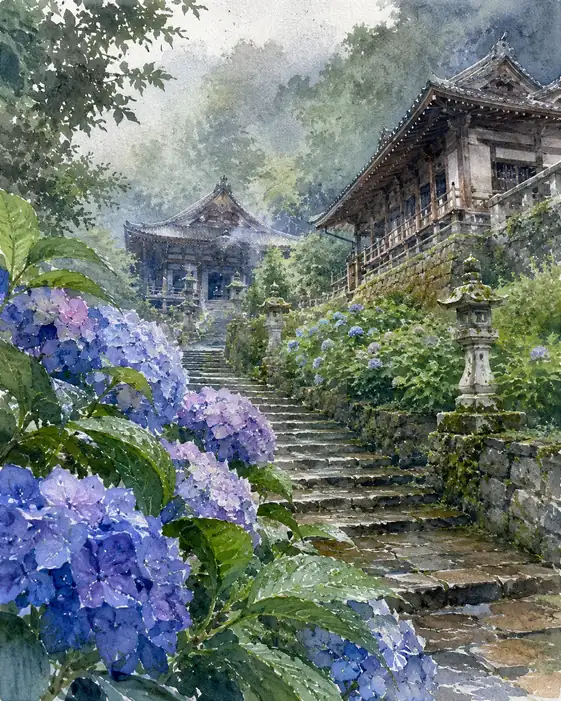 Lullaby in the Azure Rain
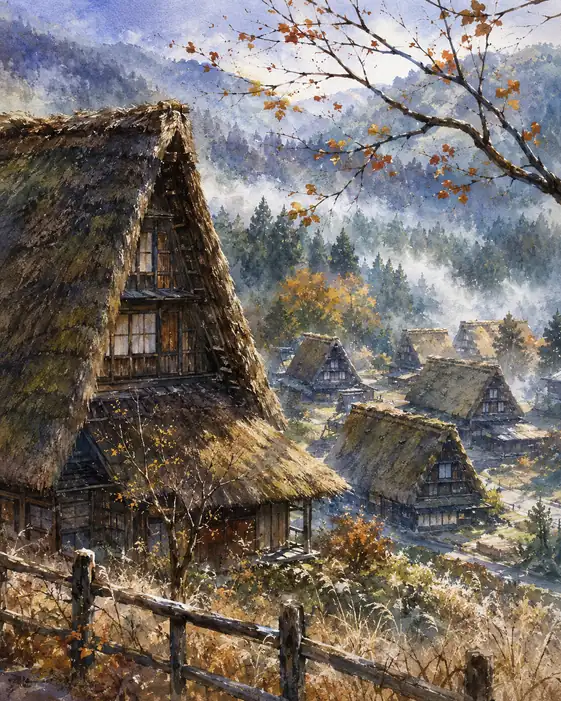 Echoes of the Thatch: A Misty Autumn Memory
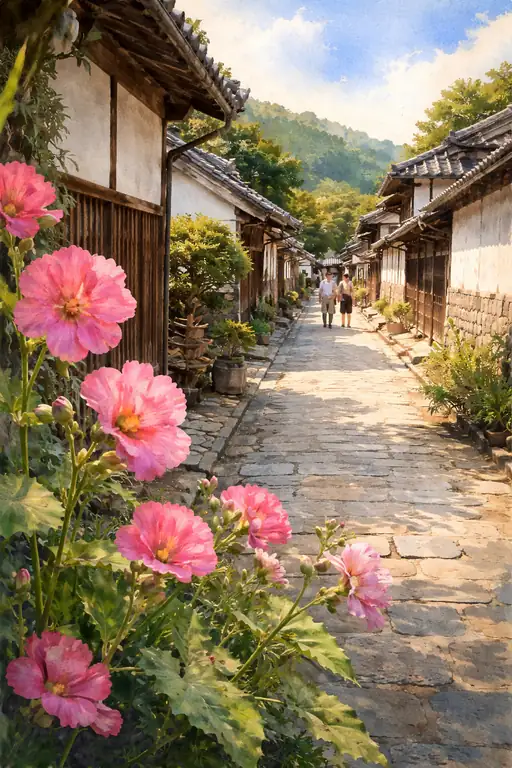 Blossoms of the Nostalgic Path
 Serenity Nurtured by the June Rain
 Pulse of the Ancient Path
 Spring's Quiet Benediction