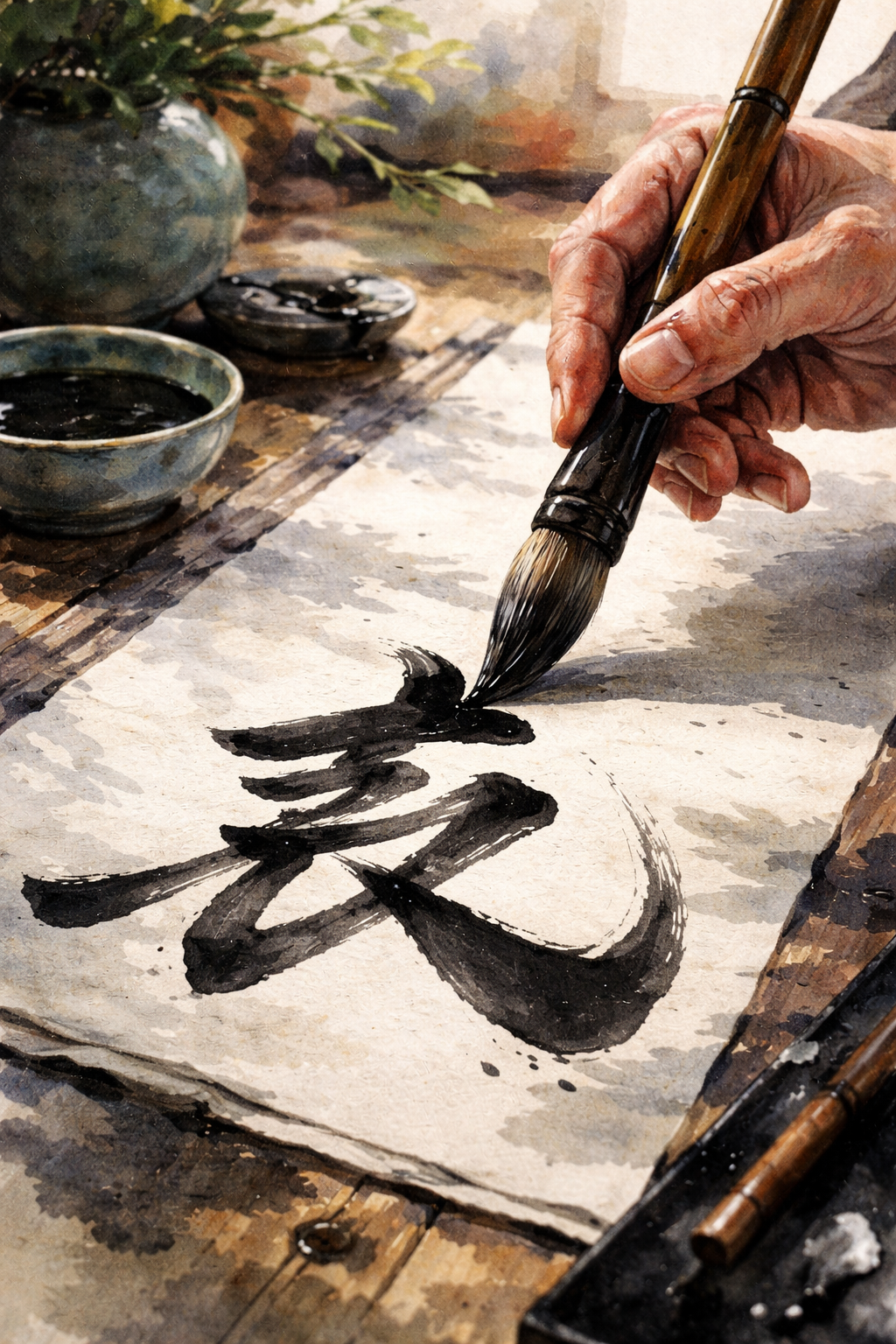
The Soul's Imprint: A Breath in Black Ink
Critique
1. Introduction This evocative painting captures a singular, profound moment in the practice of traditional calligraphy. The work focuses on the immediate aftermath of a brushstroke, emphasizing the physical connection between the artist and the medium. By isolating the hand and the brush against a focused studio background, the painting elevates the act of writing to a performance of spiritual and technical discipline. 2. Description The central subject is an aged, expressive hand gripping a large bamboo brush, its tip still saturated with deep black ink. Below the brush, a bold calligraphic character has been rendered on a sheet of textured paper, complete with intentional splatters and varying ink densities. In the background, muted ceramic bowls filled with ink and a vessel containing green leaves provide context to the creative environment. The scene is set upon a worn wooden surface, illuminated by a soft, natural light that highlights the wrinkles and veins of the hand. 3. Analysis Technically, the painting is remarkable for its contrast between the highly detailed, realistic depiction of the hand and the fluid, expressive nature of the ink. The artist uses a wide range of values to create depth, from the deepest blacks of the calligraphy to the subtle, transparent washes of the paper’s shadows. Intersecting diagonals formed by the brush and paper create a sense of dynamic tension. The focus remains sharp on the brush’s tip, where the ink meets the paper, drawing the viewer’s eye to the point of creation. 4. Interpretation and Evaluation This work can be interpreted as a meditation on the mastery of craft and the transmission of tradition across generations. The realistic portrayal of the elderly hand suggests years of practice and a life dedicated to the art form, while the energetic character conveys a sense of enduring vitality. The painting successfully captures the concept of "qi" or life force within the brushstroke, showing how a static image can suggest movement and intent. The artist’s ability to render complex textures—from weathered skin to coarse brush hair—demonstrates exceptional technical skill and observational power. 5. Conclusion In conclusion, the painting is a powerful tribute to the art of calligraphy, successfully merging realistic portraiture with the abstract beauty of ink work. The initial impression of a simple document of a craft evolves into a deeper appreciation of the focus and energy required for artistic expression. By harmonizing the physical effort of the artist with the fluid result on paper, the work achieves a balanced and emotionally resonant portrayal of the creative process. This work remains a compelling study of the intersection between human touch and traditional art.
Same Subcategory
 Stitches of a Quiet Heart
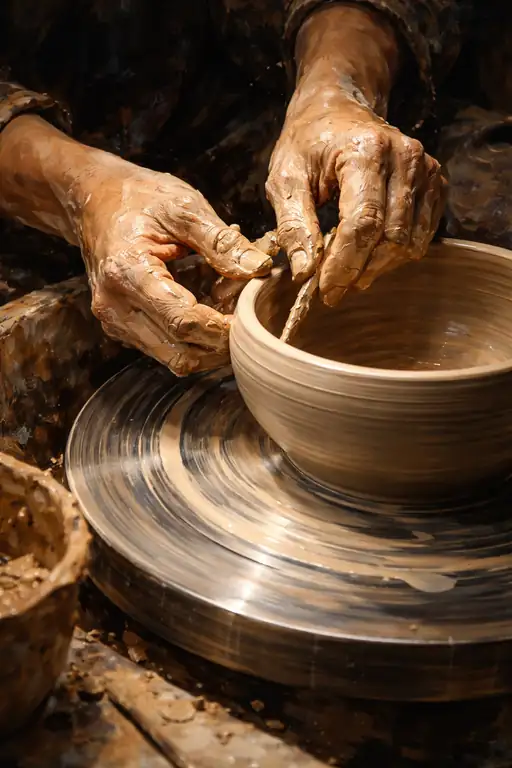 Earthly Genesis: Form from Formless Clay
Similar Artworks
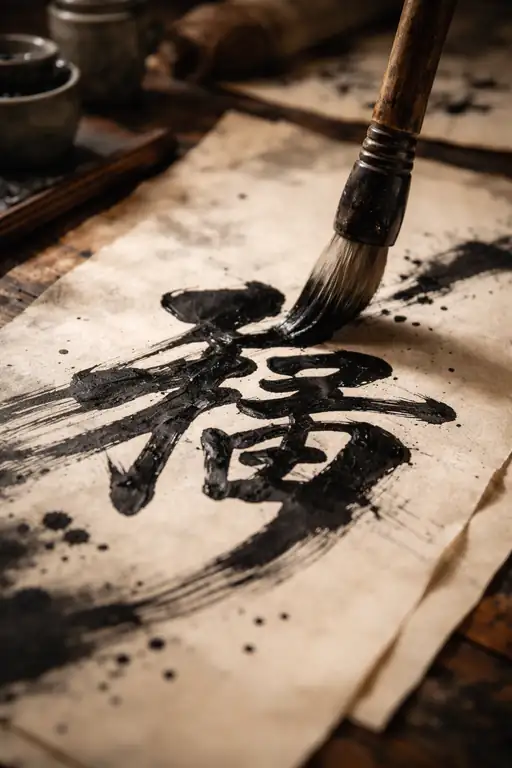 A Timeless Harmony in Monochrome
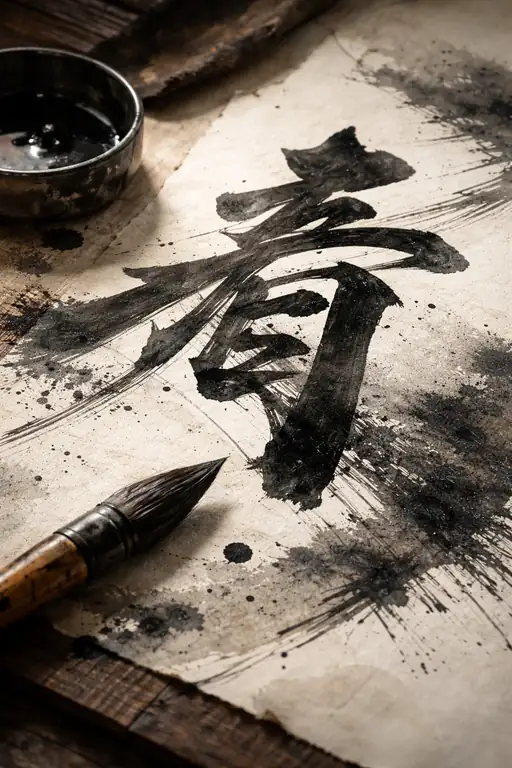 The Gestural Echo of a Fleeting Moment
 Fleeting Elegance: A Sip of Golden Serenity
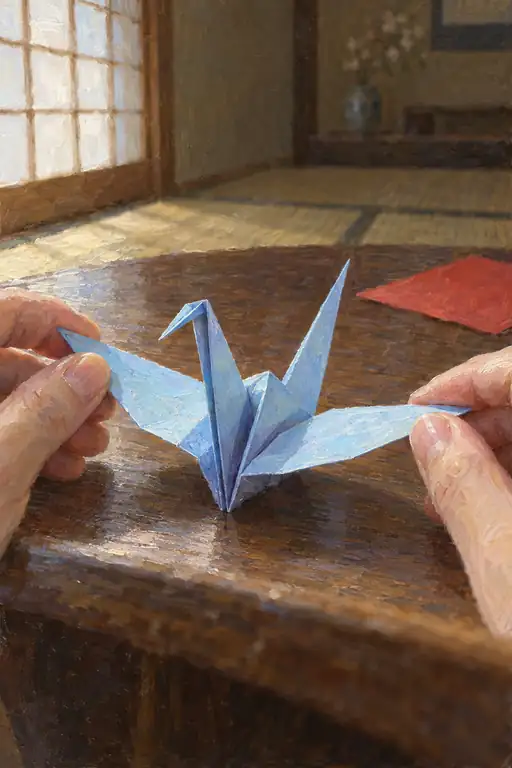 A Little Sky Between My Hands
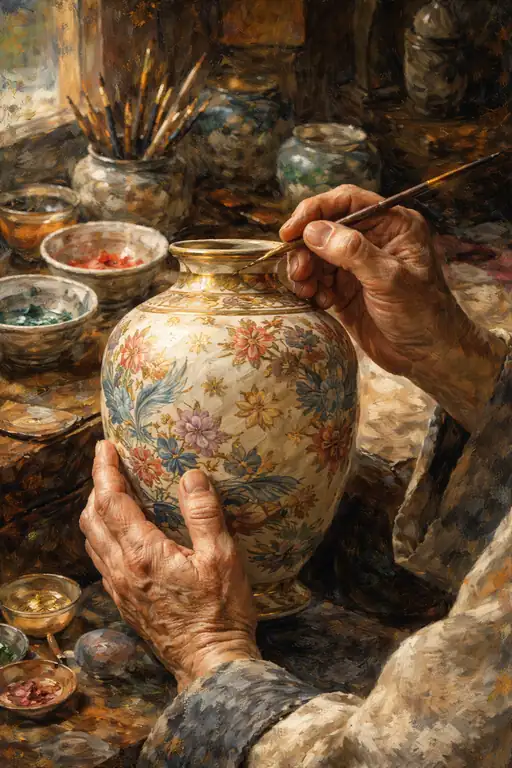 Wisdom in the Clay
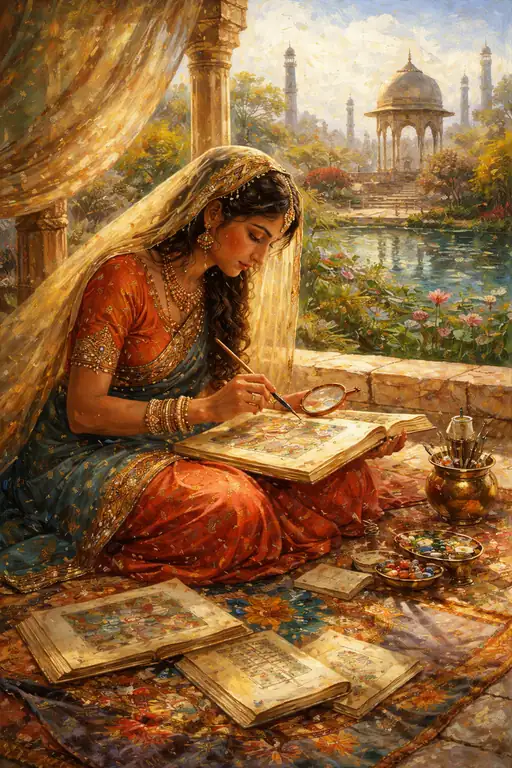 Golden Threads of the Painted Garden
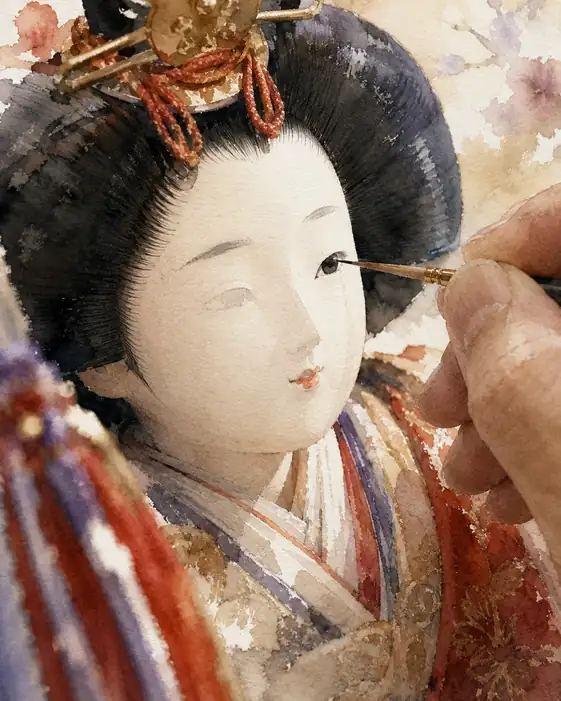 Breathing Soul into the Figure
 Symphony of Threads
 Sailing Seas Within a Glass Bottle
 The Devotion of an Artisan's Touch