
The Baker's Warm Embrace
Critique
1. Introduction This work is a realistic still life painting that focuses on the texture and form of freshly baked croissants. It captures a moment of sensory richness, emphasizing the interplay between light and organic shapes. The artist explores the beauty found in simple, everyday culinary items with a high degree of technical precision, creating a sense of immediate presence. 2. Description Two golden-brown croissants are depicted resting on crumpled brown parchment paper atop a dark, rustic wooden surface. The primary croissant in the foreground is rendered in sharp detail, showing its many flaky layers and a light dusting of flour or sugar on its peaked surface. A second croissant is visible behind it, partially obscured and softly blurred to create a convincing sense of depth. Wisps of steam curl upwards from the warm pastries, and the scene is illuminated by a warm, directional light source from the left. 3. Analysis The composition is built around the horizontal placement of the croissants, which creates a sense of stability and domestic abundance. A low camera angle emphasizes the volume and almost architectural quality of the folded pastry layers. The color palette is rich with earthy tones, including deep browns, ambers, and warm yellows, which are effectively contrasted by the bright highlights where the light hits the crisp edges. Thick, visible brushstrokes in the background contribute to a painterly texture that complements the detailed rendering of the foreground subject. 4. Interpretation and Evaluation The work invites the viewer to appreciate the tactile and olfactory qualities of the scene through its meticulous rendering of steam and flaky surfaces. The choice of a rustic setting suggests a return to traditional, handmade values and the simple pleasures of daily life. The artist demonstrates mastery in capturing the complex geometry of the croissant and the subtle variations of light across different material surfaces. This painting effectively elevates a mundane subject into a celebration of craftsmanship and sensory delight, showing great control over medium and mood. 5. Conclusion By combining rigorous detail with an atmospheric use of light, this piece provides a compelling study of everyday beauty. The viewer's initial attraction to the familiar subject is sustained by the depth of the technical execution and the evocative, warm mood. It serves as a reminder that artistic observation can reveal the extraordinary within the most common objects of our daily existence, providing a lasting impression of quiet harmony.
 Golden Flakes in the Morning Light
 Golden Heart Unbound
 Morning Gold: The Flaky Temptation
 Awakening with Fresh Pastries
 Golden Warmth of the Morning
 Morning Blessing on Crisp Toast
 Sweet Morning Baked with Love
 A Veil of Sweetness
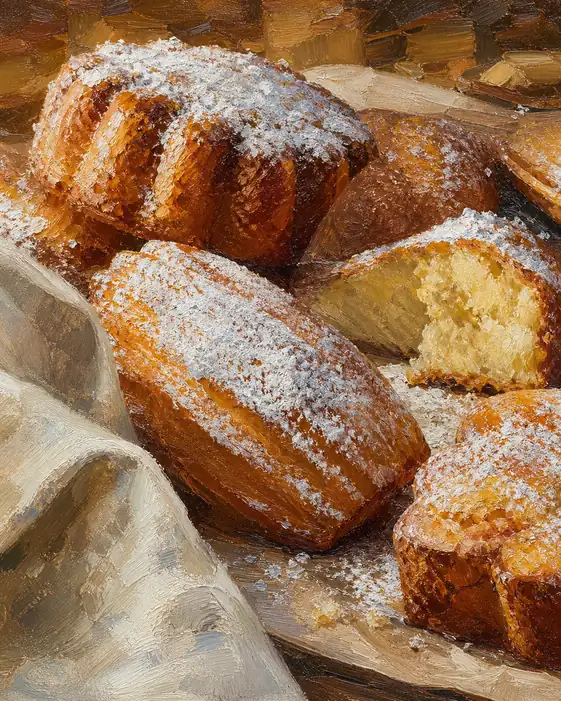 Benediction of the Golden Crust
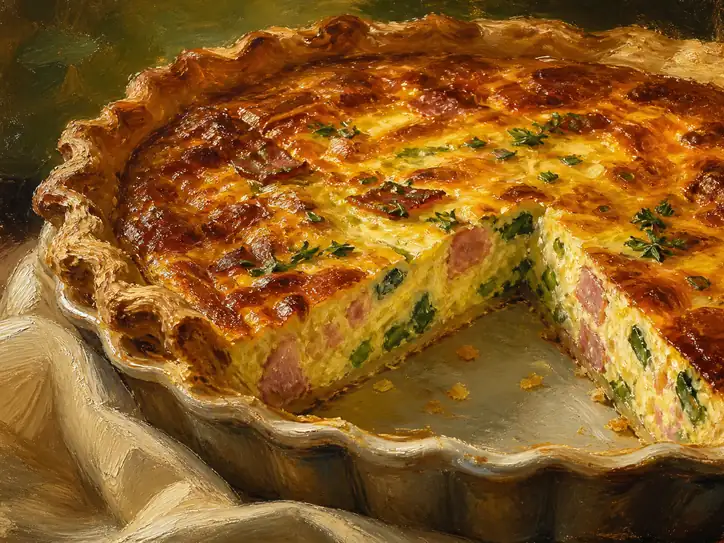 Eternal Warmth on a White Plate
 Whispers of Warmth