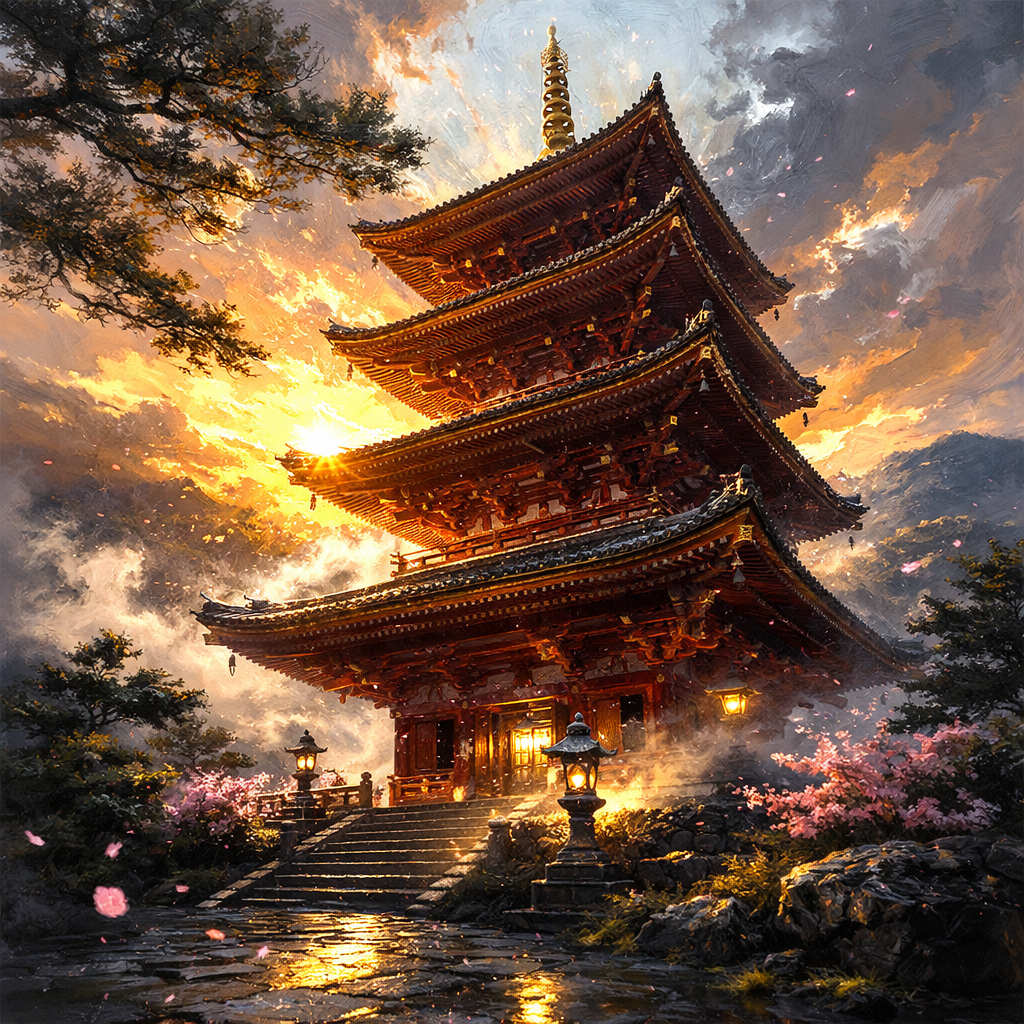
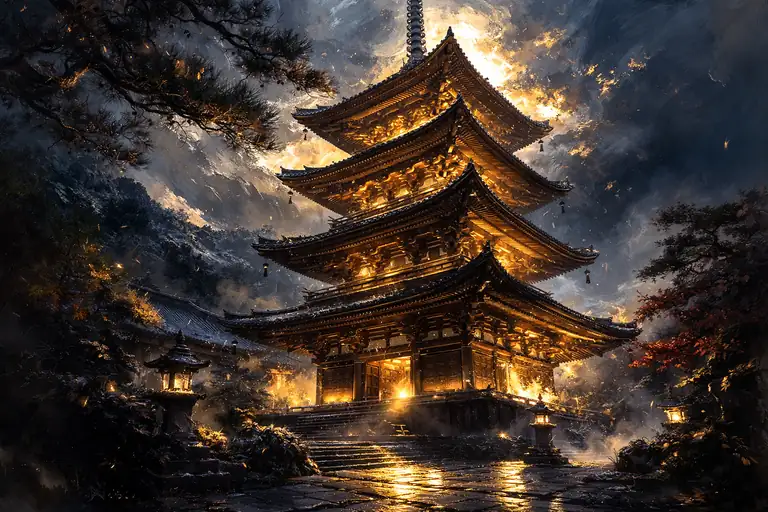
The Fiery Glow of the Sunset Pagoda
Critique
1. Introduction This vibrant painting captures a magnificent five-story Japanese pagoda set against a dramatic and fiery sunset. The composition is dynamic and emotionally charged, utilizing bold brushstrokes and a rich, warm color palette to depict a classic landscape in a moment of extraordinary light. Surrounded by blooming cherry blossoms and shrouded in a soft evening mist, the structure stands as a symbol of cultural endurance and spiritual elevation. The work successfully blends traditional architectural motifs with a modern, expressive painterly style. 2. Description The central pagoda is a dark, multi-tiered wooden structure with intricate eaves, positioned on an elevated stone base accessed by a flight of steps. The sky behind it is a swirling mass of golden yellow, bright orange, and deep gray clouds, with the sun’s last rays bursting from behind the hills. Glowing stone lanterns illuminate the foreground path, which is wet and reflects the intense colors of the sky. Pink cherry blossoms are visible on either side, their petals seemingly caught in a gentle breeze that moves through the misty air. 3. Analysis The artist employs a high-contrast color scheme, where the intense brilliance of the sunset provides a powerful backlight for the solid form of the pagoda. The brushwork is thick and textural, particularly in the rendering of the clouds and the foliage, which adds a sense of movement and energy to the scene. Warm highlights on the edges of the roof tiles and the stone lanterns create a sense of unity between the architectural and natural elements. The perspective is slightly low, which increases the perceived height of the pagoda and emphasizes its monumental presence. 4. Interpretation and Evaluation The juxtaposition of the ancient, stable pagoda with the fleeting, spectacular beauty of the sunset reflects a deep appreciation for the transient nature of existence. The glowing lanterns and the wet reflections suggest a quiet, reflective moment at the end of the day, inviting the viewer into a space of awe and contemplation. Technically, the work is impressive for its bold use of color and its ability to maintain structural clarity amidst a highly expressive and textural background. The artist’s choice to use a more painterly approach rather than a strictly realistic one enhances the emotional impact of the scene. 5. Conclusion In conclusion, the painting is a striking and evocative tribute to traditional Japanese architecture and the sublime beauty of nature. The initial impression of a familiar landmark is transformed into a profound experience of light and color that resonates with the viewer’s emotions. Through this work, the artist demonstrates a masterful ability to capture the essence of a place and a moment in time. Ultimately, it is a powerful and aesthetically rich composition that celebrates both cultural heritage and the enduring power of the landscape.
Same Subcategory
Similar Artworks
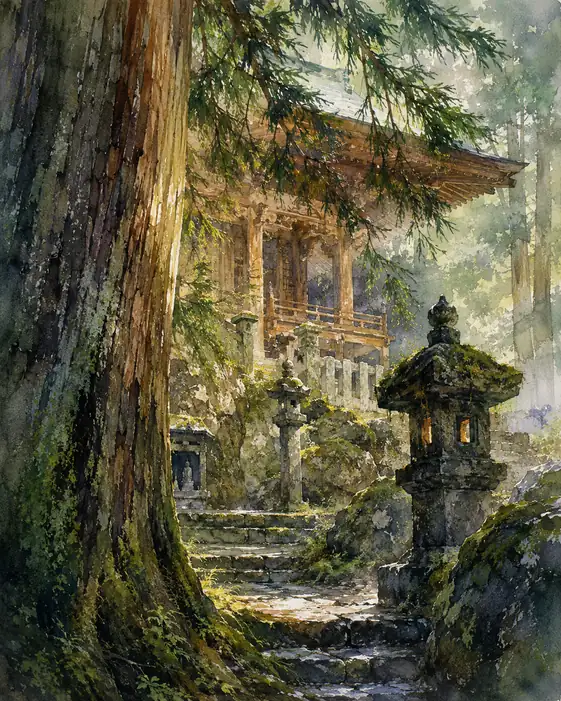 Sanctuary of the Ancient Cedars
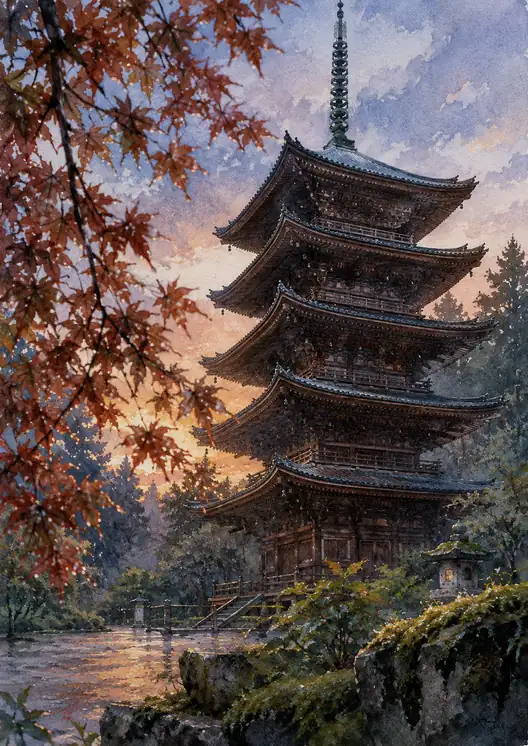 Autumn twilight, the Pagoda’s Silent Prayer
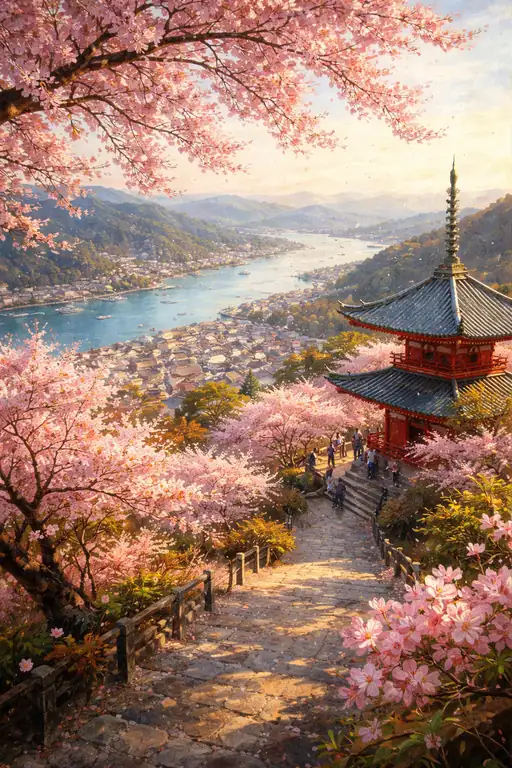 Spring's Radiant Panorama
 The Eternal Sentinel
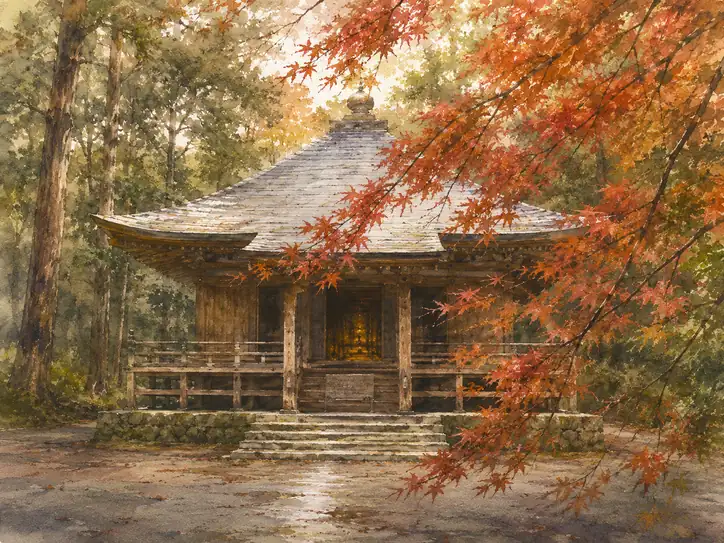 Golden Glow in the Maple Shadows
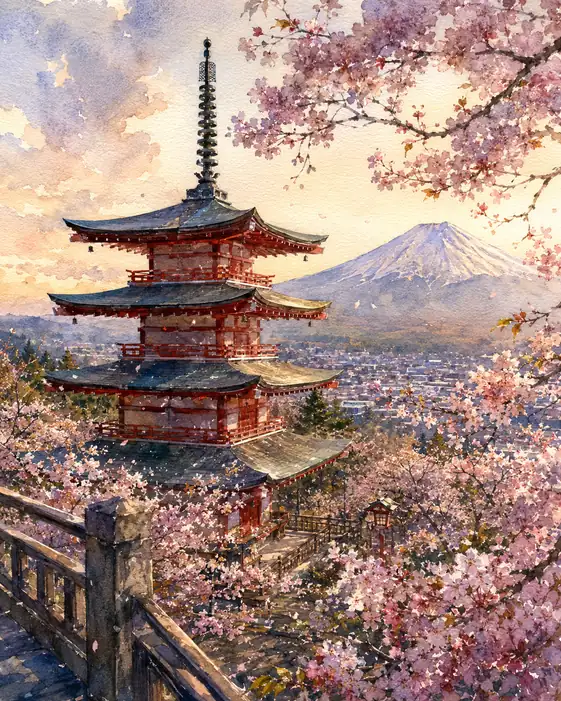 Echoes of the Gilded Spring
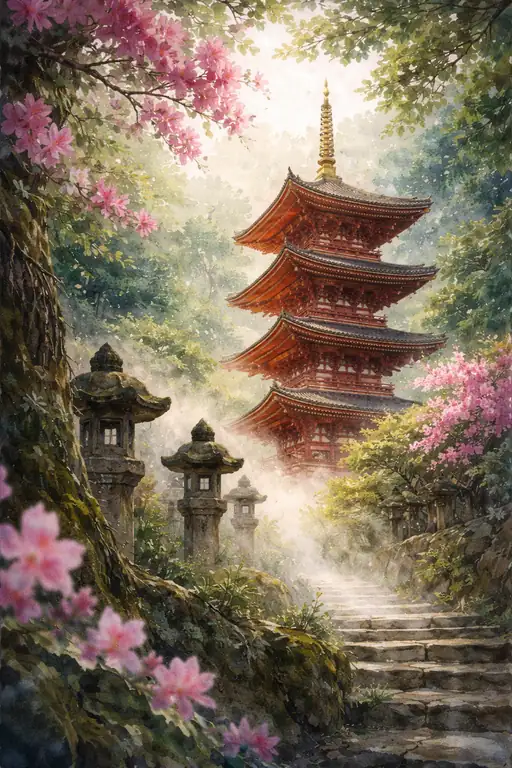 Sacred Pagoda Rising from the Morning Mist
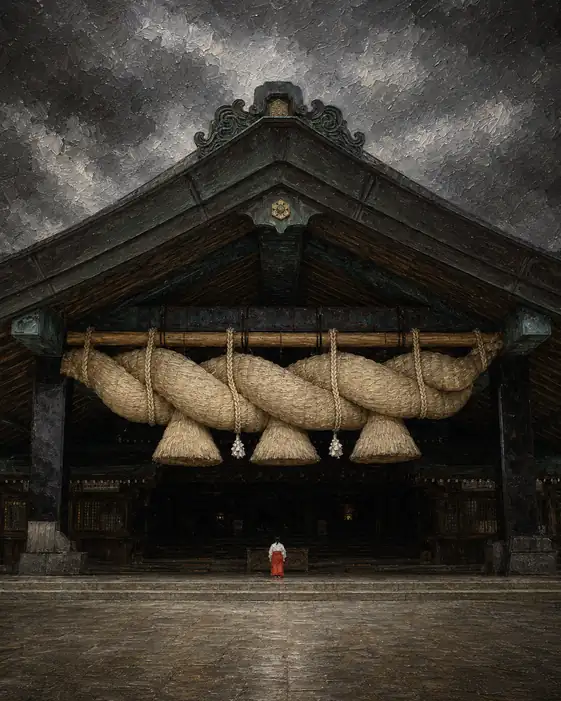 Shrine Maiden under the Storm-Laden Sky
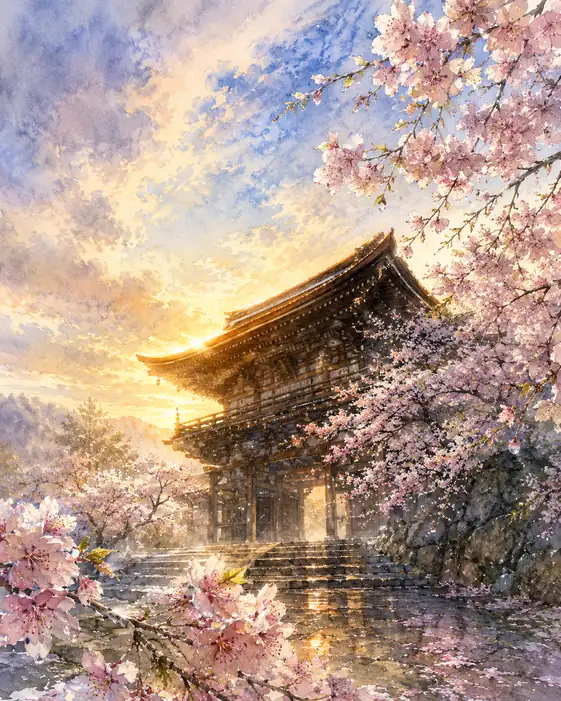 Spring Knocks on the Ancient Gate
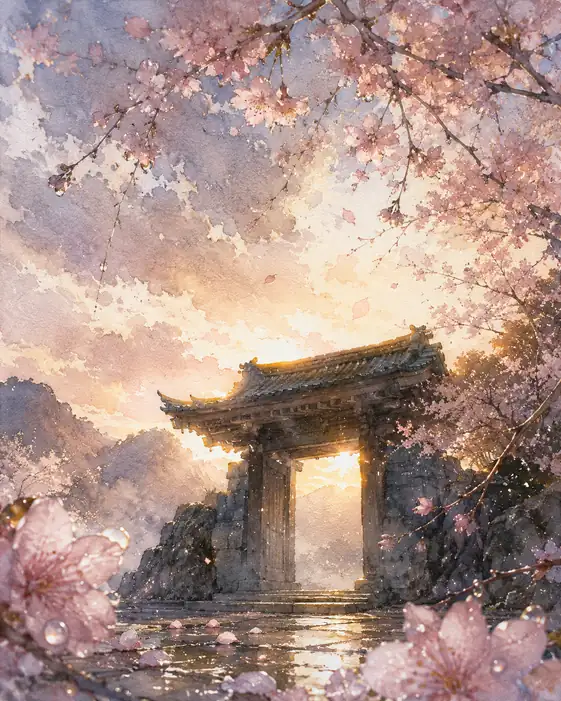 The Gate Opens into Cherry Mist