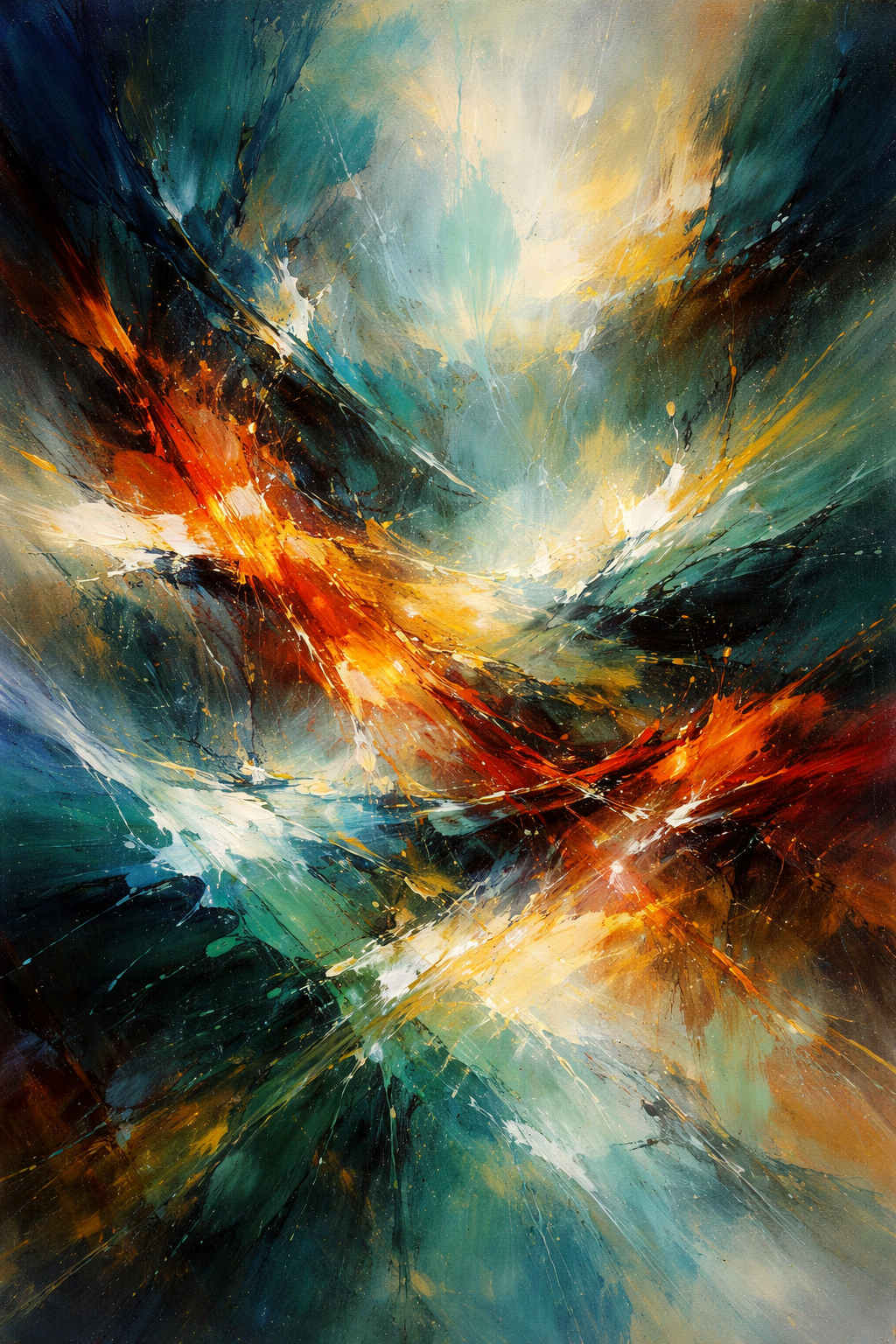
Collision of Flames in the Void
Critique
1. Introduction This abstract expressionist painting is a visceral exploration of color and motion. The composition is characterized by explosive energy and dramatic contrasts, presenting a non-representational space where light and matter seem to collide. It invites the viewer to experience the raw power of visual form through a chaotic yet intentional arrangement of pigment. 2. Description The work features a central axis of fiery orange and red, which cuts diagonally across a background of deep teal and black. Splatters of white and pale yellow create a sense of radiant light, as if emanating from a powerful source. The brushstrokes are long, sweeping, and jagged, with numerous drips and fine lines that suggest a high-velocity application of paint. 3. Analysis The artist employs a high-contrast color scheme to create a profound sense of depth and tension. The warm reds and oranges appear to push forward, while the cool teals and dark blacks recede, establishing a dynamic spatial relationship. The gestural brushwork emphasizes the physical act of painting, conveying a sense of immediacy and emotional intensity through purely formal elements. 4. Interpretation and Evaluation The painting can be interpreted as a representation of cosmic birth, internal conflict, or the pure energy of the natural world. Its success lies in the ability to evoke a strong emotional response without the use of recognizable imagery. The technical control over such a chaotic application of paint is impressive, maintaining a balance between spontaneous action and compositional unity. 5. Conclusion What first appears as a turbulent storm of color eventually reveals a structured harmony of opposing forces. The work serves as a testament to the expressive potential of abstract art, demonstrating how color and line alone can convey complex meanings. It ultimately provides a powerful visual experience that speaks to the fundamental energies of existence.
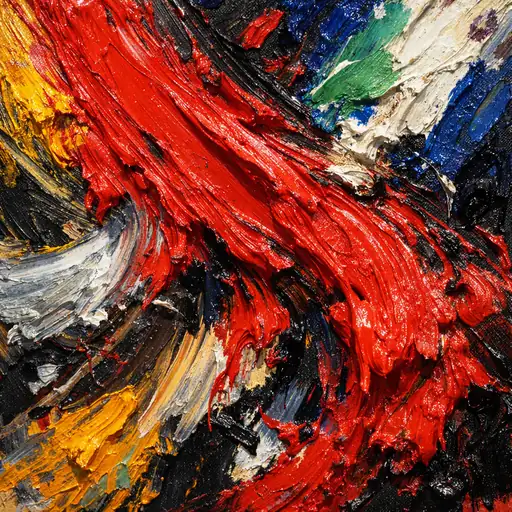 The Pulse of Chaos
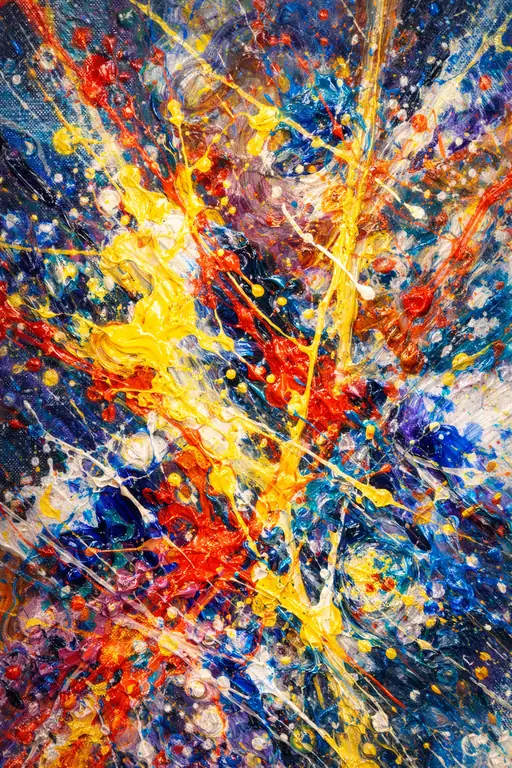 Chaos in Vibrant Hues
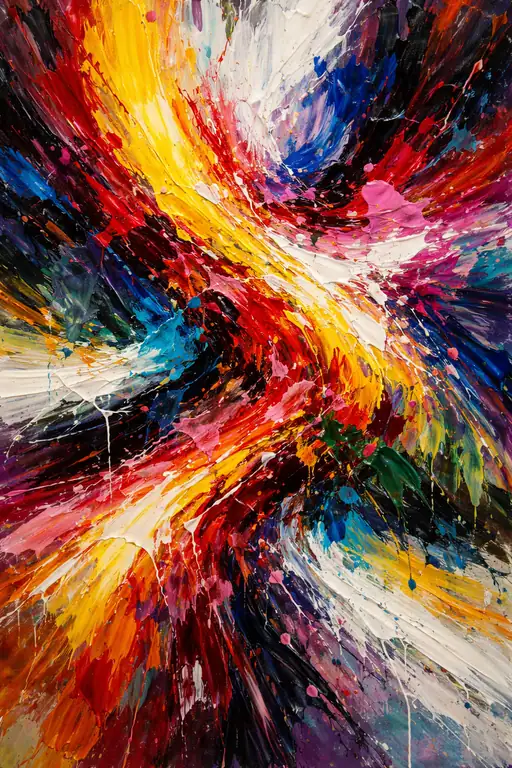 Vortex of the Soul's Palette
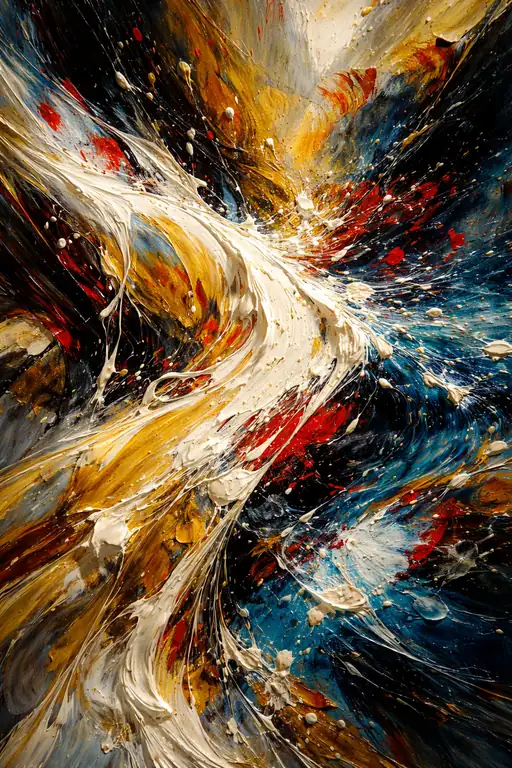 Dynamic Explosion of Energy
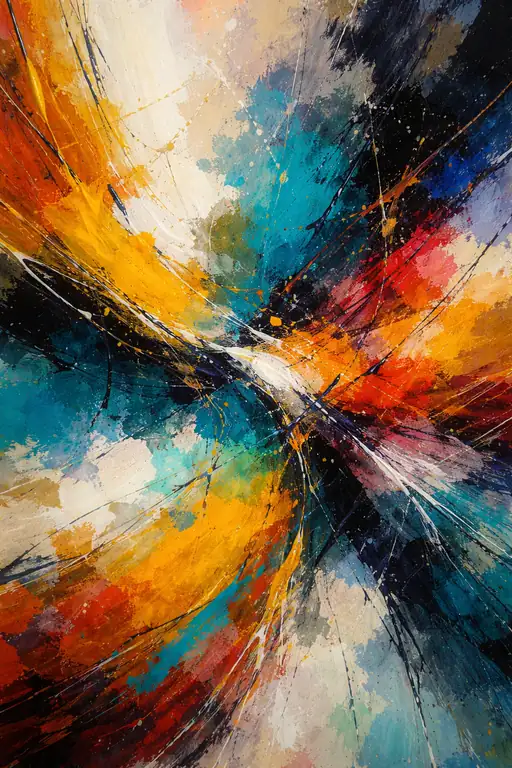 Explosion of Vitality
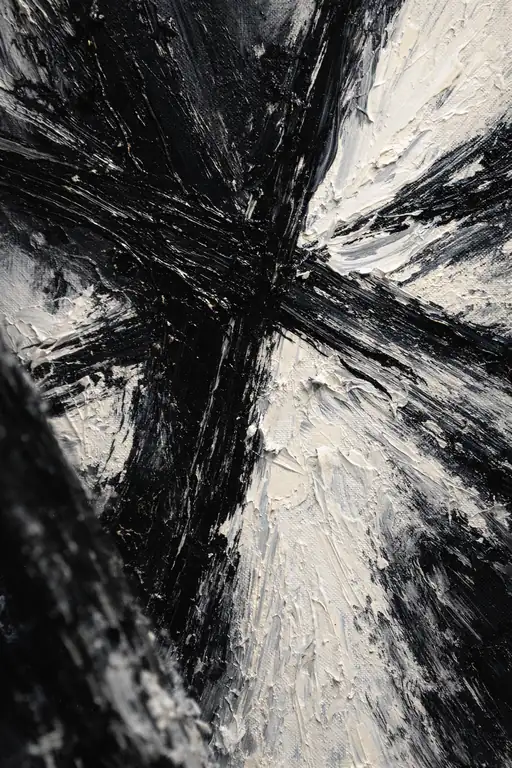 Silence in Monochrome
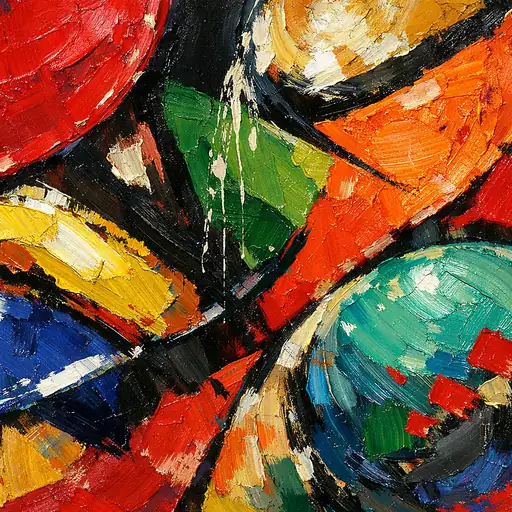 Tears and Tides of Time
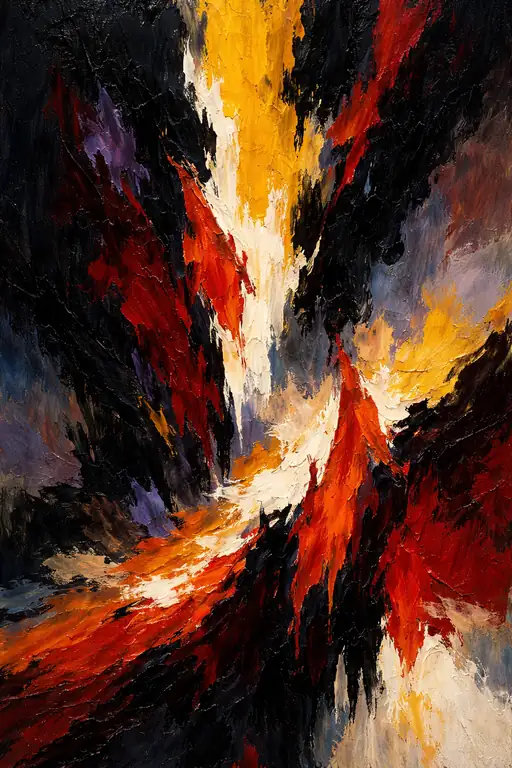 Symphony of Chaos and Color
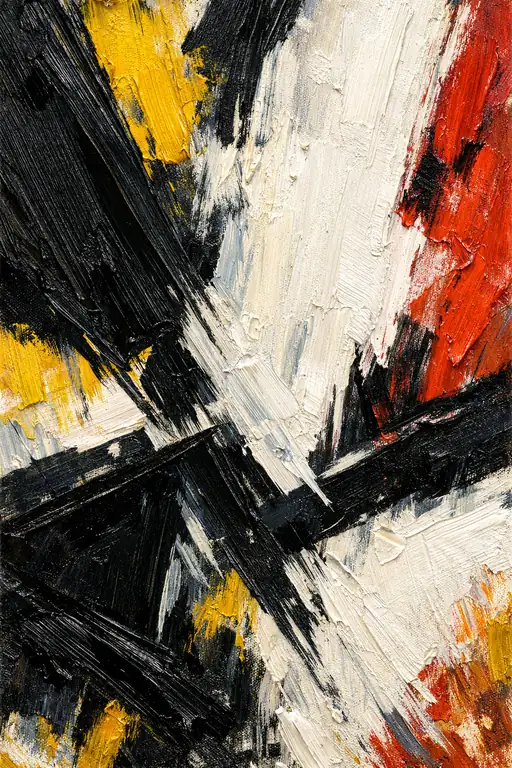 Echoes of Crimson and Gold
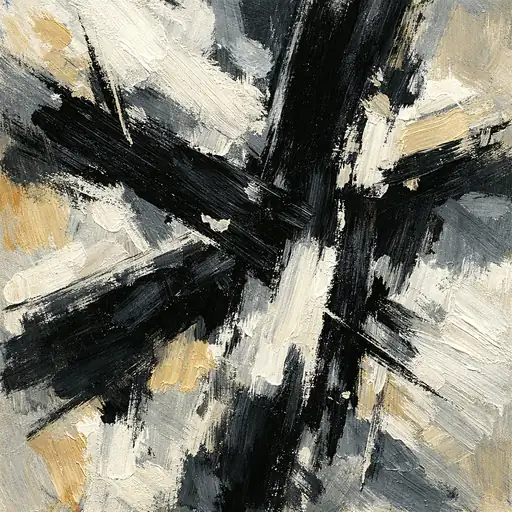 Echoes of a Shattered Soul