
Morning Magic in a Melting Glass
Critique
1. Introduction This work is a still life painting centered on a glass by a window, distinguished by its exceptional depiction of light. An amber liquid, melting ice cubes, and scattered water droplets display complex reflections and refractions under the morning sun. The artist elevates a mundane scene into a dramatic moment through a magical arrangement of light. Combining meticulous realism with an emotional touch, the piece conveys a quiet yet powerful sense of vitality. 2. Description In the center of the composition, a heavy crystal glass filled with amber liquid and ice sits on a wooden windowsill. Melted water from the ice spreads across the wood, with numerous droplets sparkling as they catch the light. A white lace curtain and a leafy branch are positioned to the left, while the background reveals a sun-drenched garden softly rendered in the distance. Prism-like rainbows flash across the wet surface, adding vibrant accents throughout the scene. 3. Analysis A formal analysis reveals high technical skill in capturing the refraction and reflection of light. In particular, the distorted views through the water droplets and the complex caustic patterns cast by the glass lend the image an overwhelming reality. Regarding color, the contrast between the warm golden light and the cool blues found in the glass and background creates a palpable sense of temperature. Smooth brushwork effectively distinguishes the transparency of water from the dry texture of the wood. 4. Interpretation and Evaluation The artwork represents a visual exploration into the essence of light as it passes through, reflects off, and scatters across various surfaces. The artist's descriptive power transcends mere representation, manifesting in the ability to transform the energy of light into a tangible presence. The originality of turning everyday objects into a fantastic scene through prismatic effects is highly commendable. This expression successfully discovers the beauty that exists ubiquitously in our daily surroundings. 5. Conclusion A viewer might initially marvel at the realistic beauty, but they are gradually drawn to the delicate gradations of light and the quiet sense of time. By following the tradition of still life painting while pursuing optical reality, the technique presents new possibilities for visual art. Ultimately, this piece is an excellent work filled with complete expression, perfectly capturing the sublime drama of light hidden within the ordinary aspects of life.
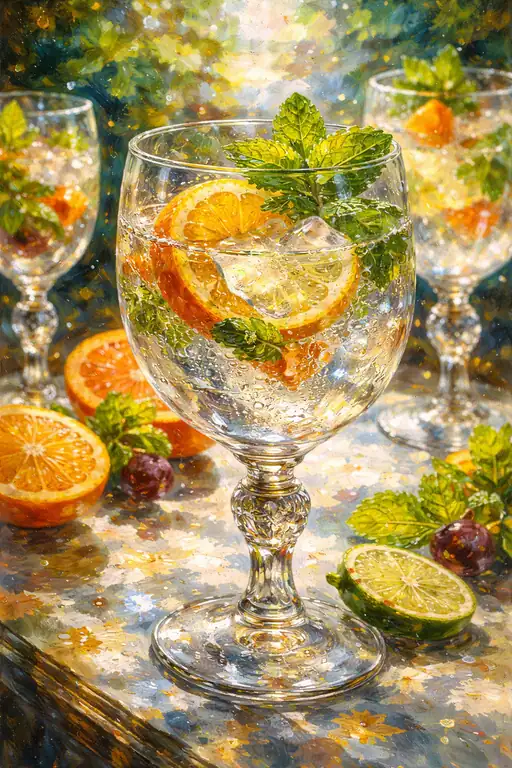 Dewdrops of a Summer Afternoon
 Symphony of Citrus and Ice
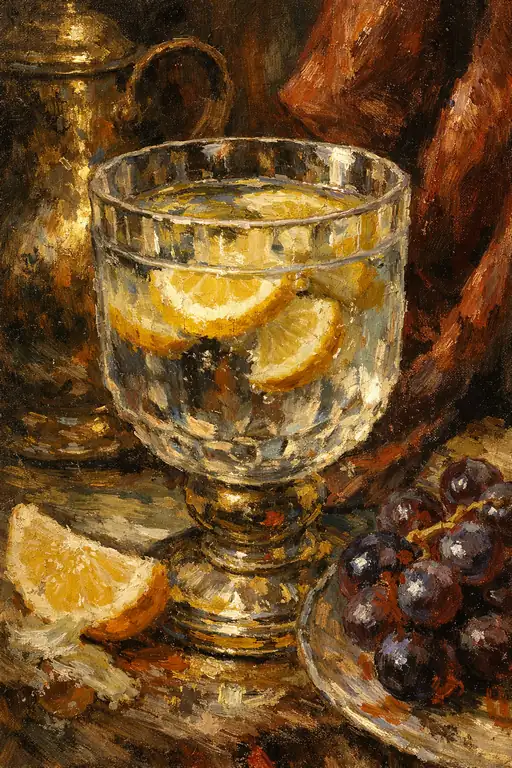 Crystal Clarity
 The Silent Song of Sunset
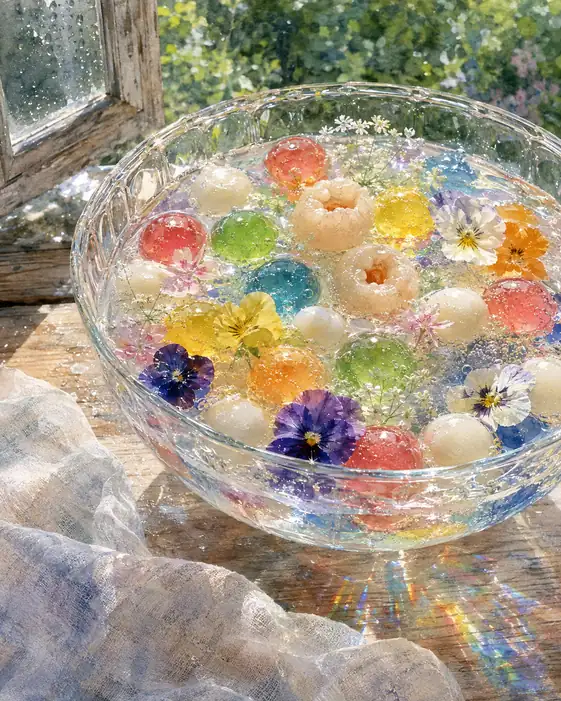 Summer Floats in a Bowl of Rainbows
 Chilled Amber in the Afternoon Sun
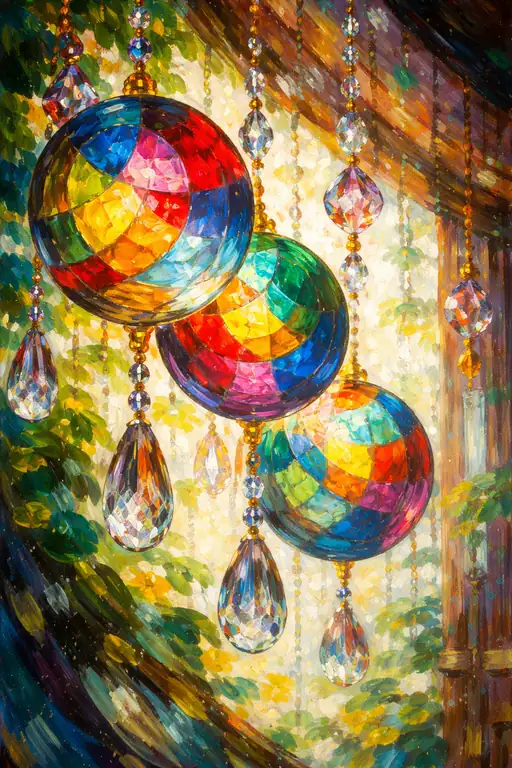 Prismatic Melodies of a Summer Afternoon
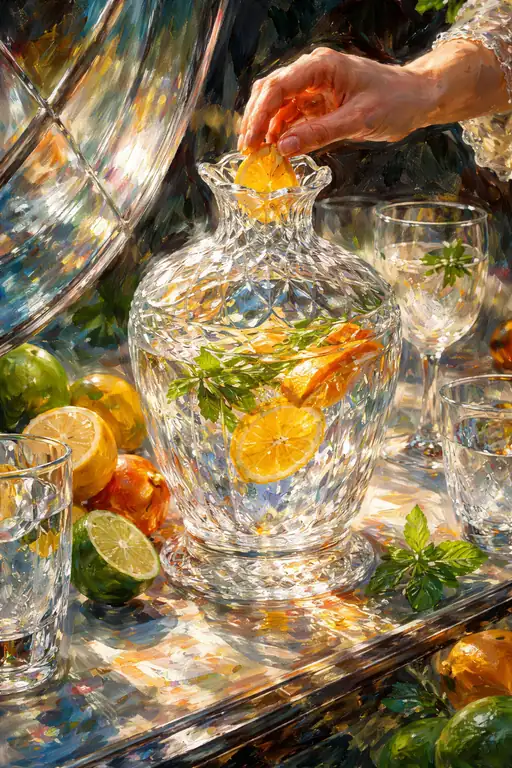 Sunlit Splash of Summer
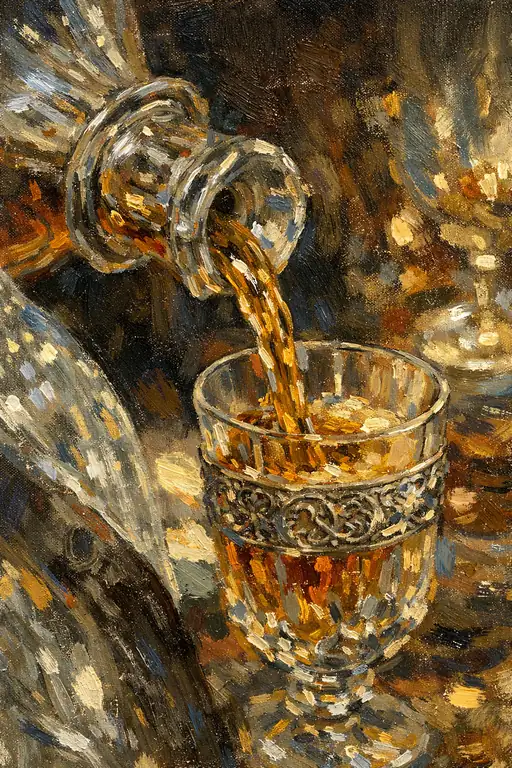 The Golden Pour of Twilight
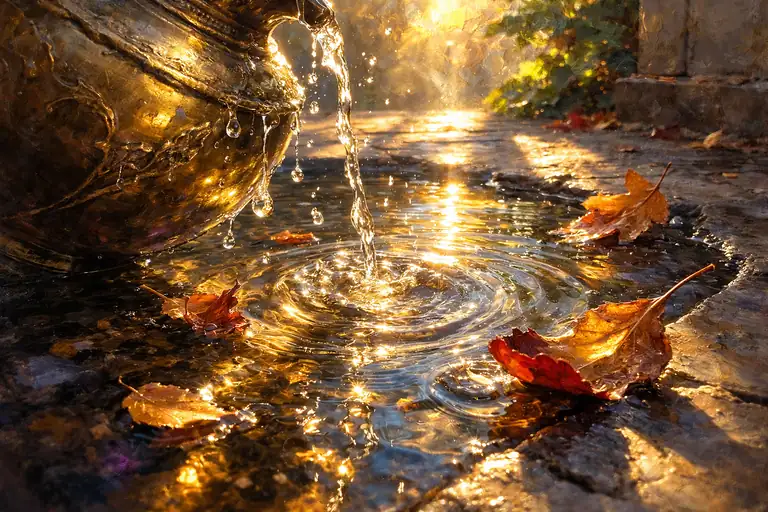 Golden Tears on Autumn's Stage
 Caress of the Evening Sun's Lace