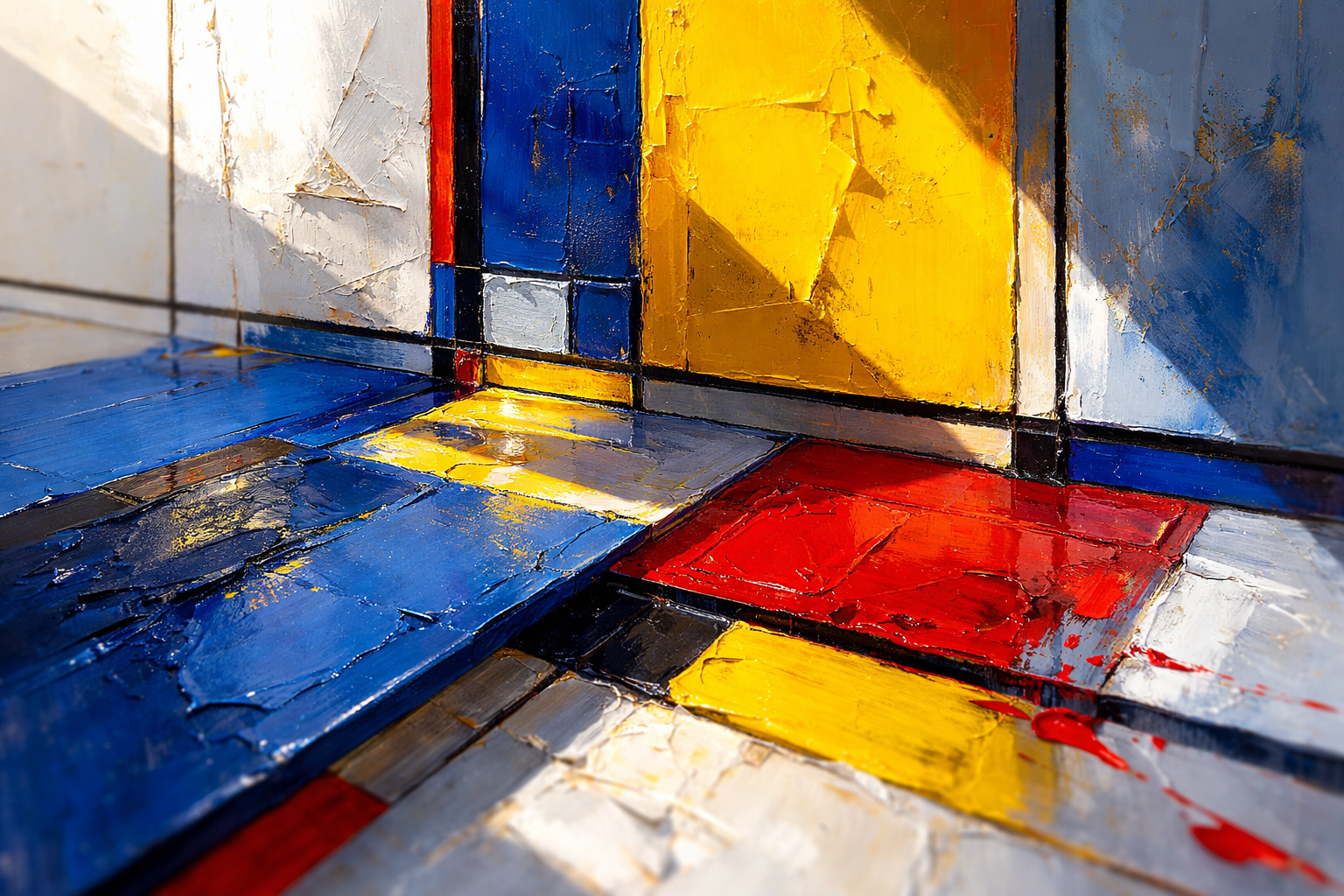
Symphony of the Concrete Soul
Critique
1. Introduction This striking abstract work reimagines the principles of Neoplasticism through a lens of raw, physical materiality. By applying a three-dimensional perspective to the traditional primary color palette, the artist creates a sense of architectural space. The work explores the tension between the purity of geometric abstraction and the visceral reality of heavy, textured paint. 2. Description The composition features a series of intersecting rectangular planes in bold red, yellow, blue, and white, divided by thick black lines. Unlike traditional flat abstractions, these planes are depicted with a strong sense of depth and perspective, suggesting the corner of a structured environment. The surface is characterized by intense impasto, with visible cracks, ridges, and layered applications of paint that catch the light. 3. Analysis The artist utilizes a limited but powerful palette to establish a rigorous organizational logic. The use of shadow and highlight on the textured surfaces transforms the two-dimensional grid into a sculptural relief. The thick, expressive brushwork contrasts sharply with the rigid linear structure, introducing a human, almost chaotic element into an otherwise disciplined and mathematical framework. 4. Interpretation and Evaluation This piece successfully bridges the gap between the intellectual idealism of early 20th-century abstraction and a more contemporary obsession with surface and process. The technical execution of the impasto creates a fascinating tactile quality that invites the viewer to consider the painting as a physical object rather than a mere image. It is a highly original interpretation of a classic style, demonstrating significant creative courage. 5. Conclusion While initially appearing as a tribute to the De Stijl movement, the painting reveals a profound interest in the physical properties of its medium upon closer inspection. The interaction between light and the rugged terrain of the paint adds a dynamic layer of complexity to the geometric arrangement. Overall, the work is a compelling fusion of structural order and material entropy, achieving a unique aesthetic balance.
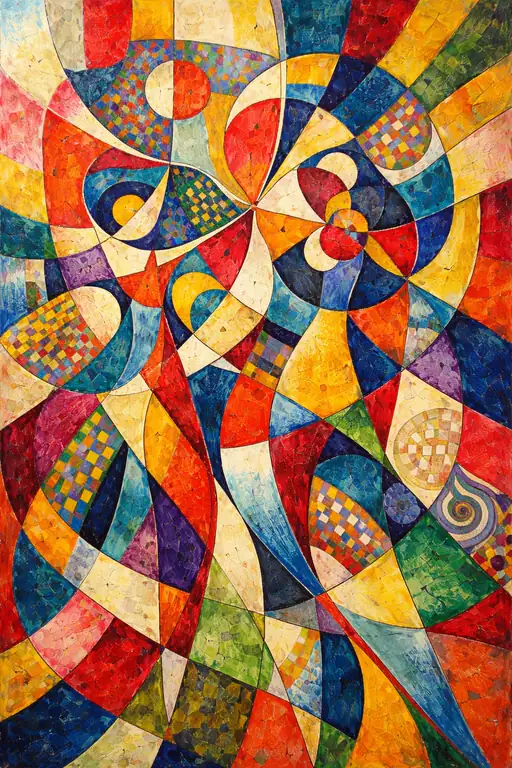 Rhapsody in Geometric Fire
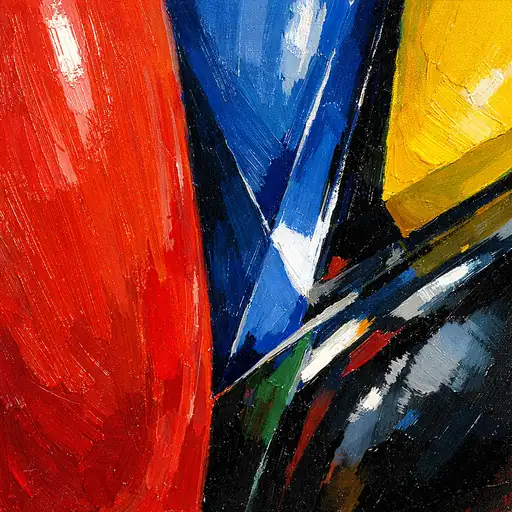 Collision of Primary Truths
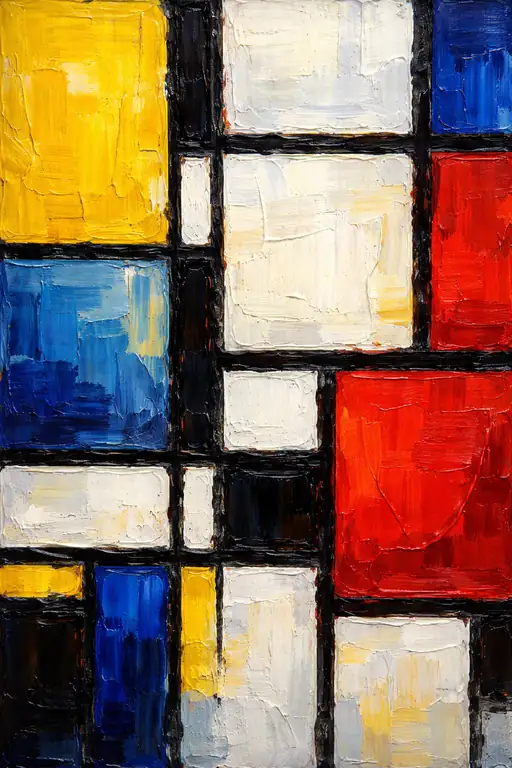 Order and Impulse
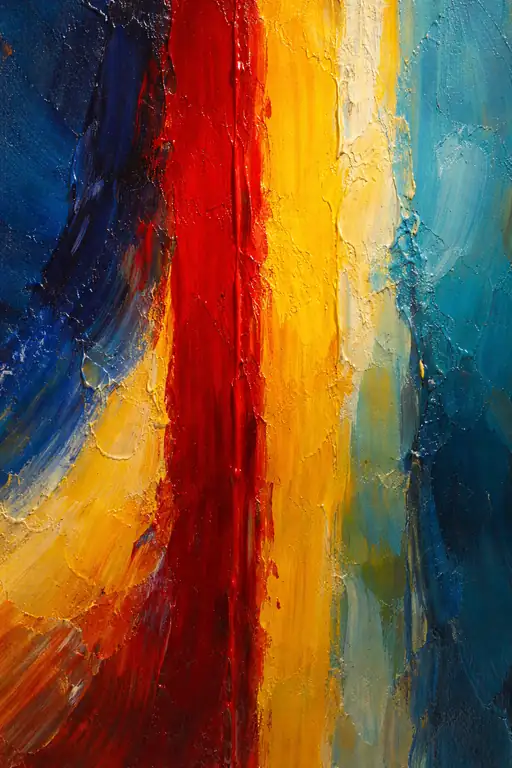 Echoes of the Abstract Mind
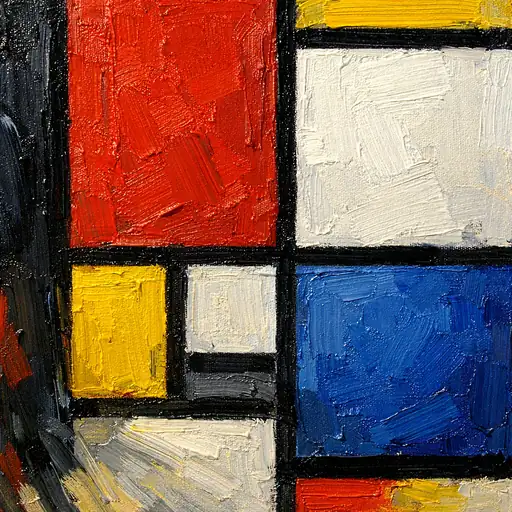 Equilibrium within the Primary Grid
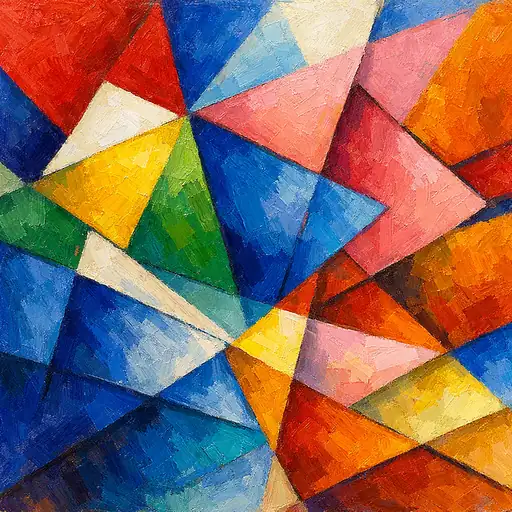 Colorful Abstract Geometry of Triangles
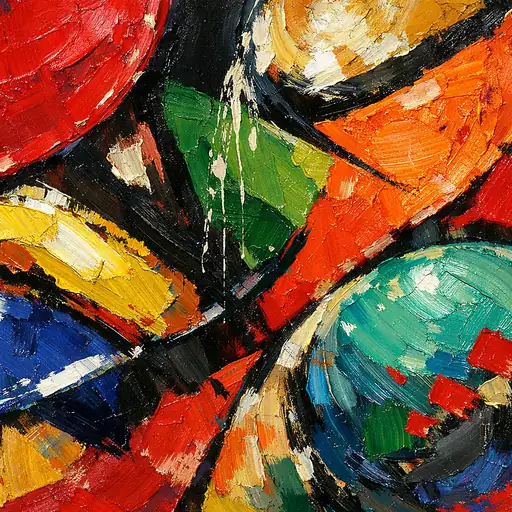 Tears and Tides of Time
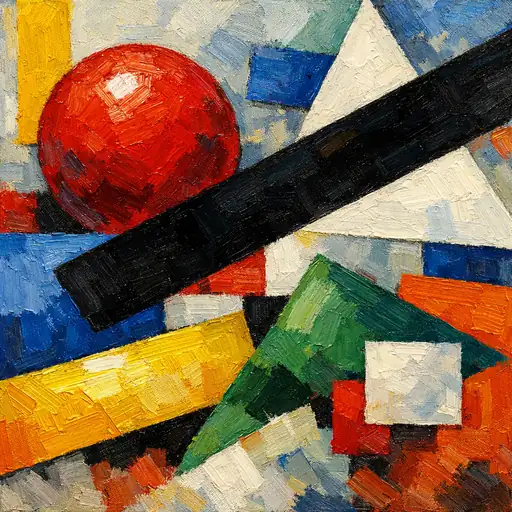 Suprematist Intersection of the Void
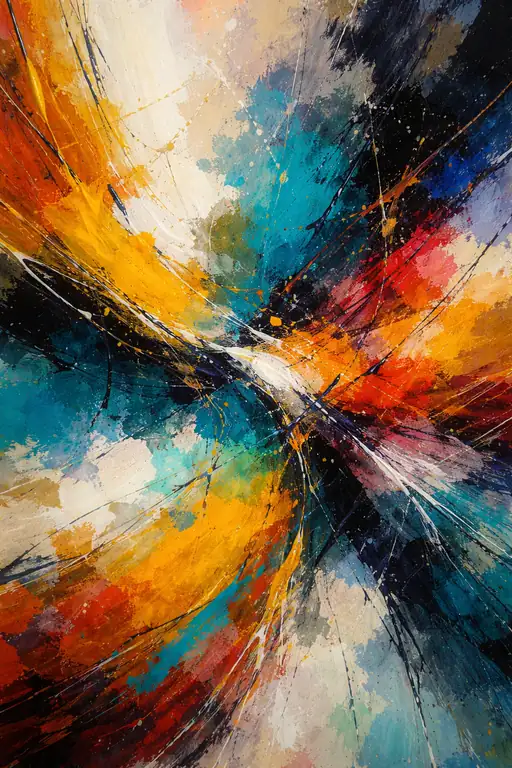 Explosion of Vitality
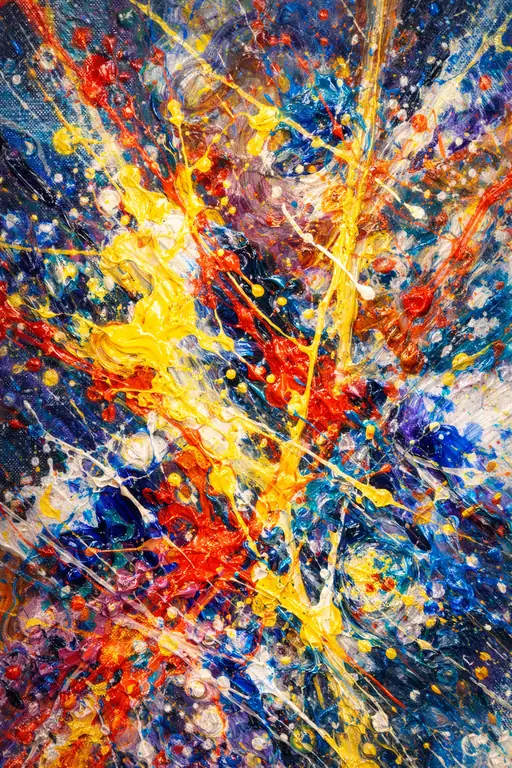 Chaos in Vibrant Hues