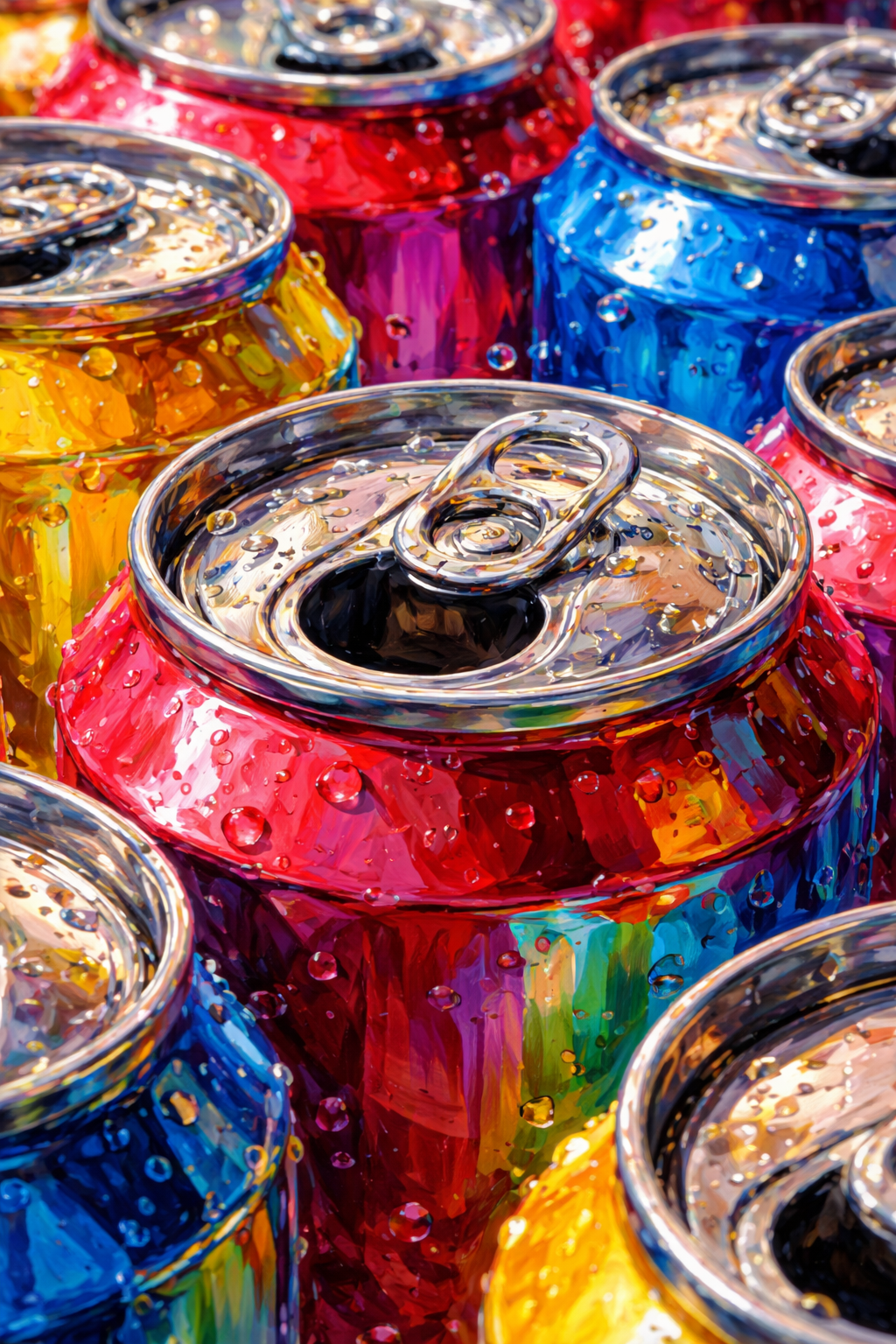
Echoes of a Vibrant Thirst
Critique
1. Introduction This vibrant painting presents a close-up, repetitive study of aluminum beverage cans, rendered with an almost tactile intensity. It explores the aesthetics of everyday consumer objects through a lens of heightened color and texture. The work successfully transforms a mundane subject into a compelling visual exploration of light, reflection, and mass production. 2. Description The composition is filled with multiple soda cans in primary and secondary colors, including bold red, brilliant blue, and sun-yellow. Each can is covered in realistic condensation droplets, with the focus particularly sharp on the metallic ring-pull mechanisms at the top. The cans are packed closely together, creating a rhythmic pattern that extends beyond the frame of the image. 3. Analysis The artist employs a highly saturated color palette and dynamic, painterly brushstrokes that give the metallic surfaces a shimmering, multi-faceted appearance. The use of white highlights effectively simulates the reflective quality of aluminum and the translucency of water droplets. This interplay between the rigid geometry of the cans and the organic, irregular shapes of the moisture adds visual complexity to the work. 4. Interpretation and Evaluation This piece can be interpreted as a modern take on the classic still life, reflecting the ubiquity of commercial products in contemporary life. The technical skill required to capture the varied reflections and the minute details of the condensation is exceptional. By elevating these disposable items to the status of art, the painting encourages the viewer to find beauty in the industrial and the ordinary. 5. Conclusion Initially, the painting appears as a simple exercise in Pop Art aesthetics, but further observation reveals a sophisticated understanding of surface and light. It eventually serves as a reminder of the artistic potential found in the objects that surround us daily. This realization shifts the viewer's focus from the product itself to the remarkable craftsmanship used to represent its physical presence.
Same Subcategory
Similar Artworks
 The Lens That Loved the Light
 Luminous Whispers in Glass
 The Heartbeat of Creation
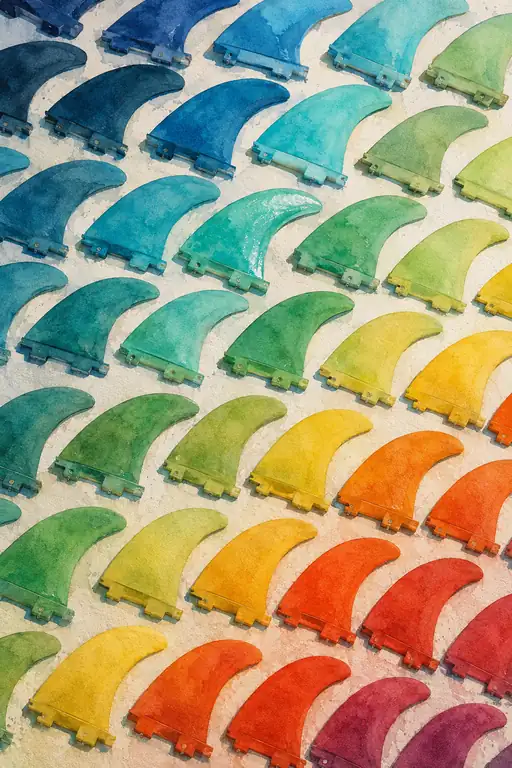 Rainbow Rhythms on the Summer Sand
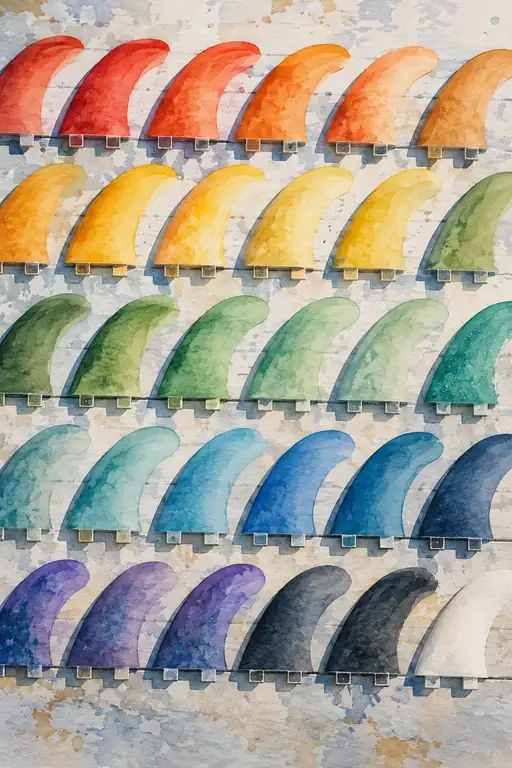 Specimens of the Tide
 The Luminous Banquet of Celebration
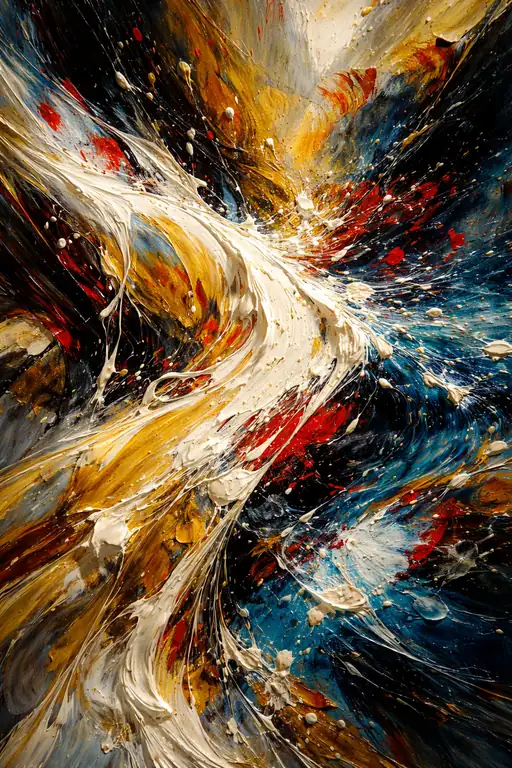 Dynamic Explosion of Energy
 The Vibrant Pulse of the Artist's Soul
 A Rainbow Journey to the Horizon
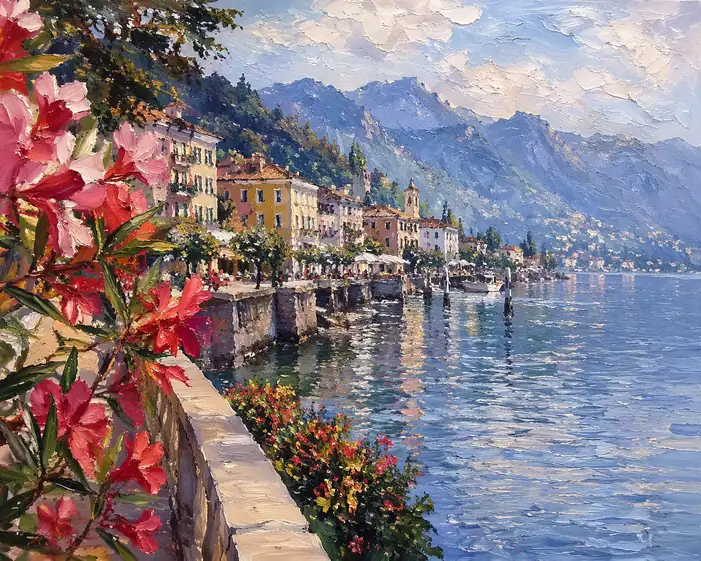 The Sunlit Joy of the Lake