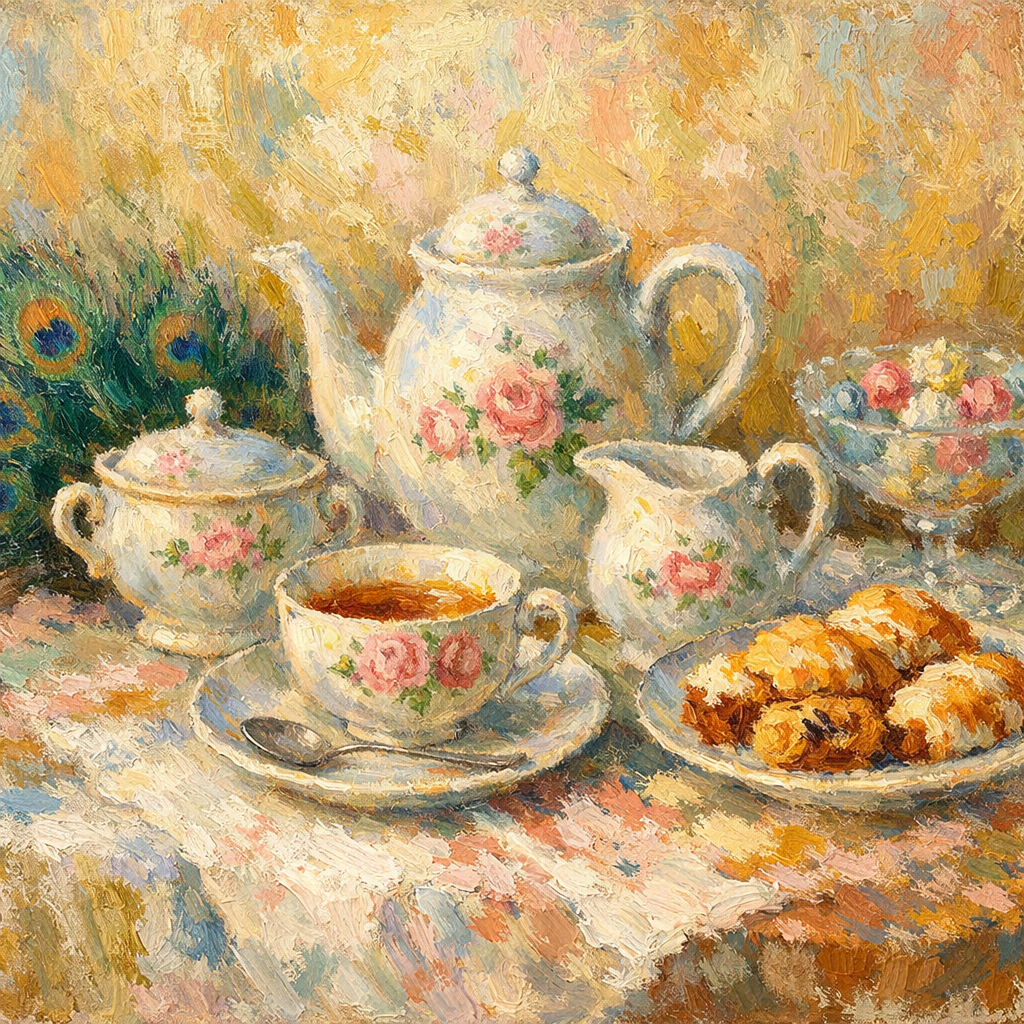
Afternoon Light on Rose Porcelain
Critique
1. Introduction This oil painting presents a bright and inviting still life scene, capturing a traditional tea service set against a luminous background. The composition features floral-patterned porcelain and an assortment of pastries, rendered with energetic and visible brushstrokes. Through its celebration of a quiet, domestic moment, the work explores the interplay of light and texture in an everyday setting. 2. Description The central focus of the work is a large white teapot decorated with pink roses, surrounded by a matching sugar bowl, creamer, and a teacup filled with amber tea. To the right, a plate holds several golden-brown pastries, while a crystal glass bowl is filled with colorful sweets. In the background, vibrant peacock feathers provide a touch of exotic color, contrasting with the soft, dappled light that fills the rest of the canvas. The entire arrangement rests upon a tablecloth that reflects the multifaceted colors of the environment. 3. Analysis The artist employs an impressionistic technique characterized by short, thick dabs of paint that create a highly tactile surface. The color palette is dominated by warm yellows, soft pinks, and brilliant whites, conveying a sense of sun-drenched warmth. Light appears to dissolve the edges of the objects, blending them into the vibrant atmosphere. The composition is balanced yet dynamic, with the diagonal placement of the teacup and the plate of pastries guiding the viewer’s eye through the rich textures of the scene. 4. Interpretation and Evaluation This painting can be interpreted as an homage to the simple pleasures of domestic life, where the act of tea drinking becomes a sensory experience. The use of thick impasto elevates these mundane objects into a celebration of light and color, emphasizing the physical presence of the paint itself. The artist's ability to capture the translucency of the tea and the delicate patterns of the porcelain demonstrates high technical proficiency. The overall mood is one of serenity and abundance, inviting the viewer to appreciate the beauty found in fleeting, quiet moments. 5. Conclusion In conclusion, the work successfully captures the essence of a tranquil afternoon tea through its masterful application of light and color. The initial impression of a simple tea set evolves into an appreciation of the complex brushwork and the artist's sensitive rendering of atmosphere. This piece serves as a vibrant example of how traditional still life subjects can be revitalized through a bold, impressionistic approach.
Same Subcategory
 A Celebration of Autumnal Stillness
Similar Artworks
 The Golden Bloom of Afternoon Serenity
 A Warm Embrace in Porcelain
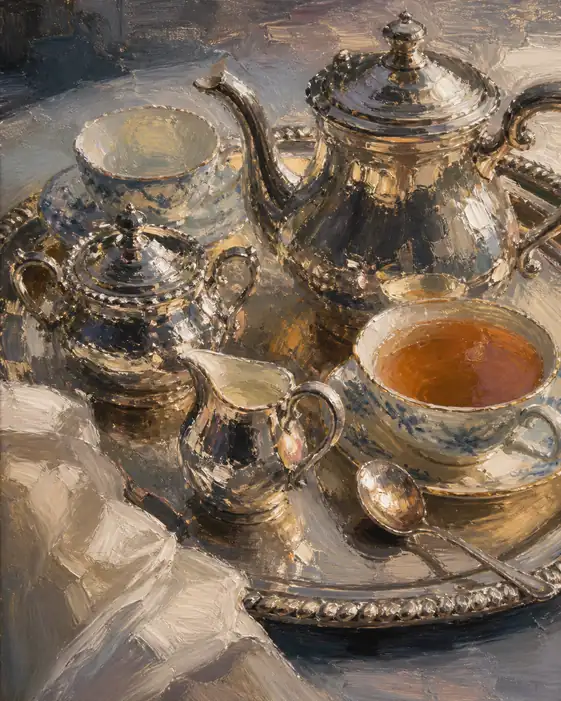 An Afternoon Written in Silver
 Morning Solitude Reflected in Silver
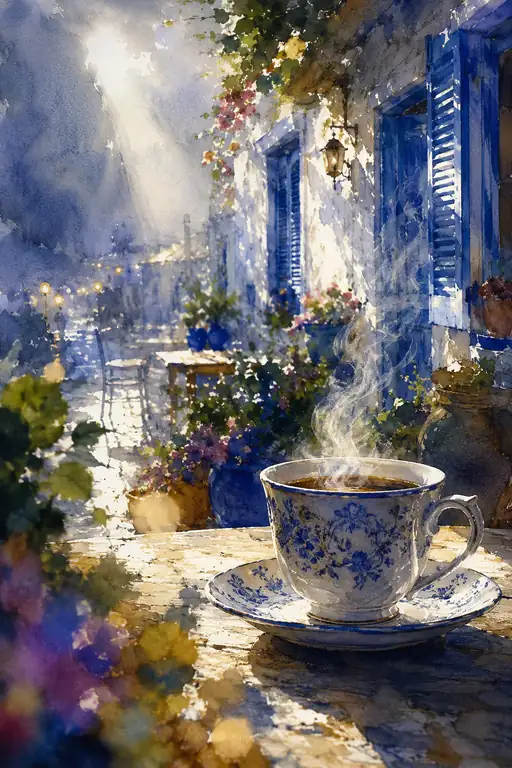 Raindrop Reflections by the Cobalt Door
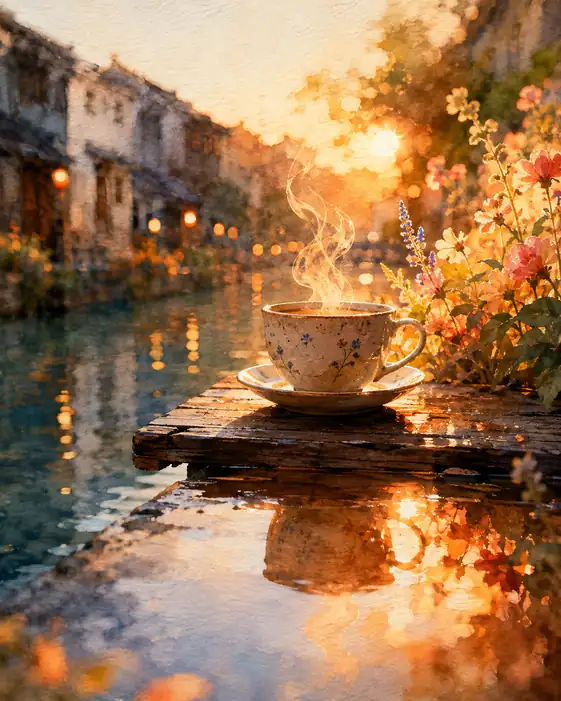 The Cup That Kept the Last Golden Hour
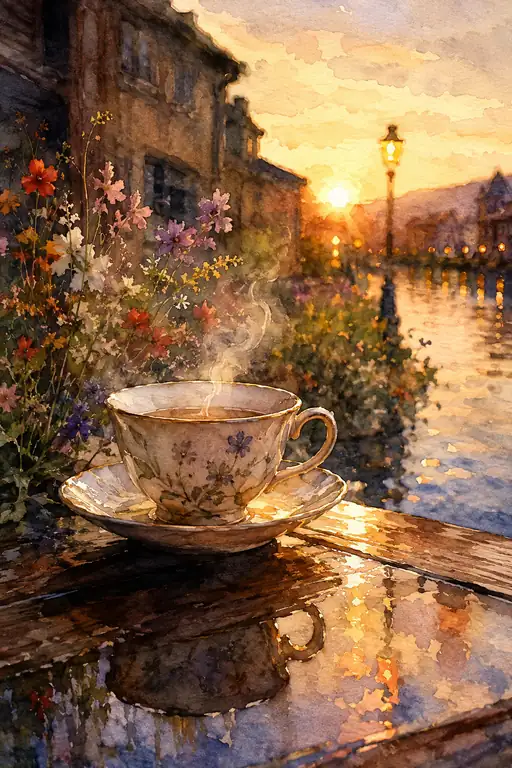 Tea Steaming at the Edge of Sunset
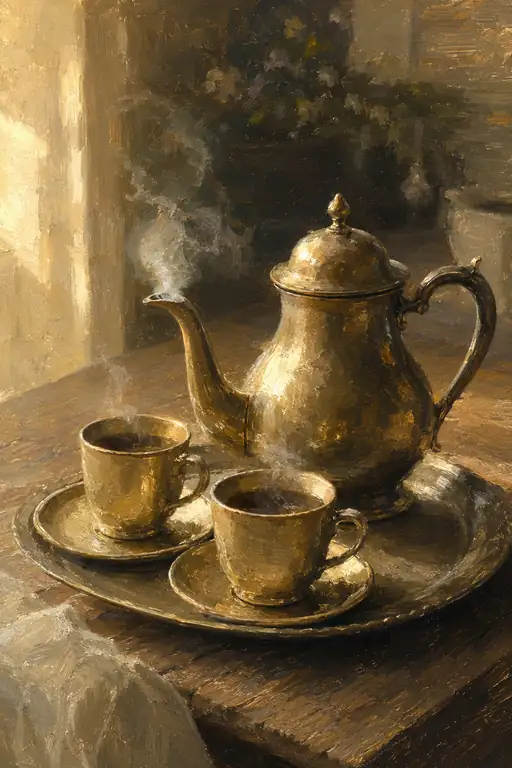 Two Cups Share the Golden Afternoon
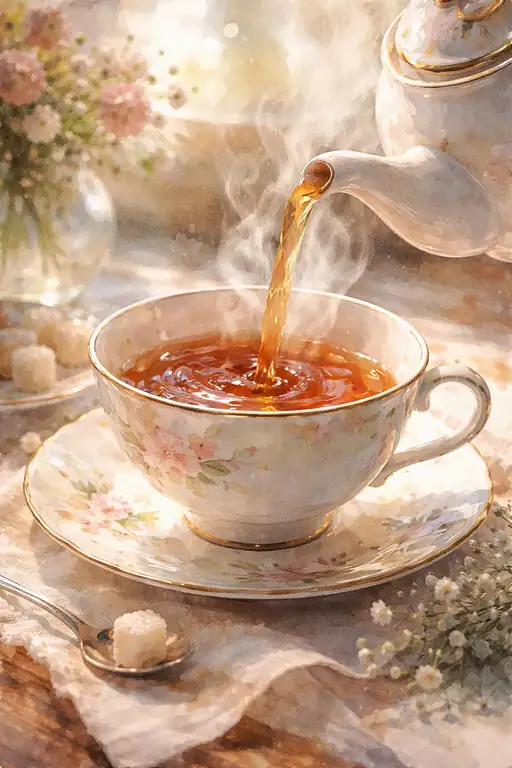 Golden Pour of Morning Tranquility
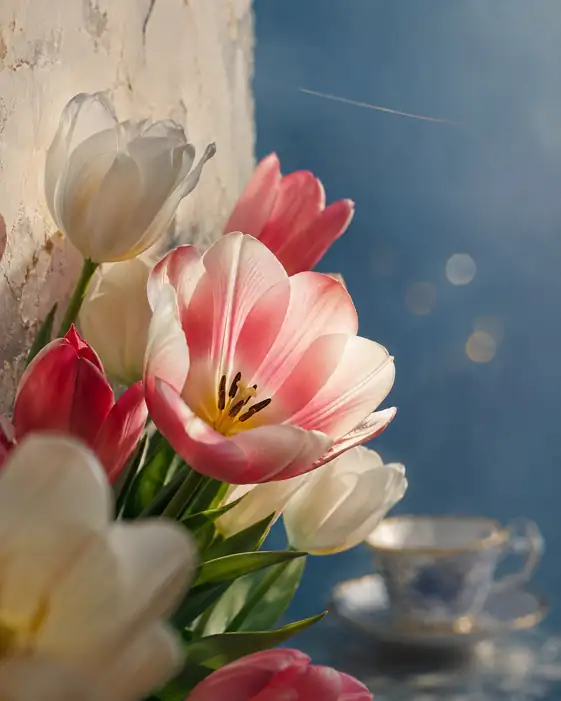 Morning Tulips by the Porcelain Cup